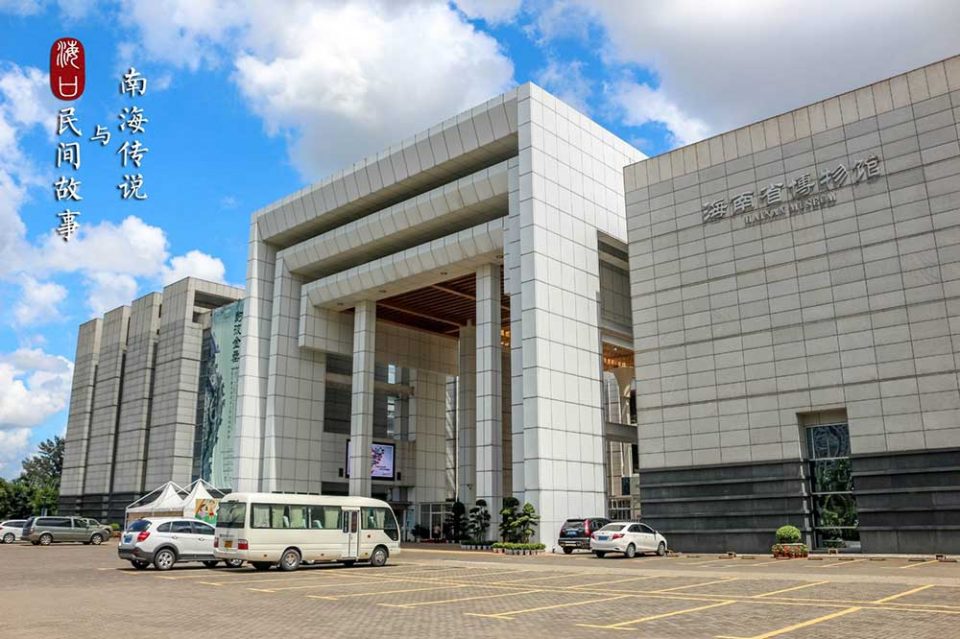
ovincial Museum is located in Haikou, the capital city of Hainan Province. It was established in 1984, then moved to its permanent location in the Hainan Cultural Park at 68 Guoxing Avenue. Hainan Provincial Museum is the biggest and the only comprehensive museum on Hainan Island officially opened on November 15, 2008. The entire museum area covers 40,000 square meters and houses over 20,000 objects including cultural and multimedia memorabilia.
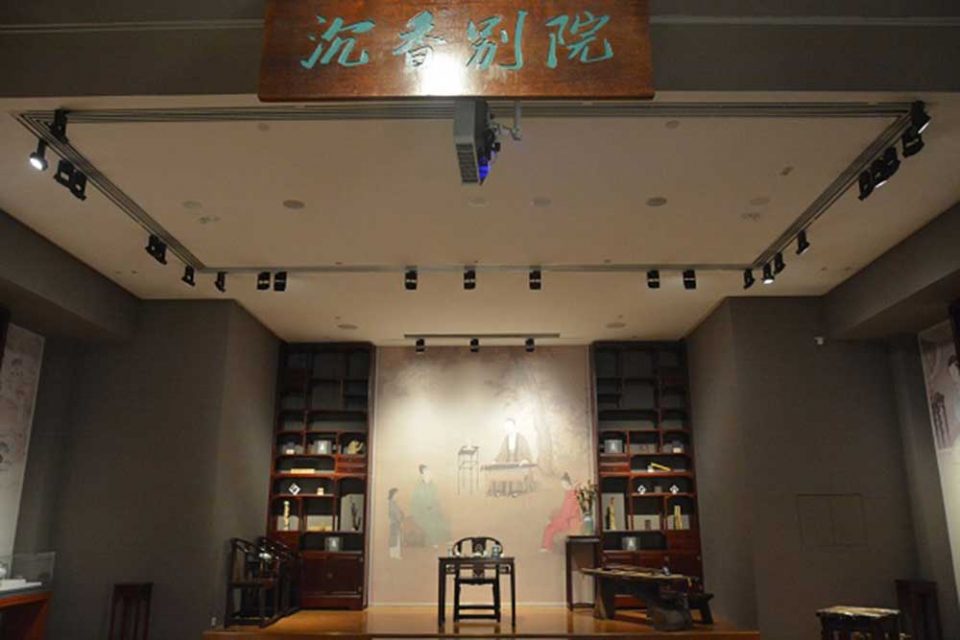
Agarwood Furniture Showroom
The museum is divided into two parts. The first phase contains 18,000 square meters which include an exhibition area of 8000 meters, a repository of cultural relics, technical rooms, service facilities and small office buildings. The second phase of the project is in planning. It will have an area of 7,000 square meters and will contain the wreck “Huaguangijao One”, where it will be restored and protected. It will host approximately 10,000 cultural relics and specimens relating to the history of the South China Sea, the Maritime Silk Road and elements related to geopolitics. It will also contain marine organisms and examples of mineral resources.
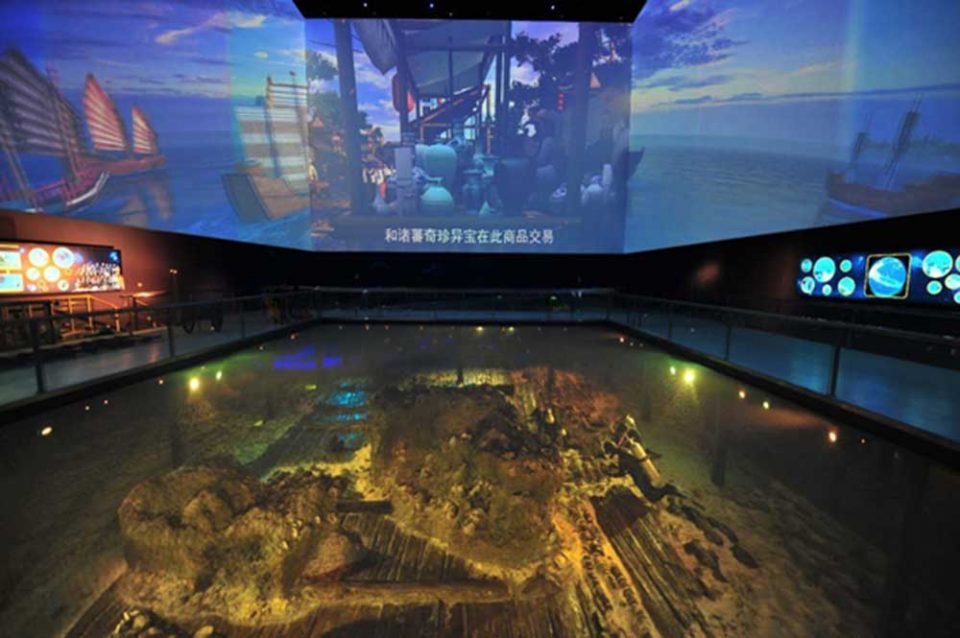
South Song Shipwreck
There are four basic permanent exhibitions: Exhibition of Collected Cultural Relics; Exhibition of History of Hainan; Exhibition of Minority Nationalities in Hainan; Exhibition of Intangible Cultural Heritage in Hainan. It is a good window to know more about Hainan Island History, Culture and Local Minority Nationalities. Since its opening in 2008, the Hainan Provincial Museum has held various Chinese and international exhibitions.
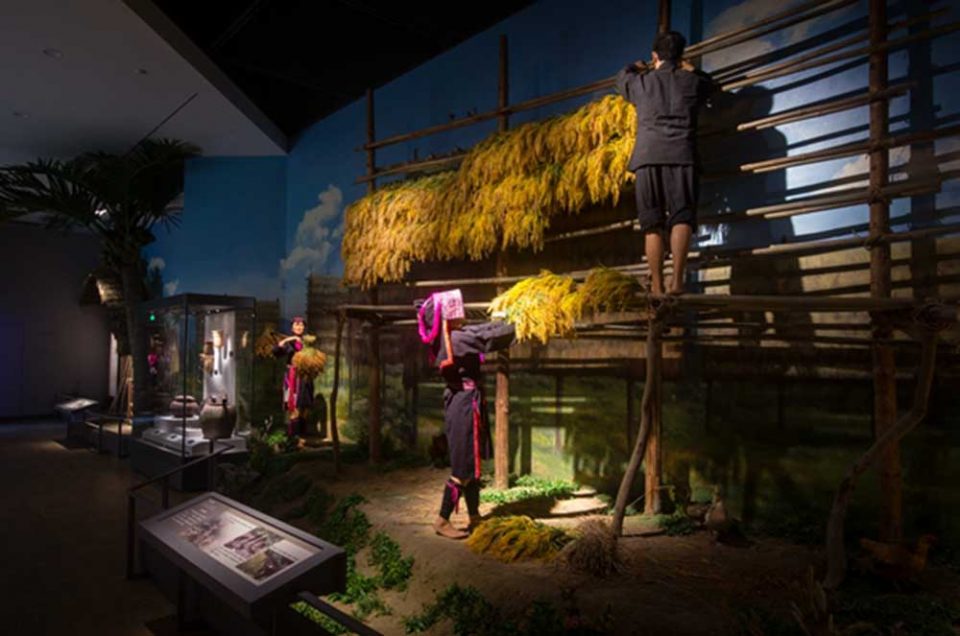
Life scenes of Hainan minority
Stone carving Woman’s head Ming Dynasty
VISIT
Address: No. 68, Avenue Guoxing, Haikou City, Hainan Province, China Opening Hours: 9,00 – 17,00 from Tuesday to Sunday. Closed on every Monday
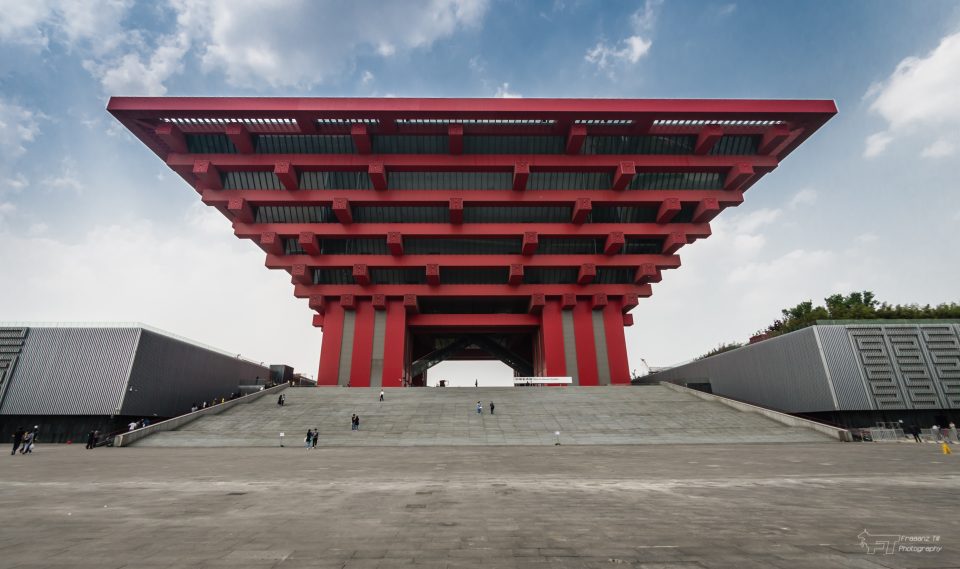
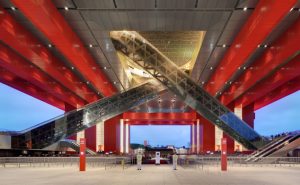
The China Art Museum(link), also called the China Art Palace, is a museum of modern chinese art located in Shanghai in Pudong New District near the Huangpu River. The museum, that was previously the China Pavilion of Expo 2010, opened its doors on October 1, 2012. It is one of the largest museums in Asia since the exhibition area of the China Art Palace covers 64,000 square meters with 27 exhibition halls that show the origin and development of modern Chinese art. The China Art Palace cooperates with other world famous art museums to hold exhibitions of modern art from other countries.
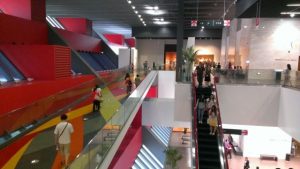
China Art Museum – Interior design
The predecessor of the China Art Museum was the Shanghai Art Museum, founded in 1956 and completely rebuilt in 1986. On March 18, 2000, the Shanghai Museum of Art was transferred to the former Shanghai Race Club. The city hosted the 2010 Expo and China Pavillion, due to its popularity, has been reopened for another six months after the end of the Expo. On November 13, 2011, the Shanghai Municipal Government announced that the China Pavilion would become the new home of the Shanghai Museum of Art under the name of China Art Museum. The new building is ten times larger than its predecessor.
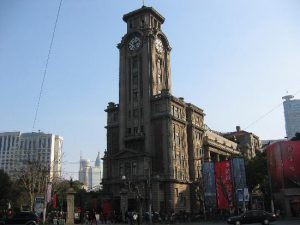
The predecessor of the China Art Museum was the Shanghai Art Museum housed in the Shanghai Race Club building.
Construction for the China Pavilion of the Shanghai Expo began on 28 December 2007, and the building was completed on 8 February 2010. The 63-metre high pavilion, the tallest structure at the Expo, is dubbed “the Crown of the East” due to its resemblance to an ancient crown. The building was designed by a team led by the 72-year-old architect He Jingtang, the director of the Architectural Academy of the South China University of Technology. He was inspired by the Chinese corbel bracket called daugong as well as the ancient bronze cauldron called ding.
China Art Museum – View form the outside
Twenty-seven exhibition halls are mainly distributed among the 49-meter floor, the 41-meter floor, the 33-meter floor, the 5-meter floor and the 0-meter floor floors: the floors are named by their altitude. The works, about 14.000, introduce the ascent of modern art in Shanghai at the end of the 19th and start of the 20th century. The basic exhibitions include four themes: the origin of modern and contemporary Chinese art, the works of art with the historical and cultural development of Shanghai, the works of art by famous painters and the development of the arts in the new century.
China Art Museum – Main entrance
The path through the building is from the upper floor to the lower floors. The exhibition rooms 1-6 are on the 49-meter floor, the 7-10 rooms on the 41-meter floor, 11-13, which exhibit works of art from 7 other countries, are on the 33-meter floor, the floor 5 meters (pavilions 14-24) mainly exhibits works by famous contemporary artists while the ground floor of 0 meters (rooms 25-27), records the developments of Chinese art during modern and contemporary times. The museum also often hosts special themed exhibitions. In its first year of activity it has hosted over a dozen international level.
‘Voyage: A Journey through Contemporary Serbian Art’, installation view, 2017, China Art Museum, Shanghai.
VISIT
Address: 205 Shangnan Road, Pudong New Area, Shanghai Opening Hours: from Tuesday to Sunday from 10:00 to 18:00 (17:00 stop). Closed on Mondays (except national holidays)
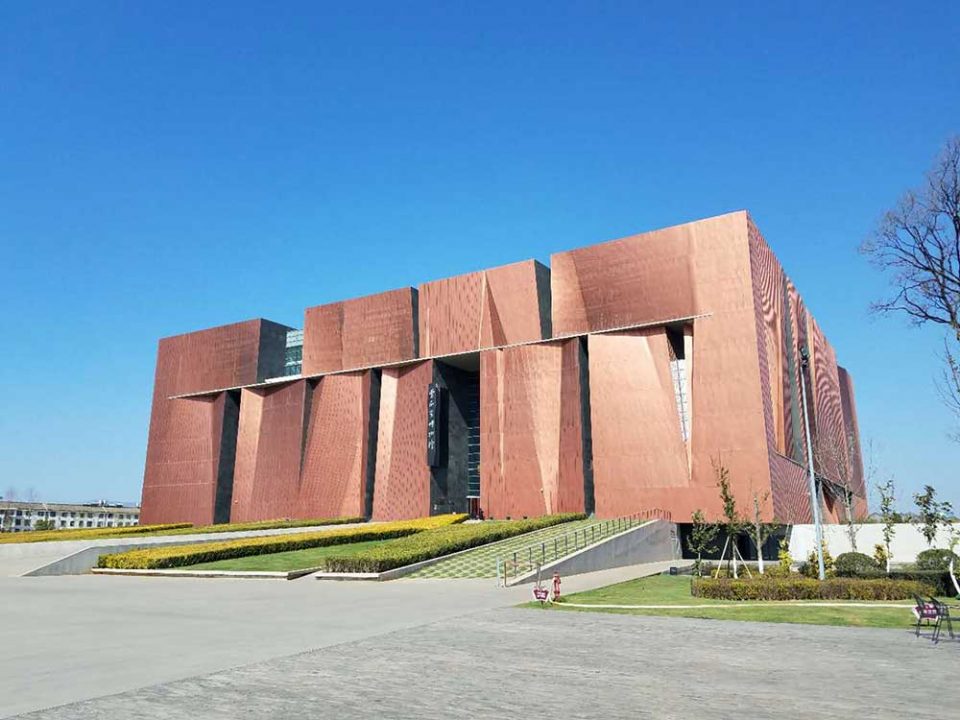
Yunnan Provincial Museum is located south of Kunming, on Guangfu Road in Guandu District. It houses an exhibition centered on artifacts from tomb excavations at Jinning on the southern rim of Lake Dian. The museum, that officially opened its door to the public on May 18, 2015 has a rich collection of over 200,000 pieces that give the opportunity to better understand Yunnan and the ancient historical features of the Kingdom of Dian (278 – 115BC) and the culture of bronze.
Yunnan Provincial Museum
The museum covers an area of 150 hectares with a building area of 60,000 square meters. The design of the new museum comes from Rocco Design Architects and the external shape of the main building was inspired by the geological features of Stone Forest, an important grouping of limestone formations located in and from 2007 UNESCO heritage. Construction of the museum started in June 2009 and was completed in December 2014.
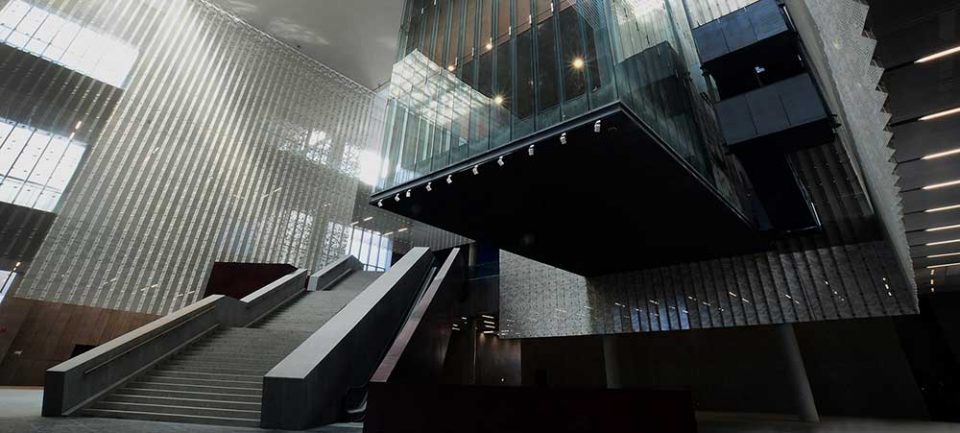
Internal Structure
The entrance experience to the museum takes place through a narrow passage, designed to induce the sensation of meandering through the stone forest, before suddenly finding itself faced with the vastness of the central space of the atrium.
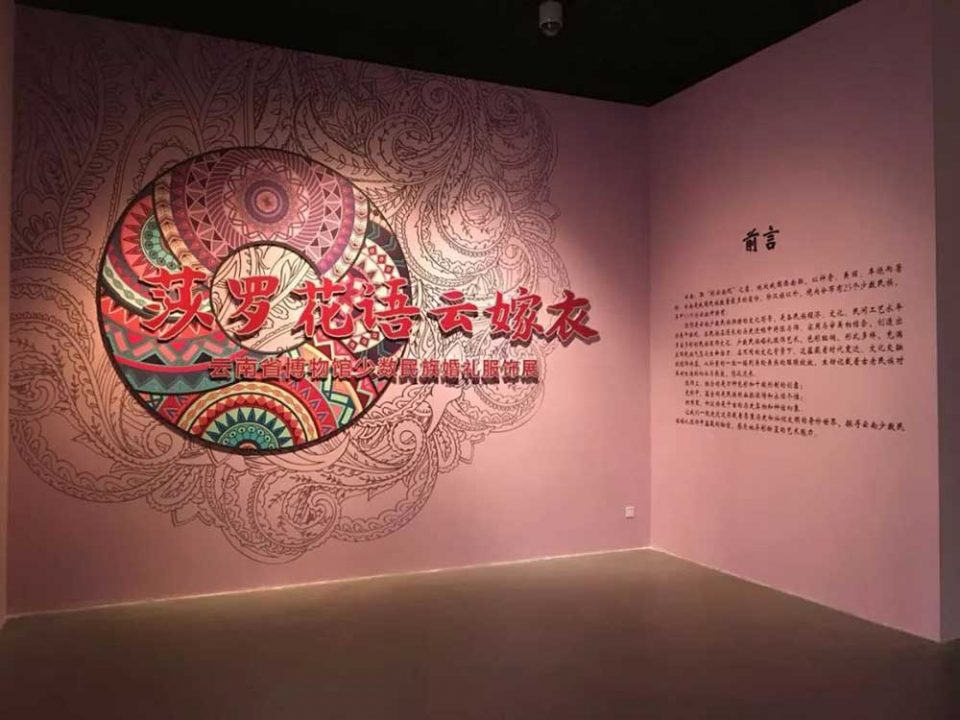
Yunnan Provincial Museum Minority Folklore Exhibition Hall
The external volume is marked vertically with a reference line which implies a distinction between exhibition and administration office space, which also recalls similar horizontal layers found in the natural rock formations of Yunnan. The museum has two storeys of underground back-of house supporting facilities & five storeys of public exhibition spaces and galleries overground.
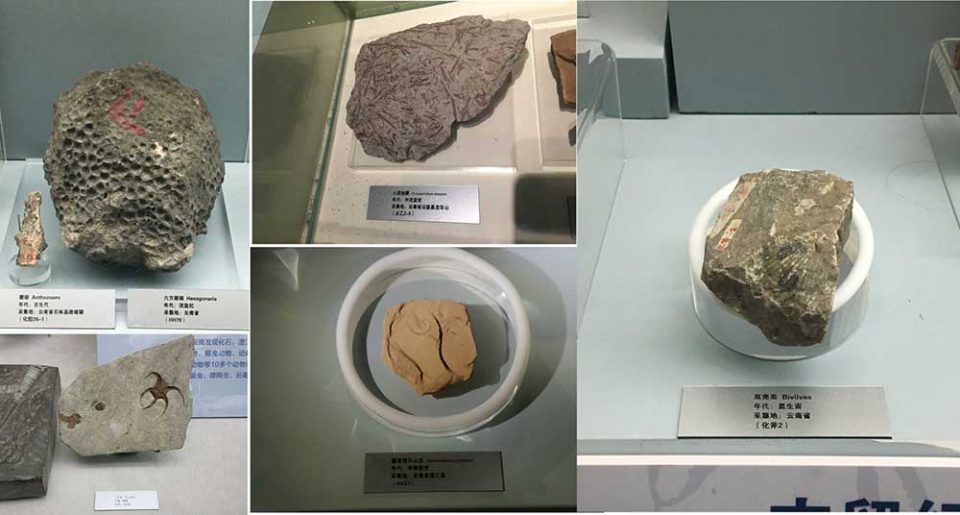
Ancient Fossils
The museum consists of six basic exhibitions and four theme exhibitions. The Six Basic Exhibitions are: Yunnan in the Prehistoric Era, Yunnan in the Bronze Era, Yunnan in the Period from the East Han Dynasty (25-220) to Wei (220-265) and Jin (265-420) Dynasties, Yunnan in the Tang and Sing Dynasties, Yunnan in the Yuan, Ming and Qing Dynasties, Yunnan in the Modern Times. The Four Theme Exhibitions are: Porcelains and Potteries, Exhibition of Paintings by Ms Liu Ziming, Exhibition of Rare and Precious Paintings and Exhibition of Ancient Golden Artefacts in China.
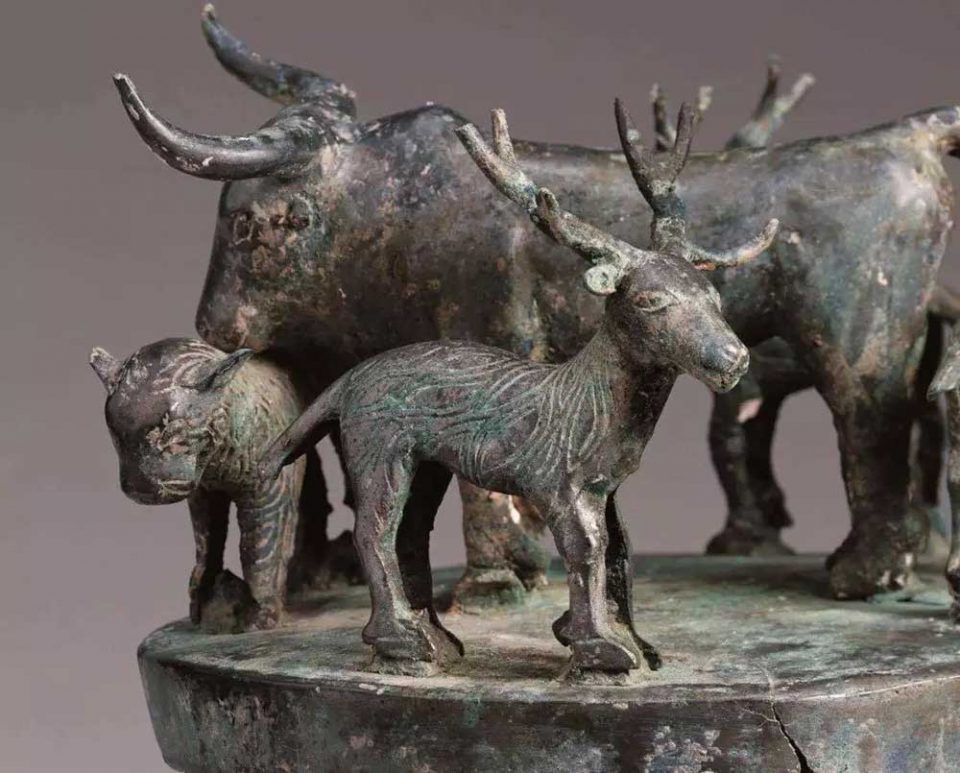
Bronzo Warring States Period
The displays and exhibits provide an insight into the history of Yunnan Province, from prehistory to 1949 when the People’s Republic of China was founded. The cultural artefacts on display highlight the development of the civilisation created by the multiple nationalities which make up the population of Yunnan province. The relics in Yunnan Provincial Museum mainly include bronze vessels, Buddhism relics, cultural relics of local ethnic minorities, art works, calligraphies and paintings, and porcelains, etc.
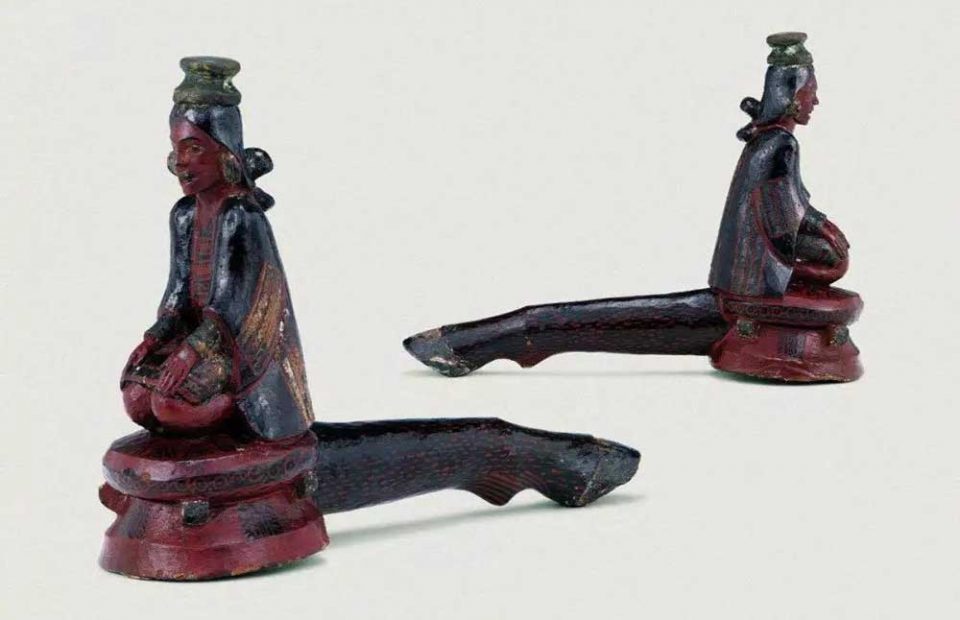
Lacquer Wood Kneeling Maid
Qing Emperor Qianlong-Alum Red Dragon Bowl
Ethnic Clothing
Zhuang’s Shawl
VISIT
Address: No.6393, Guangfu Road, Kunming City, Yunnan Province Opening Hours: from Tuesday to Sunday 9,00-17,00. Closed on every Monday.
Liu Di is a Chinese artist born in 1985 in the province of Shanxi, China.
In 2009 he graduated from the Department of Professional Photography of the Central Academy of Fine Arts in Beijing and just one year later, in 2010, he won the Lacoste Elysee Award for his series entitled “Animal Regulations”.
Liu Di – Animal Regulation IV No. 4
Liu Di is an artist who, to create his works, uses digitally manipulated photographs to investigate the friction between the natural world and the inhabitants of cities in China.
Use digital tools like Photoshop to relate human and animal figures and the landscape, changing its proportions. In fact, the distortion of the proportions of his subjects places them within the urban and natural landscapes of his land, China.
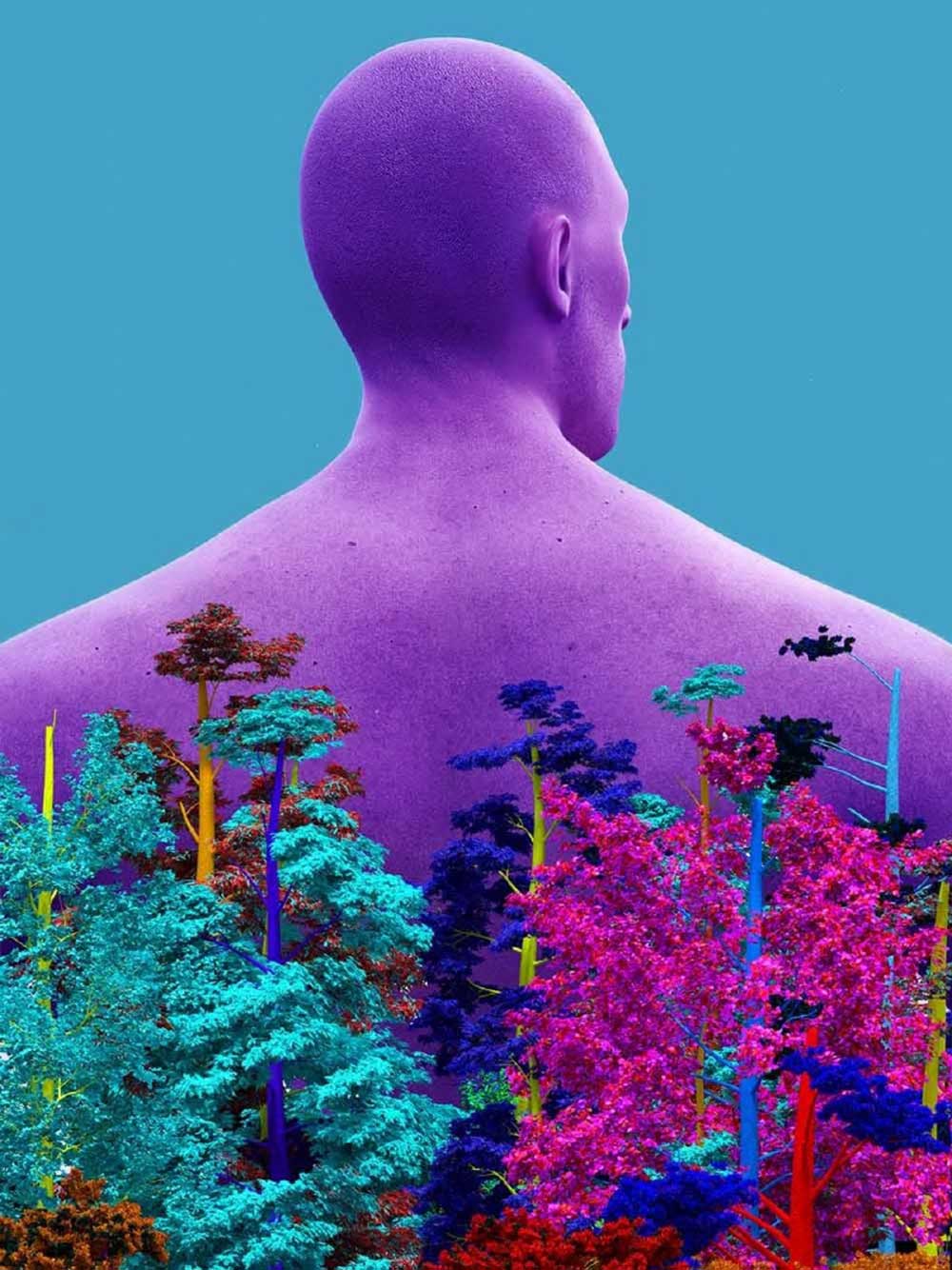
In 2012 he created one of his most famous and important series playing with the juxtaposition between the disproportionate human nudes and the natural environment.
Exhibition
“By violating the rules of common sense, we can break the hypnotic trance induced by the family reality”
Liu Di – The Weigh of Oneself No.1
In 2013 he creates one of his most recent series, evolving to the previous series, “Animal Regulations”.
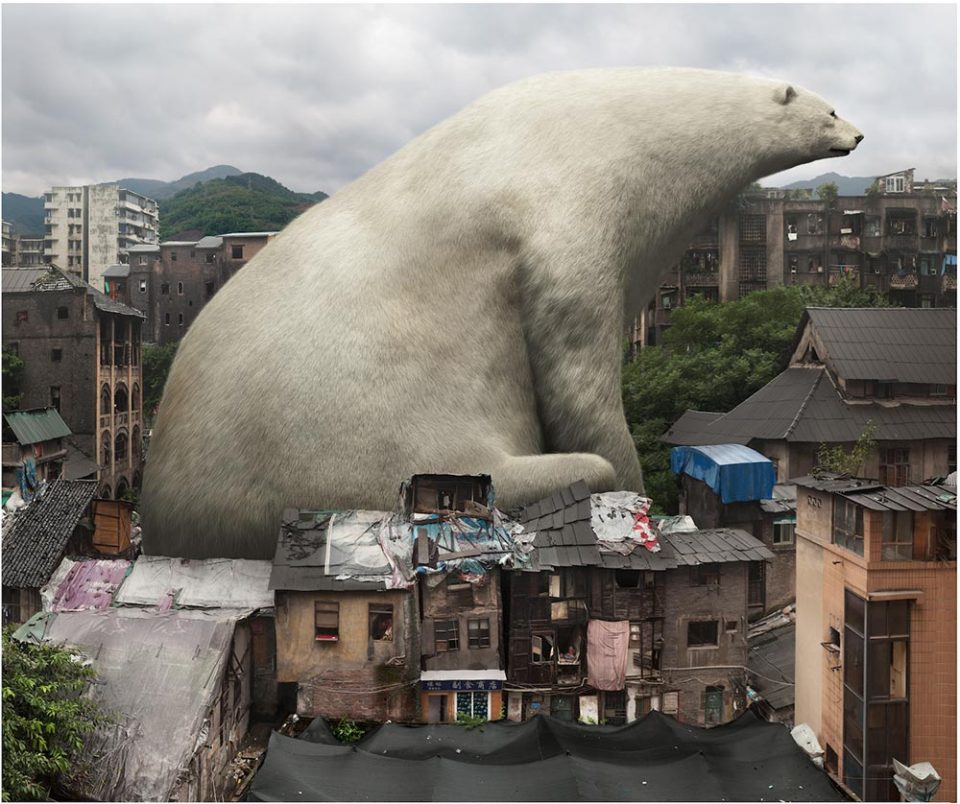
The series features a series of exaggeratedly large, cartoon-like wild animals, such as the giant rabbit in Animal Regulation No. 7, sitting amidst the destroyed landscapes of residential neighborhoods. Their heads are disproportionately small in relation to their massive bodies giving them a caricatural comic effect.
Liu Di – Animal Regulation No.7
Liu Di conceived the project for the first time while walking through the crowded outskirts of Beijing, a city that was very familiar to him.
“Looking at the decrepit living blocks, I had the vague but strong feeling that something was missing between the ground and the sky”
Liu Di – Animal Regulation IV No. 18
“I felt the urge to add something that would push people to look at familiar scenes with a new and long look”
“Something powerful and impossible to ignore, but not something that would make people panic. … In the end I decided it was supposed to be a huge animal”
Liu Di – Animal Regulation IV
Thus, using Photoshop, she re-proportioned a panda, a rhino, a monkey and a frog and placed them in gigantic dimensions in squalid urban contexts. By making these heavy-bottomed beasts locked up in the back streets, in the yards and in the courtyards of social housing, she highlights the relationship between nature and human society.
Liu Di – Animal Regulation No.17
These works look at a mutually destructive relationship through the ruins of both human and animal life spaces. Her photographs distort the banality of reality to provoke the viewer to review her urban surroundings.
Stubborn and persistent hallucinations
Through the images, composed of over-sized subjects set in suburbs, settings like residential complexes, Hutong neighborhoods and scenes of demolished houses, transforms the urban landscape into a surreal playground on which towering massive inflated animals, but confined by the surrounding environment.
Stubborn and persistent hallucinations
Exhibitions:
2010–2015 reGeneration2: Tomorrow’s Photographers Today – A Travelling Exhibition, the Musee de I’Elysee, Lausanne, Switzerland
2010 History Lessons, Pein Fine Arts, Beijing, China
2009 Niubi Newbie Kids II Exhibition, Schoeni Art Gallery, Hong Kong, China
2009 Journey of A Thousand Miles–2009 CAFA Excellent Graduation Works Exhibition, CAFA Art Museum, Beijing, China
2009 Young Artists Promotional Exhibition — 2009 Beijing 798 Festival , Beijing 798 Art Zone, Beijing, China
2009 CAFA Graduation Works Exhibition, China Central Academy of Fine Arts, Beijing, China
2009 Cograda Word Design Congress 2009 Beijing , CAFA Art Museum, Beijing, China
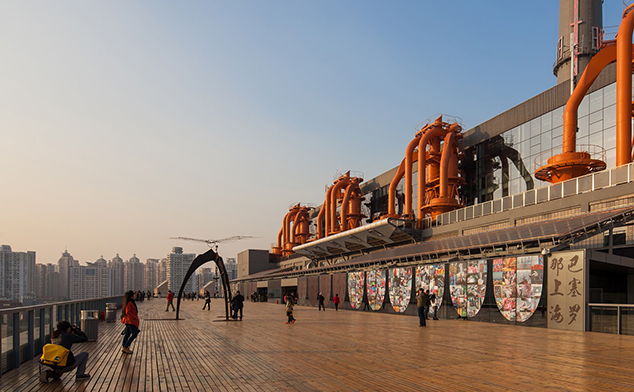
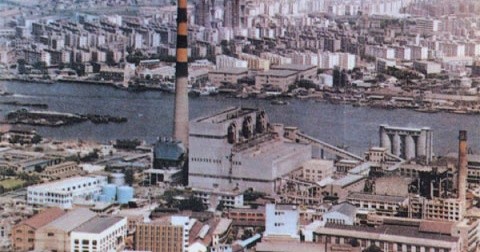
As well as being the first state museum dedicated to contemporary art in mainland China, the Power Station of Art is also home to the Shanghai Biennale. The building was formerly the Nanshi power plant, built in 1985, and then became the Pavilion of the Future in 2010 during the Shanghai World Expo. Following a renewal and expansion project, the PSA officially opened its doors on 1 October 2012 as a public platform that promotes culture and art.
Shanghai, Power Station of Art – Terrace view
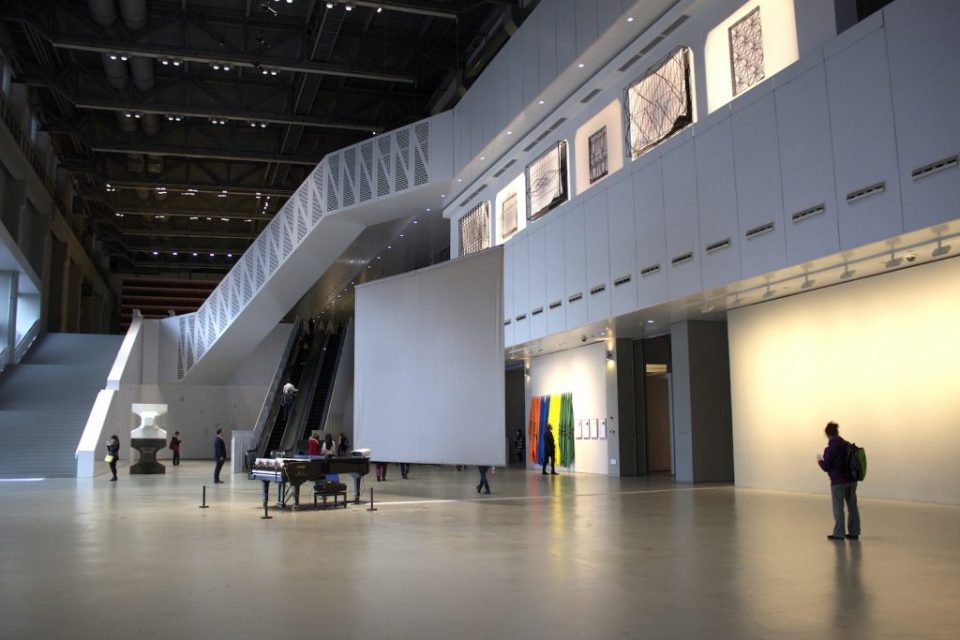
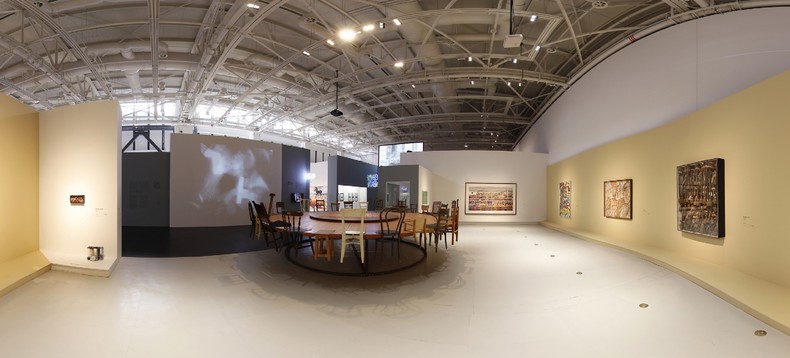
Located on the left bank of the Huangpu River, the PSA occupies an area of 42 thousand square meters and can host exhibition sections that reach 15 thousand square meters. The renovation project, which cost about sixty-four million dollars, wanted to keep the vast spaces of the previous building and its industrial features with the addition of contemporary elements. The aim of the museum is to break down the barrier that separates the exhibition space from the space for “free time” by creating a profound relationship between man and art. In addition, the visit breaks the traditional single-track system to create many possibilities for artistic exploration.
Power Station of Art – Interior design
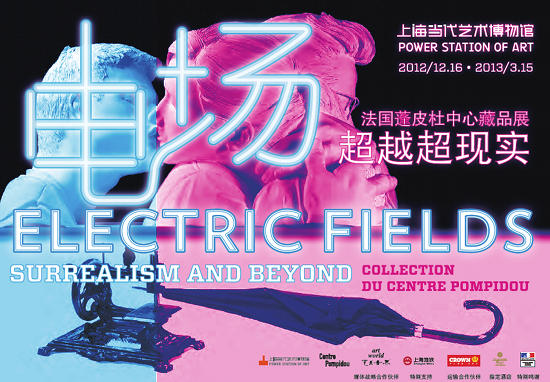
Not having permanent collections the museum hosts temporary Chinese and international exhibitions. The first exhibition organized for the inauguration of the museum in 2012 presented more than 100 pieces from the Parisian Center Pompidou gallery entitled “Portrait of the Times”, which focuses on the surrealist avant-garde. The title of the exhibition was inspired by the first Surrealist collaboration in 1919 by Andre Breton and Philippe Souhault, “Magnetic Fields”. The works, from Renè Magritte to Ed Ruscha, included drawings, sculptures, installations, videos, photographs, prototype constructions and drafts that helped to examine the poetic character of surrealism. This event was of paramount importance as it constituted the first collaboration between a Chinese museum and the Pompidou.
Electric Fields: Surrealism and beyond”- First exhibition, 2012
“Electric Fields: Surrealism and beyond”- First exhibition, 2012
Gong Yan (1977-), from 2013 director of the PSA, graduated from the Ecole National Supérieure des Beaux-Arts, in Paris. In 2005, she founded the “O Art Center” focusing on unstable multimedia art and the city’s research by providing a dynamic platform for young talents and curators. Curator and artist, her works have been exhibited at the Shanghai Biennial in 2002 and 2006 and she is also at the helm of the influential Chinese magazine “Art World”. Her mission is to look to the future but at the same time to understand and incorporate the past of the city which is a unique trajectory that reaches the present day.
Gong Yan – Director of Power Station of Art
“I wish the Power Station was not just a box to be filled with this or that exhibition, but a creative and dynamic container, open to different experiments. And I would like visitors to be not just a distant and silent audience » (Gong Yan)
Nanshi Power Plant in 1985
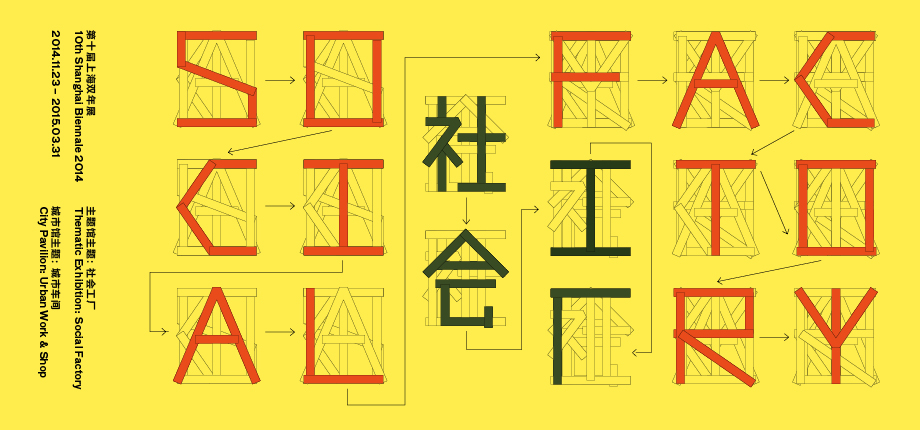
Before the opening of the Power Station, the Shanghai Biennials were held in the rooms of the Shanghai Art Museum. Since its opening in 2012, the PSA has already hosted three editions of the Biennale, the ninth, the tenth and the eleventh. The tenth organized in 2014 and entitled “Social Factory”, questioned what characterizes the production of the social and on how the “social facts” are constituted starting from the year 1978, a turning point in the modernization of China. According to Chris Dercon, director of the Tate Modern in London, he represented an “epochal turning point” for contemporary art in China.
“Social Factoy” – The 10th Shanghai Biennale, 2014
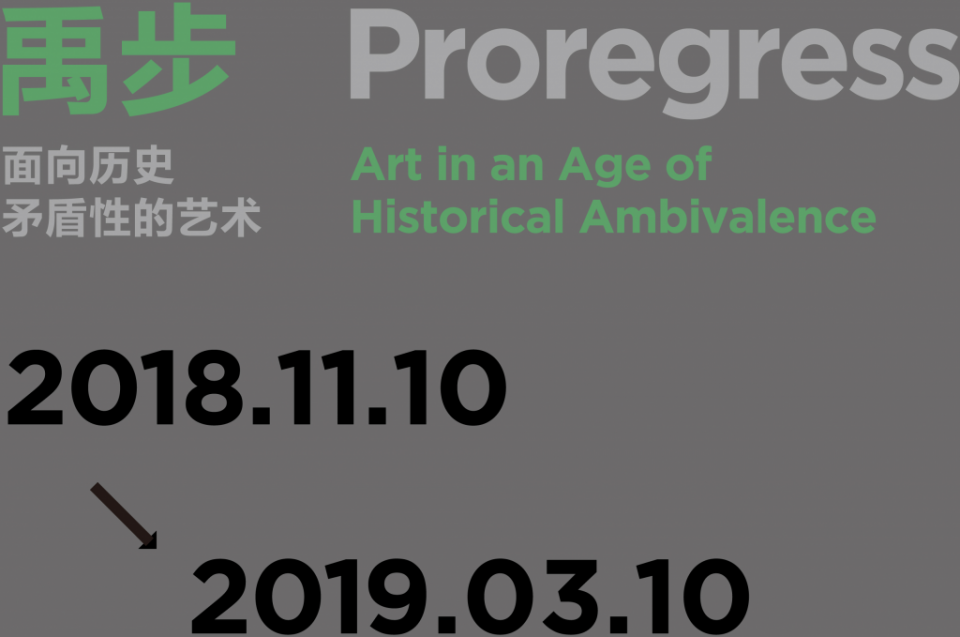
The twelfth Biennale will be inaugurated on 10 November 2018 with the title “Proregress: Art in an Age of Historical Ambivalence” whose works will try to sensitize the public about the contradictions that characterize our time.
“Proregress: Art in Age of Historical Ambivalence” – The 12th, Shaghai Biennale, 2018
The Power Station often resorts to private sponsorships like most contemporary Chinese museums: thanks to them it has set up important exhibitions such as the personal exhibition of Cai Guo-Qiang named “The Ninth Wave”, in 2014, and, in 2012, the already mentioned “Electric Fields: Surrealism and Beyond.” The exhibitions that are set up touch different fields of contemporary art such as architecture, photography, performances, graphic design, product design and bio art.
“Cai Guo-Qiang: The Ninth Wave” – Solo exhibition, 2014
VISIT
Address: 200 Huayuangang Road, Huangpu District, Shanghai Hours: 11:00 – 19:00 from Tuesday to Sunday, closed on Mondays; open on all national holidays. Last admission at 18:00. Admission is free except for special exhibitions.
Dates: 25.4.2018-10.6.2018 Opening hours: 10:30-18:30(closed on Mondays) Location: Thousand Plateaus Art Space Address: 3-5 Southern District, Tiexiang Temple Riverfront, 699 First Tianfu Street, High-Tech Development District, Chengdu, China
White Night Series
Feng Li once said that he could never go outdoors without his camera, cause walking without it makes him think that he will probably miss some special moment. At the beginning of his career he thought that it was him that has always tried to find something, but eventually those tiny spots of life seem to come to him voluntarily. This may explain why Feng Li’s work has a natural feature which means not intended, and is full of unplanned coincidences. He keeps catching the ignored moments existing in the streets of Chengdu, and since he takes photos with flash, his works is considered to record ordinary daily life in a weird way.
White Night Series
Thousand Plateaus Art Center has proudly announced the opening of Feng Li’s personal exhibition White Night 2017 on Aprile 25th. White Night is Feng Li’s first and only series of works from the beginning of his career.
The Only Question Is How to Endure. Works from Towards Evenings: Six Chapters
Dates: 10.3.2018-27.5.2018
Opening hours: 10:00-17:00(closed on Mondays)
Location: OCAT Xi’an
Address: Beichitou 1st Road, Yanta District, Xi’an, China
Website: official web page
The Only Question Is How to Endure180*180*10cm 2012-2017
Since 2012, the artist Chen Zhe has started her long term project Towards Evenings: Six Chapters, talking about individual inner feelings toward the surroundings, especially confusions and fears upon the unknowns occurred when one looking at the dusk. In fact, Chen Zhe has already begun to discover the human inner perceptions in her early works. Behind those pain, fright and indulgence, according to Chen Zhe, there is something beautiful, or precisely, they all mix together one and another. And this is the feature of all the works from Towards Evenings: Six Chapters.
Chen Zhe Timing Installation 2017
This exhibition presents works of different materials and media like photography, archiving pictures and installations, in which one video will be exhibited the first time.
Chen Zhe was born in 1989, graduated from Art Center College of Design in 2011, now she lives and works in Beijing. Her works have been exhibited in the 11th Shanghai Biennale, in Sadie Coles Gallery in London, Ullens Center for Contemporary Art in Beijing and Minsheng Art Museum in Shanghai. She has received Kassel Photobook Award, Inge Morath Award from Magnum Foundation and has participated in the shootings of documentary films of the French channel ARTE and Japanese channel NHK.