Categories
在博物馆 传统 典藏故事 古代

Dougong Museum | Pagoda of Fogong Temple: The World’s Three Greatest Towers

The Sakyamuni Pagoda of Fogong Temple is the world’s oldest, best-preserved and tallest surviving pure wooden structure in the pavilion style. It is also known as the “Dougong Museum”.

In November 2012, The Sakyamuni Pagoda of Fogong Temple was included in the preparatory list of China’s World Heritage Sites. With the Leaning Tower of Pisa, Italy, the Eiffel Tower in Paris and called the world’s three major towers.
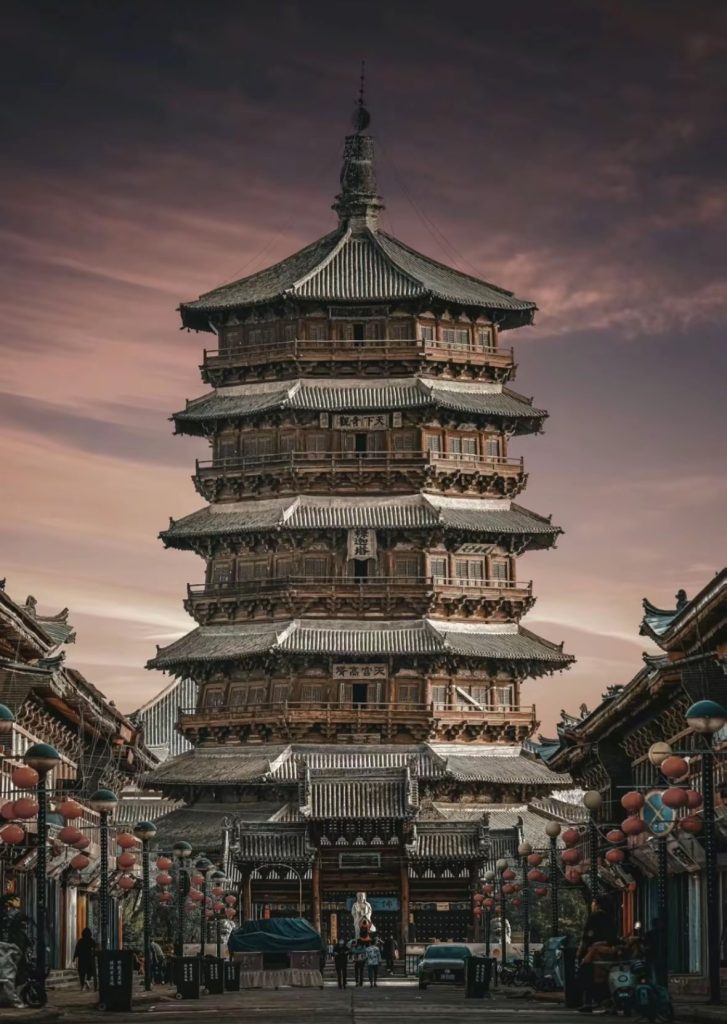
pagoda

The total height of the Shakyamuni Pagoda 65.838 metres, the plane is octagonal, three rooms on each side.

Pagoda has a total of five layers of bright layer, four layers of dark layer. That is to say, if visitors from the outside look at the bright surface is visible as five layers, while the actual number of layers can be counted inside is nine.

The entire pagoda is constructed of wood and mortise and tenon joinery, a traditional Chinese wood craft.
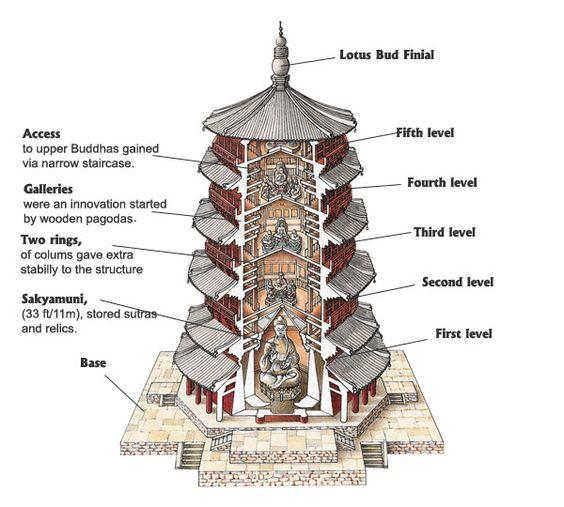
Diagram of the internal structure of the padoga

Craftsmanship of Sakyamuni Pagoda

Sakyamuni Pagoda was built as a purely wooden pavilion-style pagoda. Its architectural design inherited after the Han and Tang dynasties(202 B.C. to 907 A.D.), rich in national characteristics of the heavy building form.

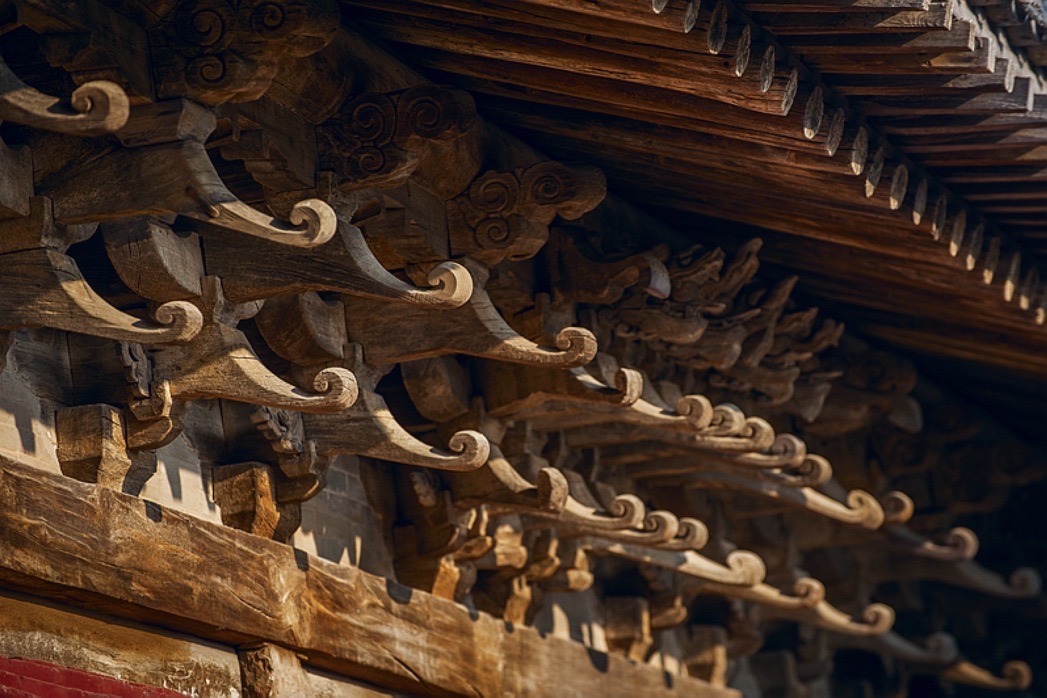
At the same time, it makes full use of the traditional ancient techniques and uses a large number of dougong structures. The whole pagoda has 54 kinds of Dougong, and each dougong has different combinations of forms. Each layer forms an octagonal hollow structural layer.

Dougong (a system of brackets inserted between the top of a column and a crossbeam) is one of the moset important characteristics in traditional Chinese architecture.
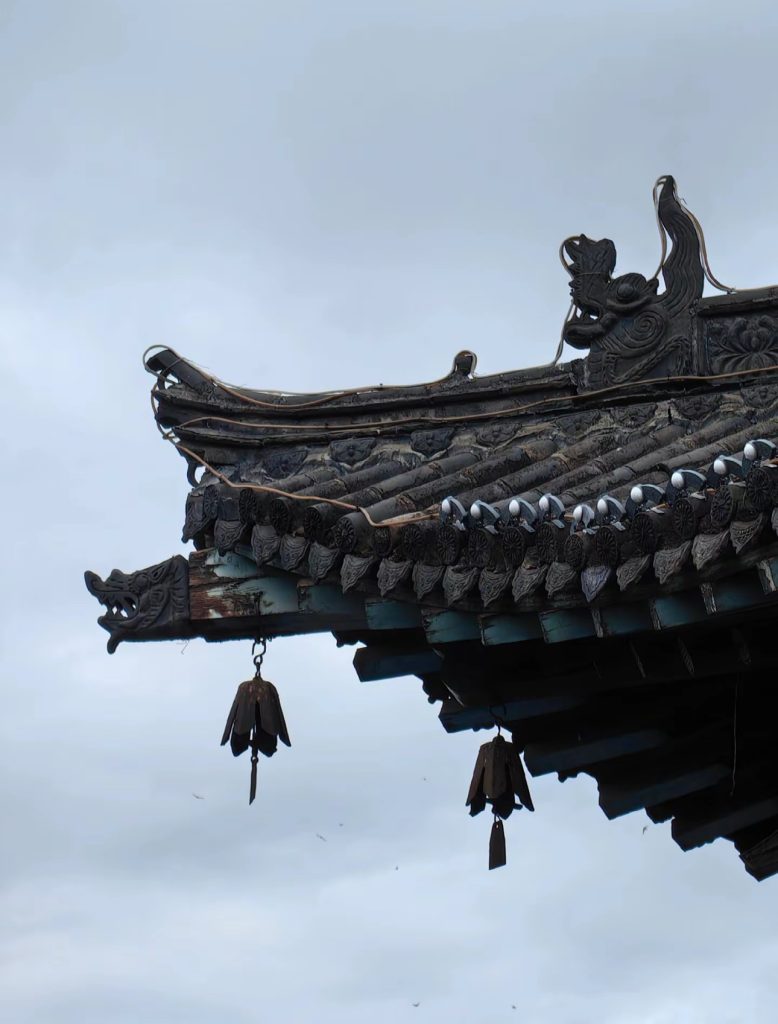
dougong

The design of Shakyamuni Pagoda is so precise that it has the reputation of being a masterpiece of craftsmanship. Overall, the Sakyamuni Pagoda manages to incorporate both traditional Chinese ethnic features and Buddhist religious culture.

Traditional Chinese Wooden Building Technology–Mortise and Tenon

Firstly, Mortise and tenon is the joining structure of Chinese woodwork. The protruding part is the tenon and the recessed part is the mortise. The tenon and the mortise connect closely with each other to get a stable structure.

Further, Mortise and tenon is one of the essential skills of Chinese carpenters, usually for making ancient furniture or constructing ancient buildings. The mortise and tenon joints do not use nails or glue for a tight and seamless fit.
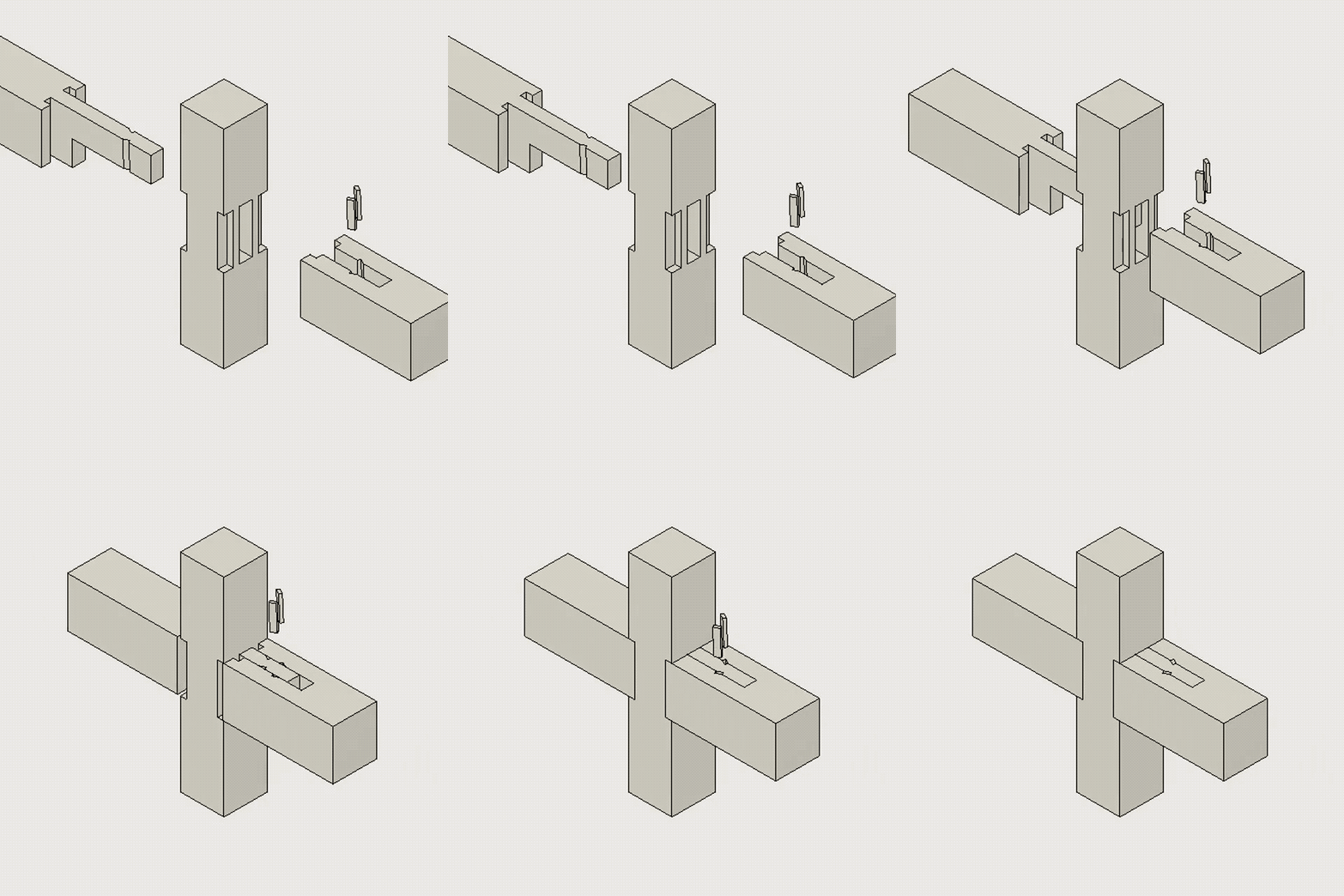
gif of mortise and tenon
Mortise and Tenon

Above all, this is one of the most prominent features of the Sakyamuni Pagoda.

Sakyamuni Pagoda and its cultural heritage

There are 26 statues of Buddha in the Shakyamuni Pagoda. The murals inside the pagoda are all painted, totalling about 646 square metres. A total of 51 plaques and couplets were found in the compartments of the pagoda.

In addition, 160 pieces of cultural relics from the Liao Dynasty (907-1125) were found, including Buddhist scriptures inside the statues, relics of the Buddha’s teeth and statues of the Buddha.
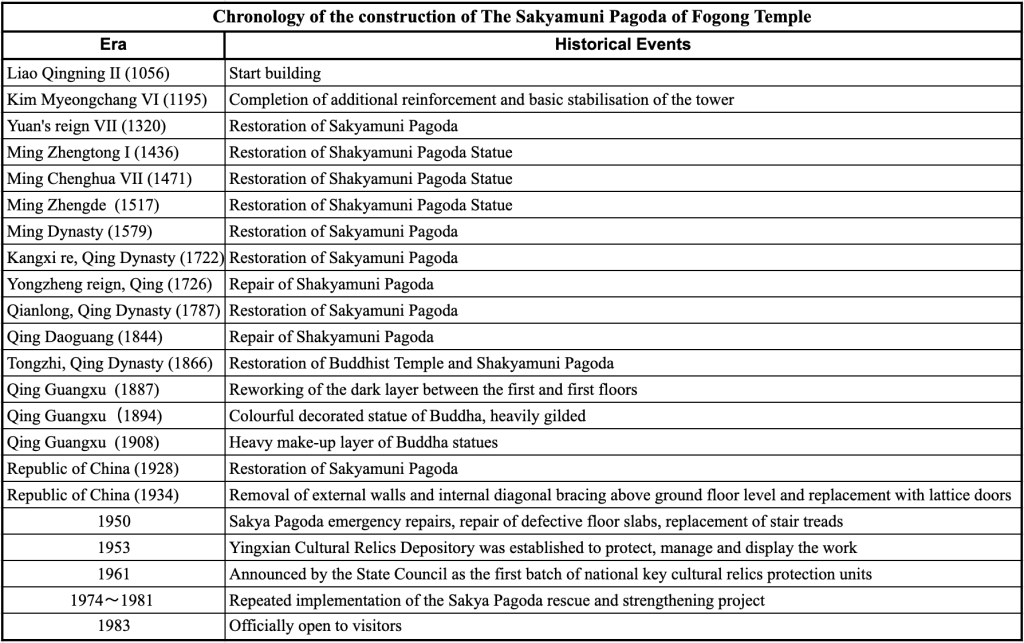
Chronology of the construction of the pagoda

Besides the Liao Dynasty cultural heritage found in the pagoda, there are many and then later generations of repair process added a variety of ancillary cultural relics.

For example, the Ming Wanli years (1579) placed in the tower on the south side of the iron building. Ming Dynasty (1622) built in the bell tower of the iron bell. As well as a pair of iron lions and stone lions built in the Ming Dynasty.

Sakyamuni Pagoda is located in the temple compound of Fogong Temple in Ying County, Shuozhou, Shanxi. There are eight historical sites present in the temple:

  • a wooden pagoda respectively.
  • a bell tower located in front of the Sakyamuni Pagoda and a drum tower.
  • The Sakyamuni Pagoda.
  • The main hall, the Mahamudra Temple.
  • The two ear rooms distributed on the left and right beside the hall.
  • And between the hall and the tower of a pagoda gatehouse.
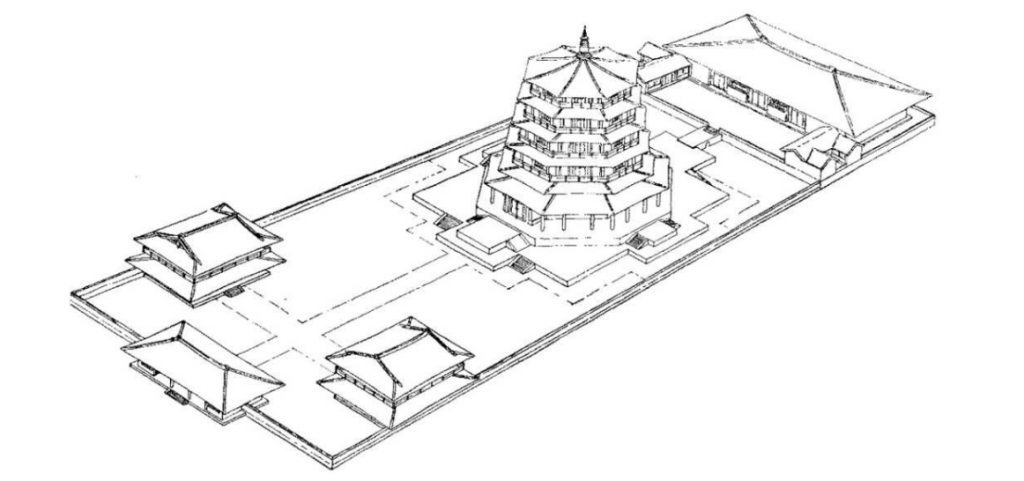
Rendering of the sakyamuni pagoda site
Photo from 《应县木塔》, Chen Mingda

The Discovery of Sakyamuni Pagoda

The pagoda has survived more than 40 earthquakes and more than 200 shellings during the war and is still standing for 1,000 years.

However, the pagoda’s structure has been subjected to a long period of natural environmental aggression and the aging of its components, resulting in the present-day deformation of the pagoda’s structure.

Liang Shih-cheng was a Chinese architectural historian, architect and urban planner.

He devoted his life to the preservation of ancient Chinese architecture and cultural heritage. Likewise, he is the discoverer of the fact that the Sakyamuni Pagoda of Fogong Temple was built in modern times.
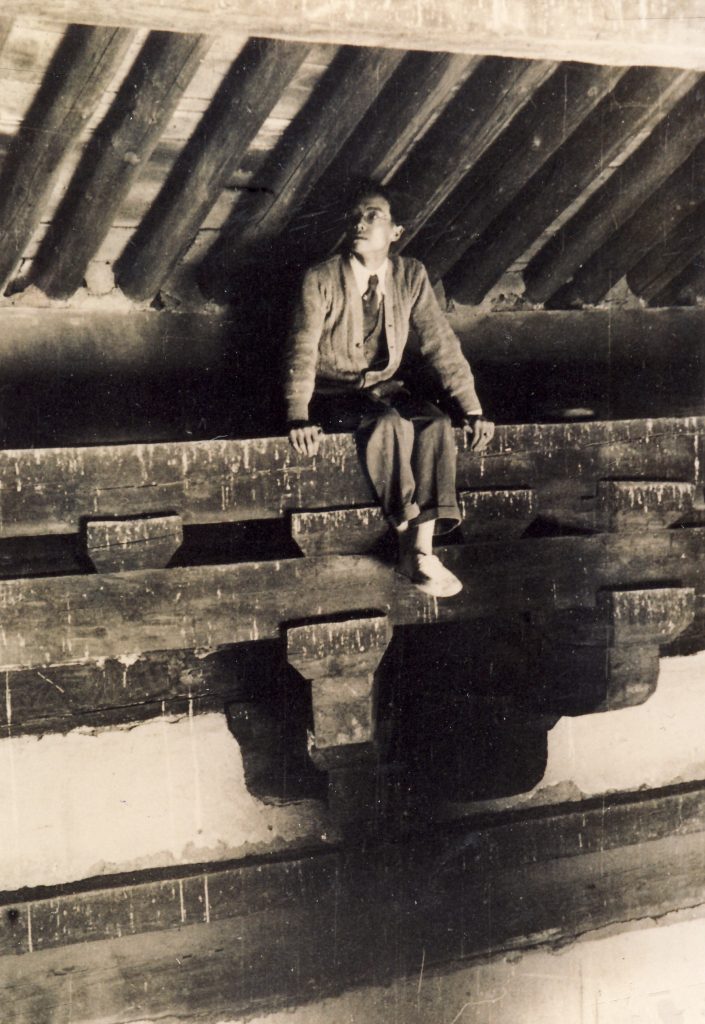
Liang Shih-cheng with the pagoda

Some people have commented that“If Liang Shih-cheng hadn’t found a construction–the Sakyamuni Pagoda in Yingxian County in the 1930s. people couldn’t have understood the content of Yingzao Fashi.”

The ‘Yingzao Fashi’ is China’s first official work detailing the practice of architectural engineering, which clearly records some of the design constructions in the Sakyamuni Pagoda.

In 1932, Liang Shih-cheng came across an archaeological report written by a Japanese scholar about northern China. In this report, this wooden pagoda built in the 11th century was explicitly mentioned.
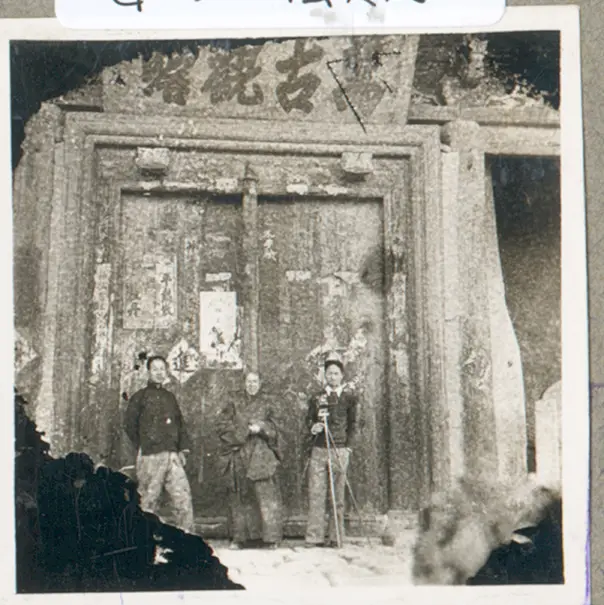
Liang Shih-cheng‘s friend

Thus, based on Liang Sicheng’s search for ancient architecture and his preparation for the compilation of the ‘Notes on Yingzao Fashi’. So there will be the next for the Sakyamuni Pagoda investigation.

After a long period of investigation by Liang Shih-cheng and his friends.To clarify, the most recent hand-drawn drawing of the Sakyamuni Pagoda dates from 1935.
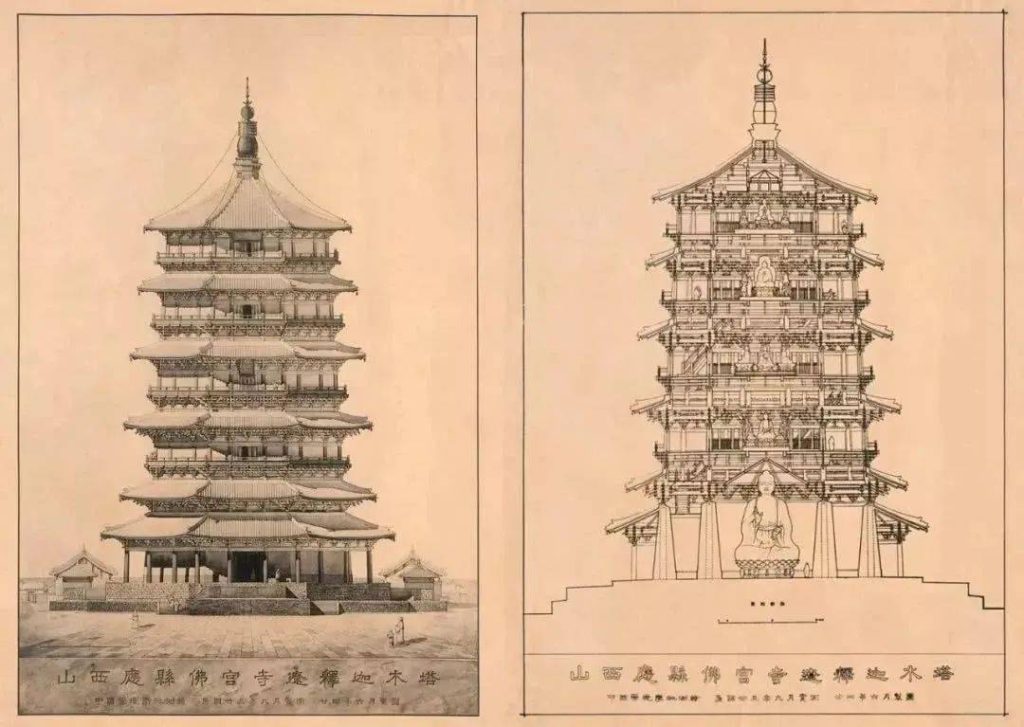
Hand-drawing of Sakyamuni Pagoda by Liang Shih-cheng

This hand-drawing and the content of the investigation for the present for the study of the Shijia Pagoda is of great significance.

Sources

Liu Yan, A Translation Report on Sakyamuni Pagoda, Fogong Temple

Huang Xiaoshu, Study on Integrated Conservation of The Sakya Pagoda of Fogong Temple in Yingxian,Shanxi Province

Image source National Geographic China

Chen Mingda, Yingxian Muta

Other image source Internet and thesis
Categories
Contemporary

Contemporary | He Jing – “Made In China”

The phrase “Made In China” is synonymous with cheap, knockoff copies of major brands in fashion,
technology, furniture and numerous other industries.
Recent headlines have even gone so far as to warn
Kickstarter users to prepare to have their ideas stolen before they’re funded. The open-source manufacturing culture in the country means that thousands of small and major production operations.It could spot an idea online and begin mass producing cheaper, near-identical copies of the idea. So what
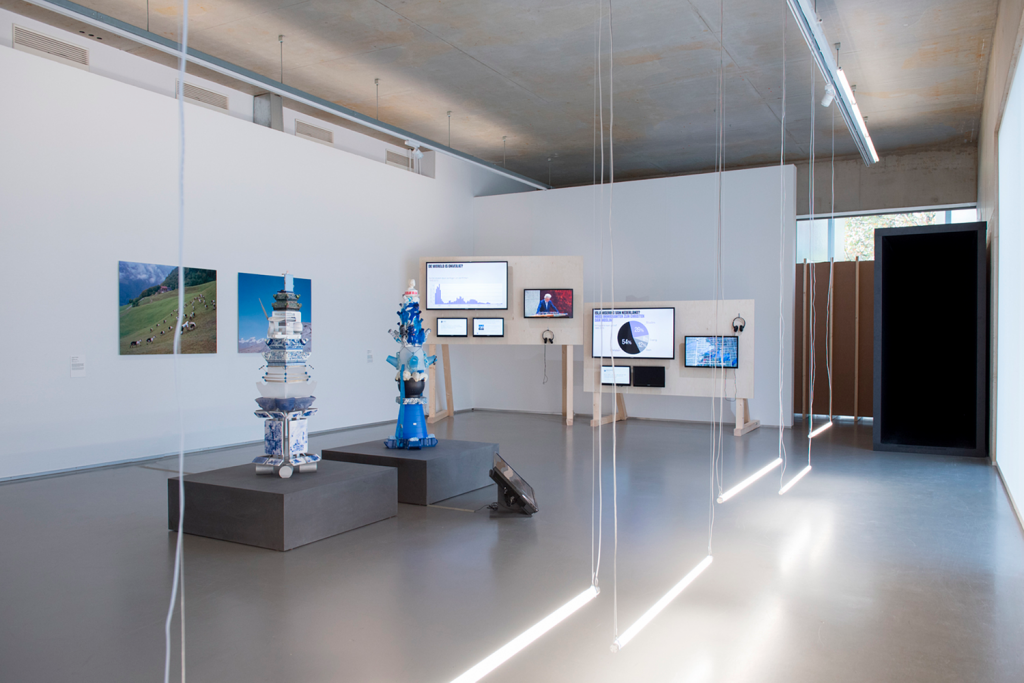
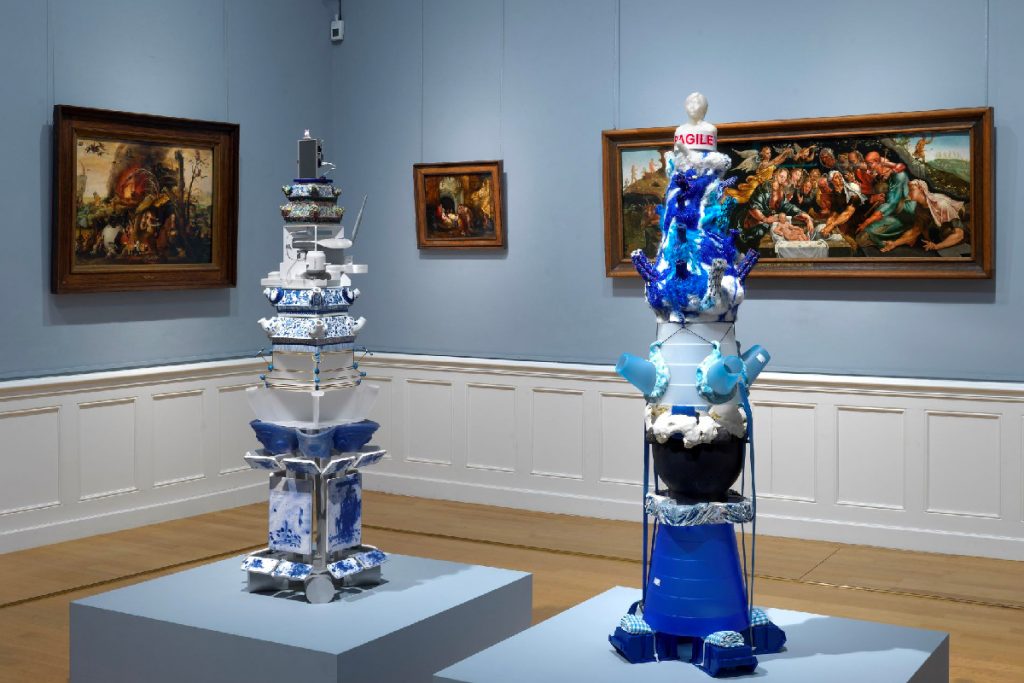
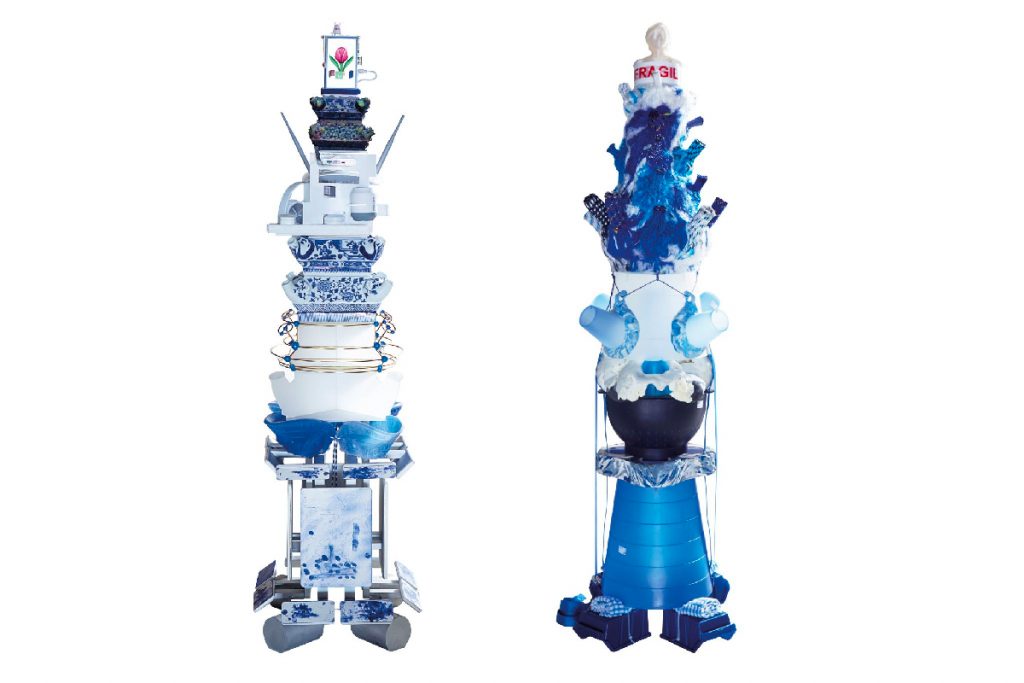
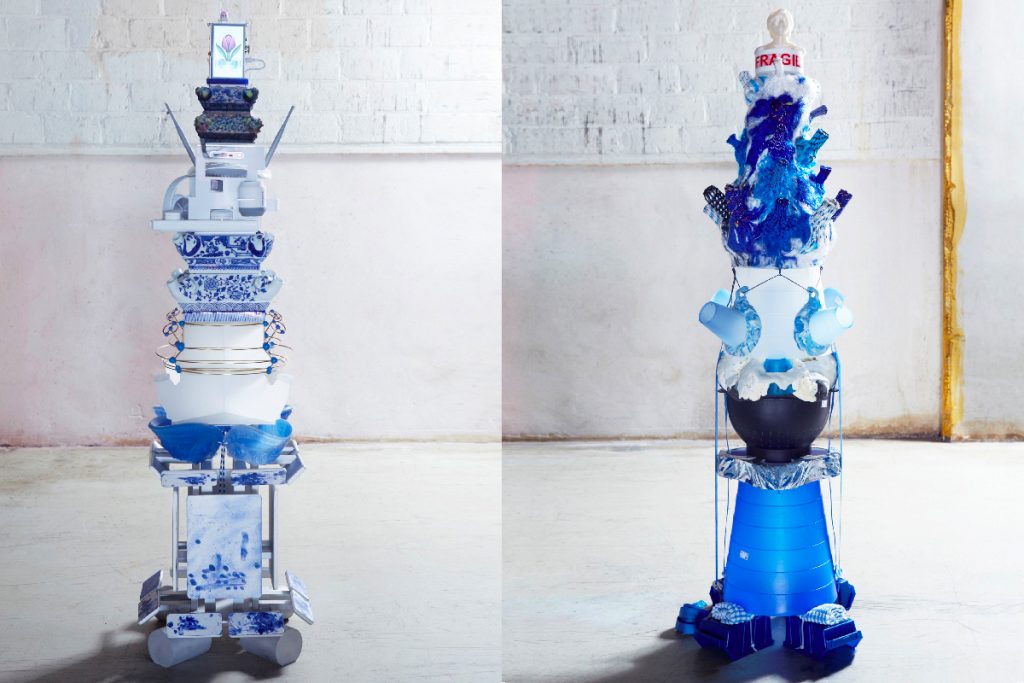
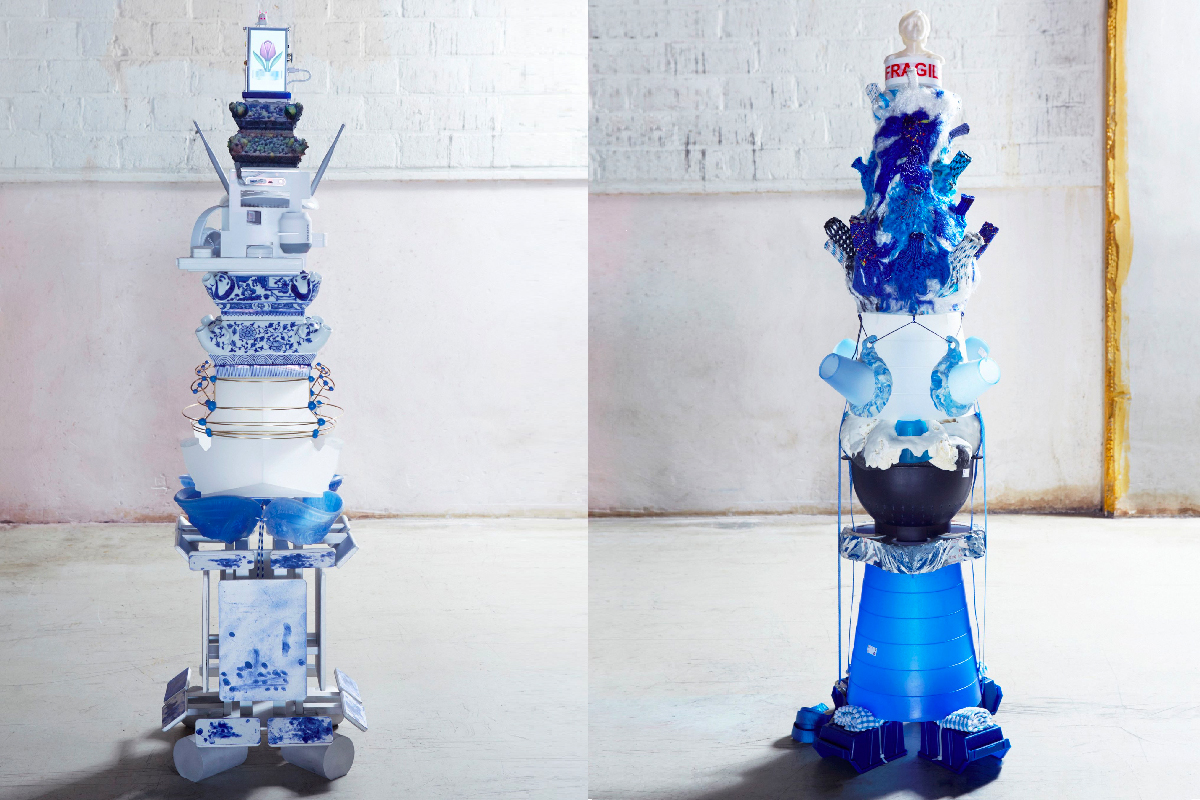
does this mean for the Chinese creative? Is there room for original design in an economy driven by the cheap cost of reproduction? It’s what Design Academy Eindhoven graduate Jing He calls the “Chinese identity crisis”. Her MA project, The Tulip Pyramid in an attempt to unpack some of the complexities of the Chinese creative scene.

Chinese identity crisis

Tulip Pyramid in Frans Hals Museum, Harlem, NL

As a Chinese designer, she is frequently asked whether her work reflects her Chinese identity. She wondered: What dose that mean? What is Chinese design? And in what way does it differ from design made by people with other nationalities? 

Tulip Pyramid, He Jing, 2016

China has undergone fast economic growth in the past 30 years, and the quick changing of life and culture triggered a crisis of identity. Large factories producing counterfeits of ‘original’ designs are in large part responsible for China’s economic growth. She researched the historical, political, economic and cultural reasons behind the phenomenon of copying in China. Considering that the design profession is one of creativity, it should not come as a surprise that Chinese designers are sensitive to the subject of copying;

It supposedly conflicts with the creativity of the profession.As such. Chinese designers are facing the fact that a large amount of counterfeits have been produced in China are left questioning their identity. In a mass-production industry, copying is an important method, thus people need intellectual property laws to protect their investment and profits.

Tulip Pyramid, He Jing, 2016

Think for instance aboutthe ongoing legal and cultural conflict between Joyme and IKEA. Or the Chinese acquisition of the Bauhaus collection, in an attempt to transform ‘Made in China’ to ‘Designed in China’. To understand the significance of copying in China, despite any critical connotation that might arise, herself, as a designer.She try to incorporate this reality in her work.

What is identity for He Jing?

To answer these questions, I started with a general question: What is identity? I think that one’s identity cannot be separated from where and how one is raised . I question the notion of identity in the system of capitalism, where one’s identity probably consists of a collection of products.

Thousands of mass products and advertisements are designed to encourage people to purchase the commodities that match many sorts of designed identities. Thus in design, what does ‘Chinese’ mean? Is it a sort of flavor, taste, style or commercial strategy?

Tulip Pyramid, He Jing, 2016

As China grew to be the world’s second-largest economy, counterfeiting became an important subject. In recent decades, products that are manufactured in China are familiar in daily life all over the world. But ‘Made in China’ also means ‘cheap’ and ‘low-quality’. Added to this is a huge amount of products that have been produced in China without the label of ‘Made in China’. And these are considered ‘fakes’.

But how to define ‘fake’? Is copying always a negative word? Can a designer learn from copies and fakes, while still finding the practice somewhat deplorable? She believes facing the confusion of her cultural background is an important step to assess her identity as an individual designer; a design method may come from the careful observation of the chaos.

Therefore, she believes that one’s identity reflects where and how one grew up, and she wants to learn from the phenomenon of copying in China instead of denying it. She aims for a design method inspired by the practice of copying in Chinese culture. In the last Chapter, she describes her own design proposal where she take copying and being copied as a natural process and create an opportunity to copy the project itself. Although the project is not a famous design that will be copied by others. Copying has already taken place inside this design project: A Tulip Pyramid created and transformed by the practice of copying.

Categories
LAVORATO Museums 在博物馆

Museum | Into the Sanxingdui Museum

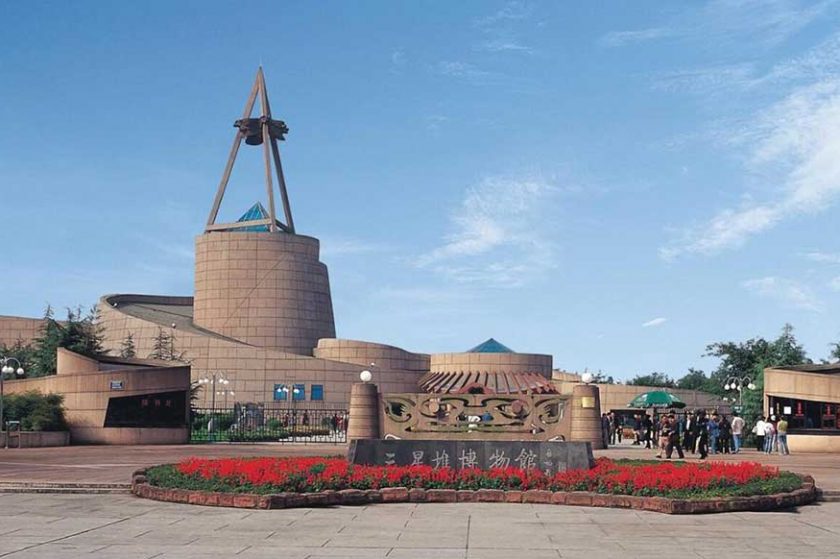
Situated in the northeast of the state-protected Sanxingdui Site by the bank of the Yazi River in Guanghana, Sanxingdui Museum is a modern museum which is 40 kilometers to the north of Chengdu. Covering a total area of 530 yields, in which 11000 square meters serve as the main tableaus for the exhibits, Sanxingdui Museum had its foundation laid in August 1992, and opened to the public in October 1997. Integrating collection, preservation, academic research and social education all in one, the museum showcases kinds of precious cultural relics unearthed at Sanxingdui Site.

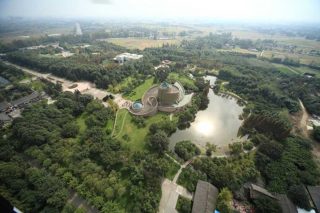
The cultural relics at Sanxingdui are a valuable cultural heritage of humanity, which contains a rich historical, cultural and scientific value, and are considered the most attractive among the multitude of spectacular relics in China. The main building of the museum stands in an attempt to adapt to its profile with the shape of the land, the historical site and the forms of the relics, mixing primitivism with modernism; the surroundings of the museum are arranged in an ingenious layout: a lake and a large lush garden are located in a unique environment with flora in all seasons.

The Sanxingdui site is an ancient city, an ancient state and an ancient Shu culture site in southwest China, which is the largest in the area, the longest in time and the richest cultural connotation. The total area covers 12 square kilometers with a city of 4 square kilometers in the center. Dozens of cultural relics were found in the city, such as the city walls, two sacrificial tombs, foundations of buildings, jade pits and burial grounds, as well as several thousand artifacts. The Sanxingdui site was the capital of the state of Shu about 3,000 years ago. In January 1988, the Council of State designated the Sanxingdui site as one of the most important cultural heritage units under national protection.

The structure of the Sanxingdui museum consists of two galleries. Gallery one represents an arc-sloped ecological building, emphasizing the theme that human world and nature are in perfect harmony. Gallery two is spiral architecture, symbolizing both Three-star Mounds and the course of human history development. In gallery one comprehensively displays gold, bronze, jade and pottery artifacts and great achievement in every aspect. In gallery two, specialized bronze gallery, through successively combination of scenes introduce group of bronze images and mysterious sculptures.

Sanxingdui Museum – Exhibition hall

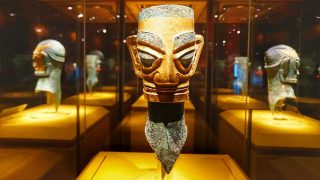
The first gallery is divided into six sections to show the precious items of gold, bronze, jade, stone, ceramics, ivory, shells, excavated from the Sanxingdui site to introduce remarkable success in each domain, the outline of the story and the vital state of ancient Shu. For example, you can admire the oldest golden rod in the world dating back to 4000 BC and the 396 cm tall bronze tree which is the largest bronze tree found so far in China. The second section, large collections of bronze objects are exhibited, such as bronze works in the shape of the sun, snakes, altars, a group of small figures who make sacrifices and some plausible figures such as the bronze figure with a human head wearing a mask. gold, one of the “not to be lost” relics.

VISIT

Address: Sanxingdui Historic Relics 618300,Guanghan Sichuan China

Opening Hours: 8:30 – 18:00 (Exhibition Hall I); 8:30 – 18:30 (Exhibition Hall II). Ticket time: 8:30 – 17:00

CONTACTS

Telephone: 0838-5500349

Website: http://sxd.cn/en/

Credits:

http://sxd.cn/en/
https://www.travelchinaguide.com/attraction/sichuan/chengdu/sanxingdui.htm
https://www.chinahighlights.com/chengdu/attraction/sanxingdui-museum-in-guanghan.htm

Photo credits:

http://www.waclighting.com/project/sanxingdui-museum
https://www.chinadiscovery.com/chengdu-tours/sanxingdui.html
https://windhorsetour.com/blog/sanxingdui-museum-true-archaeological-wonder