Categories
在博物馆 传统 典藏故事 古代

Dougong Museum | Pagoda of Fogong Temple: The World’s Three Greatest Towers

The Sakyamuni Pagoda of Fogong Temple is the world’s oldest, best-preserved and tallest surviving pure wooden structure in the pavilion style. It is also known as the “Dougong Museum”.

In November 2012, The Sakyamuni Pagoda of Fogong Temple was included in the preparatory list of China’s World Heritage Sites. With the Leaning Tower of Pisa, Italy, the Eiffel Tower in Paris and called the world’s three major towers.
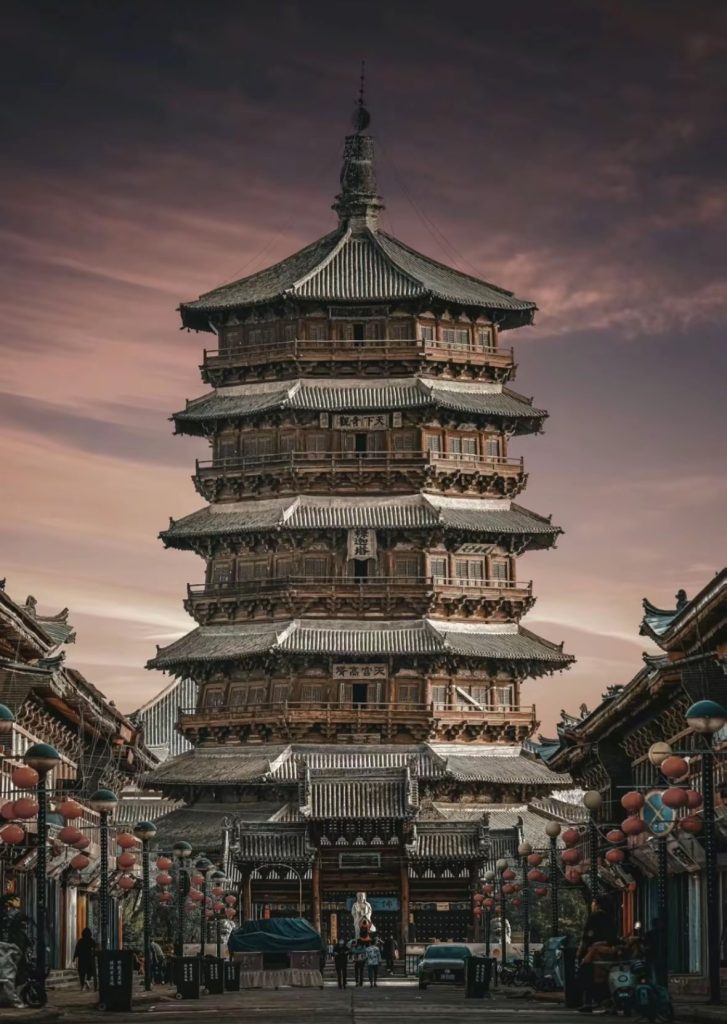
pagoda

The total height of the Shakyamuni Pagoda 65.838 metres, the plane is octagonal, three rooms on each side.

Pagoda has a total of five layers of bright layer, four layers of dark layer. That is to say, if visitors from the outside look at the bright surface is visible as five layers, while the actual number of layers can be counted inside is nine.

The entire pagoda is constructed of wood and mortise and tenon joinery, a traditional Chinese wood craft.
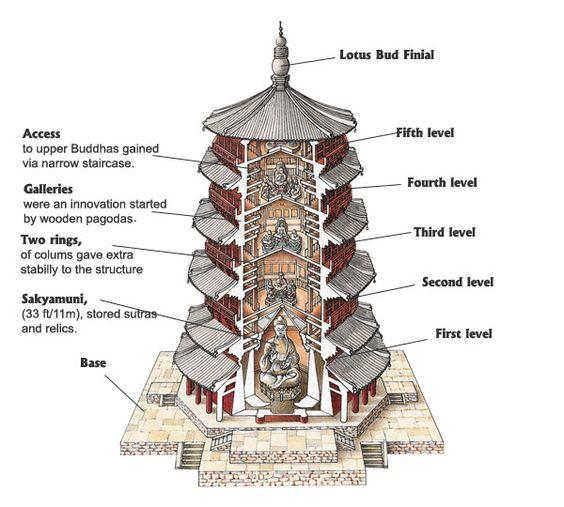
Diagram of the internal structure of the padoga

Craftsmanship of Sakyamuni Pagoda

Sakyamuni Pagoda was built as a purely wooden pavilion-style pagoda. Its architectural design inherited after the Han and Tang dynasties(202 B.C. to 907 A.D.), rich in national characteristics of the heavy building form.

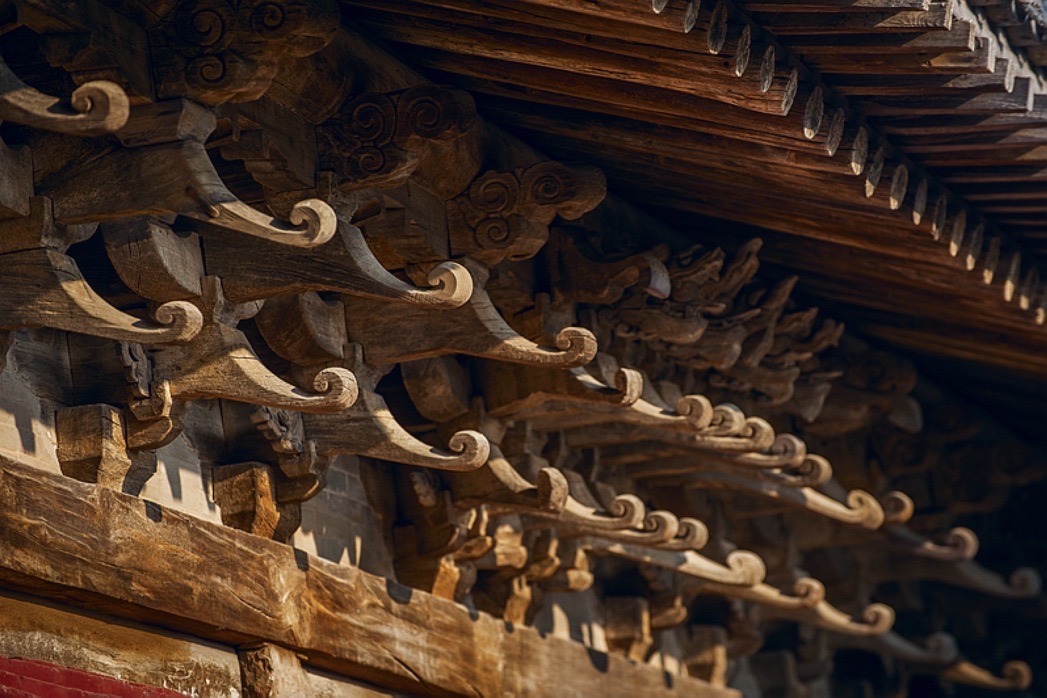
At the same time, it makes full use of the traditional ancient techniques and uses a large number of dougong structures. The whole pagoda has 54 kinds of Dougong, and each dougong has different combinations of forms. Each layer forms an octagonal hollow structural layer.

Dougong (a system of brackets inserted between the top of a column and a crossbeam) is one of the moset important characteristics in traditional Chinese architecture.
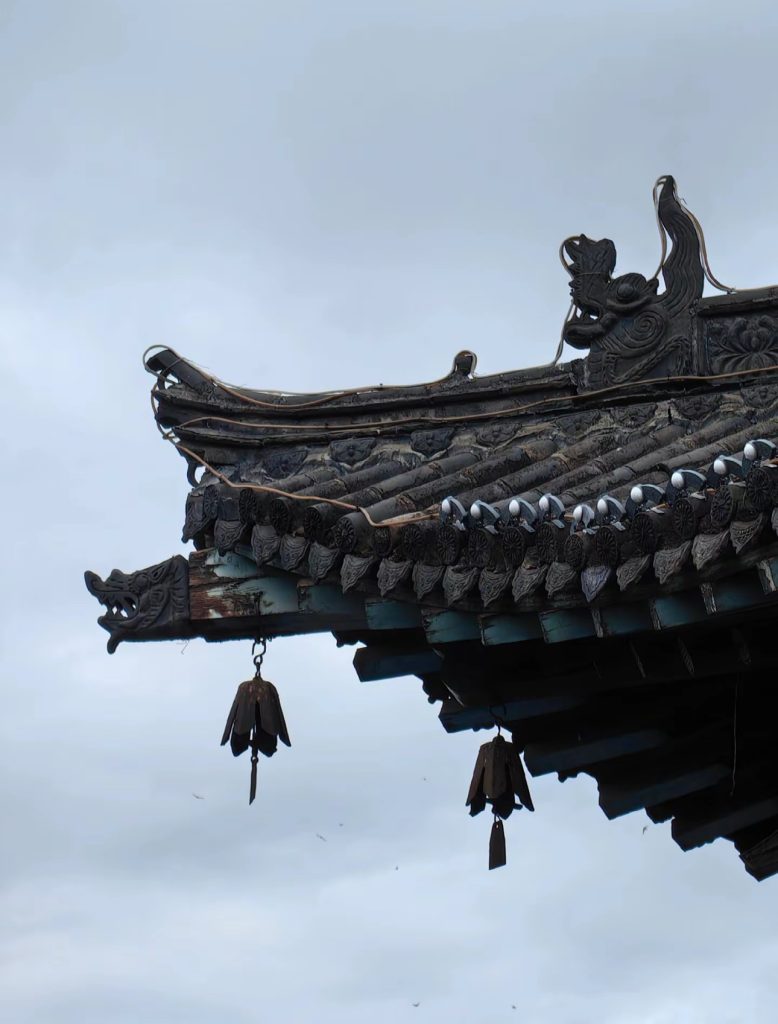
dougong

The design of Shakyamuni Pagoda is so precise that it has the reputation of being a masterpiece of craftsmanship. Overall, the Sakyamuni Pagoda manages to incorporate both traditional Chinese ethnic features and Buddhist religious culture.

Traditional Chinese Wooden Building Technology–Mortise and Tenon

Firstly, Mortise and tenon is the joining structure of Chinese woodwork. The protruding part is the tenon and the recessed part is the mortise. The tenon and the mortise connect closely with each other to get a stable structure.

Further, Mortise and tenon is one of the essential skills of Chinese carpenters, usually for making ancient furniture or constructing ancient buildings. The mortise and tenon joints do not use nails or glue for a tight and seamless fit.
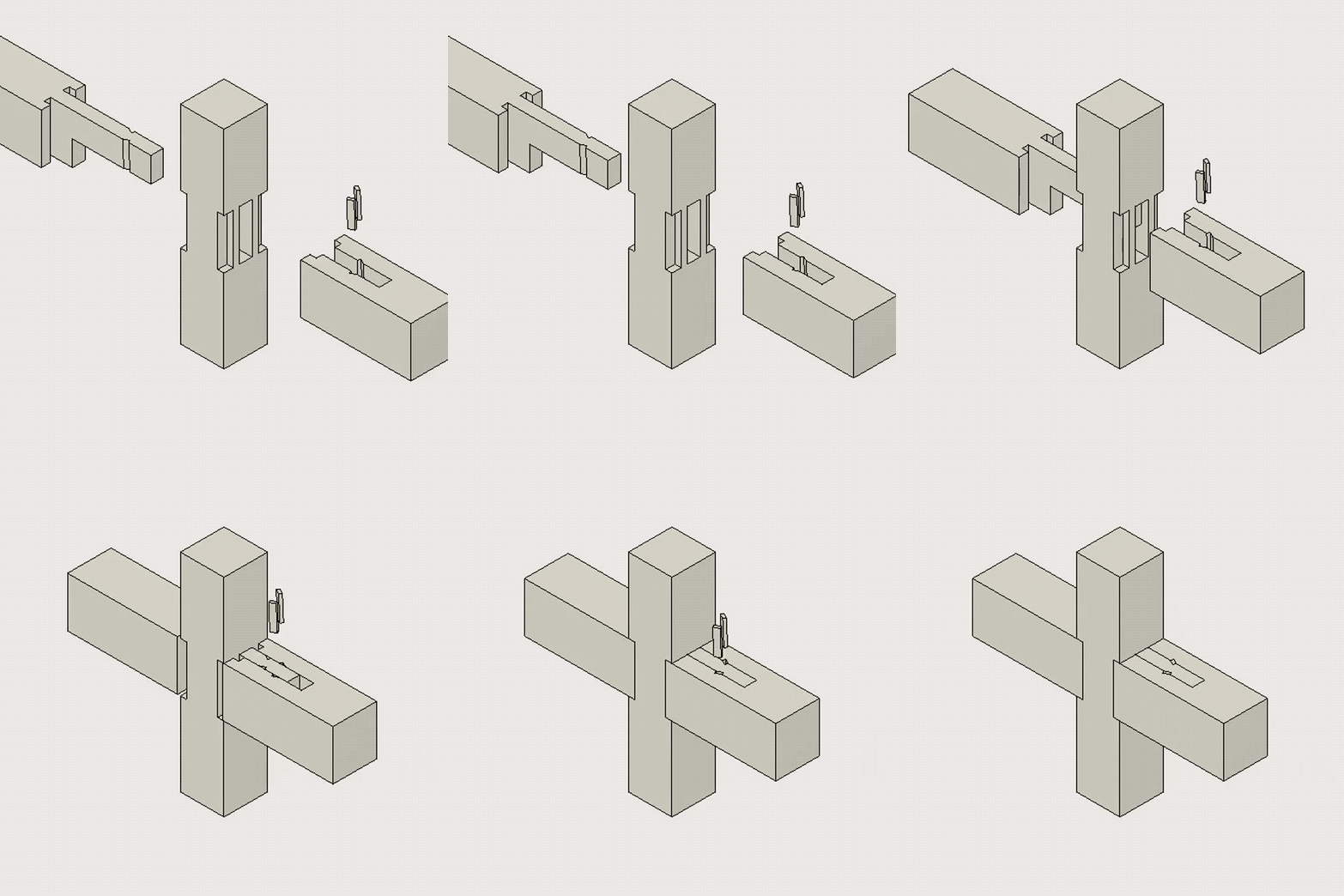
gif of mortise and tenon
Mortise and Tenon

Above all, this is one of the most prominent features of the Sakyamuni Pagoda.

Sakyamuni Pagoda and its cultural heritage

There are 26 statues of Buddha in the Shakyamuni Pagoda. The murals inside the pagoda are all painted, totalling about 646 square metres. A total of 51 plaques and couplets were found in the compartments of the pagoda.

In addition, 160 pieces of cultural relics from the Liao Dynasty (907-1125) were found, including Buddhist scriptures inside the statues, relics of the Buddha’s teeth and statues of the Buddha.
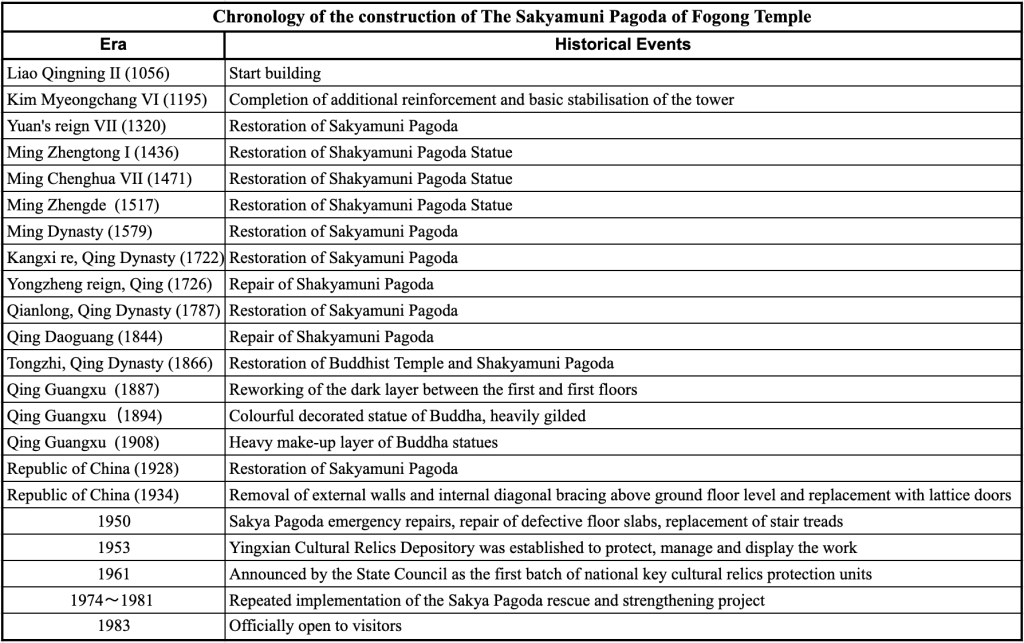
Chronology of the construction of the pagoda

Besides the Liao Dynasty cultural heritage found in the pagoda, there are many and then later generations of repair process added a variety of ancillary cultural relics.

For example, the Ming Wanli years (1579) placed in the tower on the south side of the iron building. Ming Dynasty (1622) built in the bell tower of the iron bell. As well as a pair of iron lions and stone lions built in the Ming Dynasty.

Sakyamuni Pagoda is located in the temple compound of Fogong Temple in Ying County, Shuozhou, Shanxi. There are eight historical sites present in the temple:

  • a wooden pagoda respectively.
  • a bell tower located in front of the Sakyamuni Pagoda and a drum tower.
  • The Sakyamuni Pagoda.
  • The main hall, the Mahamudra Temple.
  • The two ear rooms distributed on the left and right beside the hall.
  • And between the hall and the tower of a pagoda gatehouse.
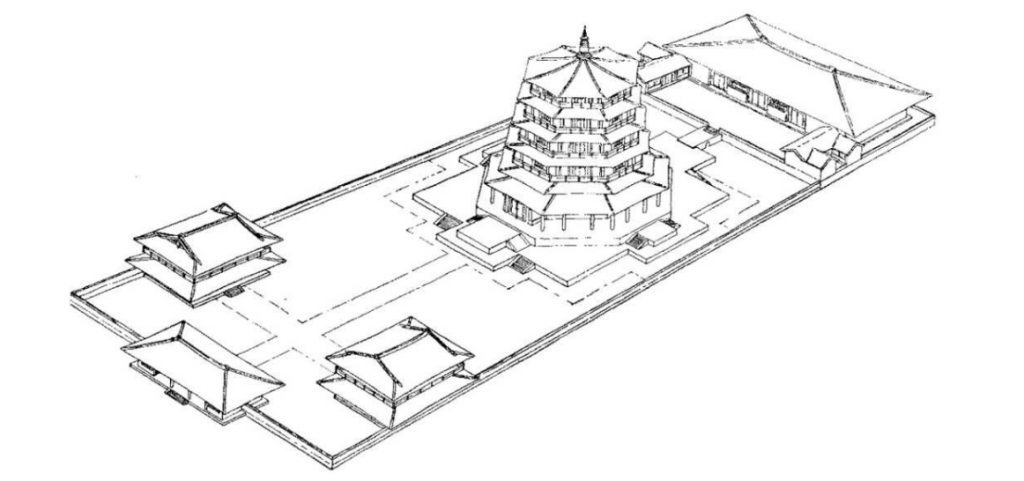
Rendering of the sakyamuni pagoda site
Photo from 《应县木塔》, Chen Mingda

The Discovery of Sakyamuni Pagoda

The pagoda has survived more than 40 earthquakes and more than 200 shellings during the war and is still standing for 1,000 years.

However, the pagoda’s structure has been subjected to a long period of natural environmental aggression and the aging of its components, resulting in the present-day deformation of the pagoda’s structure.

Liang Shih-cheng was a Chinese architectural historian, architect and urban planner.

He devoted his life to the preservation of ancient Chinese architecture and cultural heritage. Likewise, he is the discoverer of the fact that the Sakyamuni Pagoda of Fogong Temple was built in modern times.
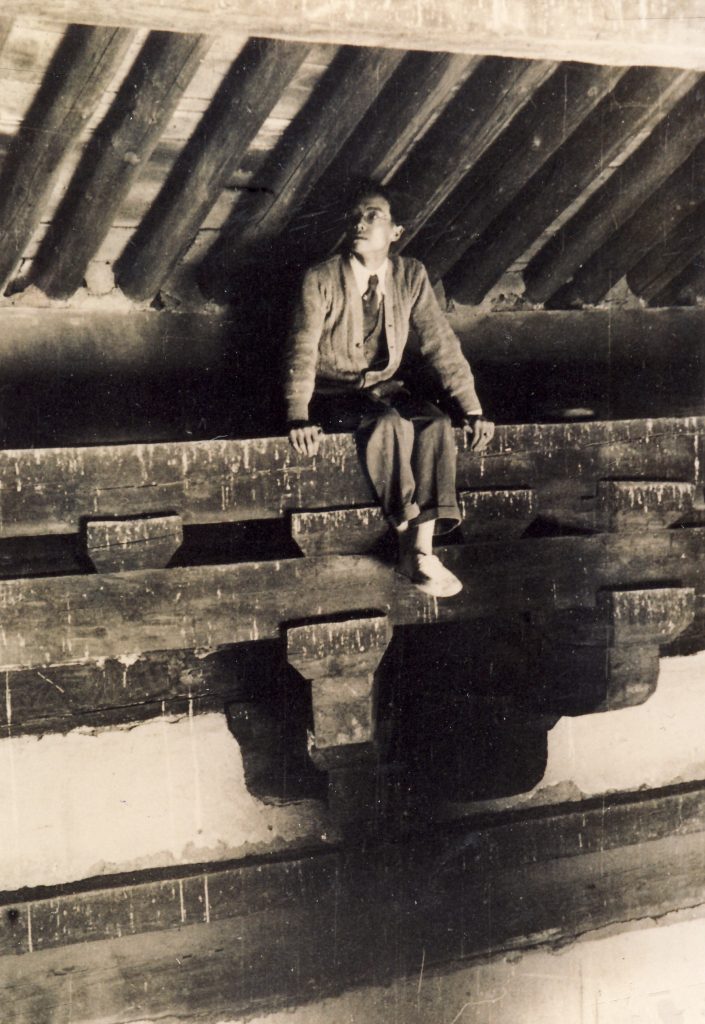
Liang Shih-cheng with the pagoda

Some people have commented that“If Liang Shih-cheng hadn’t found a construction–the Sakyamuni Pagoda in Yingxian County in the 1930s. people couldn’t have understood the content of Yingzao Fashi.”

The ‘Yingzao Fashi’ is China’s first official work detailing the practice of architectural engineering, which clearly records some of the design constructions in the Sakyamuni Pagoda.

In 1932, Liang Shih-cheng came across an archaeological report written by a Japanese scholar about northern China. In this report, this wooden pagoda built in the 11th century was explicitly mentioned.
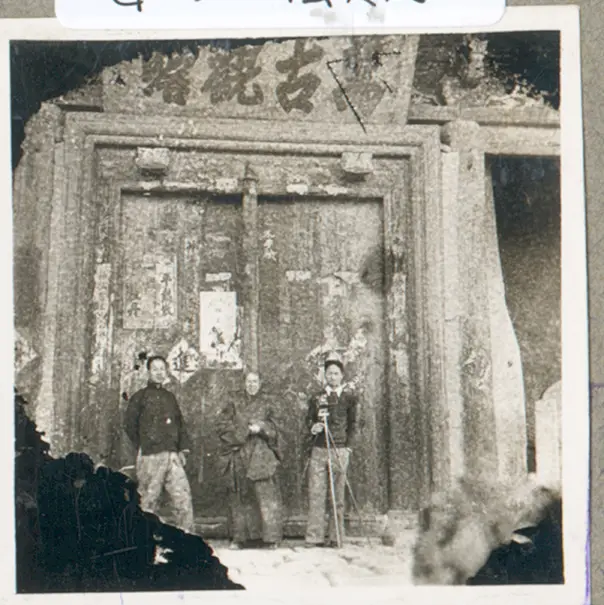
Liang Shih-cheng‘s friend

Thus, based on Liang Sicheng’s search for ancient architecture and his preparation for the compilation of the ‘Notes on Yingzao Fashi’. So there will be the next for the Sakyamuni Pagoda investigation.

After a long period of investigation by Liang Shih-cheng and his friends.To clarify, the most recent hand-drawn drawing of the Sakyamuni Pagoda dates from 1935.
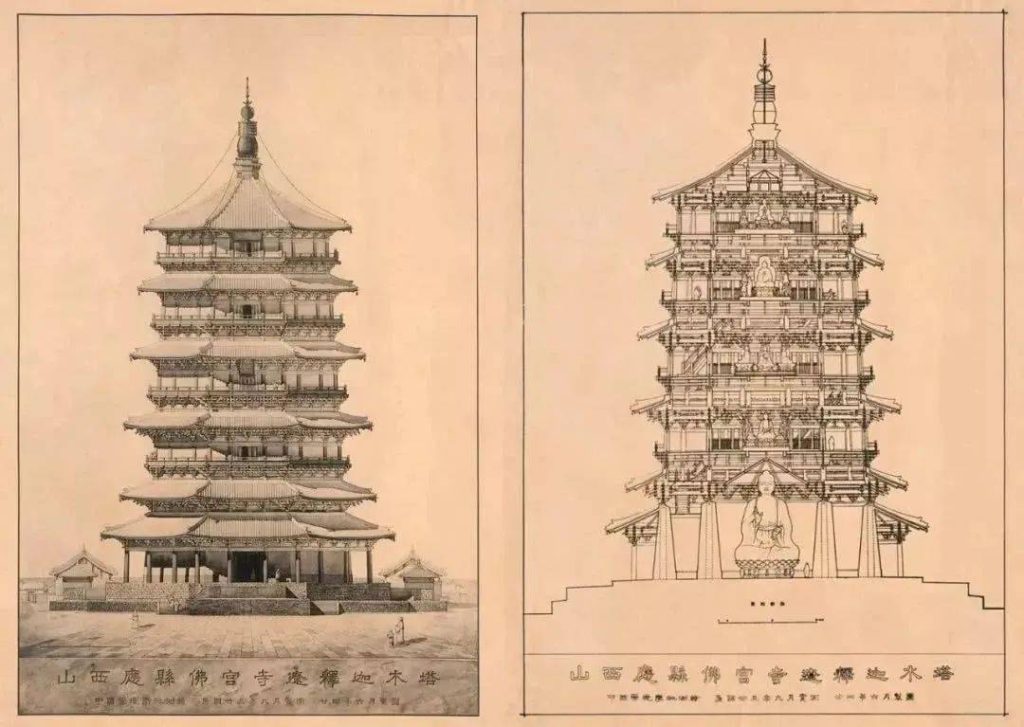
Hand-drawing of Sakyamuni Pagoda by Liang Shih-cheng

This hand-drawing and the content of the investigation for the present for the study of the Shijia Pagoda is of great significance.

Sources

Liu Yan, A Translation Report on Sakyamuni Pagoda, Fogong Temple

Huang Xiaoshu, Study on Integrated Conservation of The Sakya Pagoda of Fogong Temple in Yingxian,Shanxi Province

Image source National Geographic China

Chen Mingda, Yingxian Muta

Other image source Internet and thesis
Categories
Contemporary

Contemporary | Lin Yilin through performance

Biography

Born in Guangzhou in 1964, Guangdong Province, China, Lin Yilin studied sculpture at the Guangzhou Academy of Fine Arts, graduating in 1987. Lin Yilin through performance found his way to think about present.

His poetics are expressed through urban interventions and site specific performances. It draws on China’s socio-economic conditions, political landscape and cultural experiences; reinvents the relationships between communities and environments in a globalized context.

Lin Yilin through performance uses his experiences as an immigrant to the United States as a starting point for many of his works.

Lin Yilin during a performance

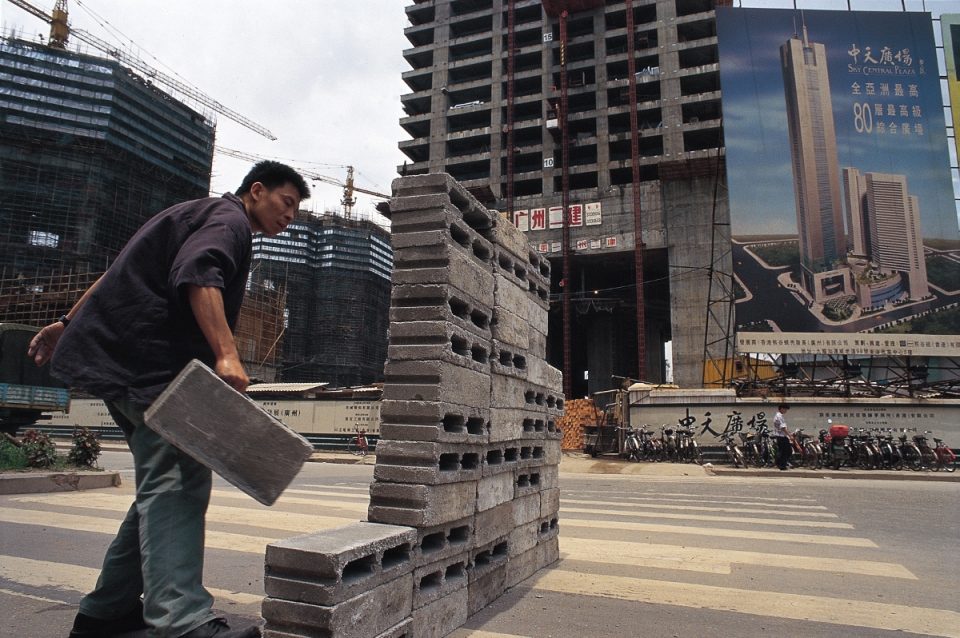
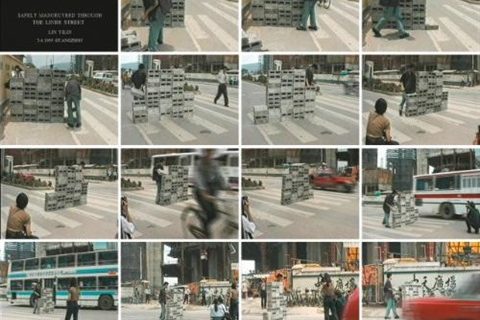
Safely Manuevering across Linhe Road

Lin became known for his installations made with stackable bricks inserted in an urban context, thanks also to his involvement in the Big Tail Elephant Working Group, which founded in 1990 was fundamental for a reflection on the state of China’s urban development. Lin’s best-known work is in fact “Safely Manuevering across Linhe Road” (1995), where the artist moved a pile of bricks across a main road in Guangzhou for ninety minutes. He built a brick wall on the side of the road and then removed it row by row and reassembled it in the middle of the street. Repeating the same gesture, he brought the wall across the street. This performance turned a stable wall into a moving wall and also stopped heavy traffic.

safely manuering
Lin Yilin performing “Safely Maneuvering across Line Road”

Symbolically, the brick for Lin is linked to architectural construction and destruction, it also indicates urbanization and social transformation. The artist intervened on a public site with his body and represented the rapid urbanization which we easily forget despite being very evident.


For other contemporary artists: Contemporary

From:

Apersonaldiary

Guggenheim

Artsy

Categories
Contemporary 对话

Contemporary | Chen Ke sad girl

Chen Ke is born in 1978 in Tonjiang, China’s Sichuan province. She’s graduated from the Sichuan Academy of Fine Arts, where artists had many opportunities to explore their emotions and instincts. 
This free environment, alongside cartoons, fairy tales and comics, helped her to build her identity as an artist.
After participating in numerous national and international exhibitions, she worked on a variety of media, including painting, sculpture and fashion design.
Chen Ke is recognized as the most representative artist of the New Generation of Cartoon of China.

Background

Various images of little girls, representing the core of human nature, flow like a thread through the works of Chen Ke.
Although references to the art of comics are evident, when one analyzes her works in more detail, they become visible elements of style of Western masters such as Caspar David Friedrich, as well as the influence of traditional Chinese paintings, creating an exciting tension. 
Being eager to experience Chen Ke often surprises her viewers. Not only does she produce her own paper, she embroiders canvases with beads, but she also applies oil paint to stretch cotton fabrics that are popular in her childhood days.

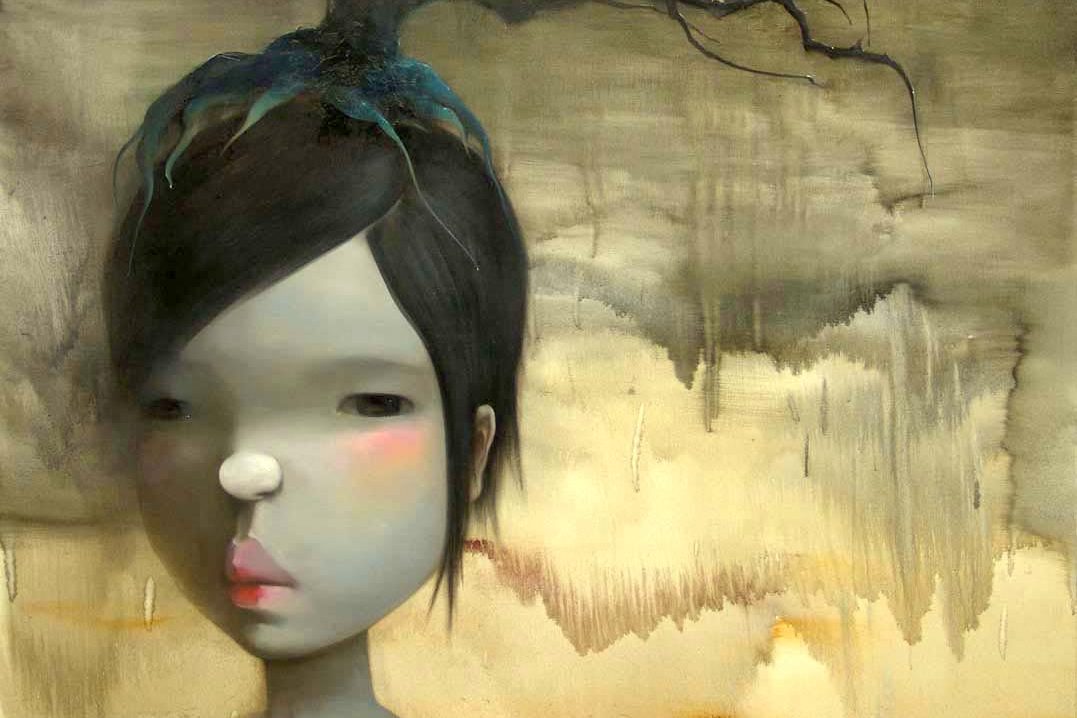
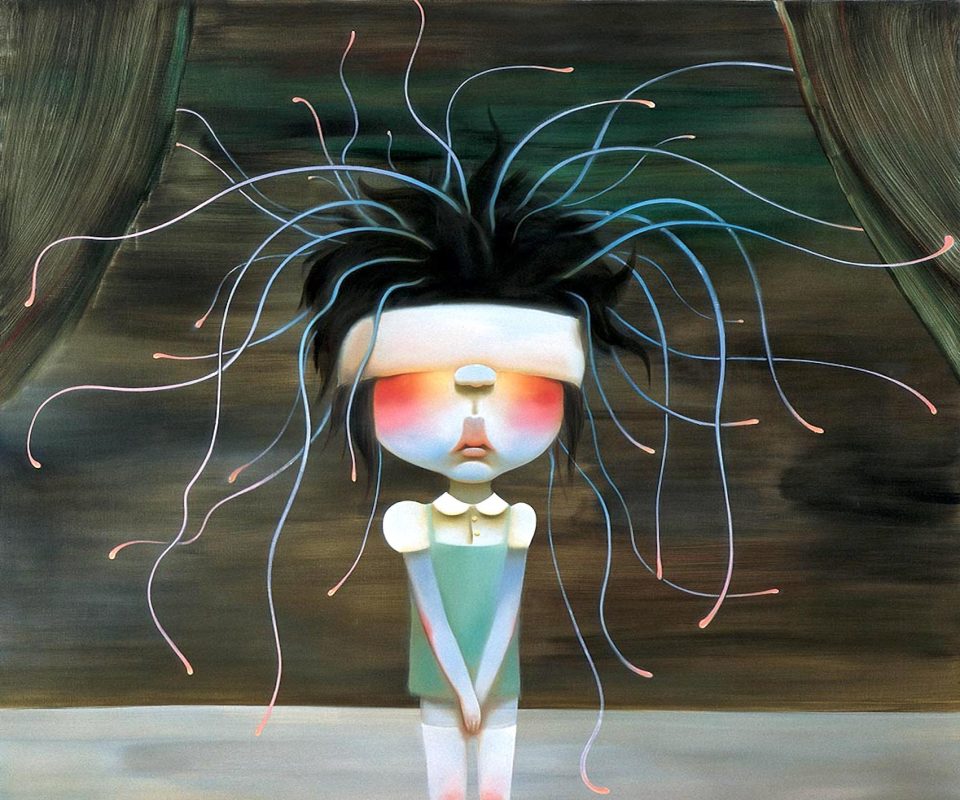
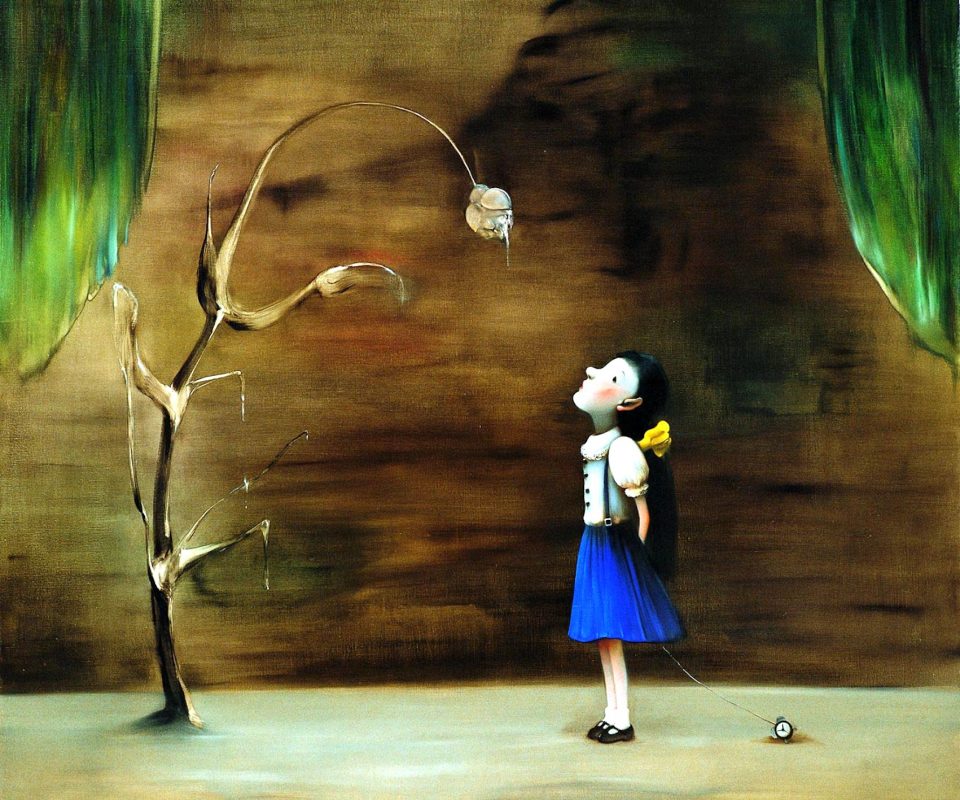
Chen Ke sad girl

Chen Ke is considered the most representative artist of the new generation of Chinese artists. Her melancholic paintings, which express the loneliness of growing up as an only child, show digital images made of bright and colorful light from her kaleidoscopic and dazzling imagination.
That’s why the artist says: “My characters are somewhat sad, isolated and powerless and this is exactly how I feel sometimes. My art is as real as my spirit.”As classical artworks of Chen Ke, almost every piece of work shows a little girl with a round nose, who is lost in depression, limited to herself, living in an unreal space, and seems to keep a distance from the human world.

Chen Ke
Like porcelain paintings

Usually, the sad girl takes up the center of the whole artwork. With the full expression of the blank as well as the grain like porcelain paintings, the artist fully shows the opposition of the reality. A reality that buries the audience in the waves of the sense of unknown sadness. The sad girl seems to be jumping between the virtual world and the reality, which makes the audience lost in the endless loneliness and long distraction.

Chen Ke
Chen Ke and Beijing

In her first two years in Beijing, she felt lonely and what she could do was to paint and put her moods into the painting. She believed this is the reason why many people think that the girl in her painting was actually her self. And the girl in her painting grew up with the growth of the artist. She believed her art appeared from her daily life, so she hoped art could enter the daily lives of people. 

Chen Ke and Fashion

She thought fashion and art have no differences at the top point. She has cooperated with many fashion brands. In 2008, Fendi invited Chen Ke to join the Fendi special handbags Baguette Anniversary commemorative edition series; she designed a handbag for the series. In 2014, Chen Ke designed for the Vogue FNO series to celebrate the ninth anniversary of Vogue magazine.

Chen Ke

Fonti:
Artsy
Wikipedia
Perrotin

Categories
Contemporary

Contemporary | Cao Fei a new media artist

Who’s?

Cao Fei, daughter of a famous Chinese sculptor, was born in 1978 in Guangzhou, China. She currently lives and works in Beijing.
She is one of the most innovative young Chinese artists on the international scene. In his installations and videos, Cao Fei investigates the expectations and dreams of the young Chinese generations. Cao’s works are an outlet for invention, but behind her playful jokes lies an uncertain world of unfulfilled desires.

Combining popular aesthetics with a documentary vision and references to surrealism, in his works Cao Fei moves strong social criticism, reflecting on the inconsistencies and hopes of his country. He uses photography, video and digital media in innovative ways to expose the dramatic changes in his daily environment – since 1992 – and in his high economic growth, urban development and the rapid globalization of China focused on its native region of the Pearl River Delta.

Biennali and triennali

Cao Fei’s works have been exhibited in several international biennials and triennials, including the Shanghai Biennial (2004), the Moscow Biennial (2005), the Taipei Biennial (2006). And the 15th and the 17th Sydney Biennial (2006 and 2010), the Istanbul Biennial ( 2007), Yokohama Triennale (2008) and 50a, 52a and 56a Biennale di Venezia (2003, 2007 and 2015) where he presented the work “La Town”.

Cao Fei
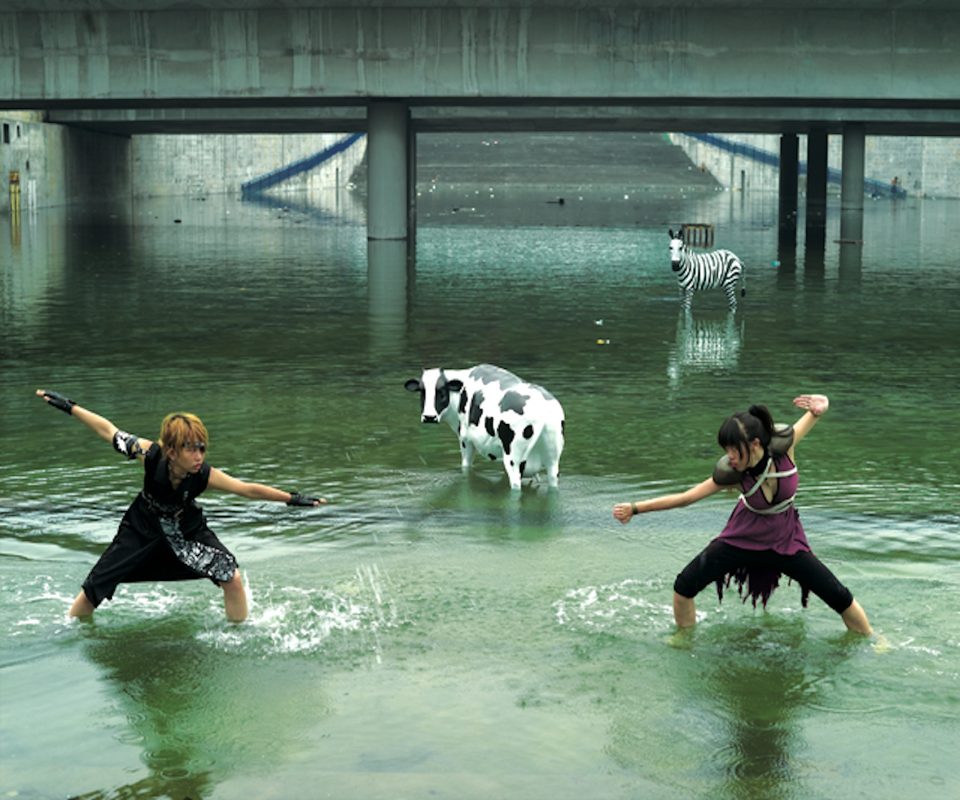
“COSplayers”, 2004
Cao Fei

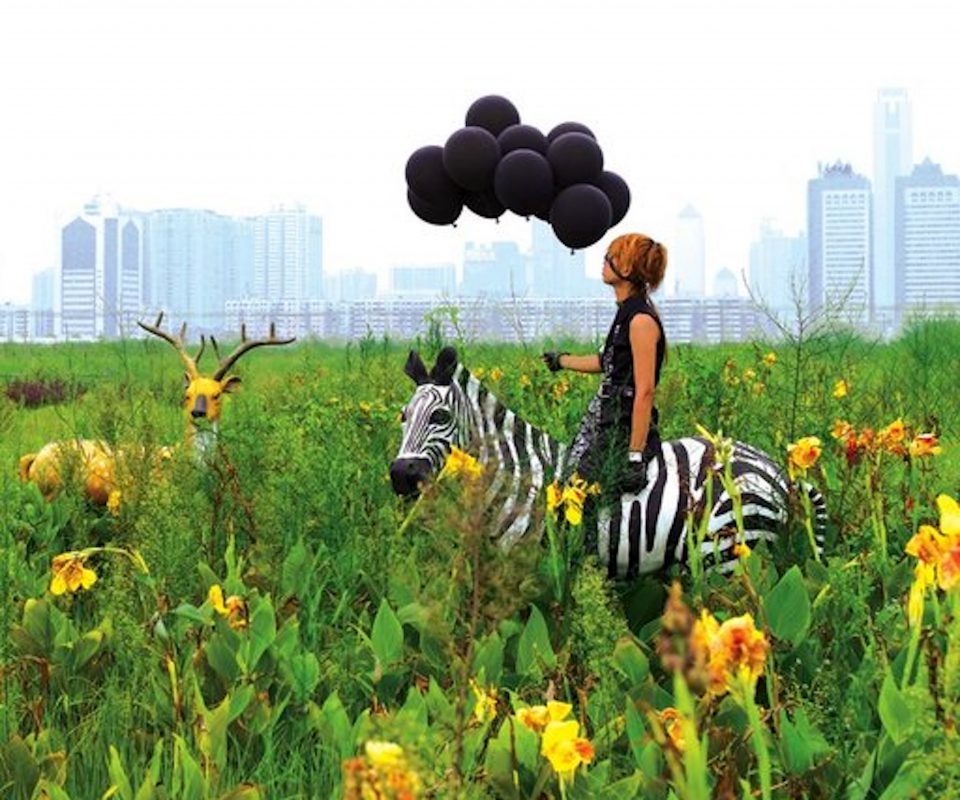
His fascination with local youth subcultures during his training period is reflected in his early photographic and video works.
In “Cosplayers” he explored the alienation and escape tried by young disaffected and displaced people. Who expressed themselves as fantastic game characters. The interaction between the virtual world and the real one, utopia and dystopia. Body and technology remained important themes for the artis

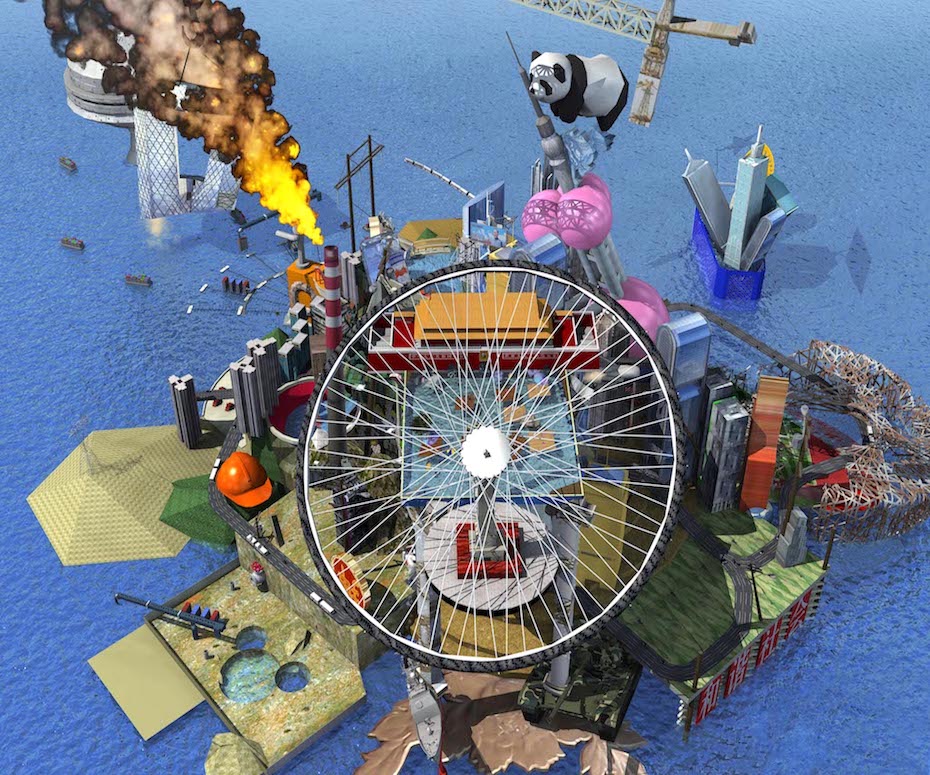
RMB City 2007

Fascinated by the potential of the virtual world, not only as a strategy of escape from reality. A virtual world that is as a real tool of online urbanization, Cao Fei founded RMB City. Using the famous computer platform Second Life Cao Fei realize her avatar China Tracy. The alter ego of the artist: Sexy, feminine, with dark hair and Sailor Moon style has given shape to a virtual art community. Lives and operates in an environment that embodies the unique characteristics of Chinese cities.

Cao Fei

RMB City states Manifesto: “New orders are born, so they are new, strange wisdom” 1-A statement appropriate to the ‘setting of the work, the virtual platform Second Life, in which users, through their chosen avatars, can buy and exchange objects, build urban structures and interact with other avatars in an artificial utopia that is also part of the apocalypse.

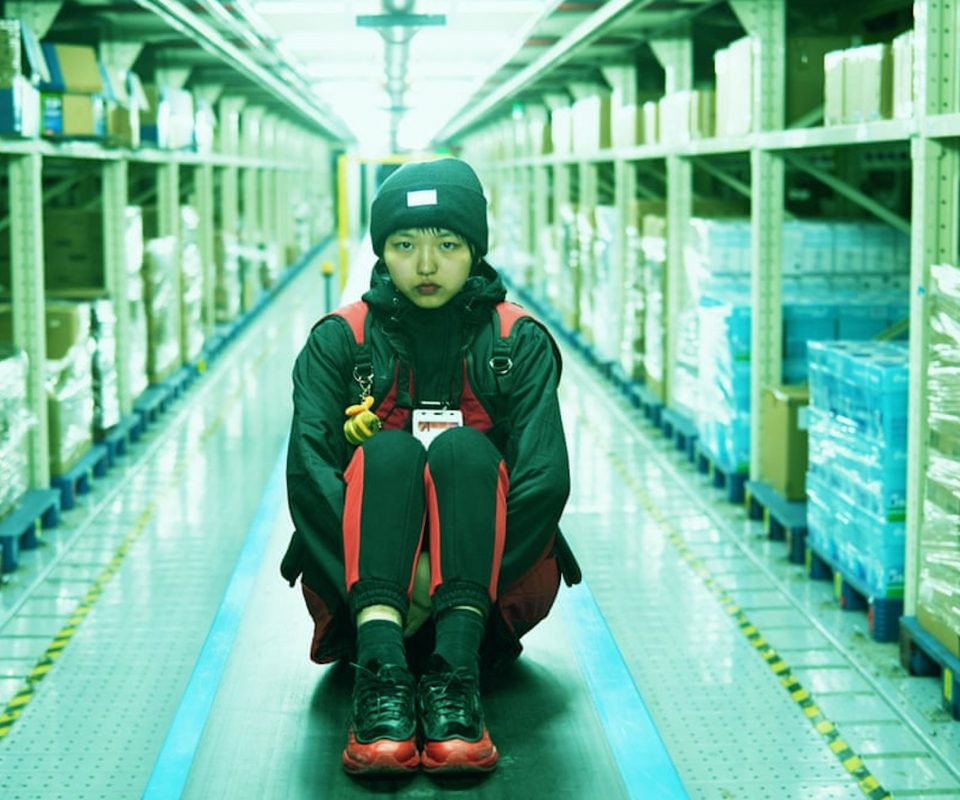
“Asia One”, 2018

Cao Fei says «Technology has developed beyond imagination»
For “Asia One” commissioned by the Guggenheim Museum, Cao visited some of China’s most advanced industrial facilities. Including the world’s first fully automated sorting center in Kunshan, in Jiangsu Province. For this project, a hyperreal vision of the near future shifted its focus from the present to our collective future by examining the effect of technology on human relationships.

Cao Fei
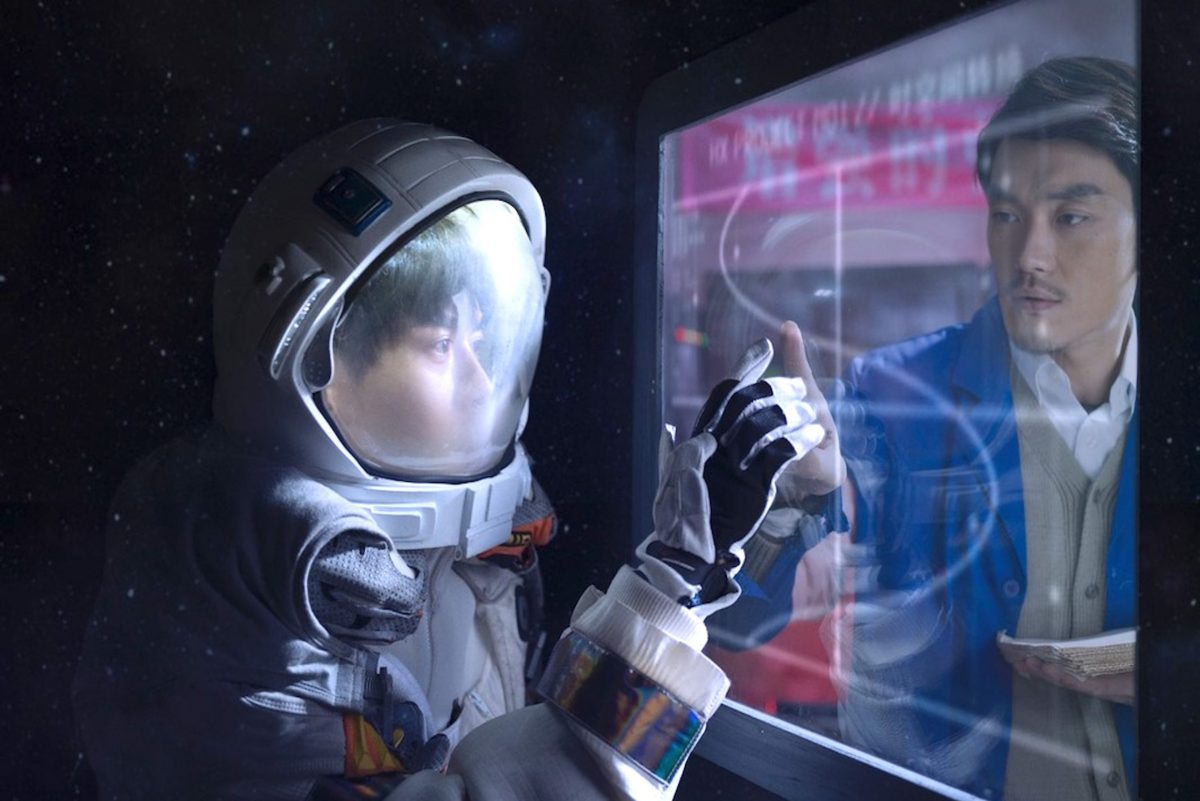
“Nova”, 2019

On the occasion of her solo exhibition Blueprints, at the Serpentine Galleries, Chinese artist Cao Fei has produced two new limited edition artworks. 
The two limited editions Nova 15a and Nova 18a are two film stills from Cao Fei’s HX’ research project. The film tells the story of a computer scientist working on a secret international project that attempts to turn humans into digital mediums.

Cao Fei

A failed attempt to use his son as a test case results in the young man becoming lost in cyberspace, a spectre haunting the past, present and future worlds that continuously interact and overlap throughout the film. By mining the history of her immediate context, Cao Fei takes us on a ‘retro-futurist’ journey that goes beyond chronological time and hovers between reality and fantasy. 

Fonti:
Palazzo Grassi
Portfolio
Guggenheim