Categories
在博物馆 人物 传统 典藏故事 古代 艺术家

Palace Museum | Nymph of the Luo River

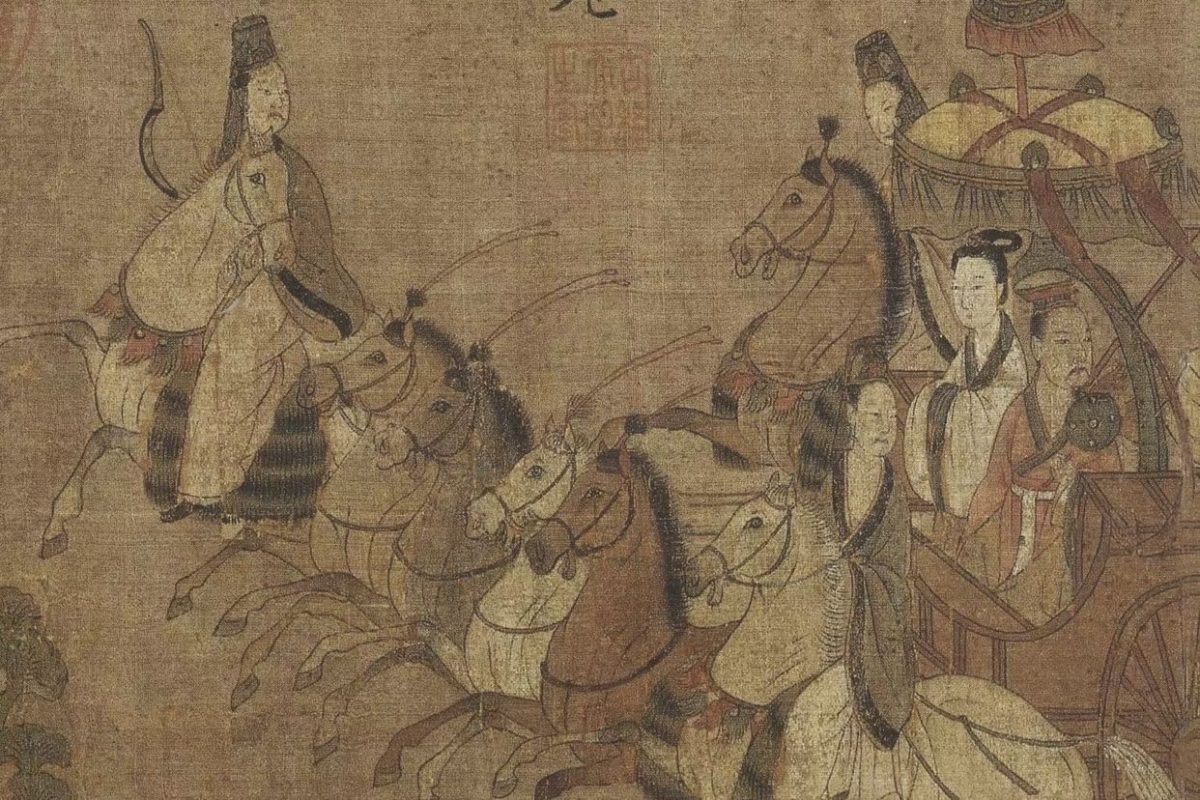
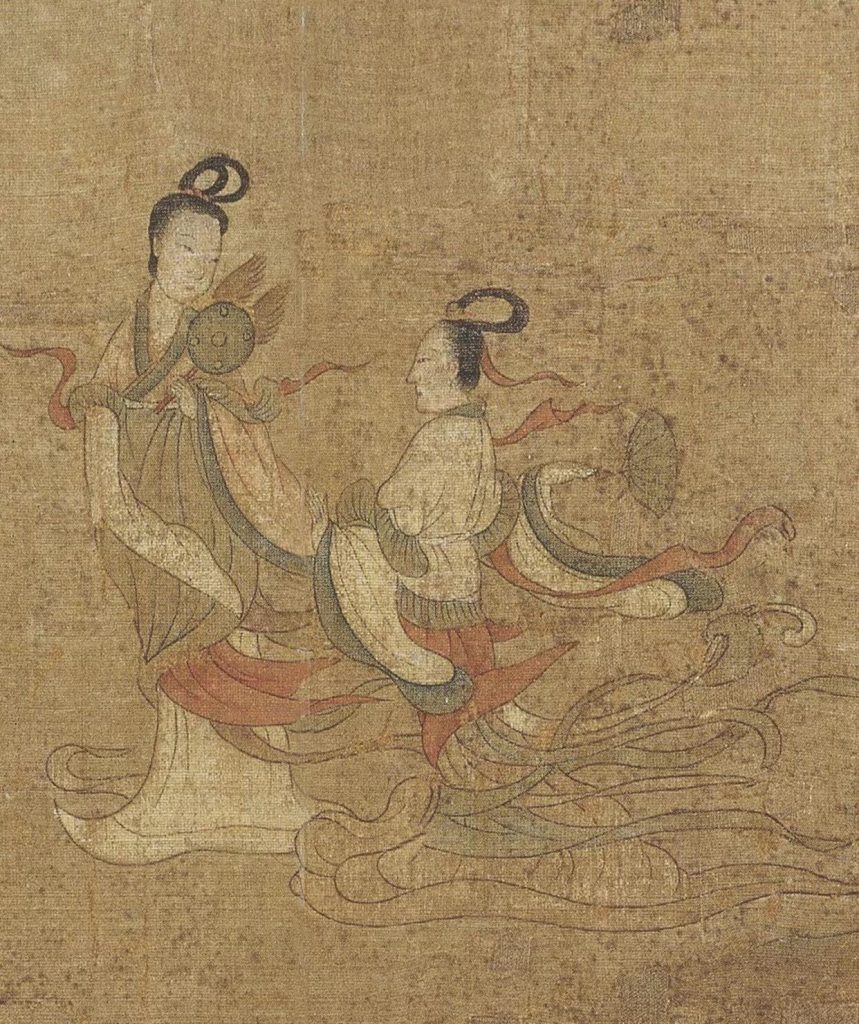
The painting Nymph of the Luo River is a work of Gu Kaizhi, a famous painter of the Eastern Jin Dynasty. Gu Kaizhi painted it after reading Cao Zhi’s poetry Nymph of the Luo River. This painting is one of the treasures of classical Chinese painting in terms of its content, artistic structure, character modelling and other methods of expression. The painting now in the National Palace Museum is a copy of Gu Kaizhi’s Nymph of the Luo River by a Song dynasty artist.
a part of Nymph of the Luo River
Palace museum
Gu Kaizhi

Introduction to the painting Nymph of the Luo River

Creative Background

Legend has it that Cao Zhi is the author of the poetry Nymph of the Luo River. He fell in love with Zhen Yi’s daughter when he was young. But Zhen Yi’s daughter was later forced to marry Cao Zhi’s brother. She died after giving birth to a son. Cao Zhi wrote poetry Nymph of the Luo River as a memorial after her death. Gu Kaizhi was so moved by this story, he painted a picture of Nymph of the Luo River.
a part of Nymph of the Luo River
Palace museum
Gu Kaizhi

Figures

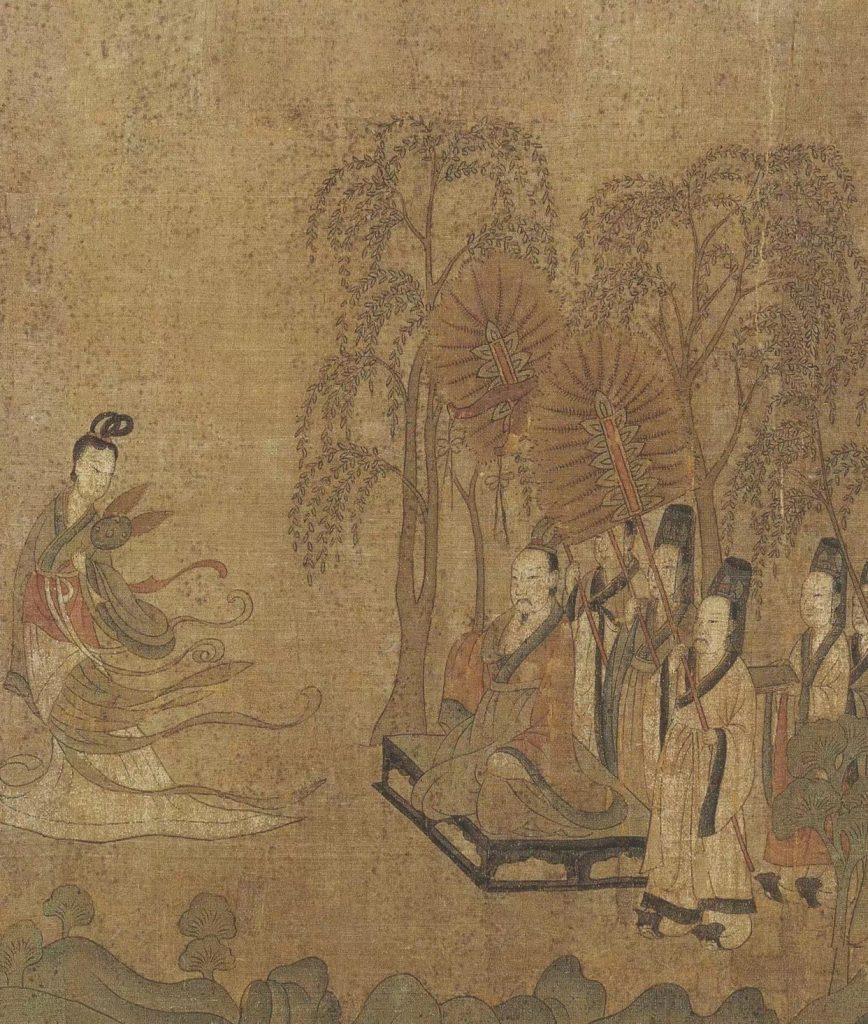
The main characters of this painting are Cao Zhi and Nymph. Cao Zhi, standing on the shore, has a stagnant expression, and his eyes are gazing at Nymph who stands on the water, very fascinated. Nymph, with her hair in a high bun and her clothes blown up by the wind, has a feeling of floating from the heavenly realm, and she wants to go but still stays, with a look of admiration between her eyes. Throughout the scroll, Gu Kaizhi repeatedly arranges for Cao Zhi to meet with Nymph, but even though she falls in love with Cao Zhi, Nymph eventually has to leave, leaving Cao Zhi standing on the shore, pining for her all day long, and ultimately departing in despair.
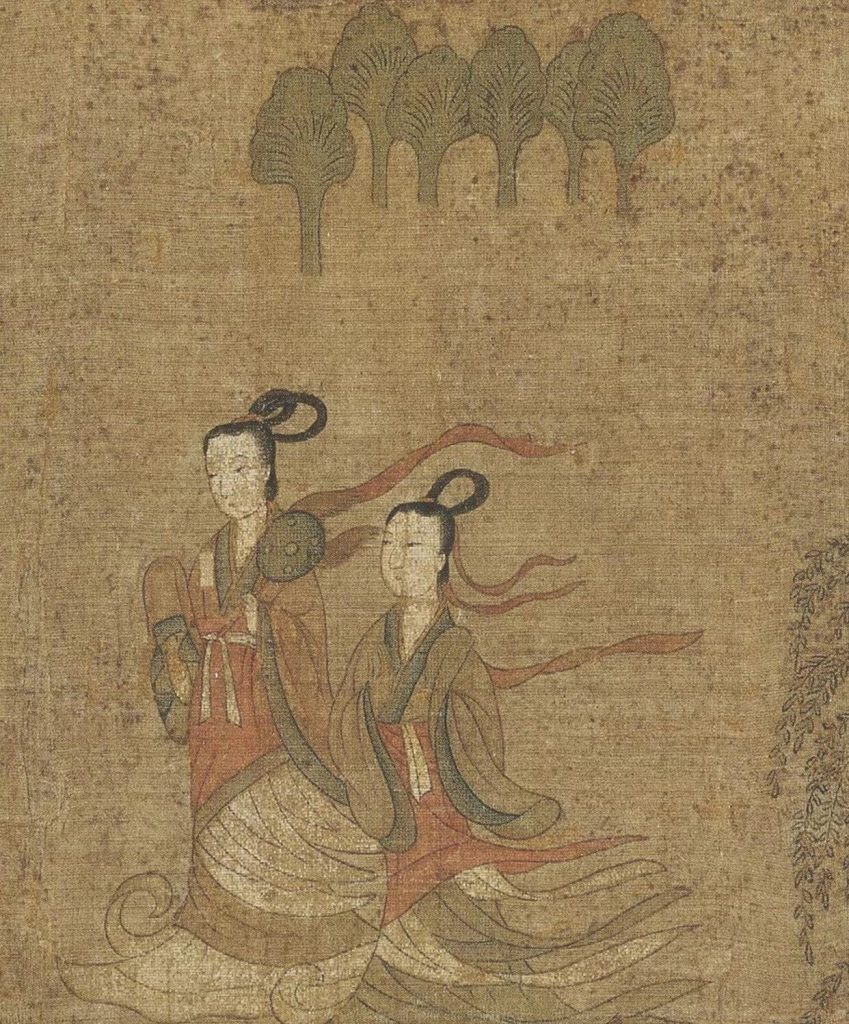
a part of Nymph of the Luo River
Palace museum
Gu Kaizhi

When Gu Kaizhi was portraying the characters, he deliberately handled Cao Zhi’s attendants in a dull manner, thus showing Cao Zhi’s excitement. What the audience sees at this point is Cao Zhi’s concentration and excitement, which is difficult to express in words. This is in line with Gu Kaizhi’s artistic philosophy. He believed that one should not only portray the character’s appearance, but also the character’s inner personality. This viewpoint had a great influence on the development of Chinese painting in the later period. It laid the foundation for the pursuit of ‘ depicting the spirit ‘ in Chinese painting.
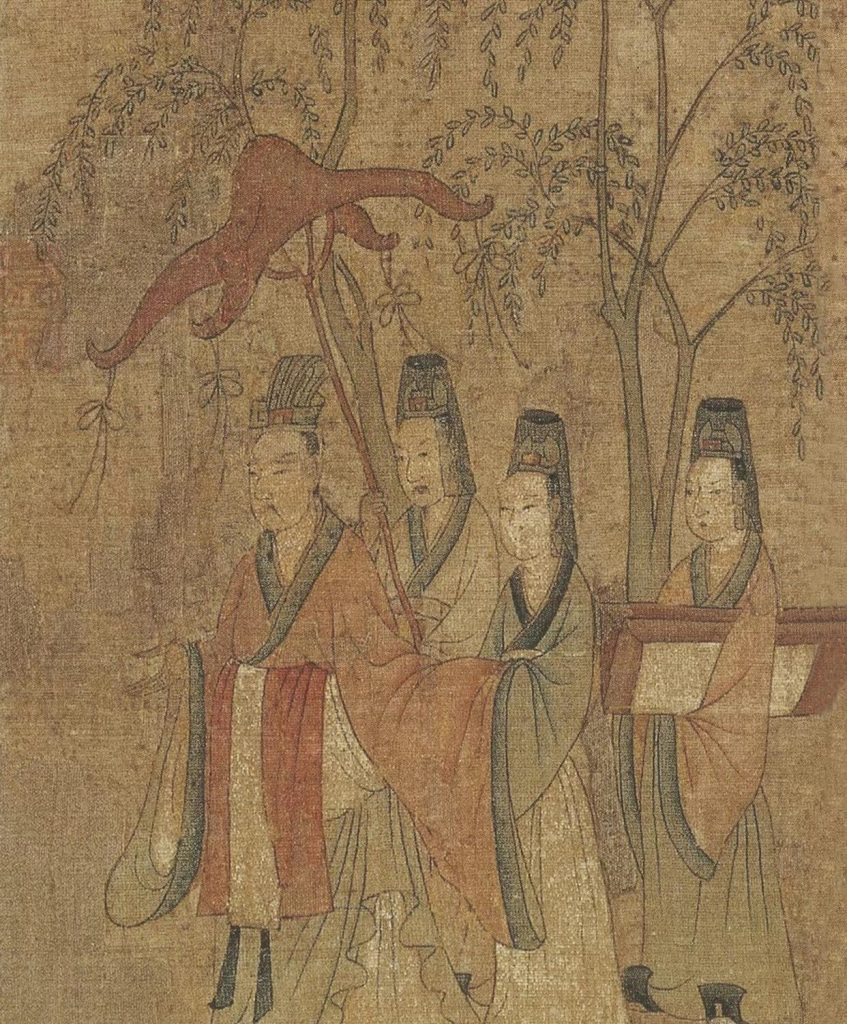
a part of Nymph of the Luo River
Palace museum
Gu Kaizhi

Landscapes

In this painting the relationship between the figures and the background is out of kilter, and the close-ups are not distinguished from the distant landscapes; the figures are as tall as the mountains. This was also the situation in early Chinese paintings and did not improve until the Sui and Tang dynasties.
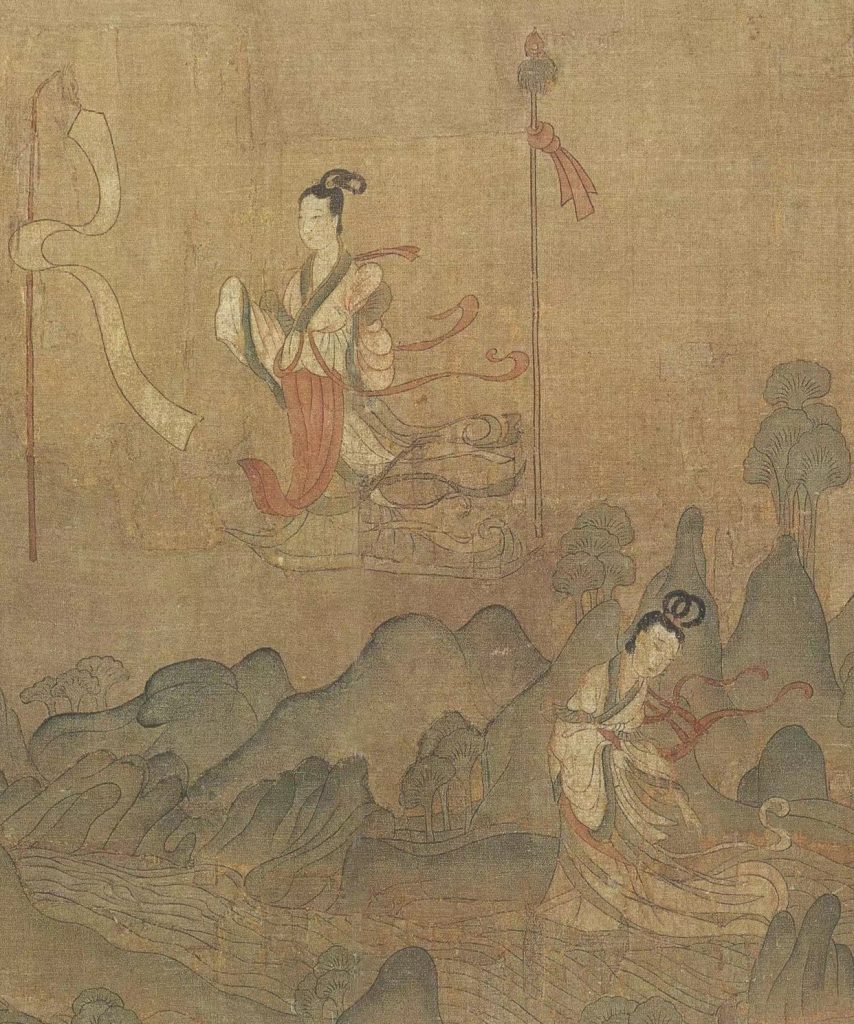
a part of Nymph of the Luo River
Palace museum
Gu Kaizhi

Animals

Gu Kaizhi created many rare birds and exotic animals based on the depiction of poetry Nymph of the Luo River. In fact, these animals didn’t exist in life . They were entirely imagined by Gu Kaizhi. For example, the dragons he painted had antlers, and the fish he painted had the head of a leopard. They run on the river without splashing, as if they were flying through the air.
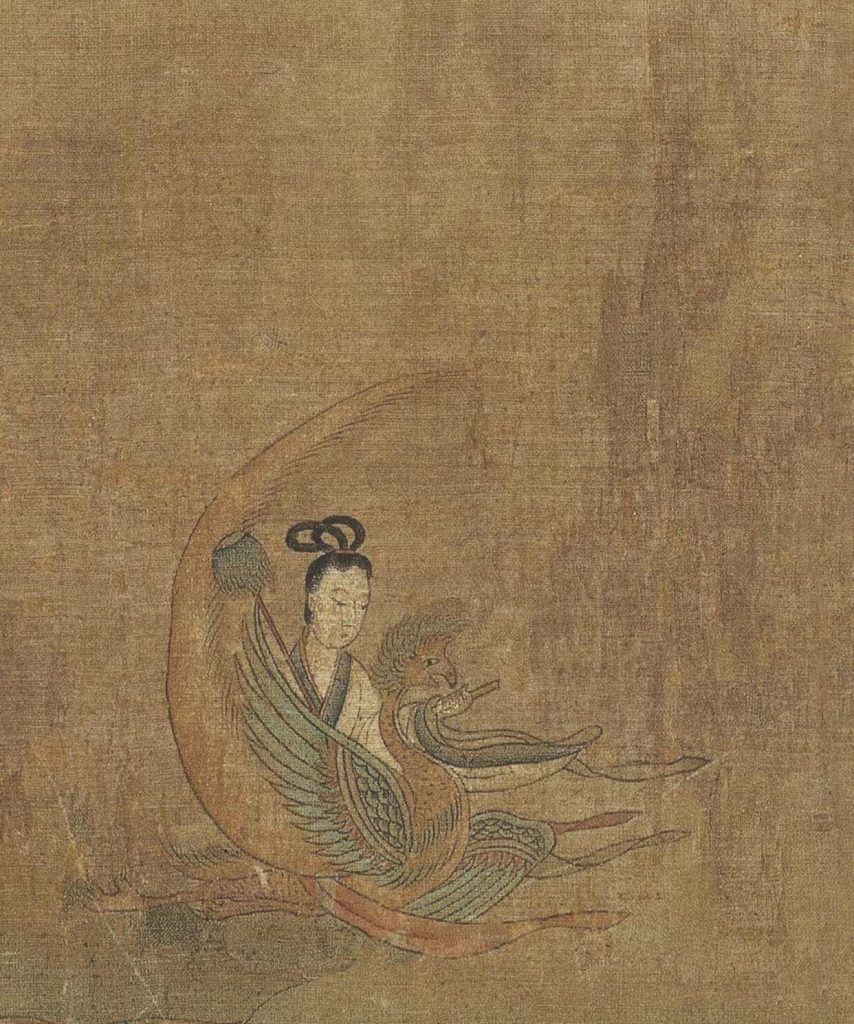
a part of Nymph of the Luo River
Palace museum
Gu Kaizhi

The significance of the painting Nymph of the Luo River

The painting not only represents the highest level of painting in the Eastern Jin Dynasty, but also Gu Kaizhi’s art theories influenced the development of Chinese painting in the later period, which made Chinese painting develop in the direction of paying more attention to the ” spirit “.
Source

Nymph of the Luo River

Palace Museum

Gu Kaizhi

Categories
Museums 在博物馆 传统 典藏故事 古代

Hunan Provincial Museum | Mawangdui Han Tomb

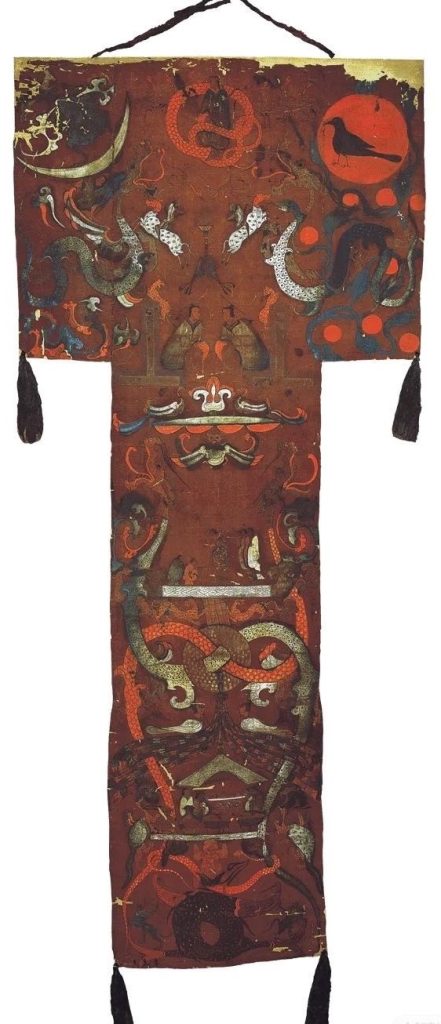
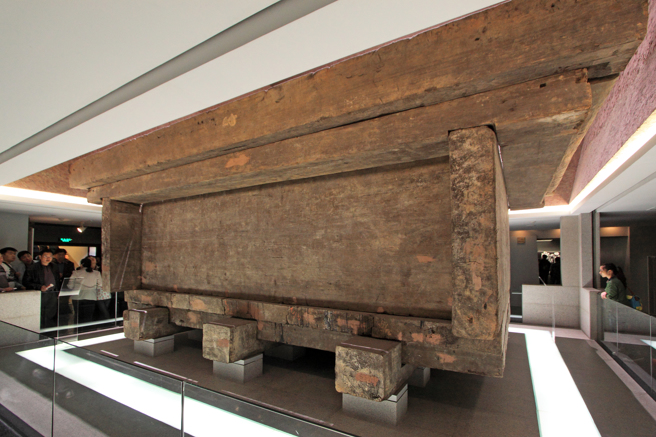
Mawangdui Han Tomb [Tomb of the Western Han Dynasty (202-8 B.C)] unearthed in Changsha, Hunan Province in 1972. Mawangdui Han Tomb is one of the Chinese cultural relics not allowed to leave the country for exhibition. It is now in the Hunan Provincial Museum and is one of the treasures of the Hunan Provincial Museum.

Mawangdui Han Tomb
Hunan Provincial Museum
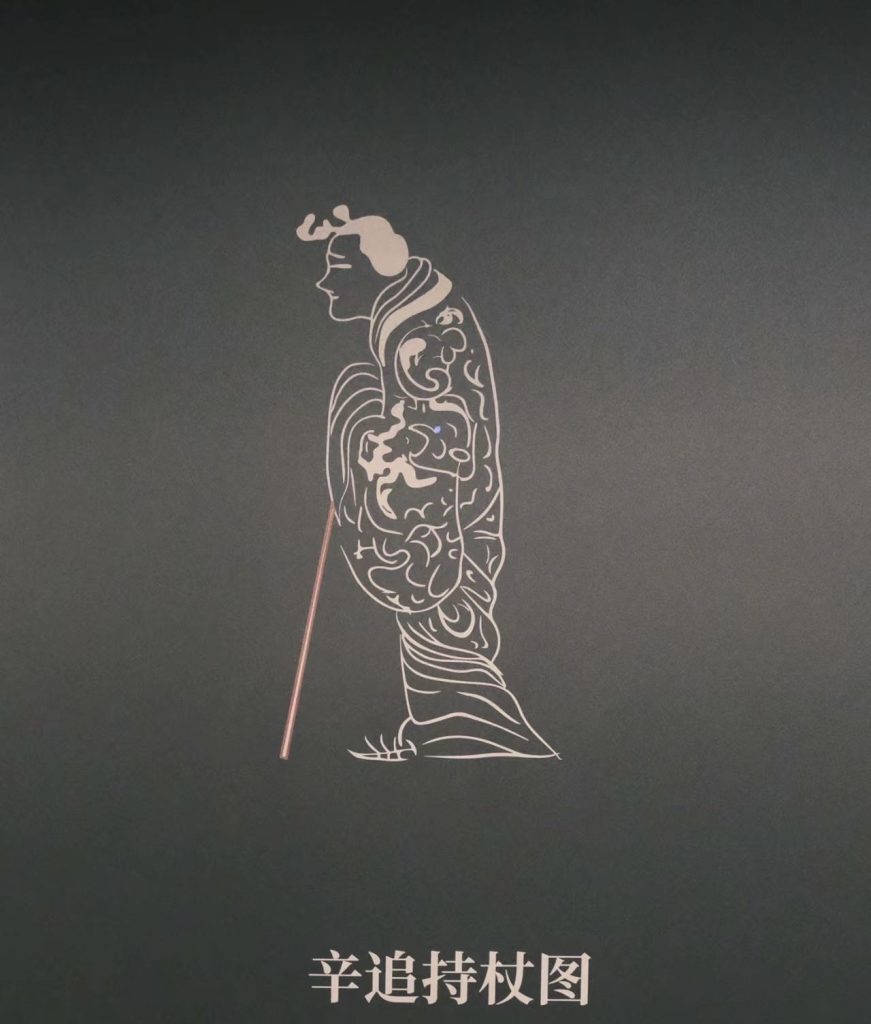
Madam XinZhui

Introduction to the painting

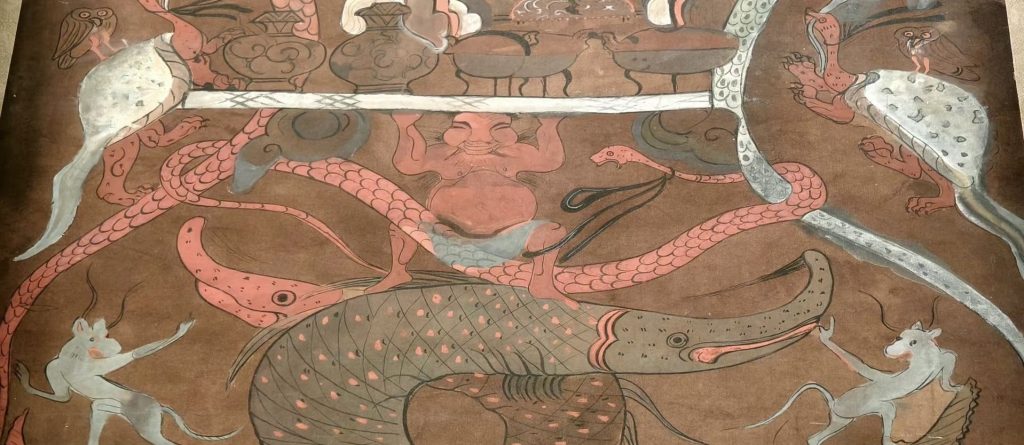
There are three tombs in the Mawangdui Han Tomb. Today we are mainly talking about Tomb One. Tomb One is the tomb of Madam XinZhui(a Chinese noblewoman. She was the wife of Li Cang.(the Chancellor of the Changsha kingdom, during the western Han Dynasty of ancient China) And this painting is on the inner coffin of Madam XinZhui.

Mawangdui Han Tomb
Hunan Provincial Museum
Madam XinZhui

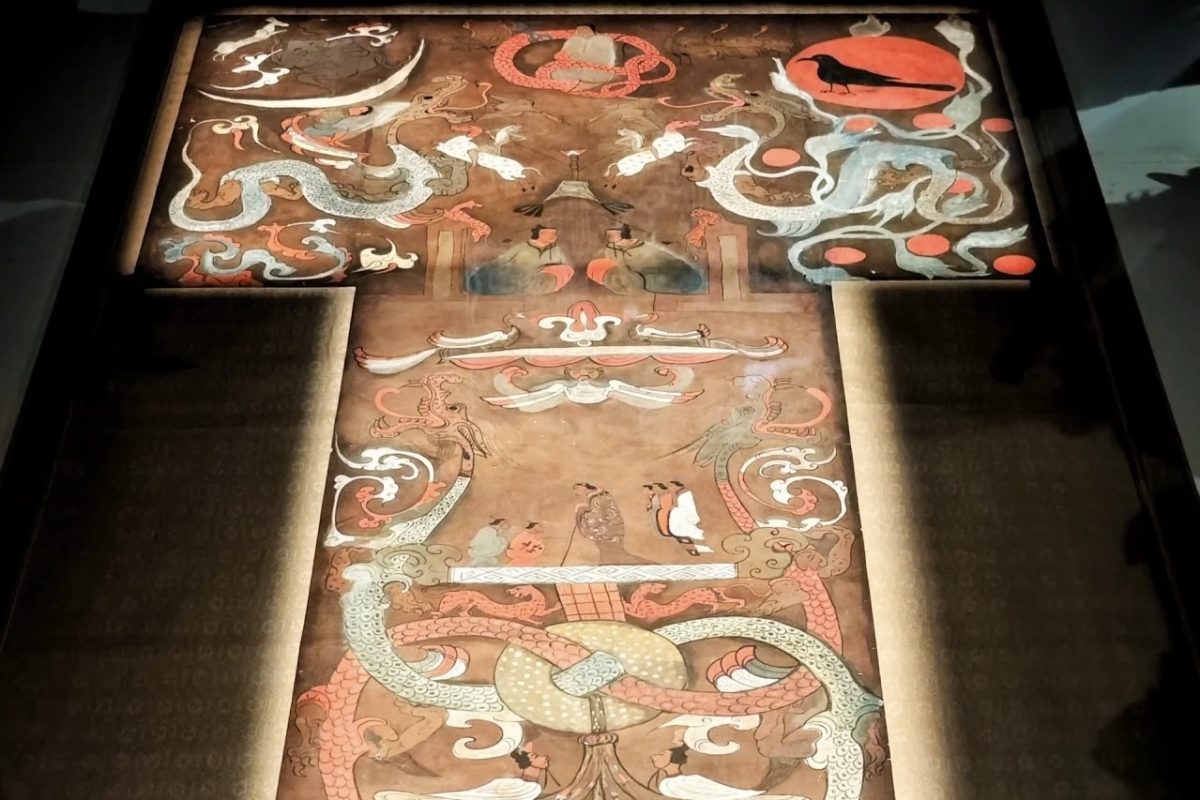
The painting is 92cm wide at the top, 47.7cm wide at the bottom, and
205cm long, in the shape of “ T”. It is divided into three sections from
top to bottom: heaven, the human world and underworld.

Mawangdui Han Tomb
Hunan Provincial Museum
Madam XinZhui

Heaven

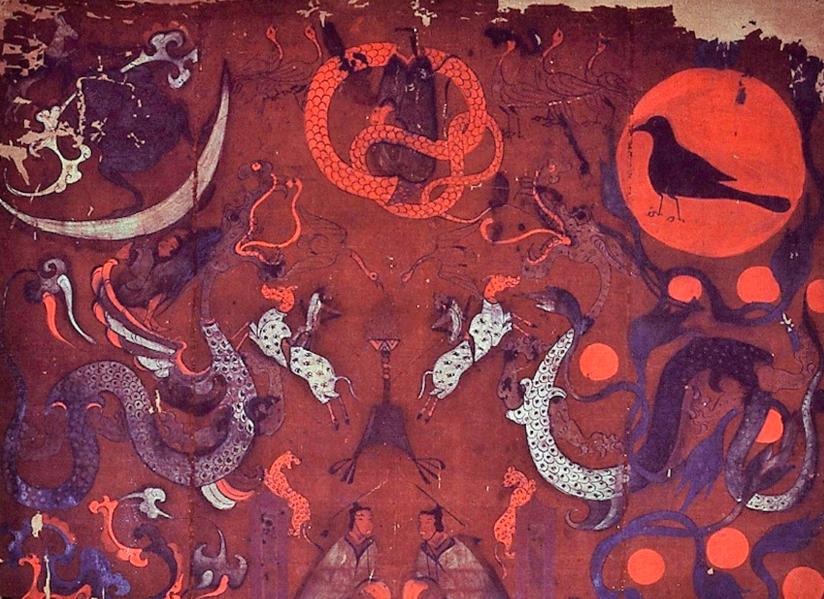
Upper right corner: there is a sun with a golden crow (Chinese mythological bird capable of driving a sun chariot) surrounded by eight other suns (Chinese myth: there were once 10 suns in the sky that shone on the earth and brought drought to the earth, so in order to save the earth a man named HouYi shot the remaining nine suns with an arrow).

Upper left corner: a woman holding the moon rising slowly, which is
related to the story of Chang’e Running to the Moon (Chinese legend: a woman named Chang’e, who ate an elixir of immortality and then ascended to become a god).

Right in the middle: in the middle of the sun and the moon, there sits a heavenly god with a human head and a snake’s body, surrounded by
cranes (a symbol of auspiciousness). This is to show that the god in the
sky takes care of Madam XinZhui.

Mawangdui Han Tomb
Hunan Provincial Museum
Madam XinZhui

The human world

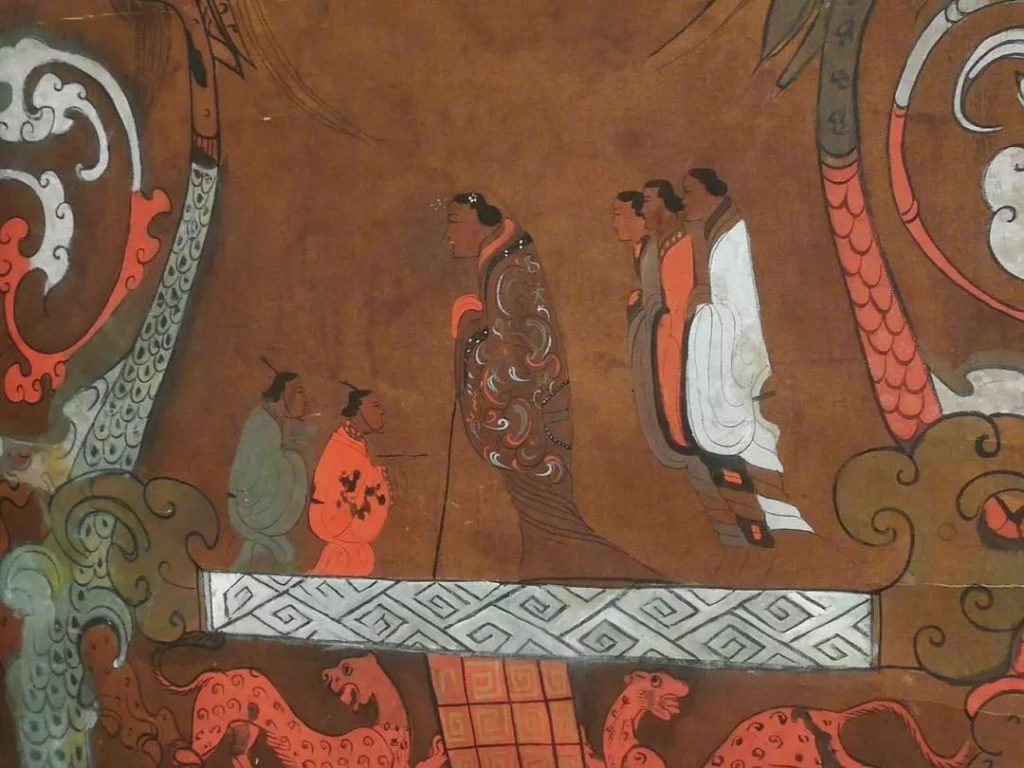
Here is a profile of an old woman walking slowly on crutches, with two
people kneeling in front of her, followed by three attendants. Judging
from the dress, this should be the owner of the tomb, Madam XinZhui.

Mawangdui Han Tomb
Hunan Provincial Museum
Madam XinZhui

Underworld

A naked man (someone thinks he is the earth god Gun) was holding a white flat object symbolizing the earth, with two huge fishes “Ao” under his feet. Legend has it that god Gun is the only one who can stabilize the fish “Ao”.

Mawangdui Han Tomb
Hunan Provincial Museum
Madam XinZhui

Cosmology in the Han Dynasty

According to historical records, the T-shaped painting is called “Fei Yi”. The so-called “Fei Yi” has two meanings: one is like clothing but not clothing. A special person held it in front of the funeral procession and used to lead the soul to heaven; the second is that “非 Fei” equals “飞 Fei”, so “Fei Yi” also means that the deceased can fly up to heaven by wearing the Fei Yi. No matter what the interpretation is, the purpose is to fly into the heavenly realm.

The threefold division of heaven, the human world and underworld in this silk painting also reflects the cosmology of the people during the HanDynasty. They observed the sun rising in the east and setting in the west, the four seasons of spring, summer, autumn and winter, and so on, so they also believed that the universe ran in cycles. Since the universe runs in cycles, human life should also run in cycles. That being the case, death was not the end of human life, but another continuation of life, and they hoped that their souls would be reborn in heaven.

Source

Hunan Provincial Museum

Interview

Mawangdui Han Tomb

Categories
Museums 在博物馆 传统 典藏故事 古代

Palace Museum | The Night Revels of Han Xizai

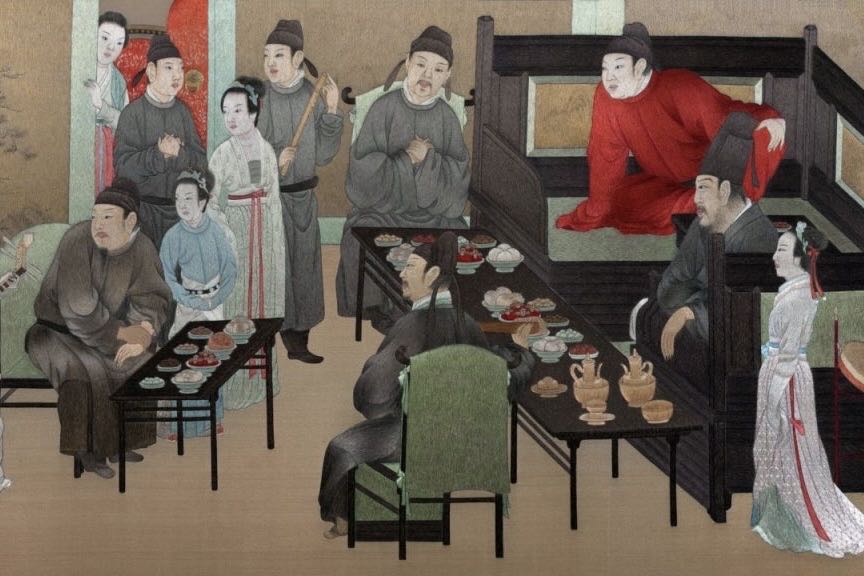
The Night Revels of Han Xizai is a work by Gu Hongzhong (910-980). He was a painter of the Southern Tang Dynasty (937-975). This painting has two copies. A reproduction from the Song Dynasty(960-1279), currently housed in the Palace Museum at Beijing. The another one replica from the Ming Dynasty(1368-1644), under the collection of the Three Gorges Museum at Chongqing. This painting is one of China’s masterpieces.

Background of The Night Revels of Han Xizai

According to the history, Han Xizai was born into a noble family and had excellent ability. He worked as an official in the Southern Tang Dynasty. However, seeing that the politics of the Southern Tang Dynasty was deteriorating. But he knthat could not do anything about it, so Han Xizai indulged himself. Li Yu was the later lord of the Southern Tang Dynasty. He wanted to reuse Han Xizai. So he sent his painter Gu Hongzhong to Han Xizai’s home to record the scene of Han Xizai’s feasts and invitations to his guests. He wanted to observe whether Han Xizai was really unrestrained, but also wanted to use this painting to advise Han Xizai to stop his debauchery. Gu Hongzhong painted this painting through his own imagination and observation.

Content of The Night Revels of Han Xizai

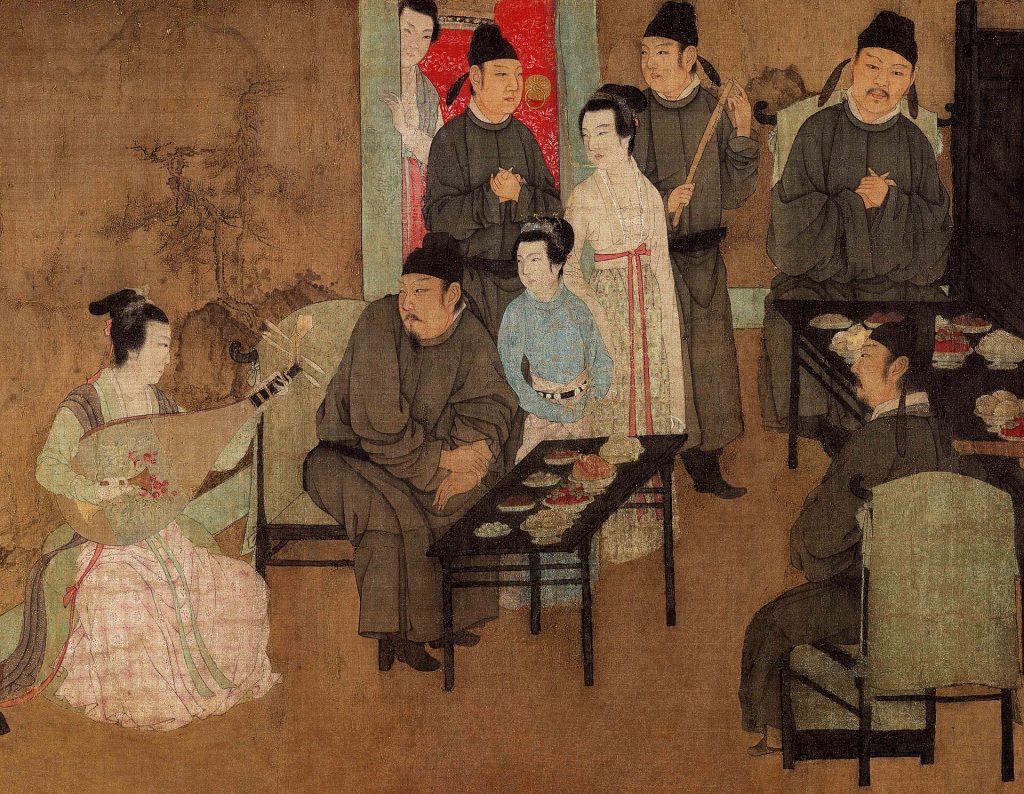
The painting has five segments. Gu Hongzhong used folding screens、beds and orchestral music to separate the images. This way breaked the traditional notion of composition and unifying the sequential events in a single image.

Paragraph 1: Listening to Music.

Han Xizai and zhuangyuan are sitting on a couch, listening to Li Jiaming’s sister play the pipa . Li Jiaming is on her left and looks at her, listening intently and always concerned about the technique she plays.

The Night Revels of Han Xizai
Palace museum
Gu Hongzhong

Paragraph 2: Watch the dance.

The people are watching Wang Wushan jump ‘Liu Yao ’dance (It’s a traditional dance from ancient China). Han Xizai played ‘Jiegu’ (It was a drum used in ancient china) to help the celebrate, his friend De Ming monk unexpectedly met this scene, awkwardly arched back stand.

The Night Revels of Han Xizai
Palace museum
Gu Hongzhong

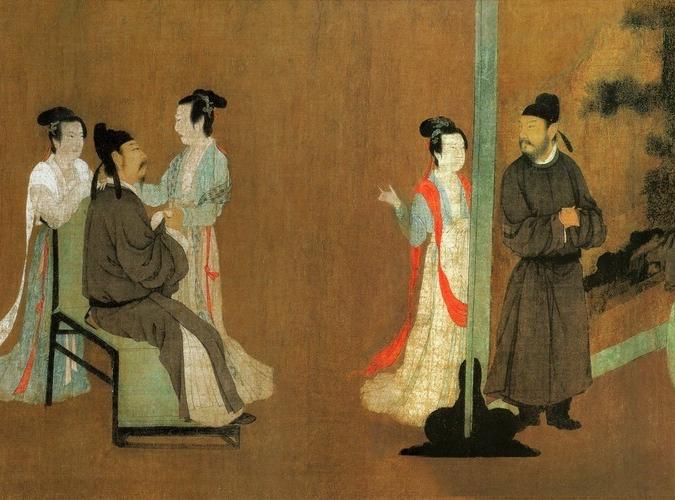
Paragraph 3: A nap between feasts.

This depicts Han Xizai sitting on a couch, washing his hands and talking to his maids. At this point, the pipa and flute are both being carried inside by a woman, followed by a woman carrying cups and saucers. The two women seemed to still be talking about tonight’s banquet, adding to the relaxed atmosphere. Red candles have been lit and pillows have been placed so that people can lie down and rest at any time. At this time we can easily associate the banquet scene with the ancients, they cover the window and drink at night, singing and dancing, tired to rest for a while, often forgetting the change of day and night.

The Night Revels of Han Xizai
Palace museum
Gu Hongzhong

Paragraph 4: Wind and Music Ensemble.

Han Xizai changed out of his formal attire and sits cross-legged in a chair, waving a fan while commanding something to an attendant.

The Night Revels of Han Xizai
Palace museum
Gu Hongzhong

Paragraph 5: Guests talked each other.

This paragraph depicts the end of the banquet and the departure of the guests.

The Night Revels of Han Xizai
Palace museum
Gu Hongzhong

Significance of The Night Revels of Han Xizai

The main character in this painting is Han Xizai. We observe that he listened to the music, beated the drum by himself, and enjoyed the dance. But even in this joyful atmosphere, Han Xizai was preoccupied and his brows were locked, which contrasted sharply with the joyful atmosphere. At that time, the politics of the Southern Tang Dynasty was in turmoil, and through the image of Han Xizai in this painting, we can also understand Han Xizai’s hardship. The painting details the intense psychological struggle of the protagonist under the complexity of the time, revealing the contradictions within the political class.

In summary ,The Night Revels of Han Xizai is not only an extremely valuable painting in China, but also an important document for us to study the society, culture and art in the Southern Tang Dynasty.

The Night Revels of Han Xizai
Palace museum
Gu Hongzhong

Source

Palace Museum

The Night Revels of Han Xizai

Gu Hongzhong

Han Xizai

Categories
Museums 在博物馆 人物 传统 典藏故事 古代

Wuhou shrine|A wise ruler and a good minister

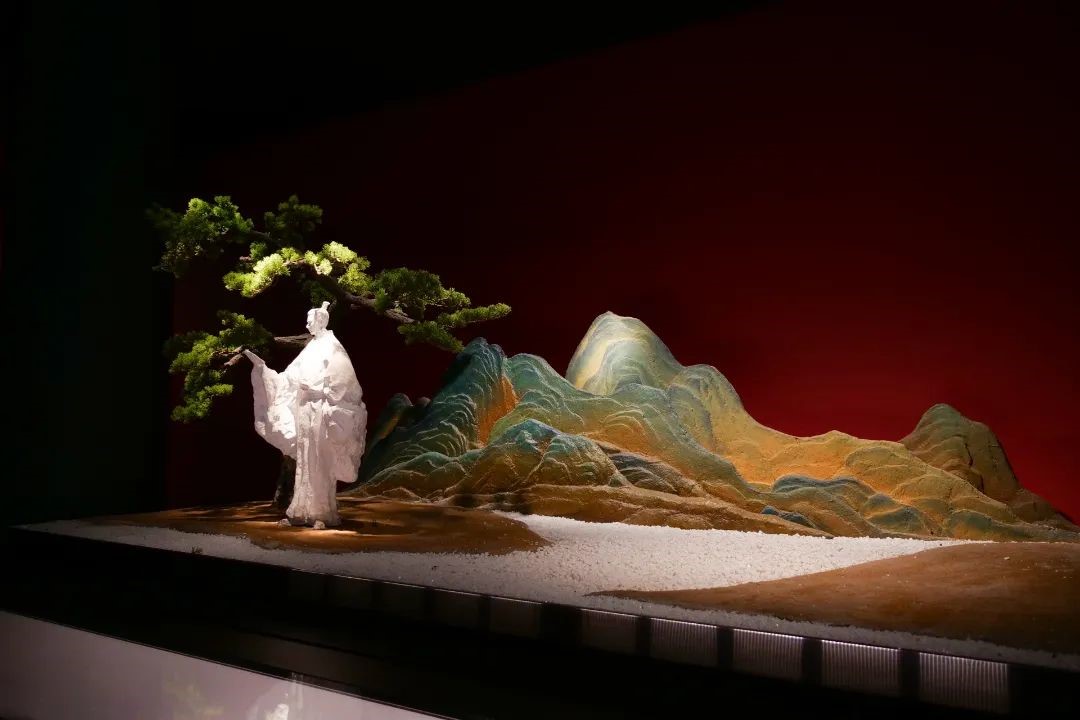
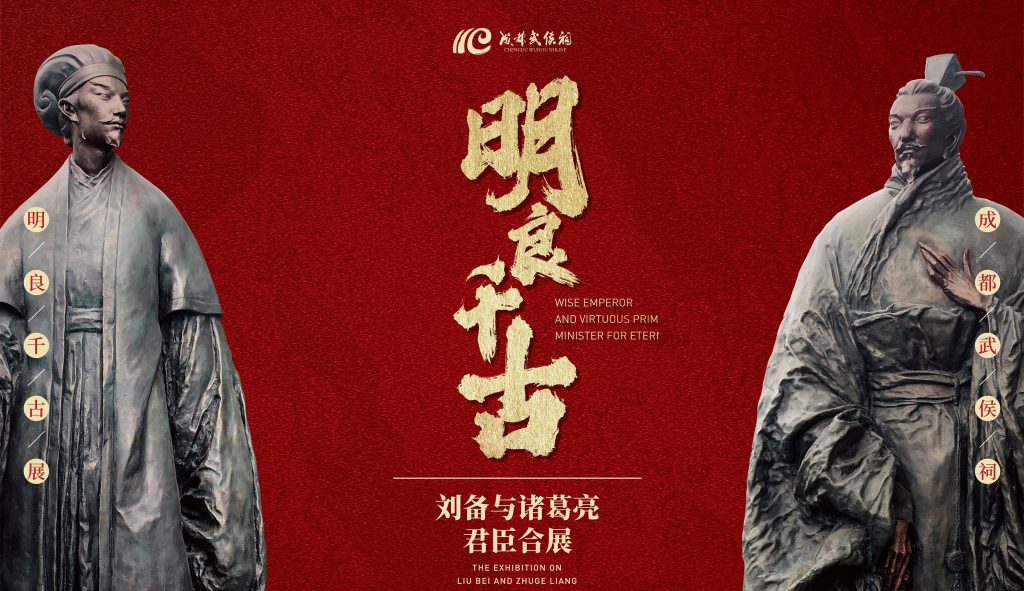
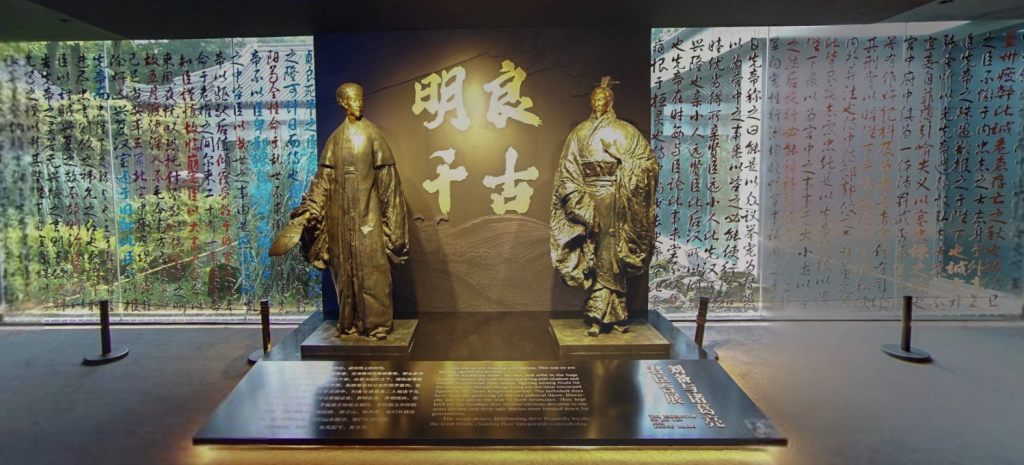
Liu Bei and Zhuge Liang Joint Exhibition is on display at the Wuhou Shrine in Chengdu. This exhibition is based on the historical facts of the Three Kingdoms , and recreates the legend of 1800 years ago.

Wuhou shrine
Liu Bei
Zhuge Liang

Preface

In China, when we were young, we would know that there is a famous book called ‘Romance of the Three Kingdoms’. This book mainly depicts wars and tells the history of nearly a hundred years. It is from the end of the Eastern Han Dynasty to the early years of the Western Jin Dynasty. When we grow up and read ‘Romance of the Three Kingdoms’,we can better appreciate that in that period of the flood waves in the river of history, Zhuge Liang and Liu Bei two people in times of crisis trust each other, in the danger of obstacles in the liver and gall. They wielded their swords together to point to the enemies. They also trekked through the mountains together, which is how impassioned, and how heroic. This exhibition tells us the story of the two heroes’ acquaintance and trust.

Wuhou shrine
Liu Bei
Zhuge Liang

Contents of the Liu Bei and Zhuge Liang

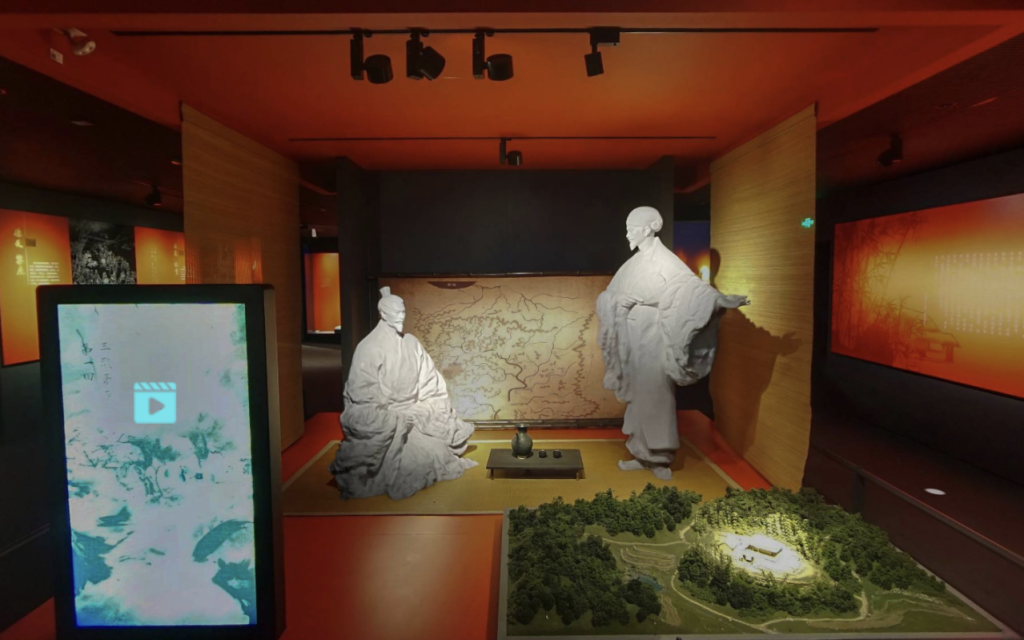
This exhibition is not only offline but also online 3D exhibition. In addition, it places the excavated artefacts in the corresponding period. So it not only tells a story, but is also supported by historical facts.

This exhibition is divided into three main sections: ‘Floating and Sinking in a Time of Troubles’, ‘The Gentlemen and Ministers Working Together’, and ‘Restoring the Han Dynasty’.These three sections contain about 10 stories about the life of Liu Bei and Zhuge Liang . Among them, the three Visits to a thatched cottage and entrustment a child with an orphan in city Baidi are not only familiar stories, but also important elements of this exhibition.

1. Liu Bei’s three visits to a thatched cottage

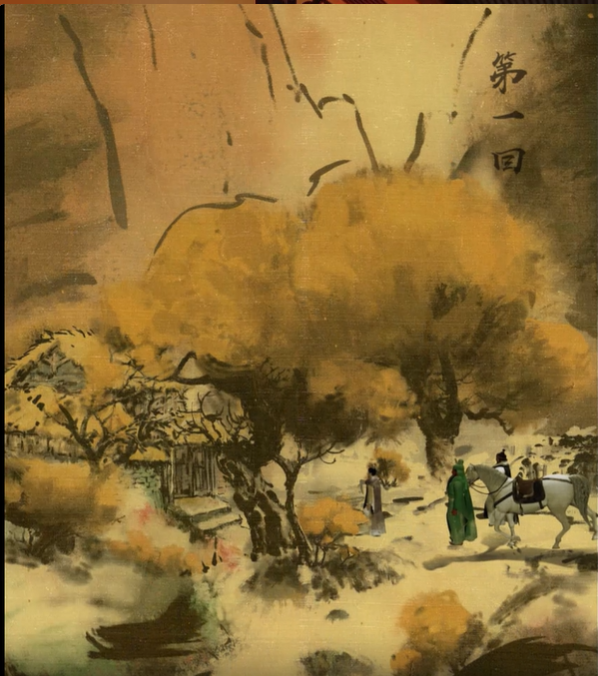
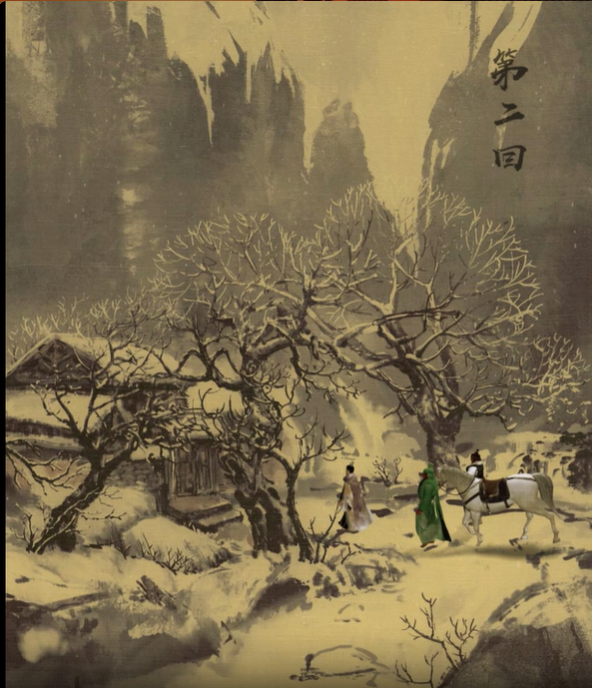
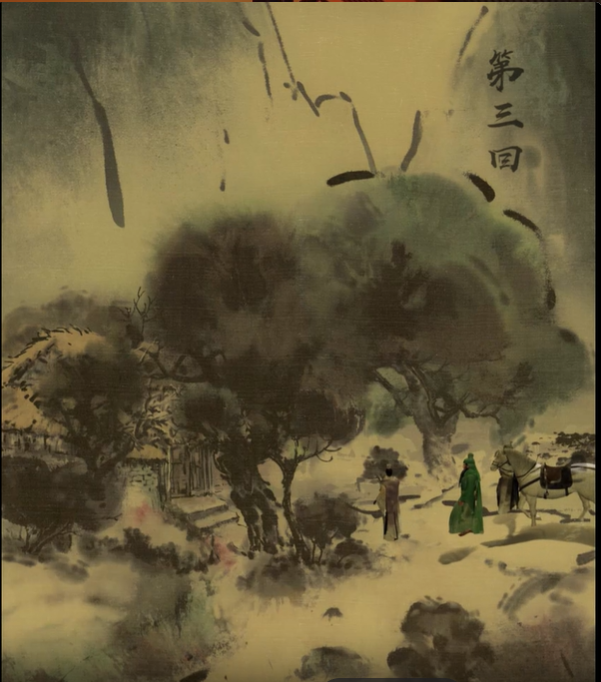
Although Zhuge Liang was talented, he lived in a thatched cottage in Longzhong. Liu Bei heard about his talent, and in order to restore the Han Dynasty and take over the world, he made a special trip to visit. It so happened that Zhuge Liang went out that day, Liu Bei had to turn back in disappointment.

Wuhou shrine
Liu Bei
Zhuge Liang

Soon, Liu Bei and Guan Yu, Zhang Fei and braved the blizzard for a second time to invite. Unexpectedly, Zhuge Liang went out again. Zhang Fei was not willing to come again, see Zhuge Liang is not at home, urge to go back. Liu Bei could only leave a letter to express his admiration for Zhuge Liang and his intention to invite him to come out to help him save the country from a dangerous situation.

Wuhou shrine
Liu Bei
Zhuge Liang

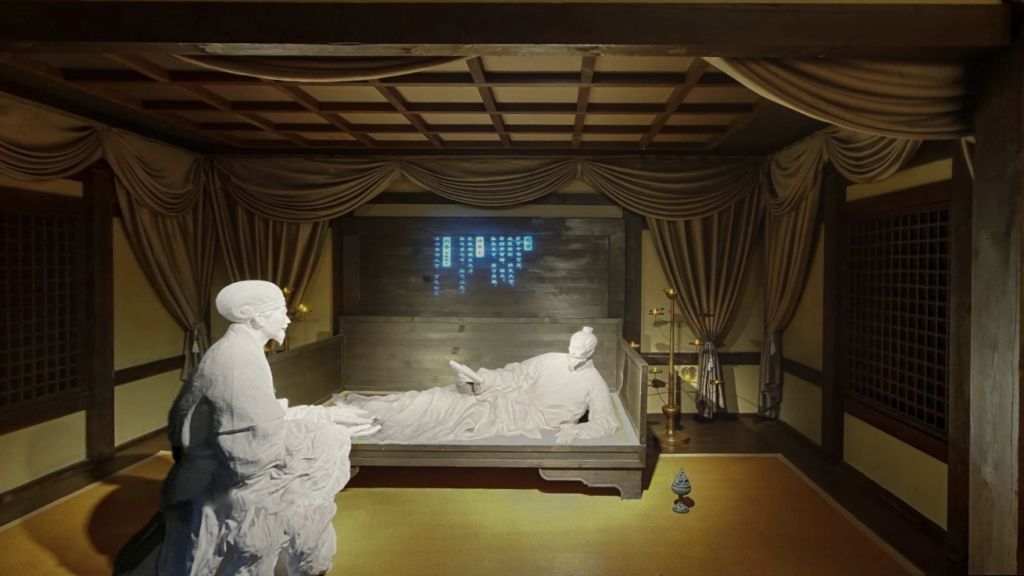
After some time, Liu Bei had eaten vegetarian for three days and was ready to invite Zhuge Liang again. Zhang Fei, however, advocated that he should be the only one to do so, and if he did not come, he should be tied up with a rope. Liu Bei chastised Zhang Fei and visited Zhuge Liang for the third time with both of them. When they arrived, Zhuge Liang was sleeping. Liu Bei did not dare to startle him. So he stood until Zhuge Liang woke up, only to sit down and talk with each other.

Wuhou shrine
Liu Bei
Zhuge Liang

After some exchanges, Liu Bei very much agree with Zhuge Liang’s military plan. He would like to worship Zhuge Liang as a military adviser, ask him to come out to help themselves to take over the world. Zhuge Liang was moved by Liu Bei’s ‘three visits to a cottage’ of a piece of sincerity. So he left Longzhong to help Liu Bei.

Wuhou shrine
Liu Bei
Zhuge Liang

2.Liu Bei entrust a child with an orphan in city Baidi

The loss of the strategic Jingzhou, the defeat of Guan Yu and Zhang Fei, the defeat at the Battle of Xiaoting, and Liu Bei’s serious illness at this time made the whole country’s power shaky. Liu Bei dying, in the City Baidi will entrusted son AhDou to Zhuge Liang. He said to Zhuge Liang: ‘If you think AhDou is the material to be the emperor, then you will assist him. If he is not, up to you.” Zhuge Liang did not fail Liu Bei. He spent his life assisting Ah Dou until he fell ill and died in the army.

Wuhou shrine
Liu Bei
Zhuge Liang

‘I have Kongming as a fish has water.’ A wise ruler, a good minister, swimming against the current in the midst of difficulties and obstacles, entrusting the far-reaching ambitions of the family and the country in the midst of storms.

Information

Date: 2021.10.1-2031.10.1
Location: Mingliang Qiangu Exhibition Hall, Chengdu Wuhou Shrine
Address: Located at No. 231, Wuhouci Street, Wuhou District, Chengdu, Sichuan, China

Exhibition Opening Hours
Tuesday to Sunday: 9:00am-18:00pm
Closing time: Every Monday (except holidays)

Ticket Price: Adult RMB 50/person; Child RMB 25/person
Tel: +86-028-85535951

Source

Wuhou Shrine

Exhibition online

site of Wuhou Shrine