Categories
Contemporary 当代 艺术家

Contemporary | Feng Bingyi – The World Under the Interweaving of Time and Space

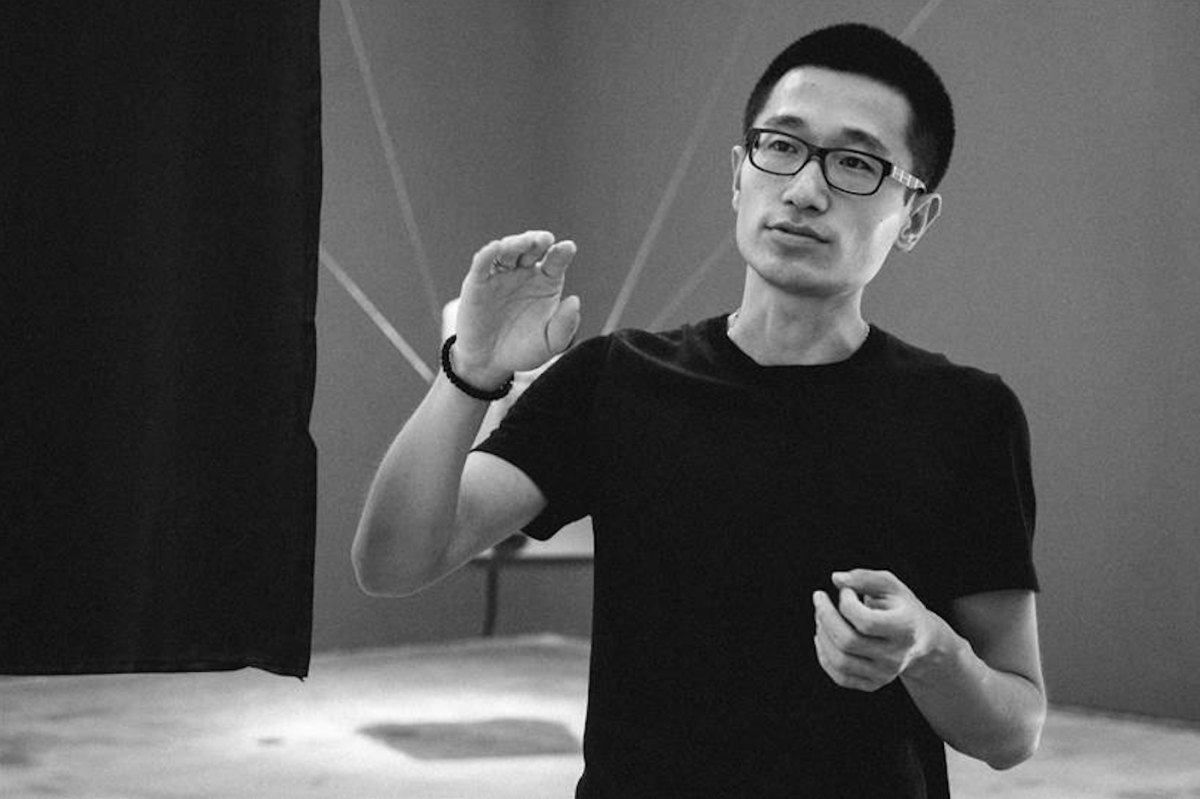
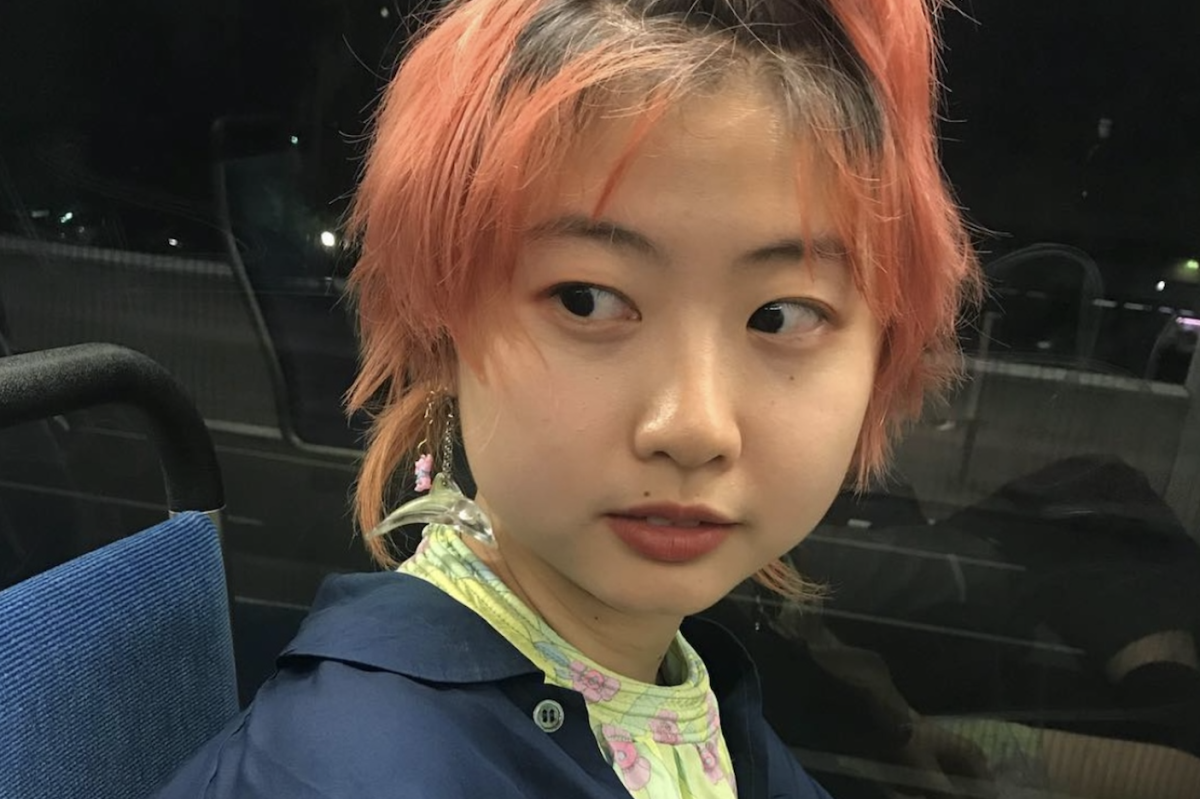
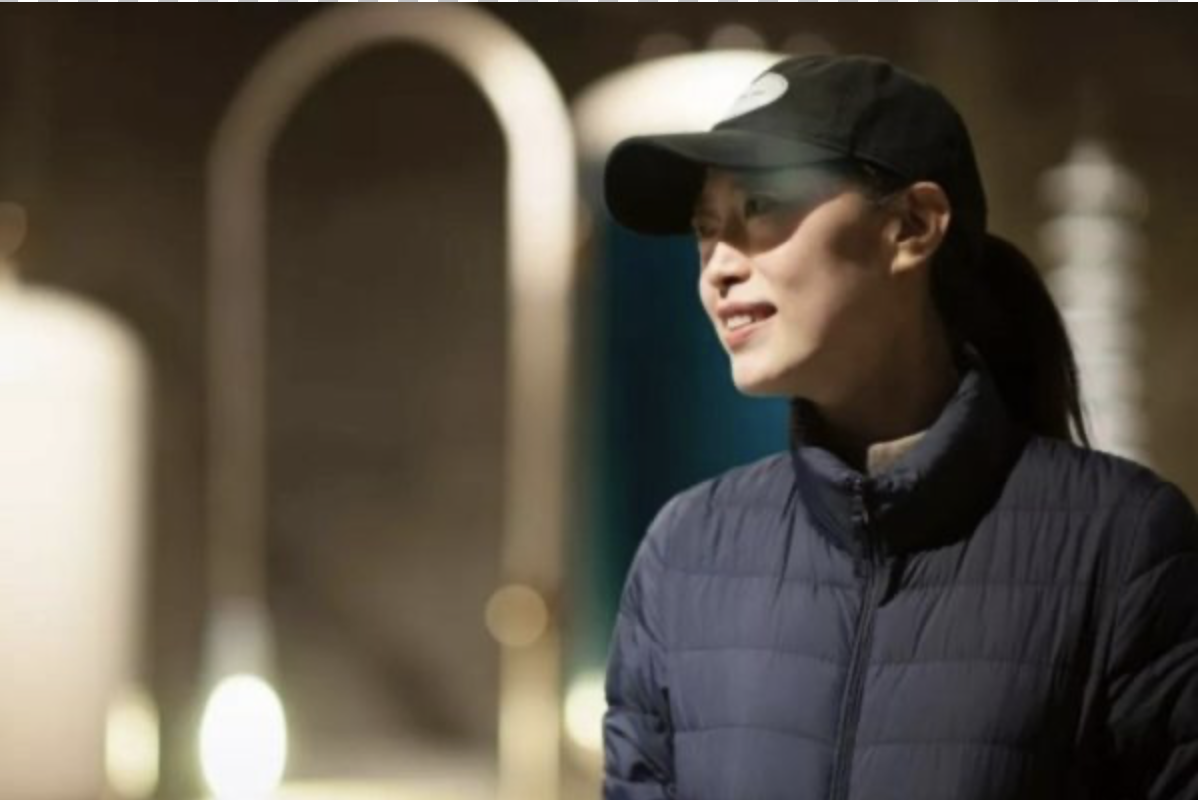
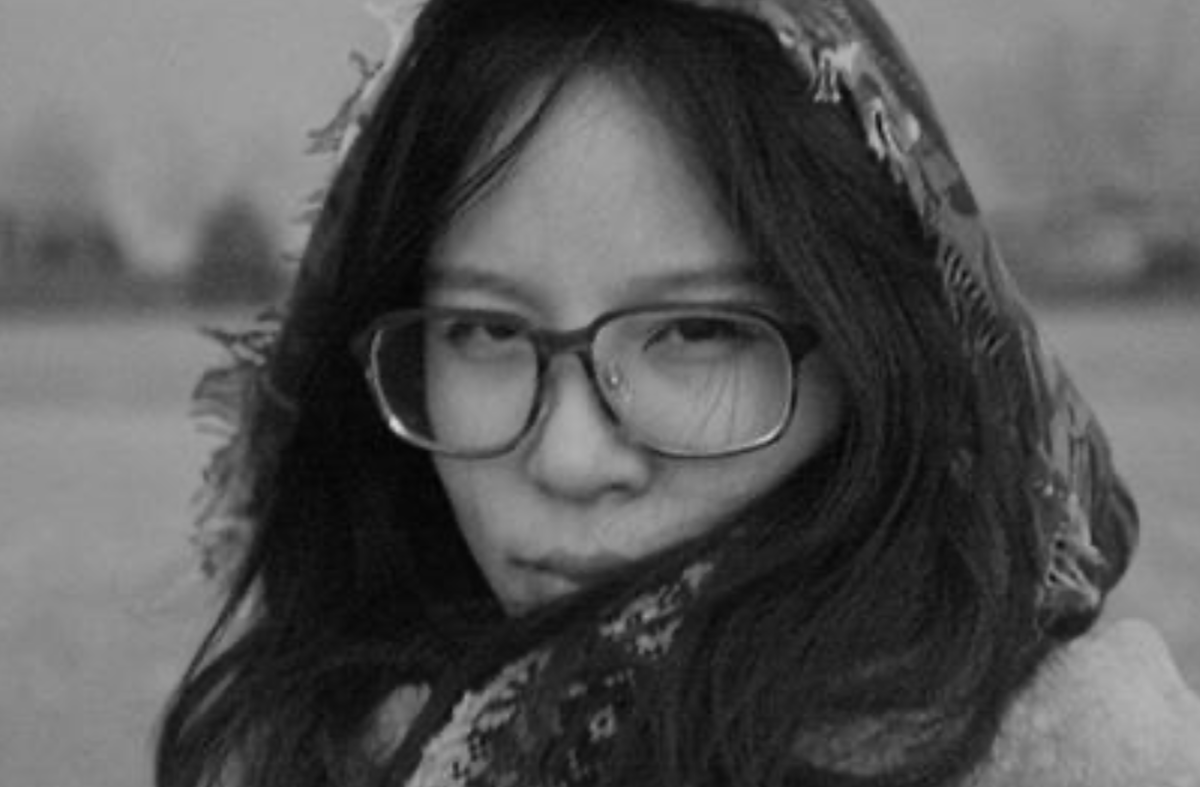
Feng Bingyi, born in Ningbo in 1991, entered the Cross Media Art School of China Academy of Fine Arts in 2009.

Entered the Experimental Imaging Studio in 2011. Graduated from the Cross Media Art School of China Academy of Fine Arts.

Graduated from Chelsea School of Art, University of the Arts London with a Master’s degree in Fine Art.I currently work and live in Shanghai.
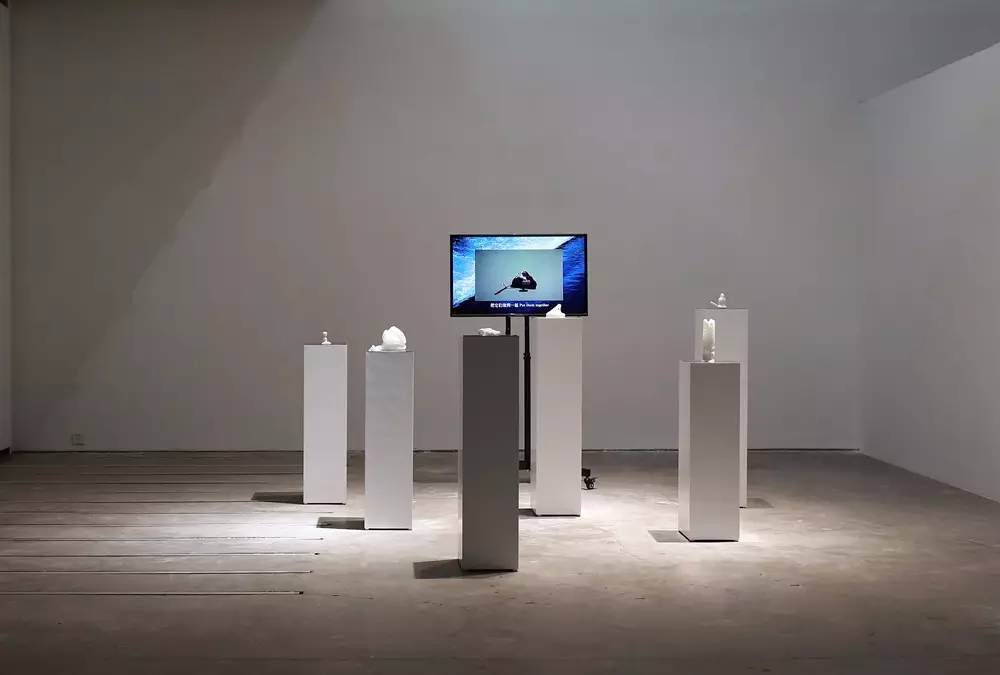
About Helga and Others

This young artist born in 1991 has emerged in the contemporary art world with his unique artistic style.

Above all,her works are not only refreshing.

In other words, also leading a new trend of artistic innovation.

Feng Bingyi’s Art Language

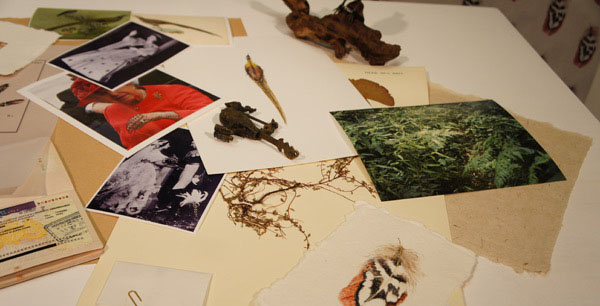
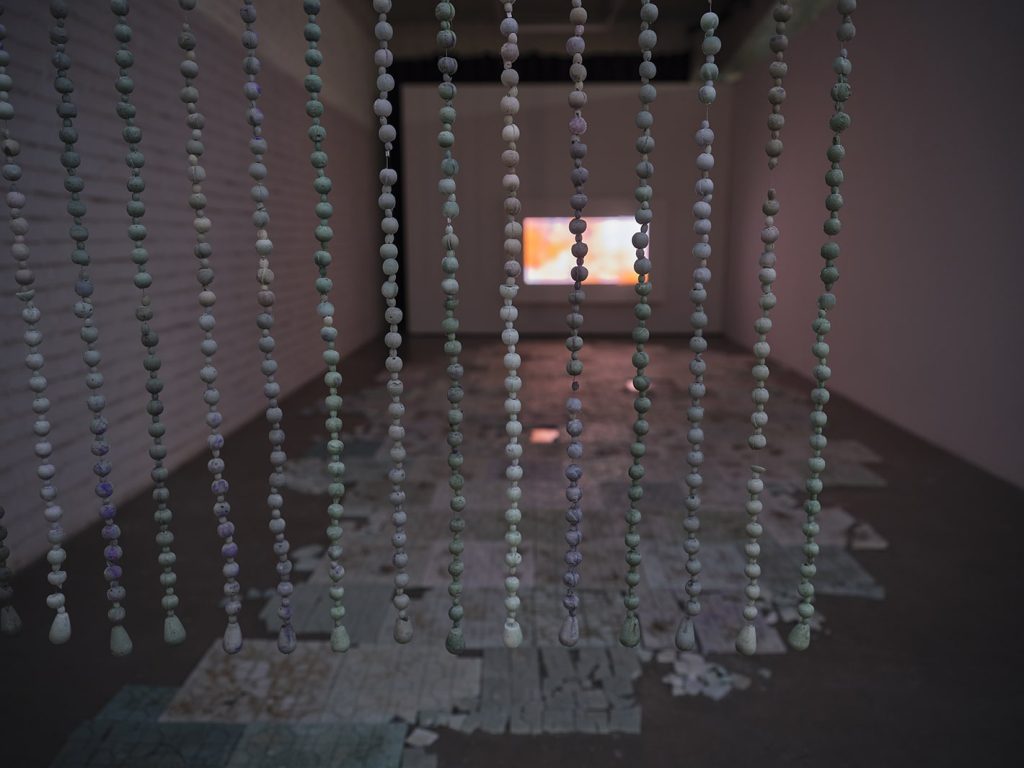
Feng Bingyi’s works have always been known for their delicate and fresh artistic language and unique spatial painting forms.
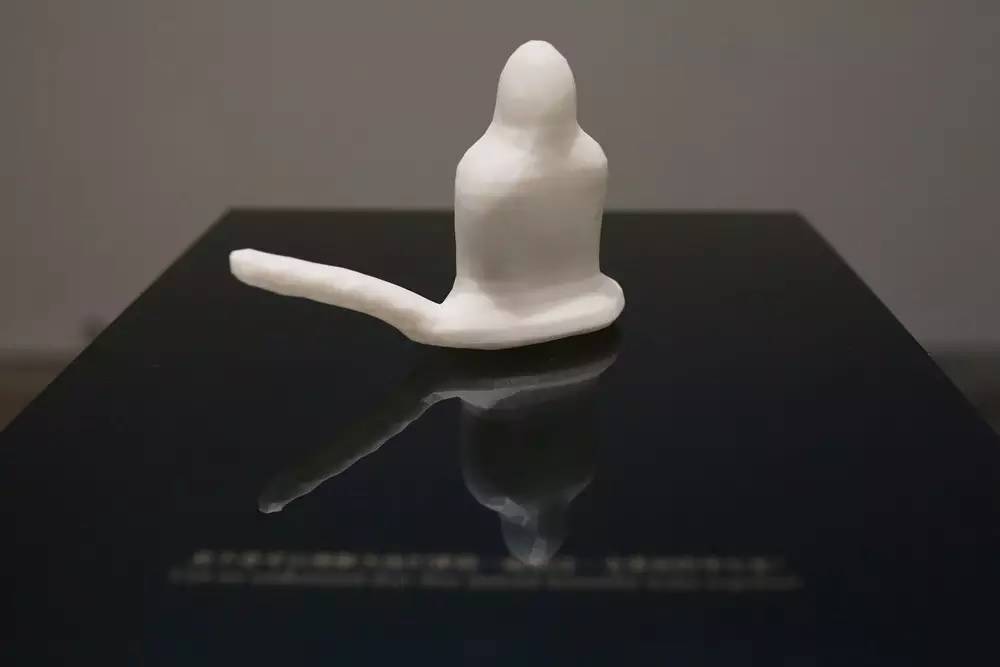
The work is a young artist who constantly explores and innovates in the field of visual art. Her artistic philosophy is deeply influenced by image art and film.

Using visual language between the two as a means of expressing thoughts and emotions.

Feng Bingyi’s works are not only simple records of reality, however the process of constructing a confident narrative space.

Firstly, starting from Romanticism, starting from the enormous connection between humans and the universe.

Secondly, similarly then returning to the natural connection between humans and the universe.

Further the artist hopes to use her curiosity and admiration for the universe.

Similarly to bring people back to the equally peaceful and hopeful starry sky.
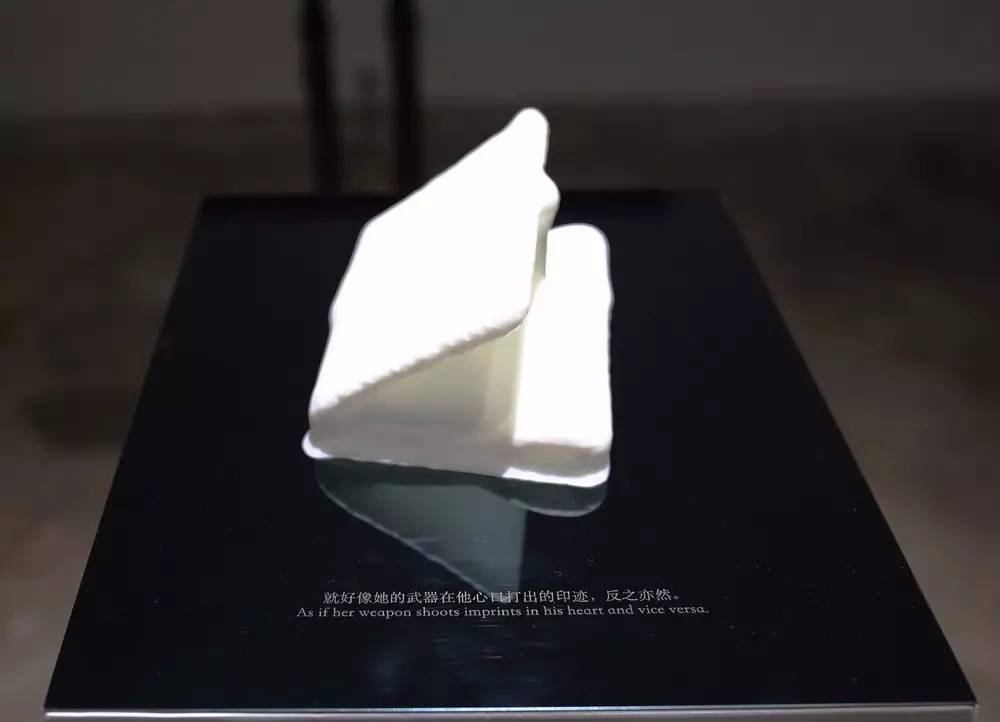
Time Slice Museum

Feng Bingyi’s Style

Feng Bingyi’s characteristic is to use visual language between visual art and film as a medium of expression.

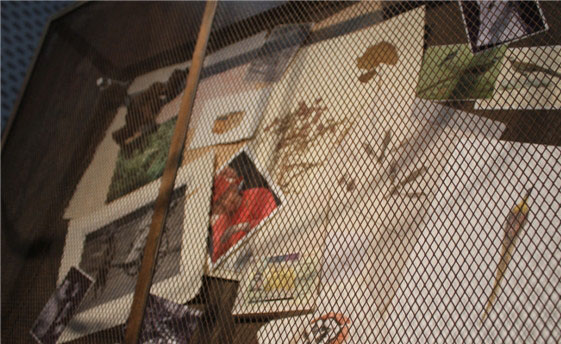
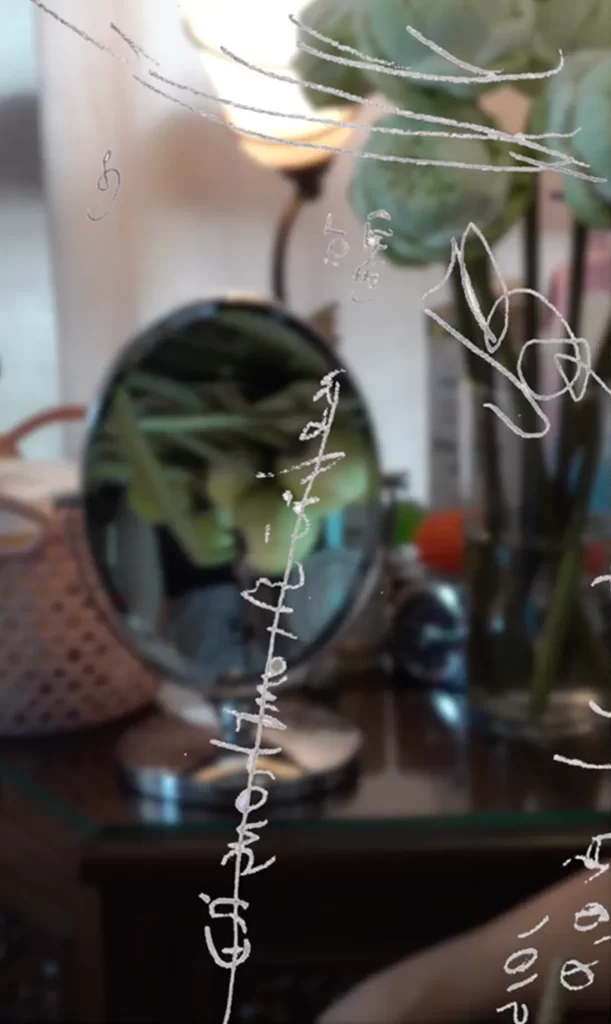
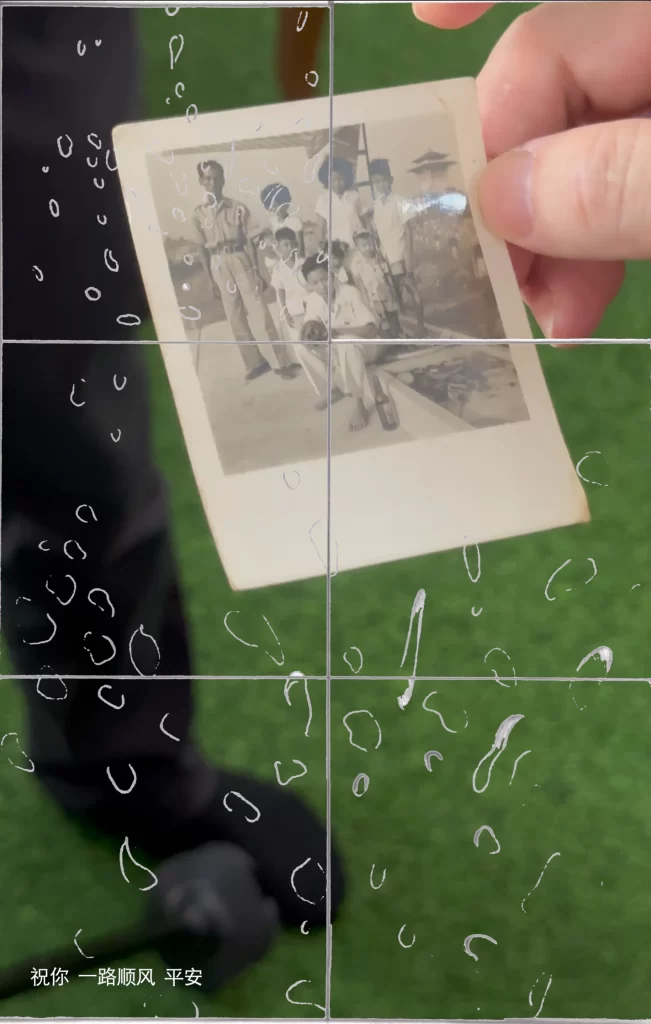
And to construct a narrative space of self perception through poetic language. Her works clearly perceive the deepening relationship between text and images.

Usually, it takes text as the starting point for creation, finds logical breakthroughs through text annotations and explanations. This creative approach fills Feng Bingyi’s works with uncertainty and openness, providing audiences with rich interpretation space.
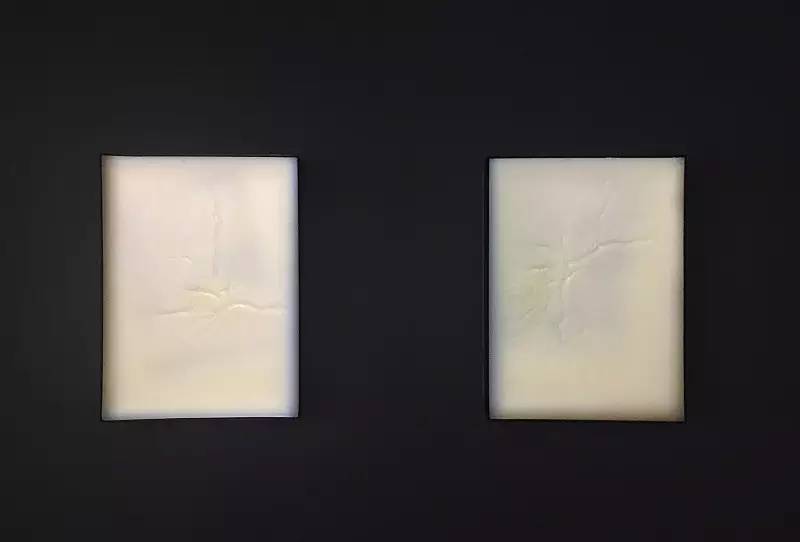
Time Slice Museum

Feng Bingyi is attaches great importance to the influence of different possibilities between space, text, and narration on visual language.

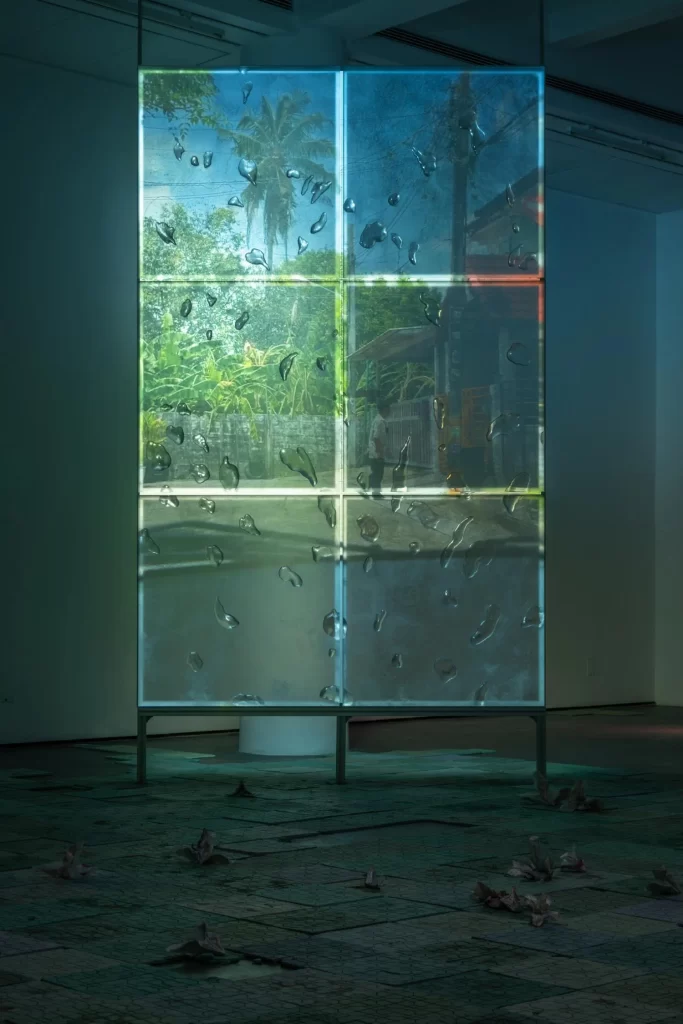
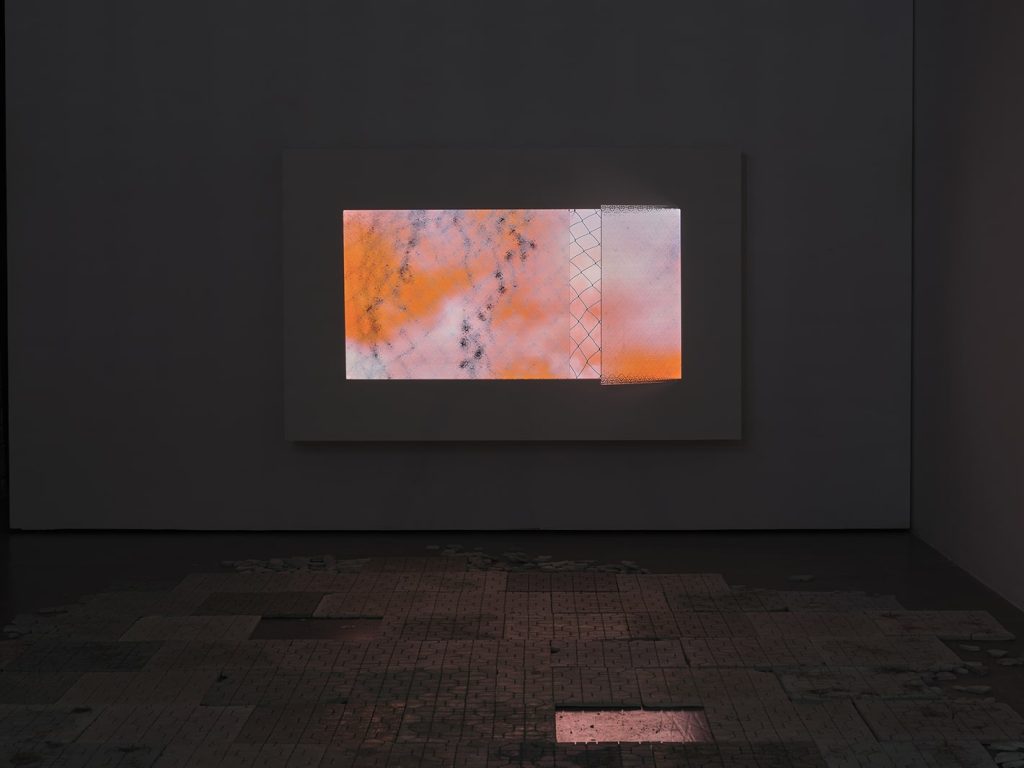
Therefore,her creative forms including visual installations, photography, and animation, all of which provide a broad stage for the presentation of Feng Bingyi’s artistic concepts.

Feng Bingyi’s artistic style is unique and clear, and her works are full of poetry and philosophy.

She knows how to observe and interpret the world with a kind gaze, and conveys a gentle and firm power through her works.
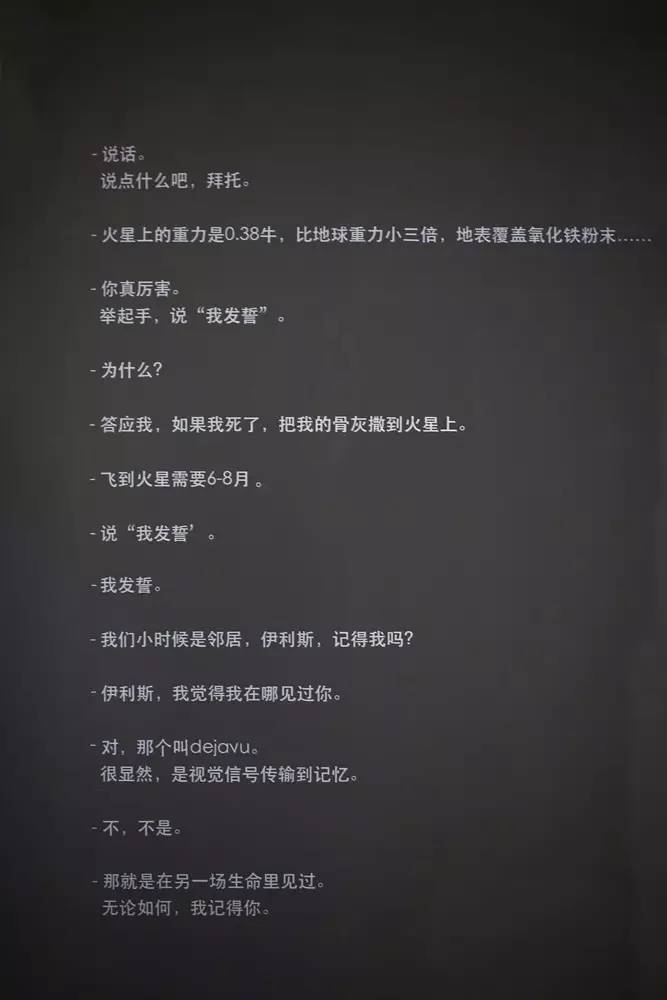
Time Slice Museum

Her works no longer use abstract symbols popular after World War II, after that is also simplify storytelling through concrete images.

And this type of “reproduction” is not simply imitating, but rather presenting hidden truths in scenes.

Allowing the public to have countless possible moments in the visual perception of their works.

This sense of interweaving time and space fills his works with mysterious and fantastical colors.

Giving people a feeling of being in a fantasy world beyond reality.

Feng Bingyi’s Exhibition

In conclusion exhibitions such as “She Walk in Beauty”, “Fool’s Gold”.

The main group exhibitions include “The Story of Your Life I” (Long March Space, Beijing), “Taiping Guangji” (Red Brick Art Museum, Beijing), “The Goodable Strange” (UnArt Center, Shanghai), “Endless Grass” (Delaware Contemporary Art Museum, USA), “Retreat the Waves” (Helsinki Image Art Festival, Finland), and Berlin PANDAMONIUM – Media Art From Shanghai.

Sources

[AAC Special Article] Feng Bingyi: My creative ideas and myself have grown together

Your Life Story II | Feng Bingyi

Feng Bingyi: Cold Facts

Character | Feng Bingyi: A World Interwoven with Time and Space
Categories
Contemporary 当代 艺术家

Contemporary | Feng Zhixuan – Symbols and Civilization

Feng Zhixuan was born in Wenzhou, Zhejiang in 1993.

He obtained a bachelor’s degree from the China Academy of Fine Arts,and a master’s degree from the Sculpture Department of the Royal Academy of Arts.

becoming a member of the Royal Sculpture Association. I currently live and work in Shanghai and Beijing.

Feng Zhixuan:

Artist Feng Zhixuan’s rich and colorful life and artistic experiences constantly inspire inspiration. His works use materials hidden in daily plots to carry out historical actions and evoke cultural resonance.

Cultural elements emerge from highly personalized material forms, transforming into historical and improvisational narratives.

Creating a nomadic archipelago civilization that transcends a single period and specific location.

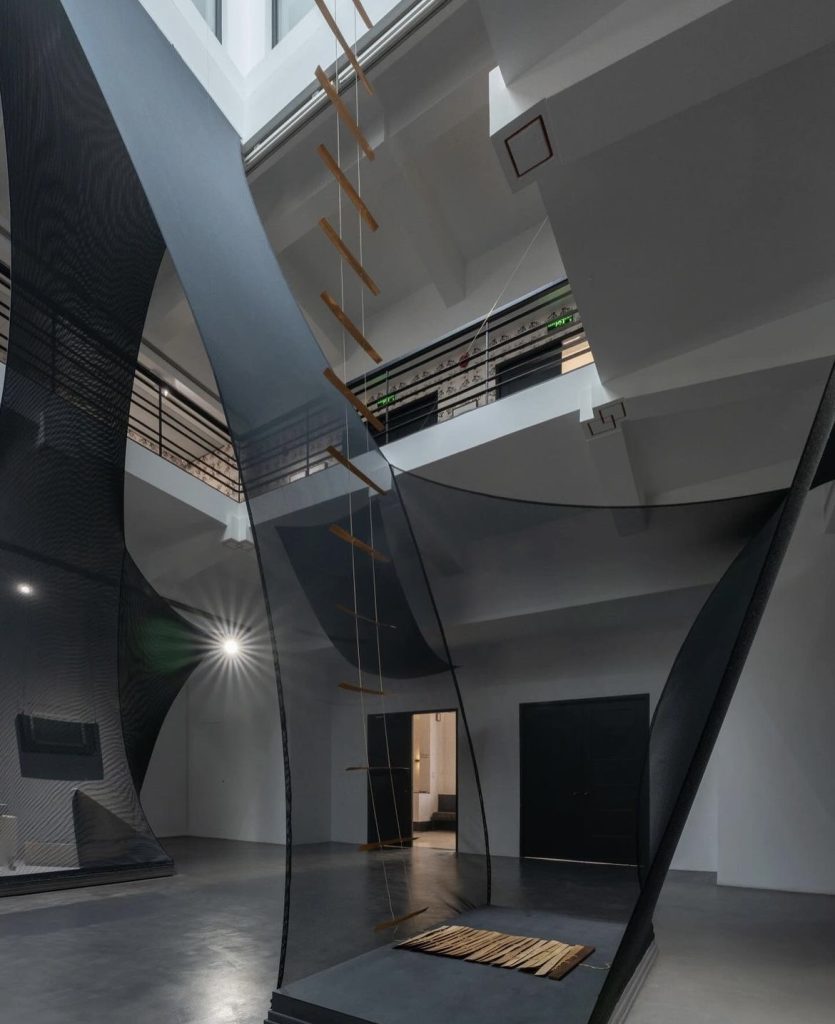
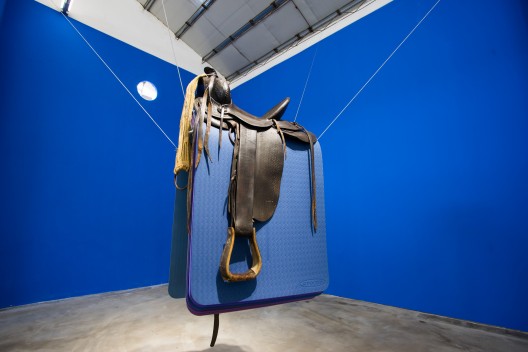
His sculpture installations always exhibit tension, dynamically blending elements of mythology, decoration, exploration, and spatial imagination.

For him, materials are the glue of culture and the result of his outdated self-examination.

Feng Zhixuan:

Each of his works is filled with traces of resistance against contemporary urban environments and inhumane production.

Constantly creating a vertically structured experience through creation and nomadic exhibitions. While collecting relics from the ruins of the hot spring industry, he cultivates an ecosystem of human imagination.

Feng Zhixuan and Materials

Feng Zhixuan’s artistic works are renowned for his unique exploration and creative use of materials. It proficiently uses various contemporary materials, such as aluminum frames, flame-retardant polyurethane insulators for refrigerators, etc.

To create works of art full of mythological and exotic colors.

His works not only reflect a profound understanding of materials, but also unique insights into the era of global localization.

Feng Zhixuan:

For Feng Zhixuan’s creative techniques, he is full of immediacy and arbitrariness.

He is not obsessed with the concept of uniqueness.

But constantly promotes a new craft, discovers a new material, and seeks a new creative path. In order to break free from the control of singularity, he decided to travel and create like a nomadic people.

Walking Feng Zhixuan

He started from the land in his hometown Wenzhou, where the guided wave blocks used by fishermen for fishing gave him inspiration for his creations.

He stepped onto the edge of the mainstream perspective, touching on the structure of Panamanian civilization and indigenous peoples in the Americas; He traversed the ravages of epidemics and slow social states, which brought him contemplation of the tense relationship between humans and nature.

Feng Zhixuan:

This nomadic journey of life represents the complexity and diversity of Feng Zhixuan’s works, and also lays the foundation for his continuous attention to the present, expansion of his field, and contemporary artistic concepts.

In Whitman’s poetry, poets stack different objects together and create subtle connections between them, which Feng Zhixuan also practiced in his creations.

You can hear it in the artist’s studio, where there are many small experiments. Feng Zhixuan also collected many small materials and sculptures. His way of working is to constantly advance a new process or discover a new material, a new creative method. Feng Zhixuan is doing such work every day, and these achievements will be scattered in the artist’s studio.

He said that if he had to present a work, he would put them together and mix different materials together. I hope to generate some new things in the process of change, or remove the original functions of materials, and then manually intervene in some self feelings related to the artist himself, or the artist’s feelings in his original editing line or mechanization process.

As for the selection of materials, Feng Zhixuan likes the irreplaceability of materials. He believes that there must be cultural attributes behind the materials, and also believes that this cultural attribute is the strongest.

Therefore, the tension in his sculpture installation also stems from his own strength, which constantly permeates into wealth.

Feng Zhixuan:

He likes to dynamically integrate elements such as mythology, decoration, exploration, and spatial imagination, presenting a nomadic archipelago civilization that transcends a single period and specific location. This civilization is vividly reflected in his works, and the audience also feels the fusion and collision of globalization and localization.

Feng Zhixuan’s Exhibition

Feng Zhixuan’s works have been exhibited multiple times in large-scale exhibitions both domestically and internationally, such as “Rotant Palace” and “Northern Landscape” solo exhibitions, as well as in collective exhibitions such as “Illusion” and “Otto Immortal Goes to the Sea”. His works have also participated in international art exhibitions, such as the German exhibition “A truck parked on the grass next to two trees”, further expanding his international influence.

Sources

yishubaike

Feng Zhixuan: Dominator

Feng Zhixuan | Artist nominated for the 8th Tomorrow Sculpture Award

Categories
Contemporary 当代 艺术家

Contemporary|Chen Xuanrong – Riding the Waves of Youth, Advocating Freedom

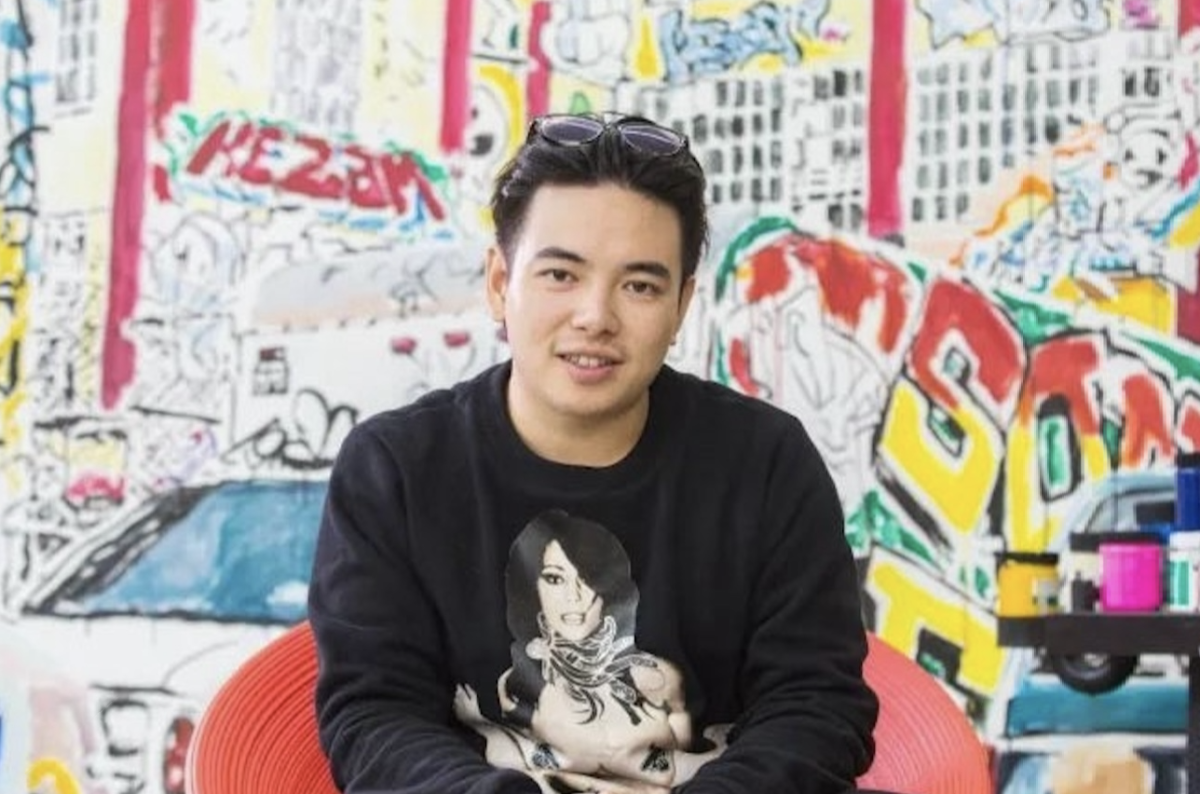
Chen Xuanrong, born in 1991 in Zhangzhou, Fujian Province, is an emerging artist in the field of contemporary art.

Chen Xuanrong was born in Zhangzhou, Fujian Province in 1991. He studied printmaking at the Central Academy of Fine Arts from 2010 to 2014, where he earned his bachelor’s degree.

From 2016 to 2019, he pursued his master’s degree at the Central Academy of Fine Arts under the guidance.

He participated in compiling the history of the Printmaking Department at the Central Academy of Fine Arts. He currently lives and works in Beijing.

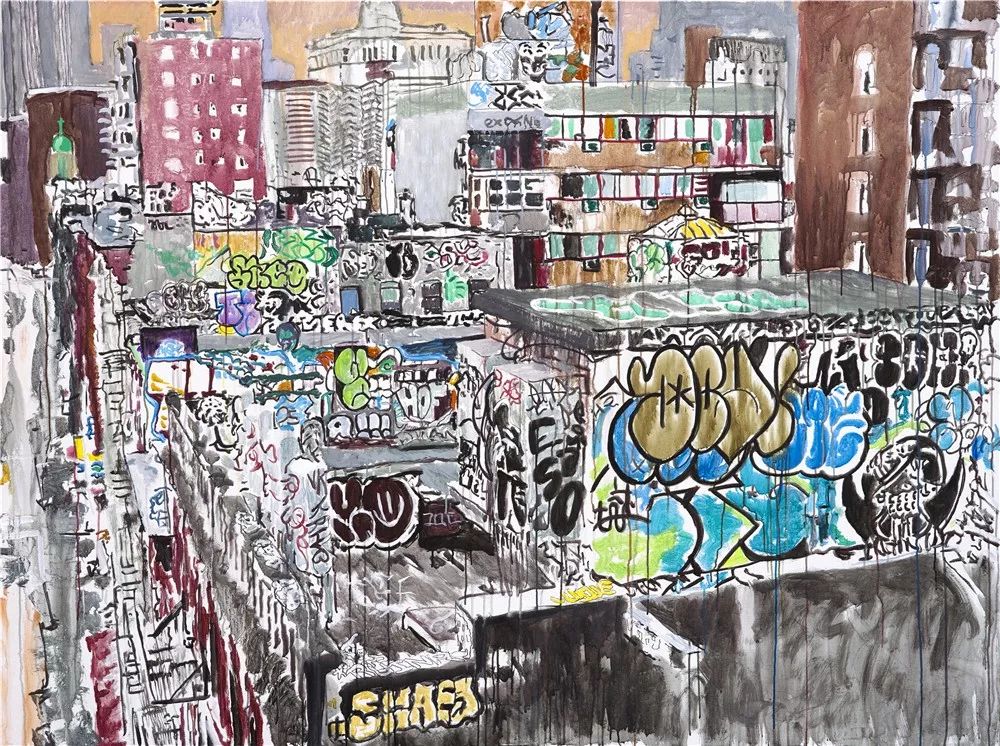
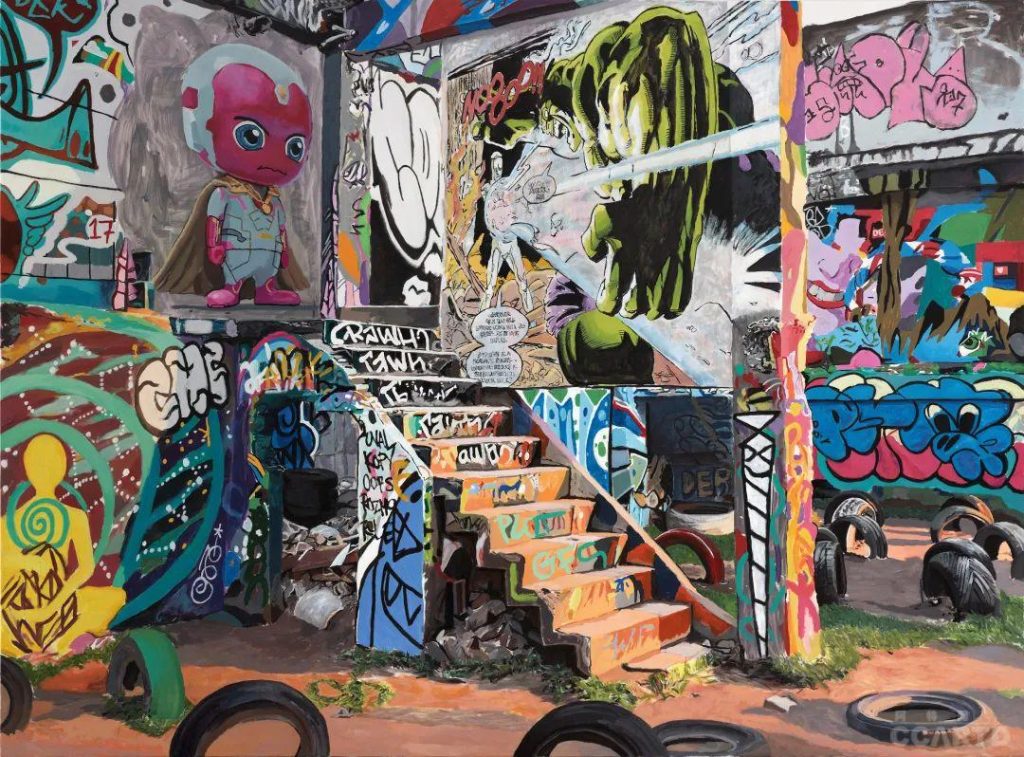
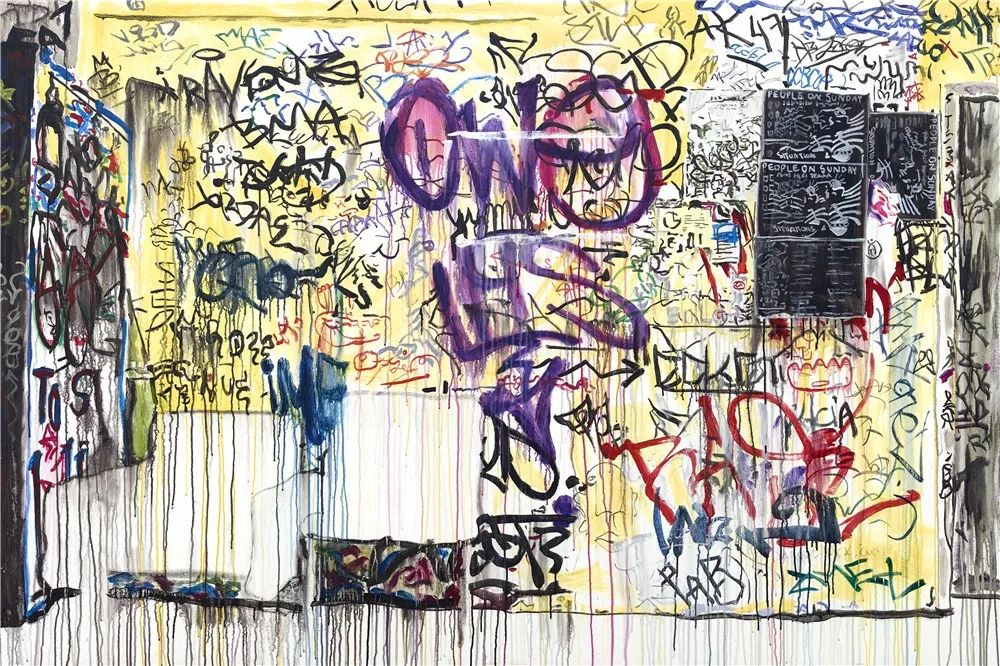
Chen Xuanrong’s artistic language typically takes the overall characteristics or specific phenomena of subcultures and popular culture as a starting point.

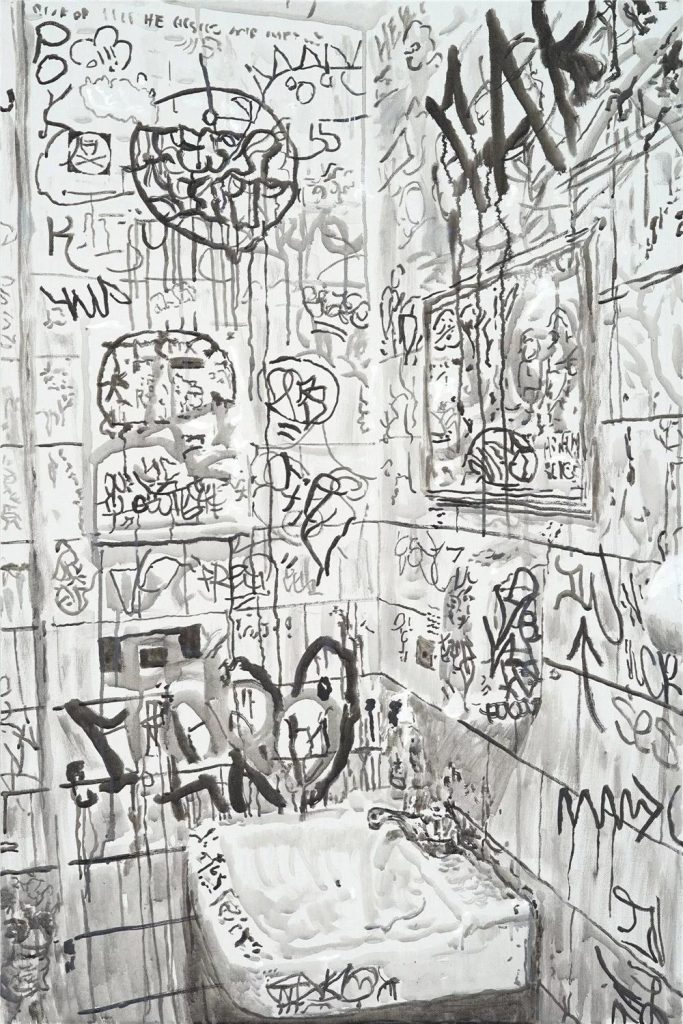
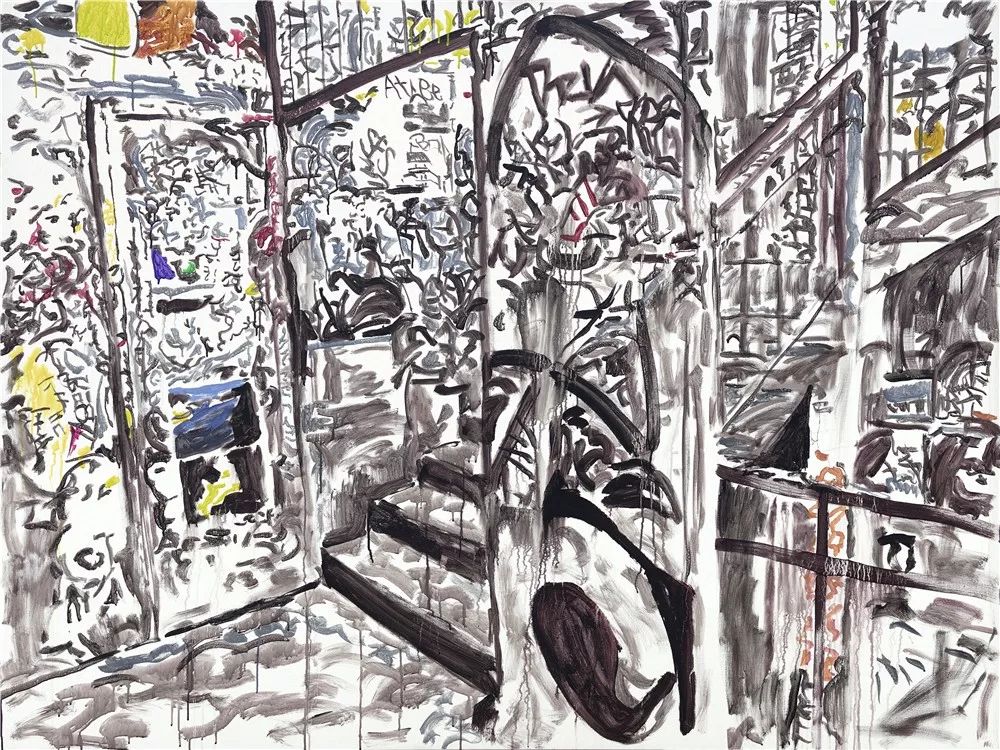
He using graffiti on canvas to express personal intentions through self-mockery and output.

The recurring visual symbols and certain ambiguous textual elements in his works imply his reflection on and satire of the social reality.

Chen Xuanrong | Roy XR.Chen

With a humorous and playful language form, mixed with peculiar symbol indications.

The overall tone of his artworks presents the artist’s refinement of the language of painting.

And his observational attitude towards reality, akin to a magical realism based on reality.

One of the most prominent aspects of Chen Xuanrong’s work is the use of a large number of visually striking color combinations to match the profound reflections contained within his pieces.

The vibrant and contradictory use of colors is like the attention he pays to the younger generation in contemporary society, with their pursuit of freedom, individuality.

And inclusivity being vivid, impactful, chaotic yet powerful.

Chen Xuanrong | Roy XR.Chen

The “street graffiti” that is not widely accepted in China symbolizes the conflicts and rebellions that accompany each generational shift, as seen through Chen Xuanrong’s perspective.

Chen Xuanrong : Artworks and Artistic Concepts

“G1.0.1.8” and “G1.0.2.7”: These two works are series-free creations by Chen Xuanrong in 2016. Through the use of rich colors and unique compositions, the artist showcases his unique understanding of popular culture and subcultures. With delicate and powerful brushstrokes, Chen Xuanrong expresses his unique feelings and profound thoughts about the world.

Chen Xuanrong | Roy XR.Chen

“Like Father, Like Son” Series: This series reflects Chen Xuanrong’s deep reflections on family, affection, and growth. By depicting the daily interactions between fathers and children, he showcases the warmth and strength of familial bonds.

Chen Xuanrong explores the changes in family relationships and the challenges of individual growth in modern society through his works.

Graffiti Series of Chen Xuanrong

Chen Xuanrong has a strong interest in graffiti art. His graffiti series not only demonstrate the diversity and creativity of street graffiti.

But also embody the artist’s profound reflections on urban culture and social phenomena. Through his works, Chen Xuanrong finds new ways to express himself and address social issues. We can hear the cries coming from abandoned neighborhoods, see the uncontainable expressions of freedom between the spray paints.

Chen Xuanrong | Roy XR.Chen

The charm of art lies in the endless subversion and reshaping of established matured inertial thinking or experiences.

In the bodily semantics and psychological structures that may obtain some relevance hints in the individual cognitive transformation process among the three time nodes of past, present, and future, and in response elements.

Chen Xuanrong’s throwing and questioning of painting concepts and concepts are also self-questioning, denial, or affirmation. Through artistic works, he provides a new sense of uncertainty and freedom for the establishment of relationships between individuals and societal domains in the process of deconstructing and constructing the self.

Artistic Achievements and HonorsChen Xuanrong has held solo exhibitions and residency projects in venues such as Shanghai Haomei Art Hotel and the Taipei Museum of Contemporary Art.

He has also participated in important exhibitions at the Beijing Today Art Museum, the Today Art Museum, and the Shanghai Mingyuan Art Museum.

In addition, Chen Xuanrong has designed a collaborative art car for Land Rover Range Rover Evoque, seamlessly integrating art with life.

His works have not only gained acclaim domestically but have also been exhibited internationally, attracting attention and recognition from the international art community.

Chen Xuanrong | Roy XR.Chen

Sources

陈轩荣 | Roy.XR.Chen

陈轩荣CHEN XUANRONG

Chopping Waves – Chen Xuanrong Solo Exhibition (Solo Exhibition)

Categories
Contemporary 当代 艺术家

Contemporary|Chen Dandizi – Multimedia Art and the Human Emotional Environment

Chen Dandizi was born in Hezhou, Guangxi, China in 1990. And graduated from the Oil Painting Department of Guangzhou Academy of Fine Arts in 2015. Her learning experience has laid a solid artistic foundation for her.  During her school years, she not only systematically learned oil painting techniques.

But also extensively explored various art fields such as video recording, installation, photography, and literature. These diverse learning experiences provided her with rich sources of inspiration for her artistic creations.

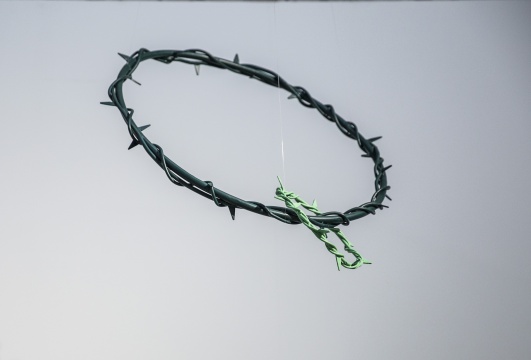
Thorn Crown, by Chen Dandizi
detail:78 x 60 x 5cm stainless steel baked paint 2020

Her artistic journey began with a love for beauty and a profound insight into the world. Through observation, experience, and reflection on life. And her works convey profound humanistic care and a keen perception of the changing times. Chen Dandizi ‘s works have the characteristic of media symbiosis.

And she is good at using different artistic media to express her thoughts and emotions. Her works include the video series “Rooms” and a series of works without a series, such as “Deep Relax”, “Cosma”, and “Futurism”.

art work by Chen dandizi

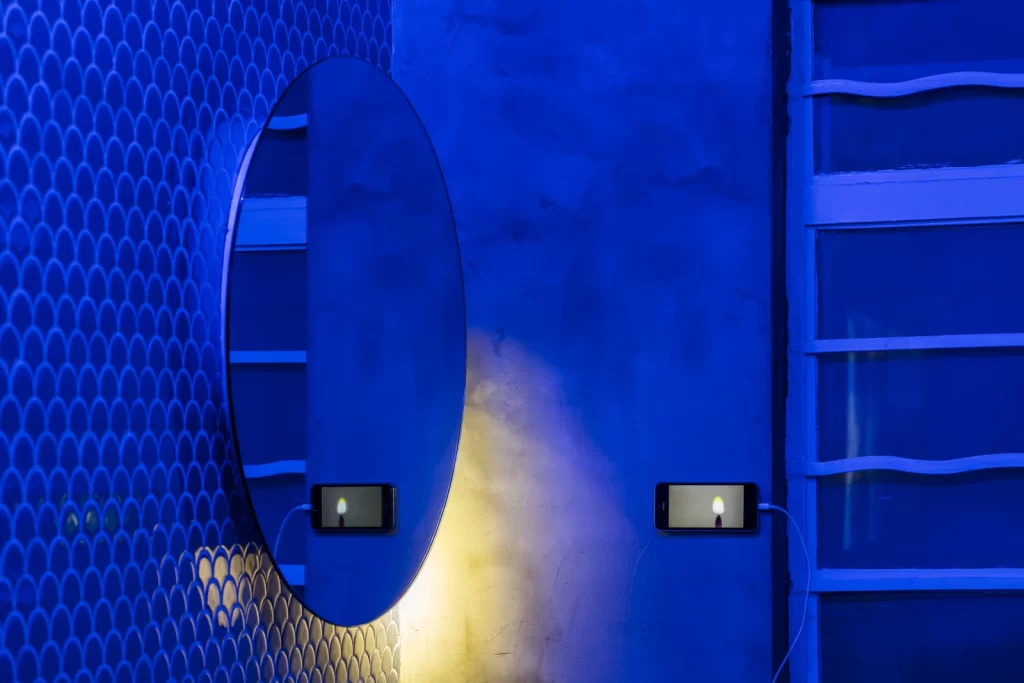
Among them, in the video work “Rooms”. She creates a tense and oppressive atmosphere by repeatedly turning on and off the cool tones and indoor light sources.

The changes in the room only occur in the darkness when the lights are off, and in this darkness, people never appear. Leaving only the sound of knives and forks colliding on the dining table in the darkness.

This metaphor surrounding the absence and concealment of the physical body explores the drifting and unreliance of human psychological states in modern society.

This work not only reveals people’s sense of loneliness in modern life, but also showcases Chen Dandizi ‘s profound understanding of human nature and keen grasp of the times.

Photo by Timo Ohler, courtesy of the artist and Hua International, Exhibition Designed by Krista Xueying Yu
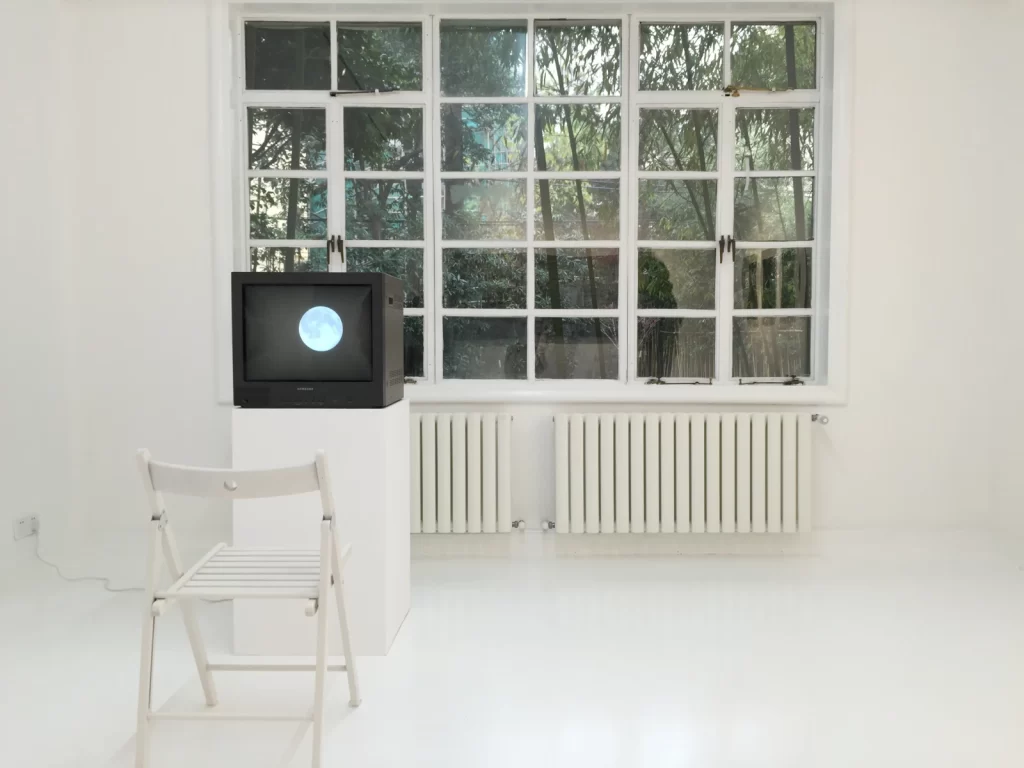
The video installation by Chen dandizi

Chen Dandizi said that he is a contradictory person

She grew up in a damp “southern green” environment, and her memories of it were vivid and vivid. “Every spring and summer, plants appear washed green, and the roots, leaves, and branches are filled with water vapor.” The scene of returning to the southern sky became clearer and more specific. “The ceramic walls of the building were” shedding tears “, and the moisture of moss dyed the white walls green. People and animals and plants are receiving the warmth and humidity of nature together.” Such memories continue to influence Chen Dandizi ‘s creation.

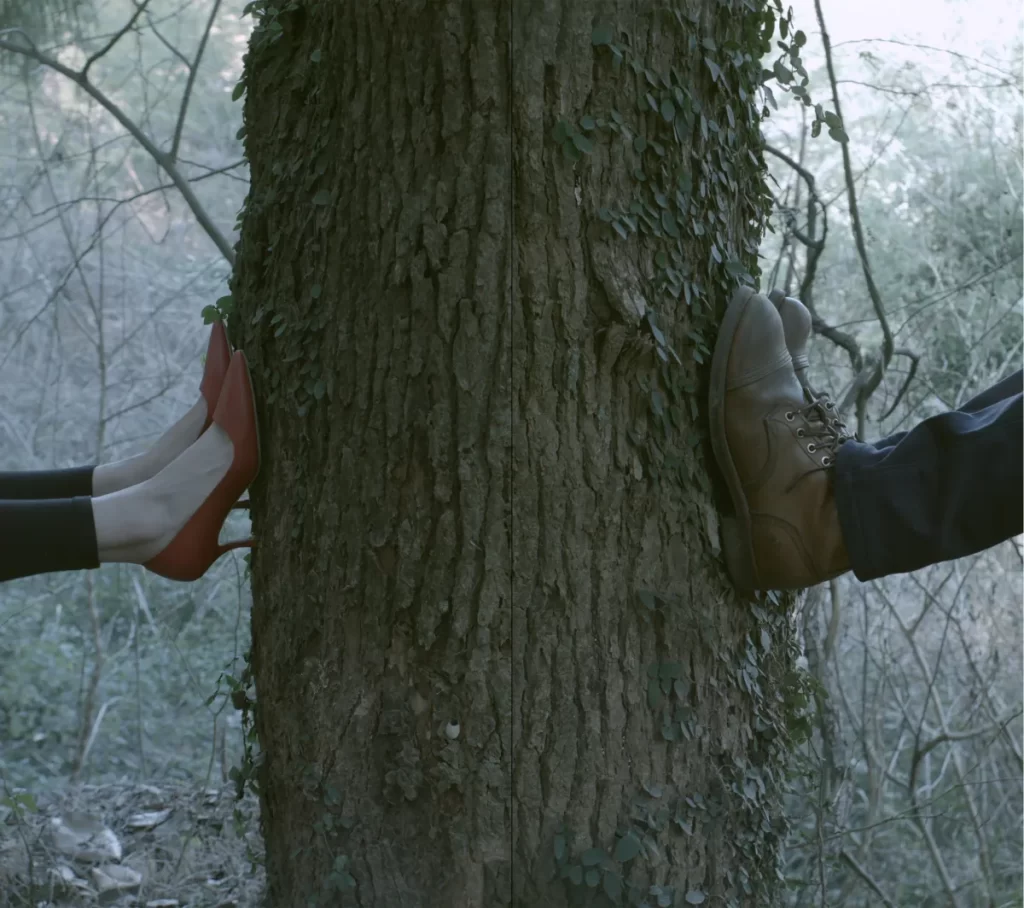
courtesy of the artist and Hua International,by Chen dandizi

Her works always explore the alienation of human emotions, the hopes and despair of alienated individuals, and the observation of natural and imagined landscapes through the depiction of recurring phenomena in both the natural and artificial worlds. Her works create a new visual experience by recombining and transforming everyday objects, leading the audience to rethink the real world.

The installation art work by Chen dandizi

Chen Dandizi ‘s artistic exploration theme always focuses on self-awareness and observation of the living environment, hoping to reveal the hidden relationship between unique moments and emotions.

Chen Dandizi ‘s flute explores the depths of human spirit and the changes of the times through his artistic practice, conveying his love and care for life, society, and nature through his works.Her works have been exhibited at Hull Space Beijing Space, Yinchuan Contemporary Art Museum, Berlin Gallery Week K60 Group Exhibition, New Century Contemporary Art Foundation, Times Art Center (Berlin), UCCA Ullens Contemporary Art Center, etc.

Sources

HUA INTERNATIONAL

ARTIST

On the coldest winter day in Beijing, hide in the “tropical room” of Chen Dan’s flute

Chen Dan’s Flute | Capturing Sensory Experience and Perception in an Instant

Categories
Contemporary 当代 艺术家

Contemporary | Hu Yun – Everything is the same

Hu Yun is born in Shanghai in 1986, graduated from China Academy of Fine Arts in 2008. I currently live and work in Melbourne and Shanghai.

Hu Yun’s works include painting, watercolor painting, performance, video recording, and installation.

Hu Yun is good at mobilising the experiences of different characters and stories, and reintegrating various materials from the past into his daily work. Therefore, artists and audiences cannot view every work of artists in isolation. Each project has a predetermined and interrelated common theme.

painting

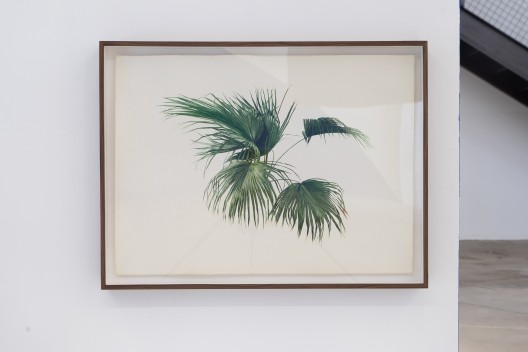
Hu Yun himself mainly engages in architectural structures. Most of his works are closely related to nature, with some focusing on elements such as plants and insects.Hu Yun, with a nostalgic heart and a warning attitude towards the audience, pays attention to nature. He incorporates simple concepts and elements into his works, transforming them into simple forms and creating rich experiences. He likes to attract public attention in interesting or engaging ways and immerse himself in his works.

Hu Yun’s works often give people a simple and rustic beauty, and after a long search.

They give people a true sense of happiness and security.

It tends to improve society with a sense of calmness and peace, rather than using the powerful creative methods of some artists.

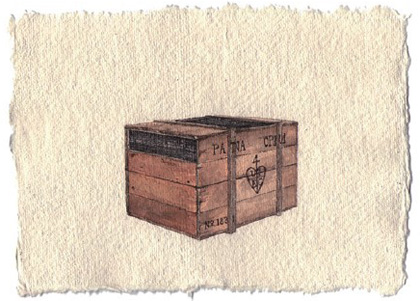
“Treasure Chest” (sketch), installation, 100x80x80cm, wooden board, screen printing, color, 2012

Everything is the same

In Hu Yun’s 2008 work “Everything is the same”, the pillar in the center of the room looks no different from him.

Quietly moving back and forth in front of us at an extremely slow speed that cannot be distinguished by the naked eye.

Every millimeter of the movement of the huge cylinder became a mystery,it slowly unfolded like a poem.

Therefore, Hu Yun’s new series focuses more on natural history research to gain new artistic reflections. The exhibition “Mysterious Garden No.1: Riverside” revolves around a unique Chinese animal.

This type of mountain chicken,is described in detail in Li Zhen’s book “The Material Media Gang” (1586).

In the 19th century, like other unique flora and fauna, it was discovered by a tea master named John.

This river (1774-1856) was the first to be introduced to the West. During his annual business trip to Guangzhou, Rivers commissioned local painters to create various animal and plant illustrations, collect animal and plant specimens and seeds. Hu Yun’s works are based on various narrative clues, attempting to reconstruct historical information, legends, and personal experiences.

 installation

When curious British people hunted this rare bird near Shanghai, they found it “always too fast to see clearly…” It was this short scene that aroused the curiosity of Westerners and created a legend, a story.

As the artist said, “History is always hidden in the intangible, and we observe, search, and speculate through different memories, experiences, and understandings.”

Mysterious Garden No.1: Riverside

Mysterious Garden No.1: Riverside

Hu Yun’s Exhibition

Hu Yun has participated in many biennials around the world. For example, the 6th Singapore Biennale (2019), the 4th and 11th Guangzhou Biennale and the 7th Shenzhen Sculpture Biennale.

His work has also been exhibited in leading contemporary museums around the world. These include: the Museum of Contemporary Art, Shanghai; Centre Georges Pompidou, Paris; Guangdong Times Museum of Art, ecc.

His solo exhibitions include:

“Micro Landscape” held at the National University Museum of Singapore in 2019;

“We have never left”, Xi’an Organizing Committee, Xi’an, 2017;

“Narrative Disease”, Aike, Shanghai, China, 2016;

“Handle with Care”, Aike, Shanghai, China, 2013;

“Our Ancestors”, Goethe Open Space, Shanghai, China, 2012;

“Water in Nature”, Museum of Natural History, London, UK, 2010.

 installation

Sources

HU YUN – AIKE

HU YUN:MOUNT ANALOGUE

Introduce of HU YUN

Evolution: Confusion in the Yuan Dynasty – The Grand Opening of Space

Categories
Contemporary 当代 艺术家

Contemporary|Qian Ningyue – Cooking always accompanies me, giving me a soothing feeling

Qian Ningyue is a student at the Royal College of Arts in the UK and a Chinese sculptor currently living in London.

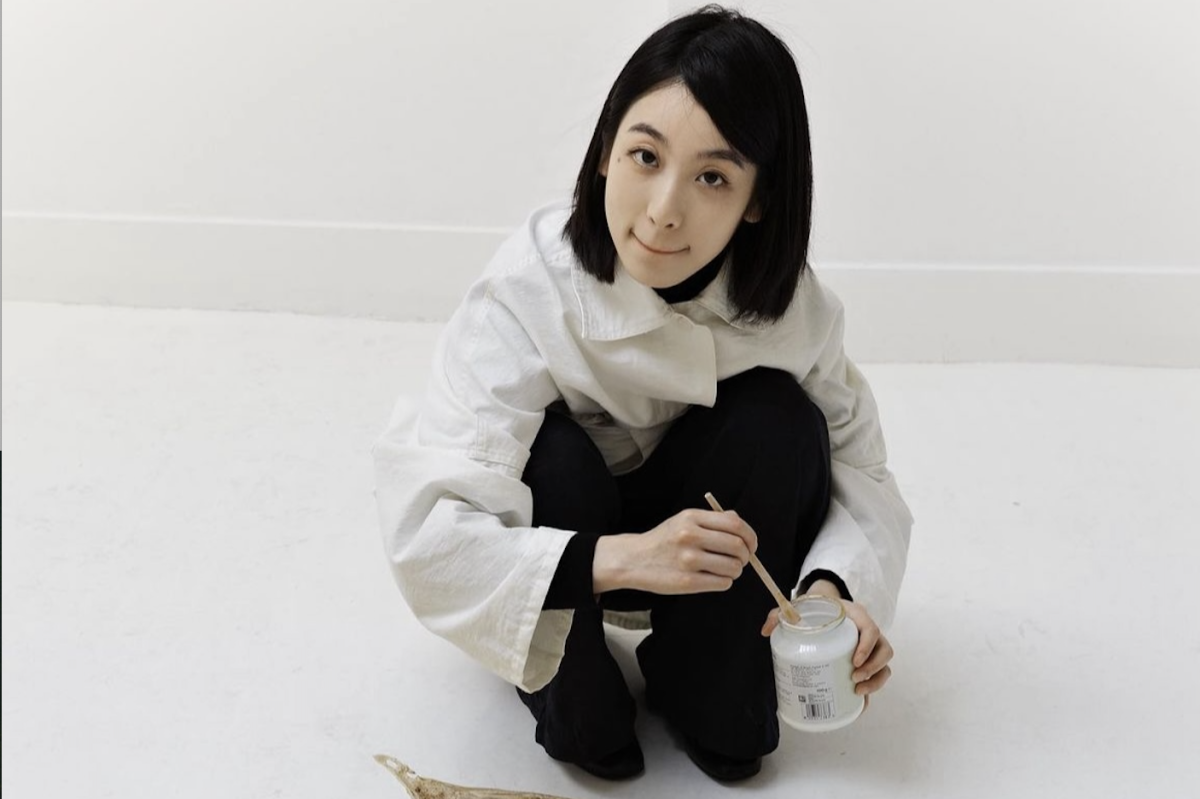
Qian Ningyue is working

She has her own independently created brand called Fanyuan, which is an art furniture brand derived from the Century 1080 Project.

Inspired by the unique charm of ancient gardens in the East, it combines quality and smooth yet visually appealing stainless steel materials.

Works of Qian Ningyue

Qian Ningyue, as an artist, often uses her insights as an observer of daily life to achieve artistic works.

She has established a research method using recording as a means to explore what we overlook in the process of discovery.

And what things have the potential to break through real-time memory.

Qian Ningyue magnifies individual features that are easily overlooked in daily life through his works.

In this way, Qian Ningyue creates opportunities for contradictions to overlap and carries out a corrective operation in a balanced state. This is an experiment conducted by artists on the logic rooted in the audience’s minds.

Qian Ningyue:Pillar

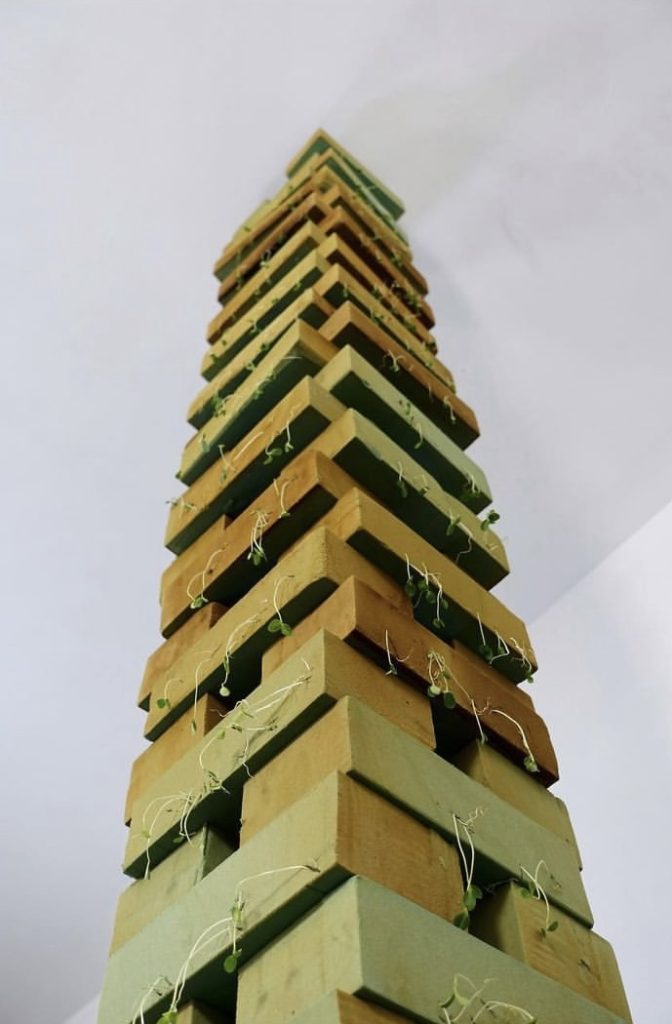
The installation art work <Pillar> by Qian Ningyue” class=”wp-image-1643″/></figure>


<p class=Qian Ningyue’s artwork “Pillar”, she planted plant seeds in the flower mud and constantly watered them to help them grow.
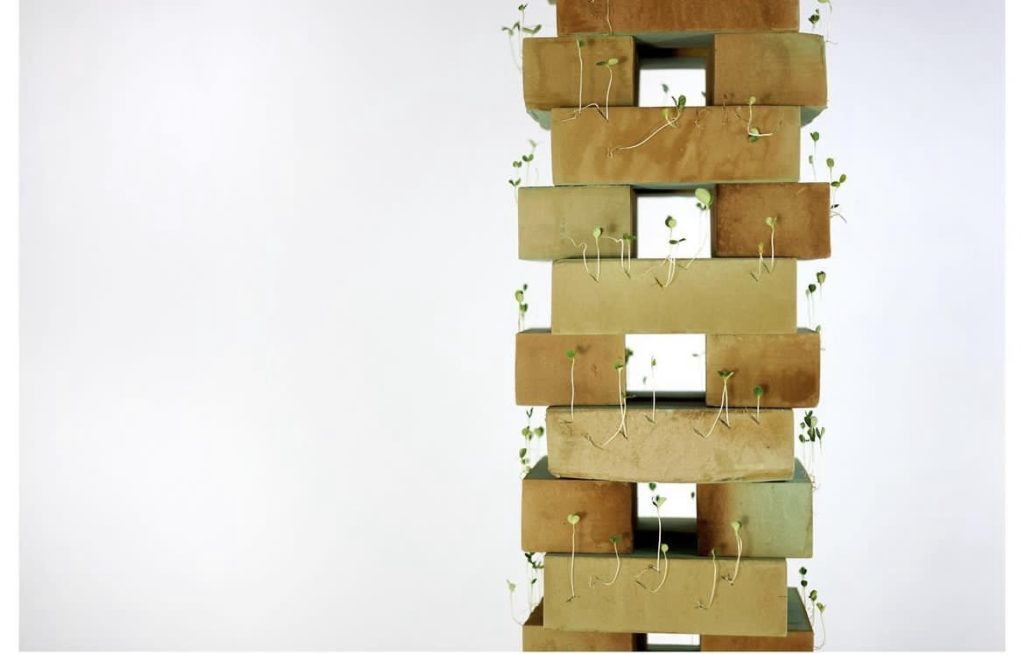
The bricks used in the building and the naturally growing plants left behind after demolition attract it. For artists, it is like a symbol, like the unity of “you have me, I have you” in the home. However, due to its strong permeability, plants can only choose to survive and cannot grow during the growth process.

They can only maintain a fixed posture to maintain life, without a complete circulatory system.

The work of artist : Pillar

Qian Ningyue:Cooking always accompanies me and gives me a soothing feeling

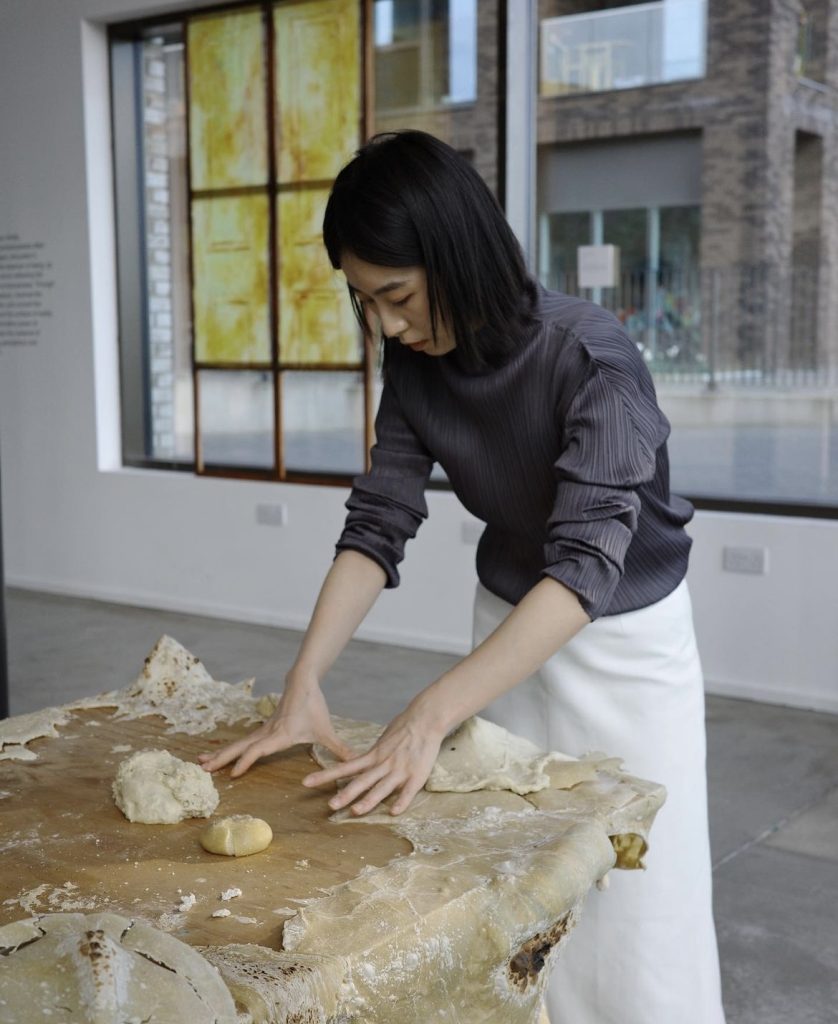
The artist is working with the art work <Cooking> ” class=”wp-image-1645″/></figure>


<p class=when the artist came to London to study, Qian Ningyue, as a non-native speaker, cured her unsafe emotions through cooking. She said, “Cooking always accompanies me and gives me a soothing feeling”.
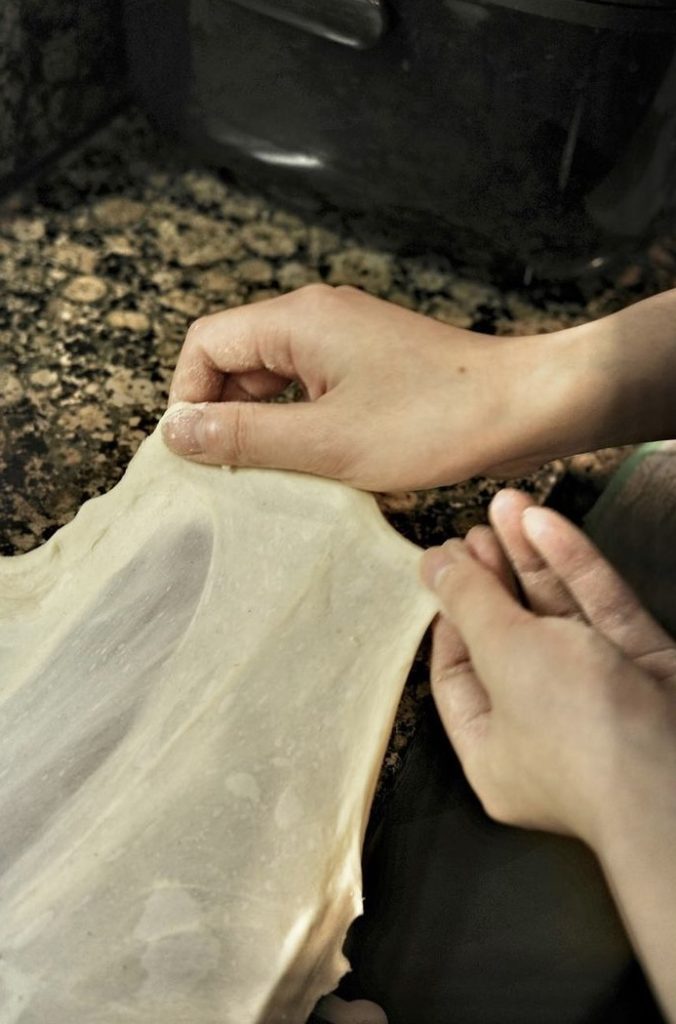
Baking expert Xiaoqu once said, “Dough has emotions. Only when you treat it gently will it repay your tenderness.”

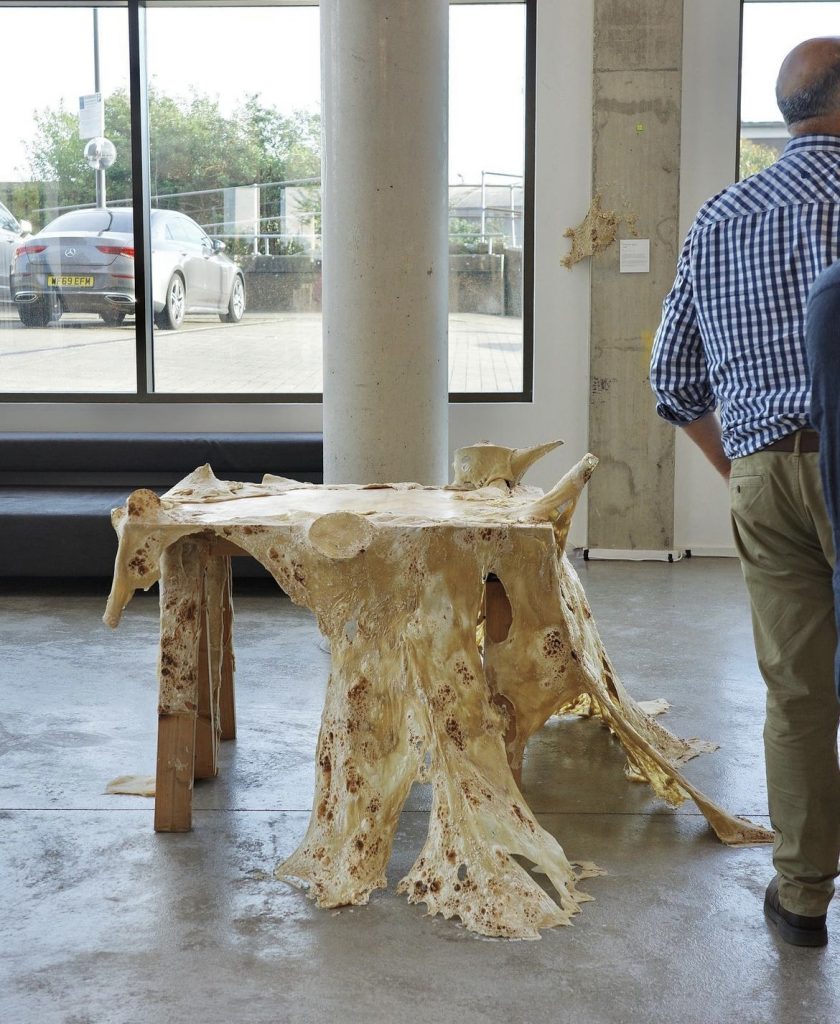
Qian Ningyue’s creative inspiration comes from cooking works. She uses materials such as dough and sugar, and uses time as a medium to change its extensibility state and on-site cooking methods. These seemingly fragile materials are combined to create structures and continuously expand unstable boundaries. By controlling the state of the dough material, Qian Ningyue divides it into two states. Firstly, after cooking, it can slowly dry and crack over time. Secondly, controlling the dryness of the dough allows it to maintain a permanent state, making it convenient to move and transport the same substance in different states.

The different contexts in which the material is in the environment are expressions.

Qian Ningyue has been using and enjoying in her creations.

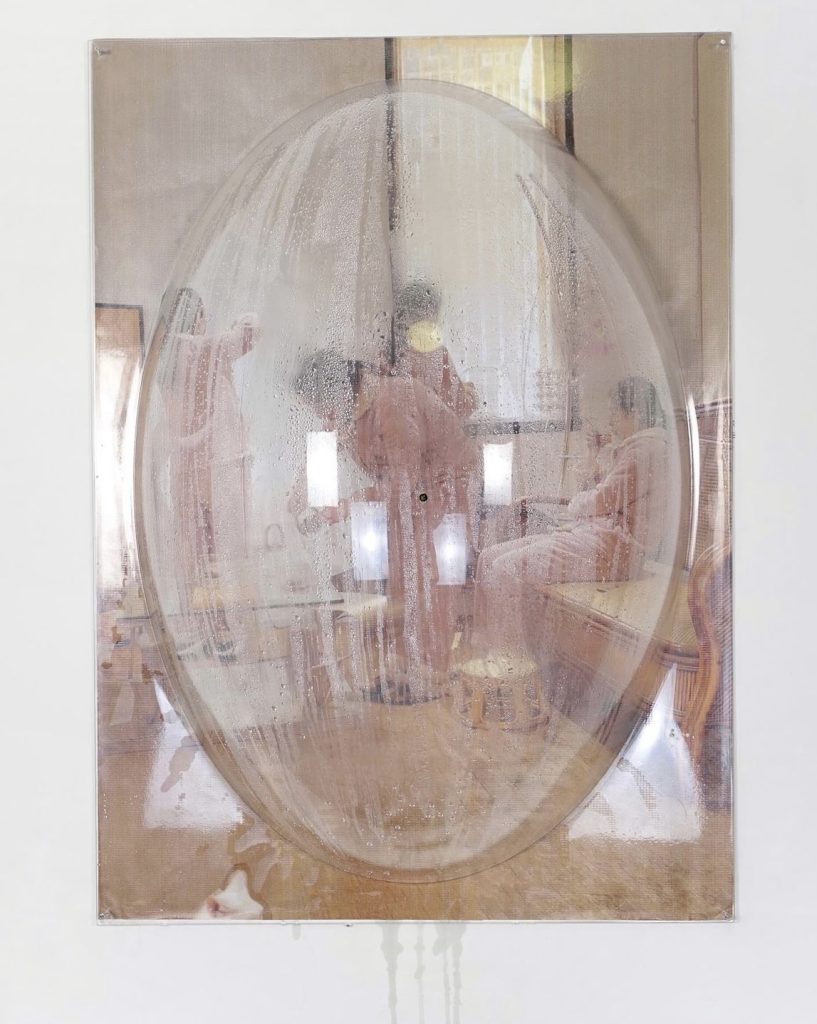
installation art work <Cooking> by Qian Ningyue” class=”wp-image-1646″/></figure>


<p class=Bread fermentation is a long process that requires appropriate temperature and humidity.
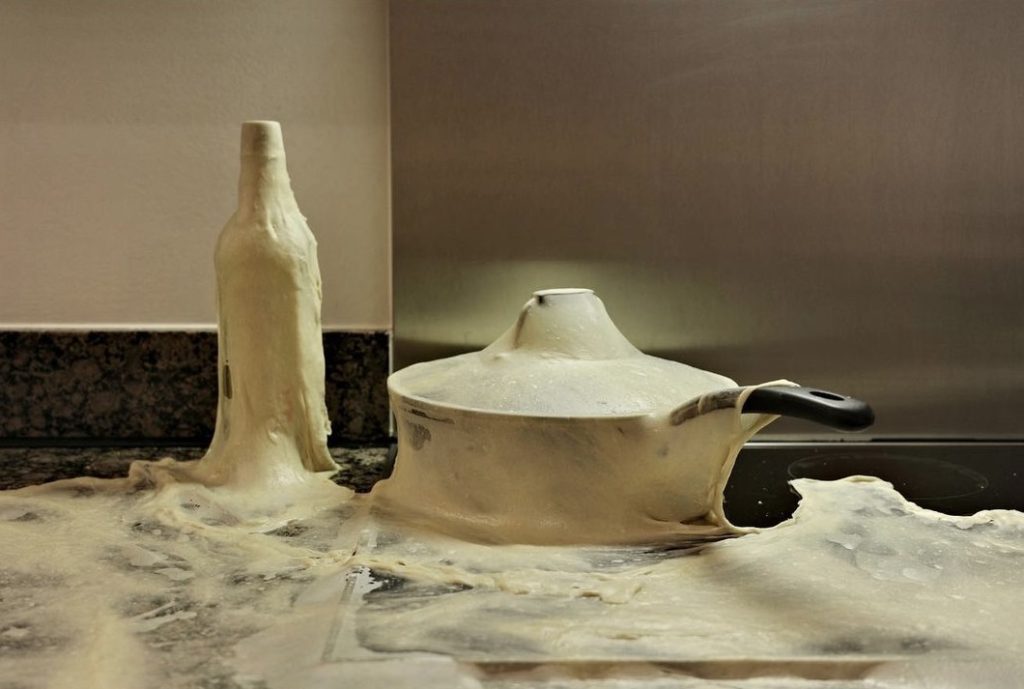
As well as the patience and gentleness of the baker. Flour, butter, eggs, milk… You combine these raw materials in a certain proportion, and watch them turn into dough in your hand.

At the temperature of your palm, it spreads from a small ball of dough to a large, soft, and white ball of dough. In this process, you can let go to a state where you forget everything.

Licking one’s own life is like a maltose

And Camus also said, “Licking one’s own life is like a maltose, shaping it, sharpening it, loving it, and searching for the final decisive word, image, or sentence that can be used as a conclusion, starting with it, and seeing everything through it from then on”.

Based on Qian Ningyue’s exploration of cooking materials in art, she integrates daily kitchen ingredients into the artistic process. Inspired by the transformative nature of cooking and the extensibility of ingredients, Qian Ningyue’s creations blur the boundary between culinary art and visual art.

She providing a unique sensory experience that challenges the limitations of traditional art.

Qian Ningyue unexpectedly manipulated dough and sugar, breaking through the limits of materiality and temporality in her artistic works. The interaction between the perishability of cooked dough as it dries and breaks over time.

And the controllable preservation of the dough in its permanent state.

In addition, her exploration of different states of the same material and the influence of environmental context on material expression have added complexity and depth to her artistic practice.

By utilizing the brevity of materials and the fluidity of explanations, the audience also contemplates the brevity of art and the constantly changing relationship between materials and the surrounding environment.

The foto of art work by Qian Ningyue <Cooking> ” class=”wp-image-1647″/></figure>


<h2 class=Sources

Baking Those Things (3)

Camus: My life is like a hot dough repeatedly kneaded

Qian Ningyue

Categories
Contemporary 艺术家

Contemporary|Tan Jing – Ah Xiong has run away

Tan Jing, born in 1992 in Guangdong Province, China, currently resides in Guangzhou. She graduated from Chelsea College of Arts and Royal College of Art in London, UK. She now lives and works in Jingdezhen and Shenzhen.

Tan Jing’s works have been exhibited at institutions such as the Shanghai Bund Art Museum, Guangzhou Huangbian Contemporary Art Research Center, Beijing X Art Museum, Hong Kong Parasite, Guangdong Times Museum, and the Basel Toy World Museum.

Tan Jing specializes in exploring the forms of individual materials and the nature of the materials themselves.

Her works are always based on light inspiration, imagination, biology, Chinese traditional folklore.

The material properties of the real world, and Tan Jing’s unique personal expression.

Her artistic practice mainly involves sculpture and multimedia installations.

After that she excels in using materials such as scents, glass, and biological secretions.

Trancing Lap Hung, 2021

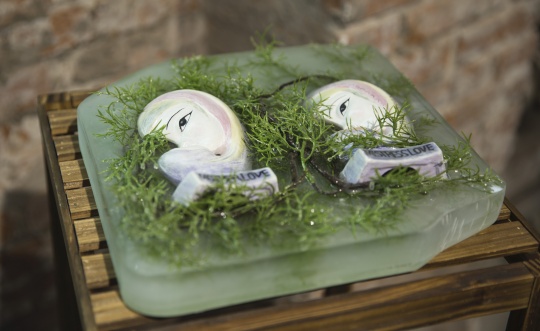
Her creative inspiration often blends personal history, biology, folklore, and magical elements to distill unique emotional experiences and insights. Tan Jing enjoys experimenting with materials in specific environments to evoke sensory experiences and communication on objects.

She explores how the sensations in the realm of imagination can flow out and allow viewers to enter the same virtual space through imaginative forms of communication.

Trancing Lap Hung, 2021. Herbs and spices, plaster, wire, aroma essence, soil, H. 200 × W. 200 cm. Courtesy of the artist.

In other words, sensitive to life but not fragile.

For instance Tan Jing’s art often focuses on the subtle emotions and traumas within individuals.

Therefore she utilizes the efficacy of objects or spaces in her expressions, creating impacts on viewers aesthetically or psychologically.

Tan Jing’s grandparents returned to China from Thailand in the 1950s. As a result as a family member, Tan Jing often feels their struggles with identity and sense of belonging.

Perhaps it is the societal constraints under patriarchy that have given rise to such pain.where any mention or encounter with pain is sensitive and fragile, and pain arises from contradictions.

Firstly,Tan Jing’s artistic language also encompasses contradictions.

Secondly, hers artistic language always fragility to express that subtle pain.

And more by combining self-expression with the characteristics of materials, she subtly distorts the historical narrative of people’s pain.

Tan Jing: Axiong Ran Away

tanking' video work:Technical support for aroma design

Tan Jing’s work “Axiong Ran Away” is an exploration of individual identity consciousness. Her grandparents were overseas Chinese from Thailand who returned to China in the 1950s. The fluidity of identity is vividly reflected in this context, and under the fluid identity.where should people turn for their sense of identity and belonging? There is no answer; we can only immerse ourselves in the feelings.

tanjing'sculpture

“Axiong” is a character created by Tan Jing based on her grandfather’s image. In 1956, Tan Jing’s grandfather left Thailand and settled in China.

In the four-channel video installation “Hot Dream Corner” completed in the summer of 2023.

Tan Jing began to visit family members and dispersed Chinese in Bangkok, Thailand, recording stories told by the elderly.

In the film, these fading memories intertwine in different languages, interspersing dialogues from the past, future, and present world, forming a unique narrative of the film. Light and shadow penetrate through four screens of different textures, opening a “window” to the corner of dreams.

Tanjing'work

In the world of art creation, artists often wander between the realms of artistic space and imaginative space, drawing inspiration from intangible thoughts to create unique works. Emotions flow and pour out like tides in this process, turning into deep emotional imprints within the artwork, touching the hearts of viewers. Materials serve as the medium through which artists express emotions, imbued with new life and meaning through the skill and creativity of the artist, becoming a bridge that connects the artist and the audience. The combination of artistic space, imaginative space, emotional flow and outflow, and materials forms an infinitely possible world in art creation, allowing people to wander in the ocean of art, experiencing endless beauty and profundity.

the work : axiong is run away

Sources

农夫和螺仙

Tan Jing 譚婧

谭婧:旱梦滩

Categories
Contemporary 人物 艺术家

Contemporary|Zhang Yibei – Cut a hole, everything becomes vase

Zhang Yibei, born in Daqing in 1992, currently lives and works in Beijing.

The hometown of artist Zhang Yibei, Daqing in Heilongjiang Province, is a place in China that is rich in oil.

Daqing, Heilongjiang

Therefore, most of Zhang Yibei’s works are “heavy industry” and “mechanical” in language, and in her exhibitions.

Most of the large metal materials are transported to Beijing after being completed in Daqing.

Zhang Yibei's Heavy Industry Materials Works

However, Zhang Yibei, who grew up in the hometown of Heavy Industry, is introverted, to the extent that her personal account cannot be found on online platforms.

which can also explain why Zhang Yibei’s work language style is so unique a huge contrast with her own. This contrast actually brings tension to the artist’s work.

Zhang Qianbei’s works usually start from an abstract assumption.

Thinking about the relationship between the author, materials, and the artist’s ideas through assumptions as connections.

In this process of reflection, Zhang Qianbei, as the creator and expressionist of ideas, combines materials to achieve a “real” world, which in turn metaphorically represents a conceptual world.

Zhang Yibei: Vases and Holes

What is reality? Concepts are always one-sided, and neither the visual nor conceptual world can be defined as reality. Reality is complex and complete.

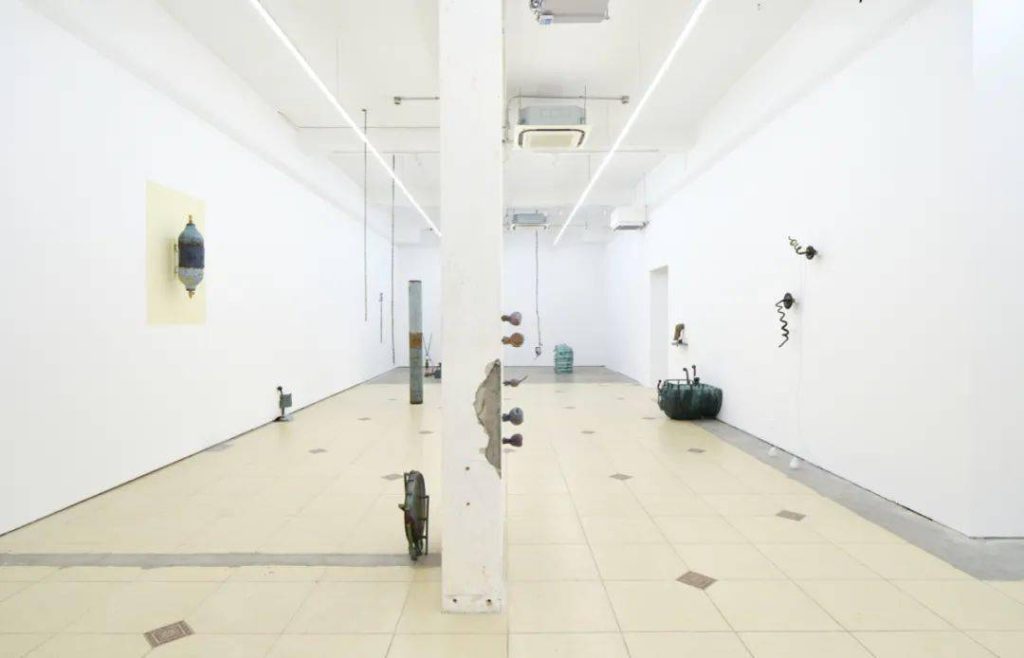
Installation view of Yibei Zhang’s solo exhibition “A Vase in Everything” at BANK

In her works, ideas and materials together constitute the image of the artist.

We can feel that Zhang Yibei’s works have a very strong personal style.

The image of the artist and works makes people think about the sequence between the experiences and experiences of the material and the artist. Therefore, in the strong personal style, the interaction between the artist and the material is also fully reflected. Perhaps our conclusion is still that materials, artists, and ideas coexist and are destined.

The materials chosen by artists, whether originating from nature or ready-made products, serve as metaphorical elements that reflect the artist’s own consciousness and subconscious.

Installation view of Yibei Zhang

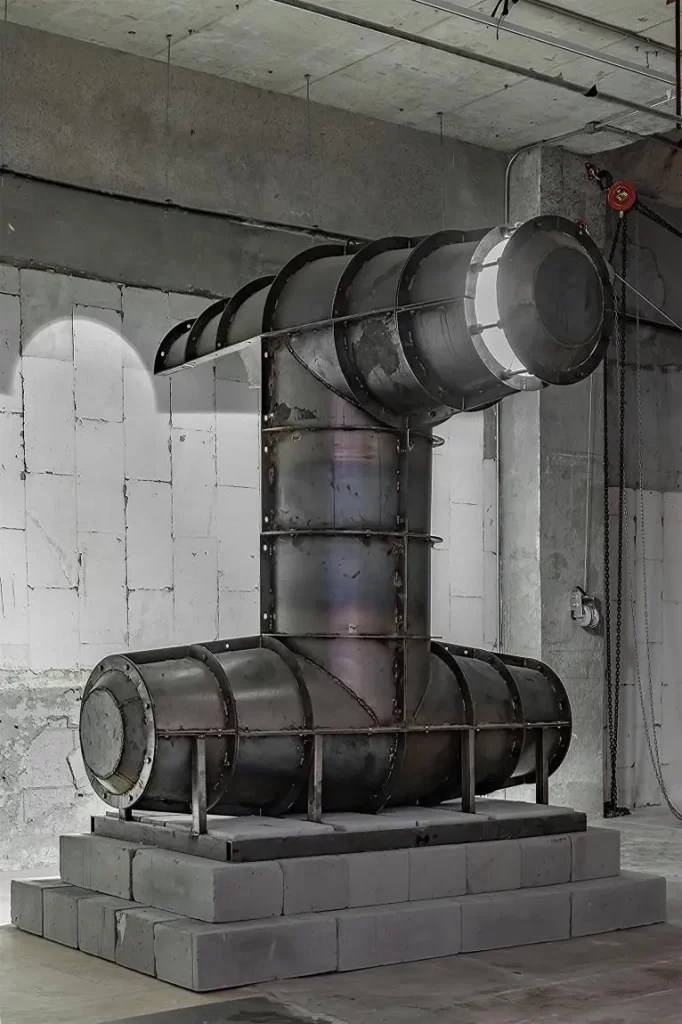
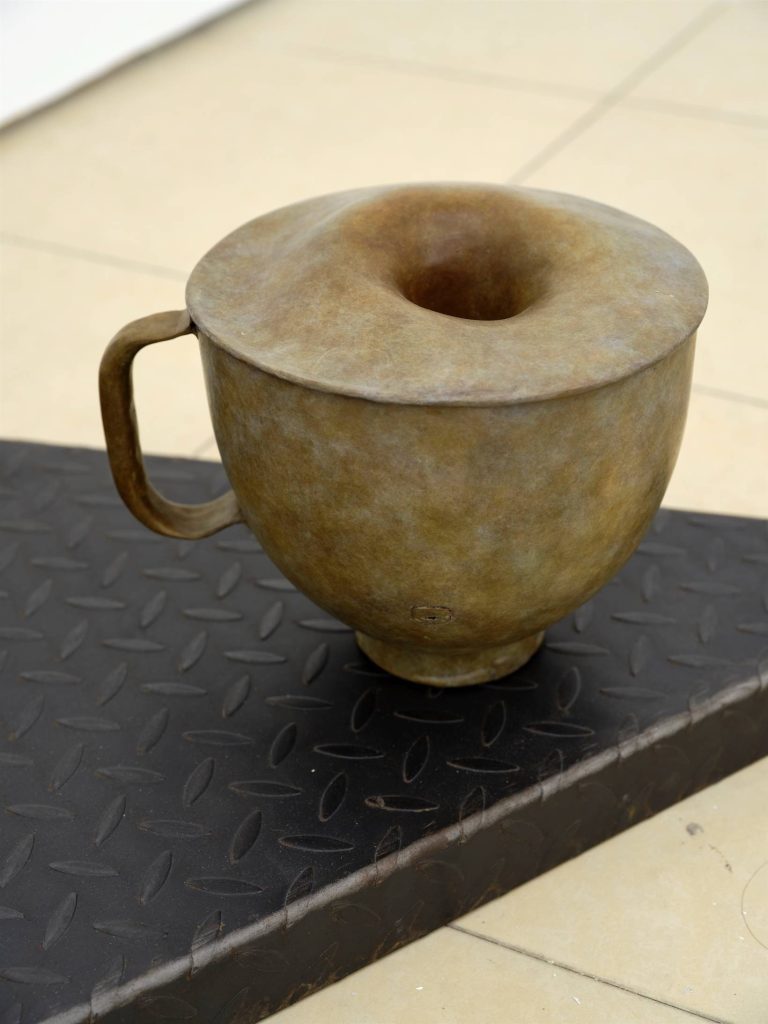
In Zhang Yibei’s works, “hole” represents both an actual hole and a space. A closed or semi closed container or pipeline represents the state of flow.

The Hole

The process of creating “holes” is also a form of reshaping, bringing new abilities and possibilities, as well as multiple metaphors and substitutes.

Just like the blank canvas pierced by Fontana, shattering means liberation. For visitors to exhibitions, fixed holes on dead objects are actually more flexible. As the audience moves, they can also notice that the holes are actually changing. The interaction between the audience and the work is purely a process of the audience’s own perception.

And personal experience, combined with the participation, transformation, and flow of the work.

The holes in Zhang Yibei’s works are not only for imagination and virtual space, but also for concrete, concrete people, and abstract ideas.

However, the “holes” mentioned in the exhibition name are not the main body of Zhang Yibei’s works, and they are not deliberately portrayed.

Installation of Yibei Zhang

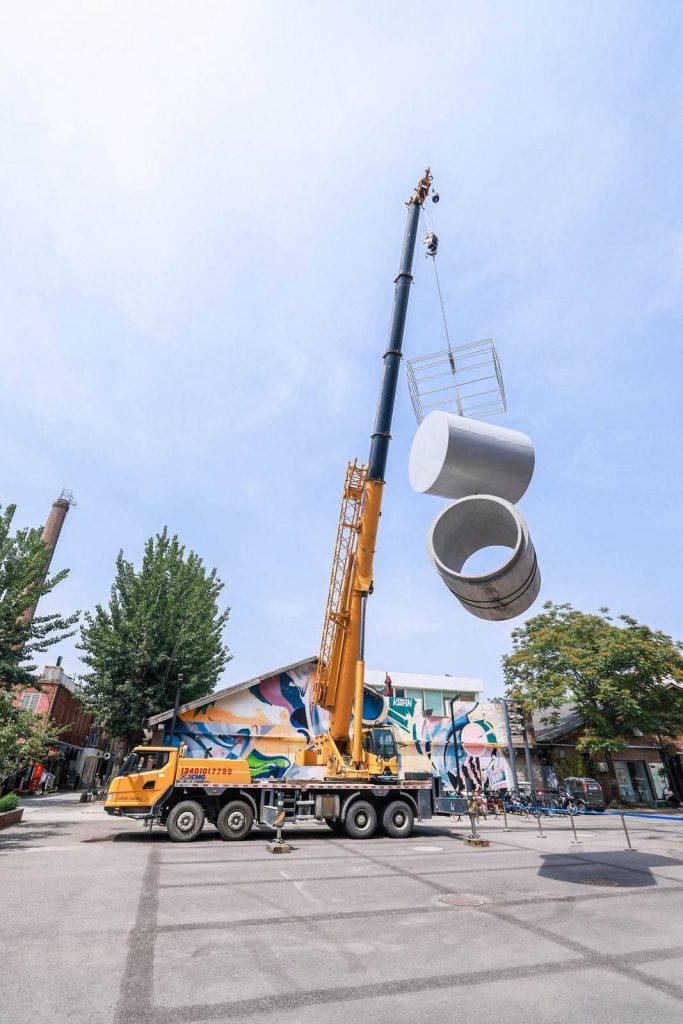
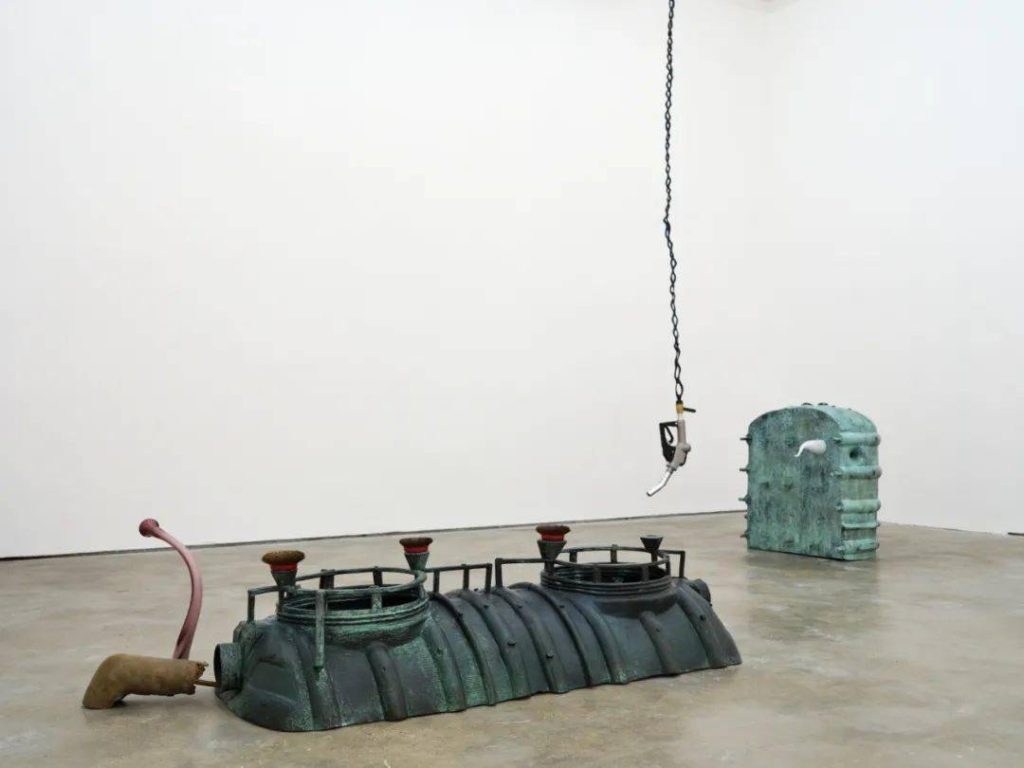
However, we can see that these “holes” are sometimes real holes. For example, holes on the lid of a bread maker, indentations on the surface of a septic tank, air valves on a pressure cooker, or air outlets on an electric iron. Wait, the actual “pores” are always covered by the “pores” in the structure or space of the material.

Therefore, the holes in the exhibition are actually everywhere. Holes represent transcendence on objects, while the audience surrounded by the work is enveloped by a blank space like air.

Zhang Yibei’s Cavity

In short, for the concrete Kong, it is like a blank space in people’s lives, and this blank space is expressed in a poetic way by Zhang Yibei as blank space. For the abstract Kong, it contains infinite and rich energy, just like blank space begins with infinity, infinity begins with blank space.

Zhang Yibei mentioned several times in the interview his resistance to explaining the work. “When I was studying in the UK before, I would often discuss and explain works in small groups during class.” At that time, Zhang Yibei felt that it was a bit foolish to directly define her own works in the explanation. In her opinion, the interpretation of works has always been open. She joked to herself, “You can chat normally without talking about your own work.” Everything she wanted to say was included in her work.

Therefore, the “Kong” in Zhang Yibei’s works is not only a physical space, but also gives way to the audience in interpretation. The creator gives space to people who do not belong to the creator, which is a true form of communication.

Installation of “A Vase in Everything” by Yibei Zhang

Sources

Art Forum

Zhang Yibei: You can chat normally without discussing works

HI character Zhang Yibei

Zhang Yibei: Perceived Holes, Absent Flower Arrangers

Categories
在博物馆 人物 传统 典藏故事 古代 艺术家

Palace Museum | Nymph of the Luo River

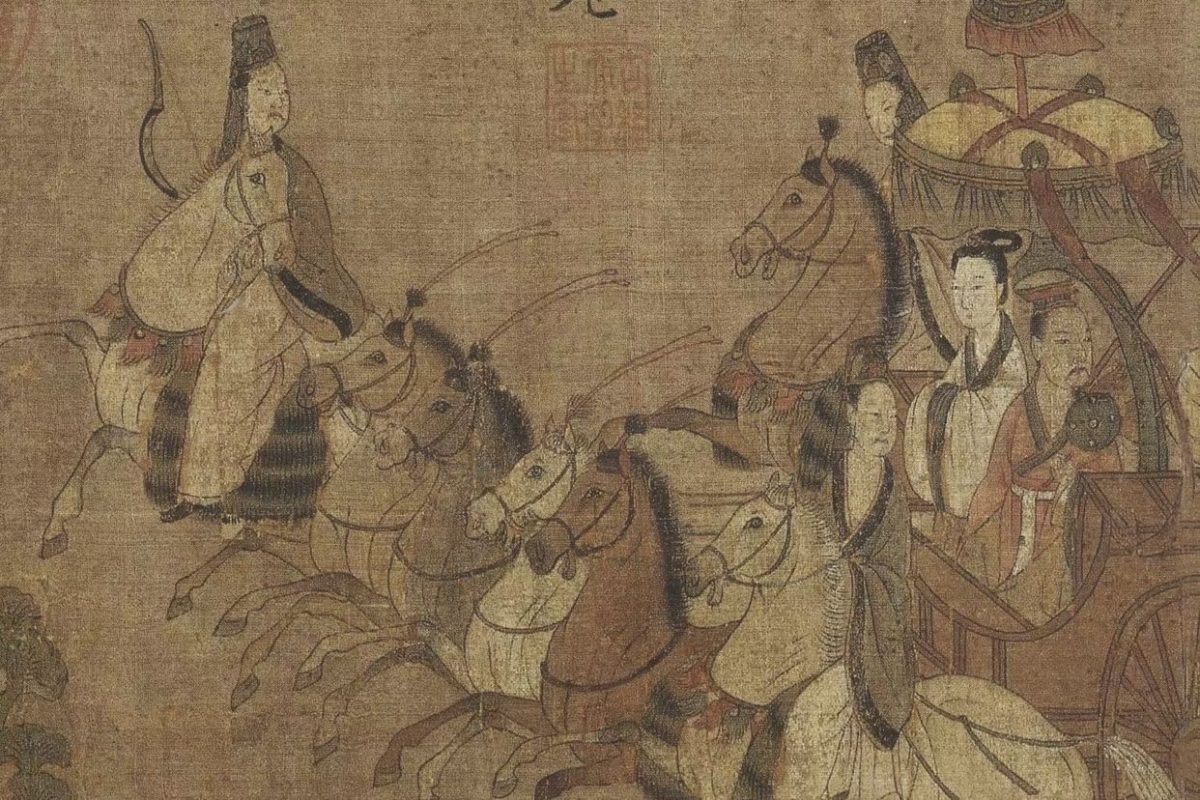
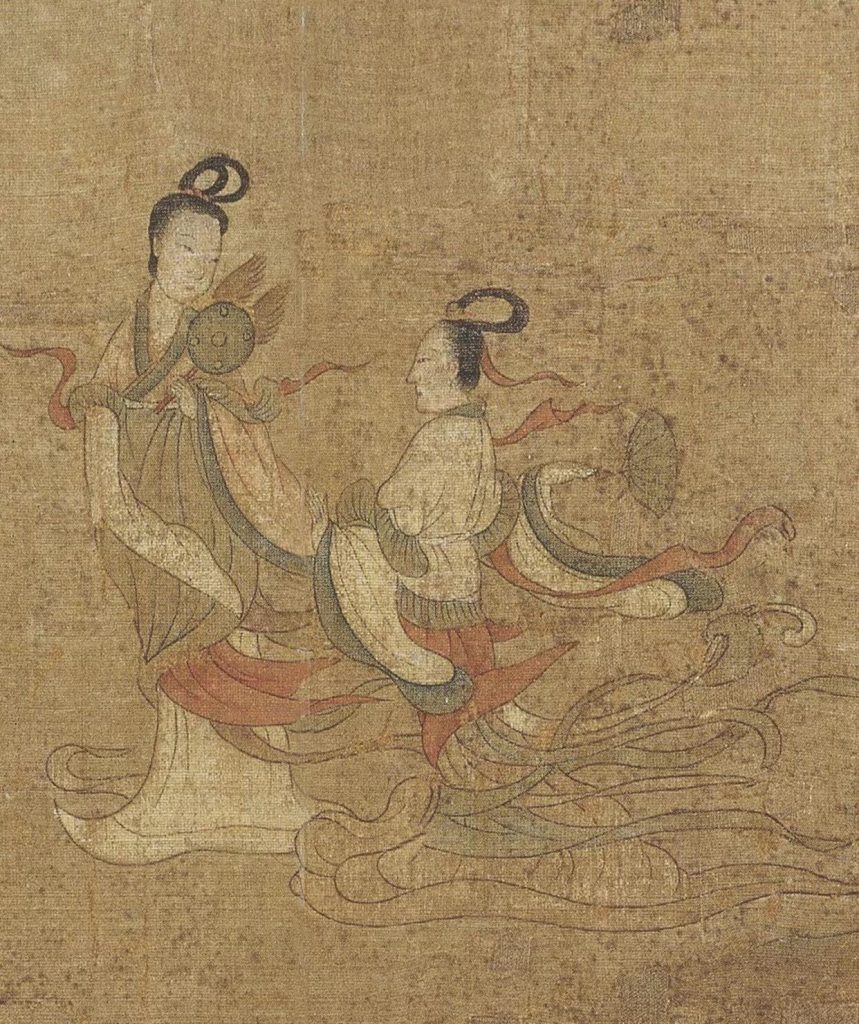
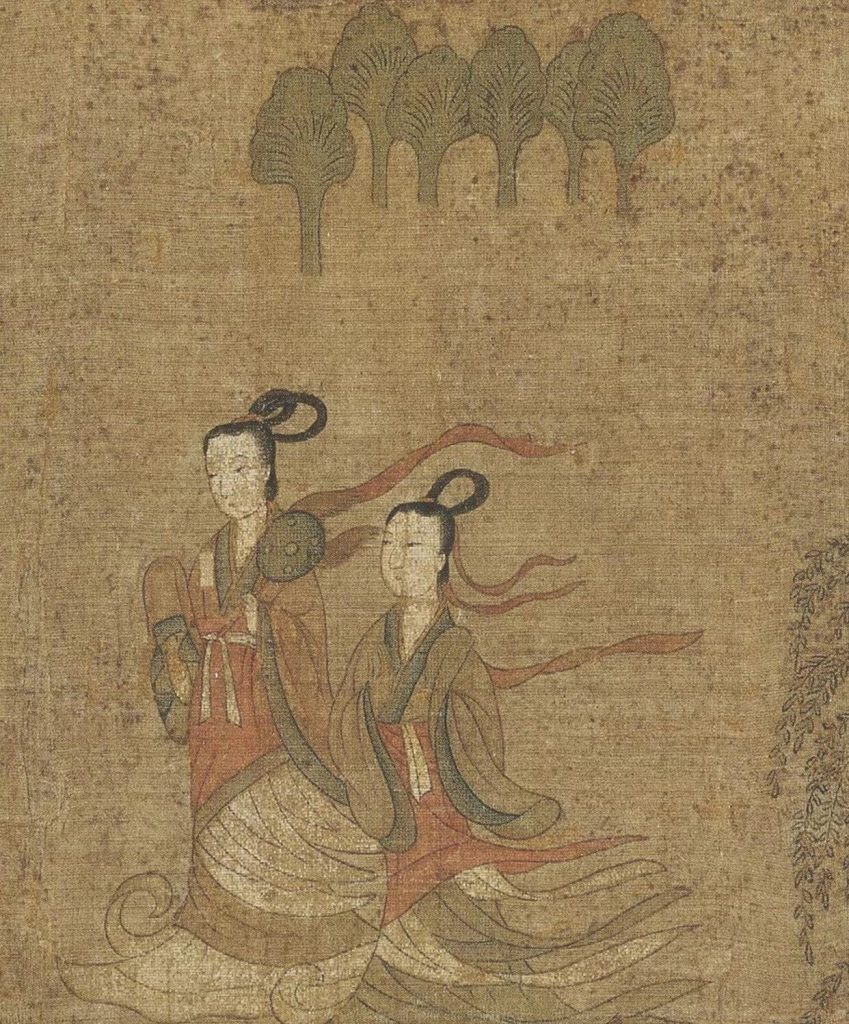
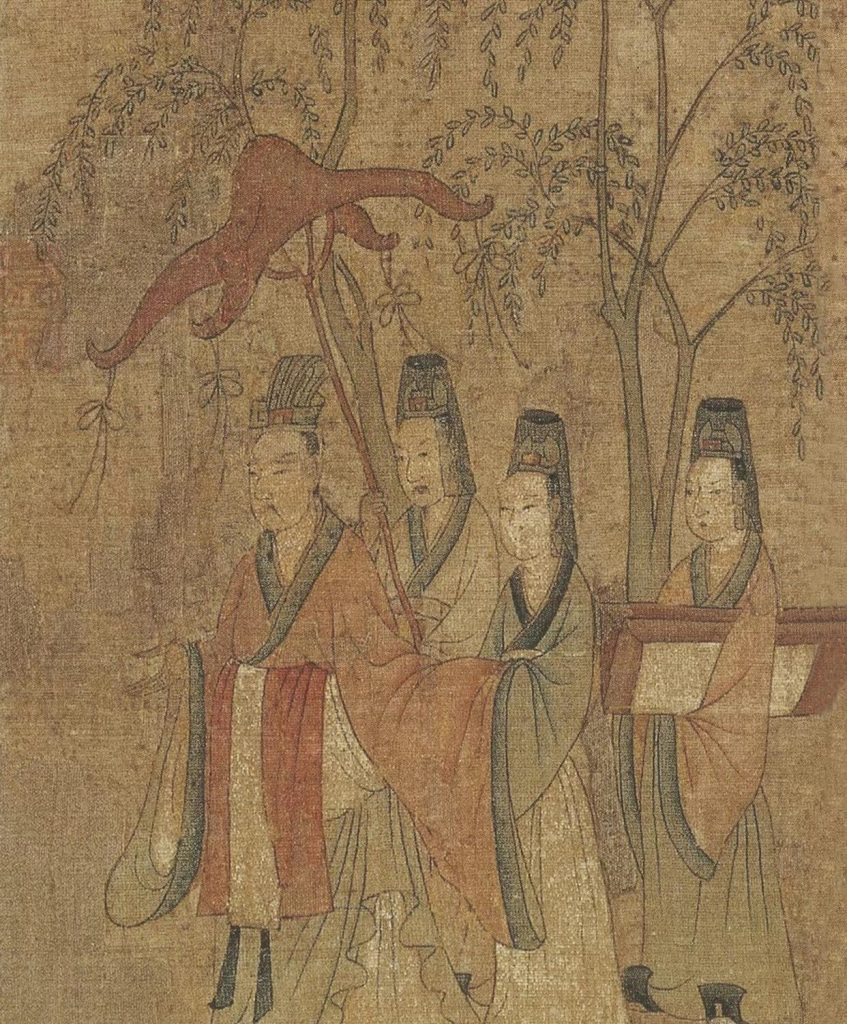
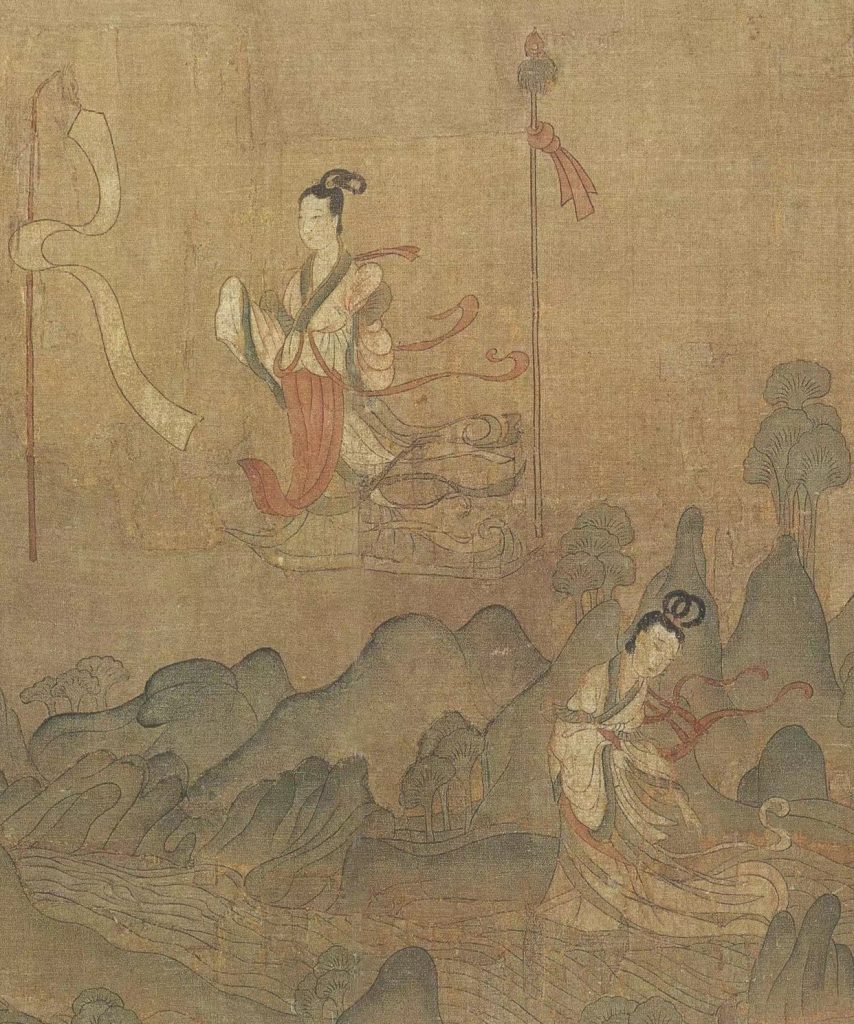
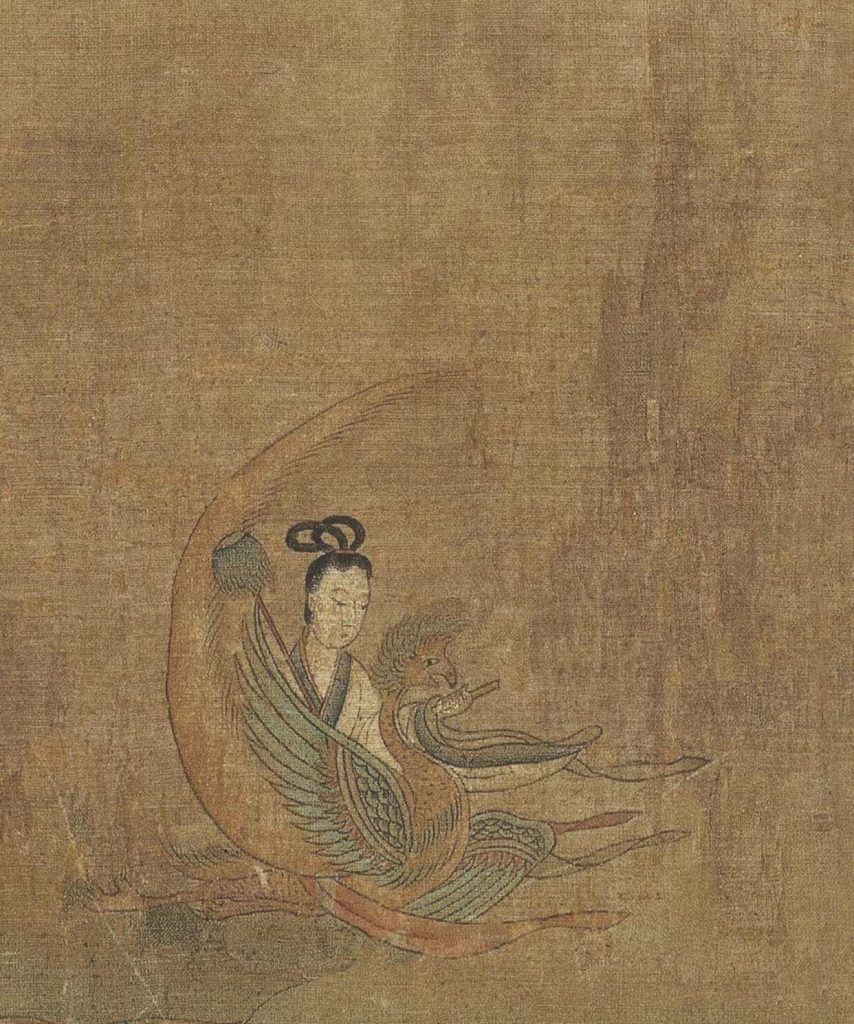
The painting Nymph of the Luo River is a work of Gu Kaizhi, a famous painter of the Eastern Jin Dynasty. Gu Kaizhi painted it after reading Cao Zhi’s poetry Nymph of the Luo River. This painting is one of the treasures of classical Chinese painting in terms of its content, artistic structure, character modelling and other methods of expression. The painting now in the National Palace Museum is a copy of Gu Kaizhi’s Nymph of the Luo River by a Song dynasty artist.

a part of Nymph of the Luo River
Palace museum
Gu Kaizhi

Introduction to the painting Nymph of the Luo River

Creative Background

Legend has it that Cao Zhi is the author of the poetry Nymph of the Luo River. He fell in love with Zhen Yi’s daughter when he was young. But Zhen Yi’s daughter was later forced to marry Cao Zhi’s brother. She died after giving birth to a son. Cao Zhi wrote poetry Nymph of the Luo River as a memorial after her death. Gu Kaizhi was so moved by this story, he painted a picture of Nymph of the Luo River.

a part of Nymph of the Luo River
Palace museum
Gu Kaizhi

Figures

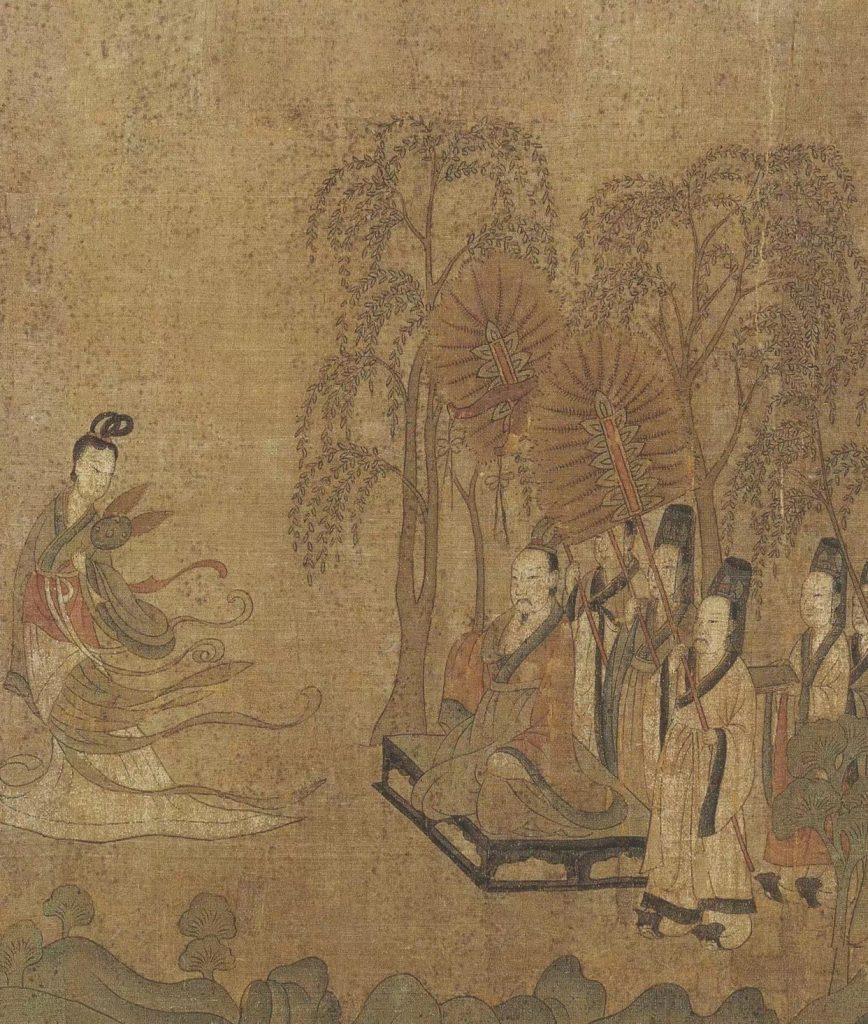
The main characters of this painting are Cao Zhi and Nymph. Cao Zhi, standing on the shore, has a stagnant expression, and his eyes are gazing at Nymph who stands on the water, very fascinated. Nymph, with her hair in a high bun and her clothes blown up by the wind, has a feeling of floating from the heavenly realm, and she wants to go but still stays, with a look of admiration between her eyes. Throughout the scroll, Gu Kaizhi repeatedly arranges for Cao Zhi to meet with Nymph, but even though she falls in love with Cao Zhi, Nymph eventually has to leave, leaving Cao Zhi standing on the shore, pining for her all day long, and ultimately departing in despair.

a part of Nymph of the Luo River
Palace museum
Gu Kaizhi

When Gu Kaizhi was portraying the characters, he deliberately handled Cao Zhi’s attendants in a dull manner, thus showing Cao Zhi’s excitement. What the audience sees at this point is Cao Zhi’s concentration and excitement, which is difficult to express in words. This is in line with Gu Kaizhi’s artistic philosophy. He believed that one should not only portray the character’s appearance, but also the character’s inner personality. This viewpoint had a great influence on the development of Chinese painting in the later period. It laid the foundation for the pursuit of ‘ depicting the spirit ‘ in Chinese painting.

a part of Nymph of the Luo River
Palace museum
Gu Kaizhi

Landscapes

In this painting the relationship between the figures and the background is out of kilter, and the close-ups are not distinguished from the distant landscapes; the figures are as tall as the mountains. This was also the situation in early Chinese paintings and did not improve until the Sui and Tang dynasties.

a part of Nymph of the Luo River
Palace museum
Gu Kaizhi

Animals

Gu Kaizhi created many rare birds and exotic animals based on the depiction of poetry Nymph of the Luo River. In fact, these animals didn’t exist in life . They were entirely imagined by Gu Kaizhi. For example, the dragons he painted had antlers, and the fish he painted had the head of a leopard. They run on the river without splashing, as if they were flying through the air.

a part of Nymph of the Luo River
Palace museum
Gu Kaizhi

The significance of the painting Nymph of the Luo River

The painting not only represents the highest level of painting in the Eastern Jin Dynasty, but also Gu Kaizhi’s art theories influenced the development of Chinese painting in the later period, which made Chinese painting develop in the direction of paying more attention to the ” spirit “.

Source

Nymph of the Luo River

Palace Museum

Gu Kaizhi

Categories
Contemporary 人物 当代 艺术家

Contemporary | Zhao Qi: like works

The Chinese art

Artist: Zhao Qi

zhao qi Born in Jin County, Liaoning Province in 1954
He currently works and lives in Beijing

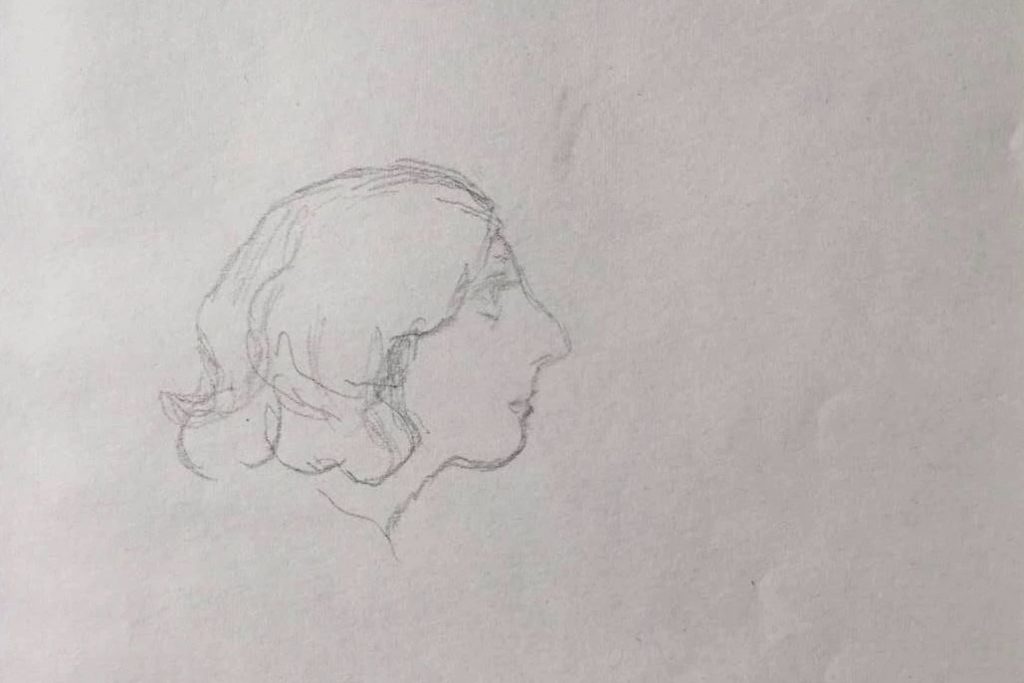
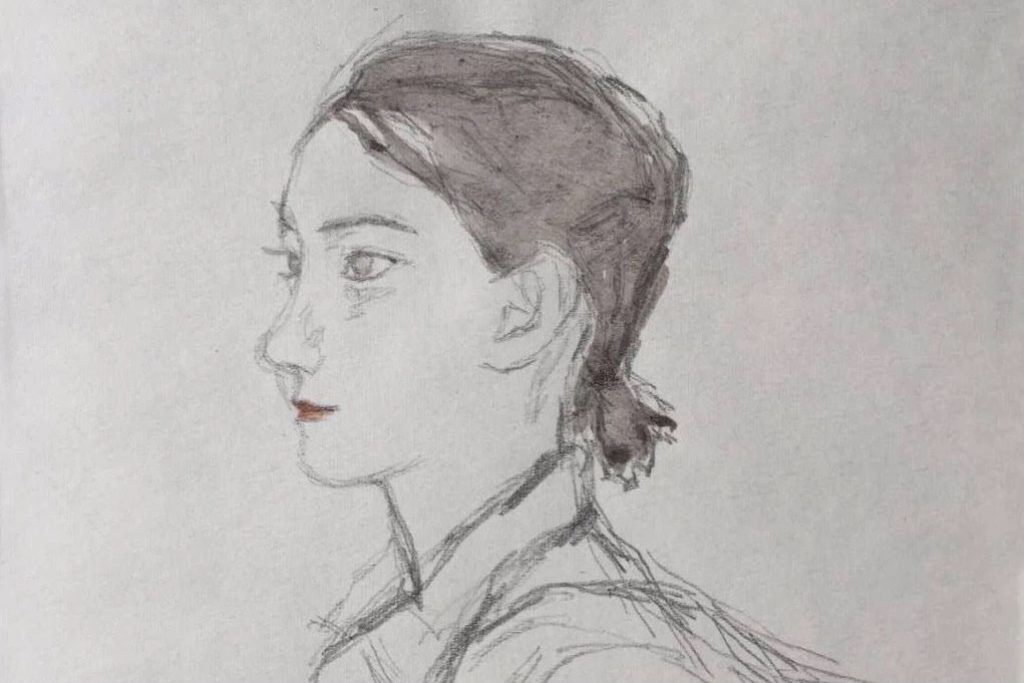
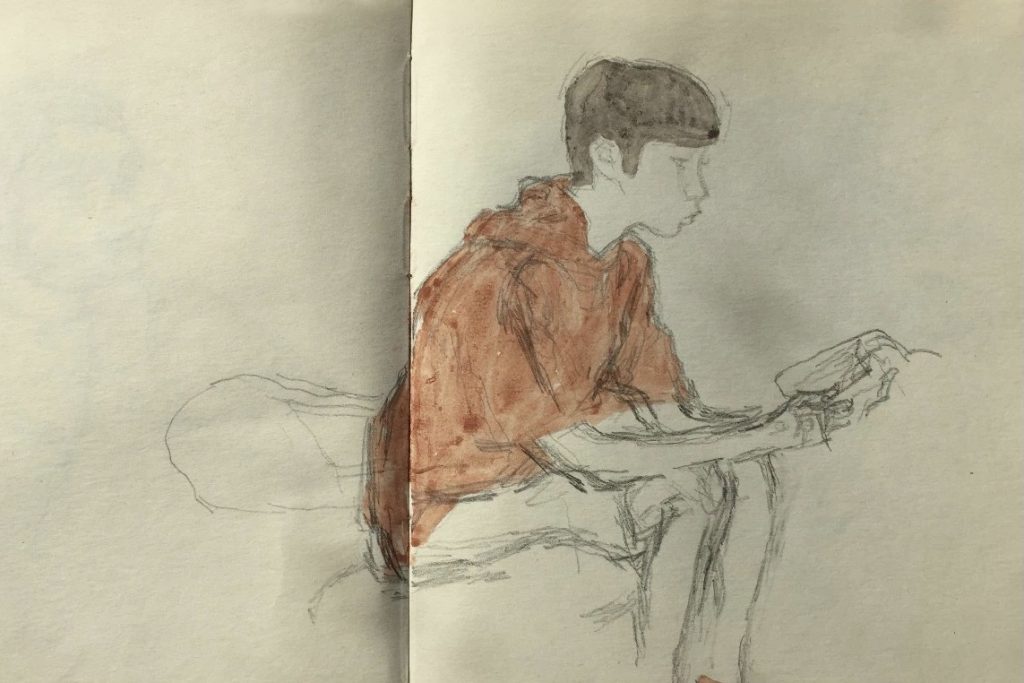
zhao qi would like to call these paintings on small notebooks works. Therefore, this point is emphasized because according to custom. We often call this type of painting “studio”, or shorthand or something like that. What zhao qi don’t understand is, why can’t sketches and sketches be placed in the exhibition halls of art museums such as Chinese paintings, oil paintings and prints?

Zhao Qi work

Outside of zhao qi understanding of painting, I think the work is a kind of narrative and the painter expresses his ideas through the painting. Although these paintings on small books are not “formal” like the works on display, their essence is still something thoughtful.

These paintings are random, sometimes standing, sometimes sitting, sometimes leaning against where. This way, I can see that when I painted. I must have been moved by the image in front of me. Yes, these images are painted in front of the object, it is not an imagination from nothing. ——This is different from other jobs, right?

——All the works are sent with feelings. suddenly I feel wrong to tell this fact. Because some images are also boring when I hold a pen and first draw carelessly. When painting, the picture looks interesting. Painting is indeed a very magical act, we cannot know where the end of the brush is attached.

Contemporary art usually refers to art that has innovated and subverted existing norms in the fields of oil painting, sculpture, and printmaking since China implemented economic reforms in 1979 and opened to the outside world, including photography. Installation.Concept.Performance. Video. Multimedia and other new art forms . The Chinese art circle regards an art exhibition in 1979 as the beginning of Chinese contemporary art history.