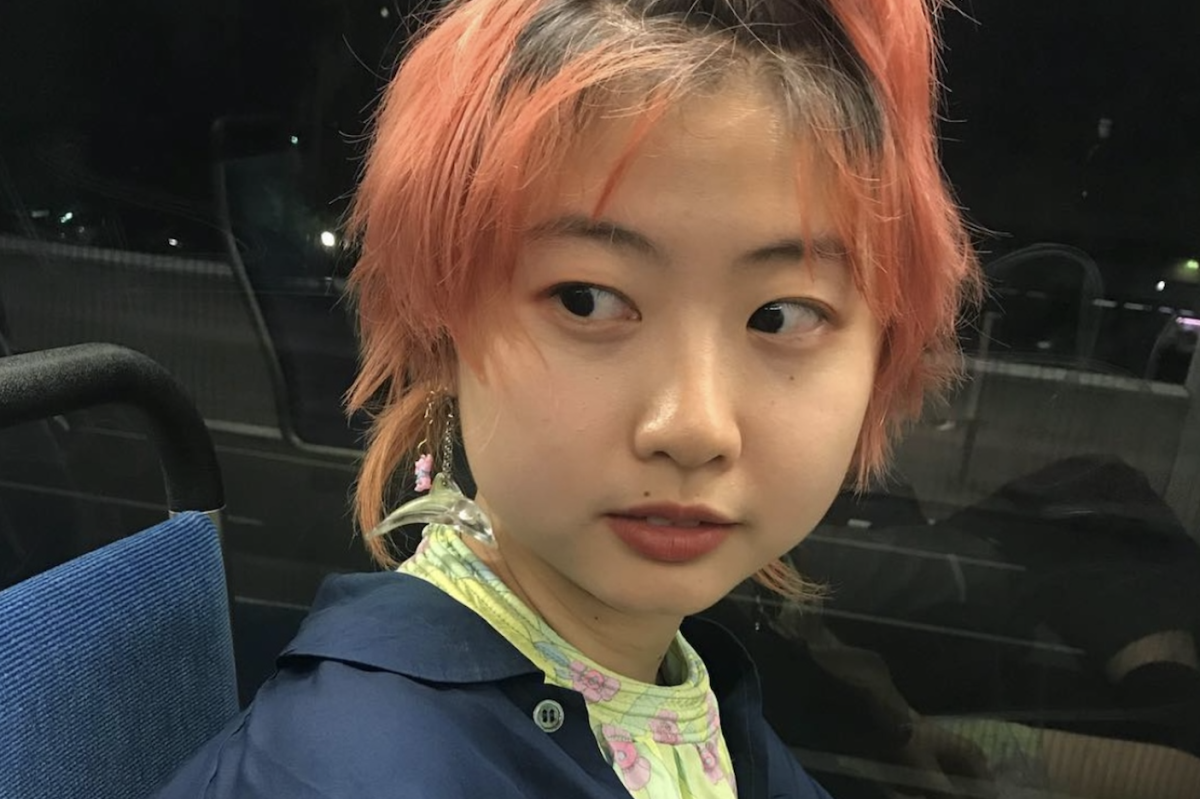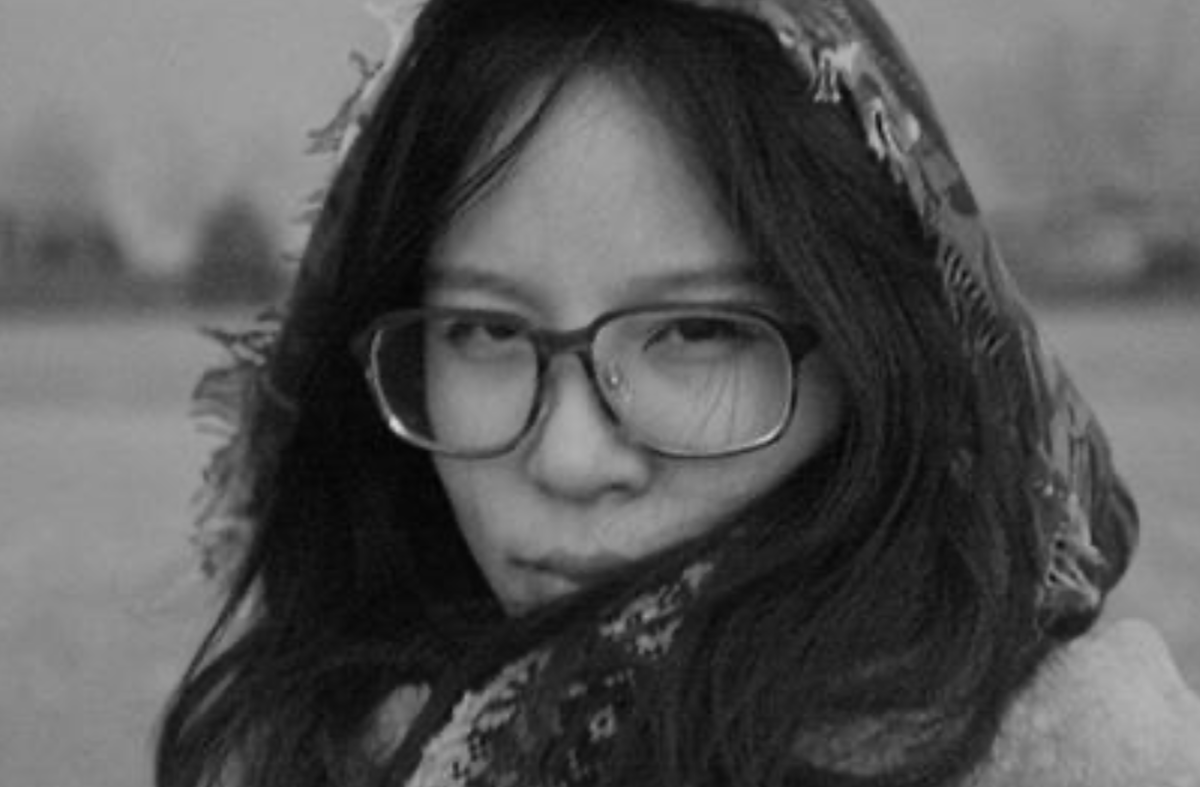
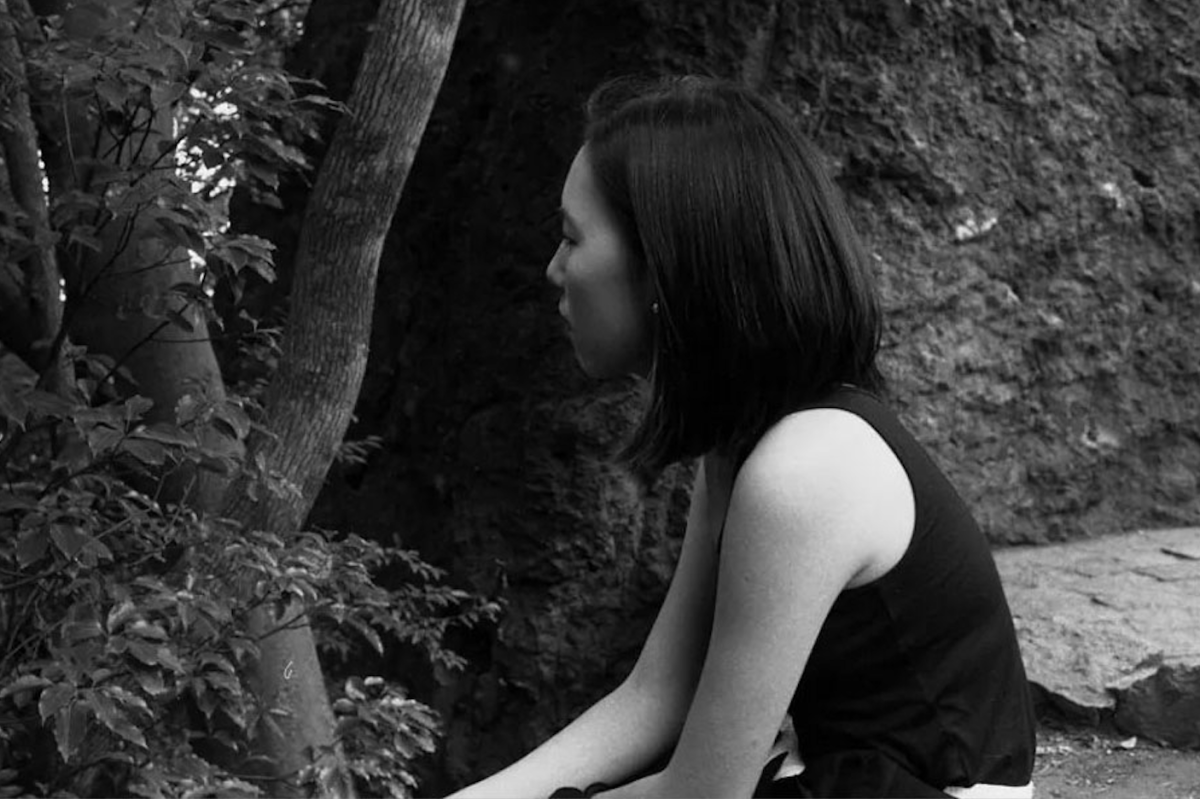
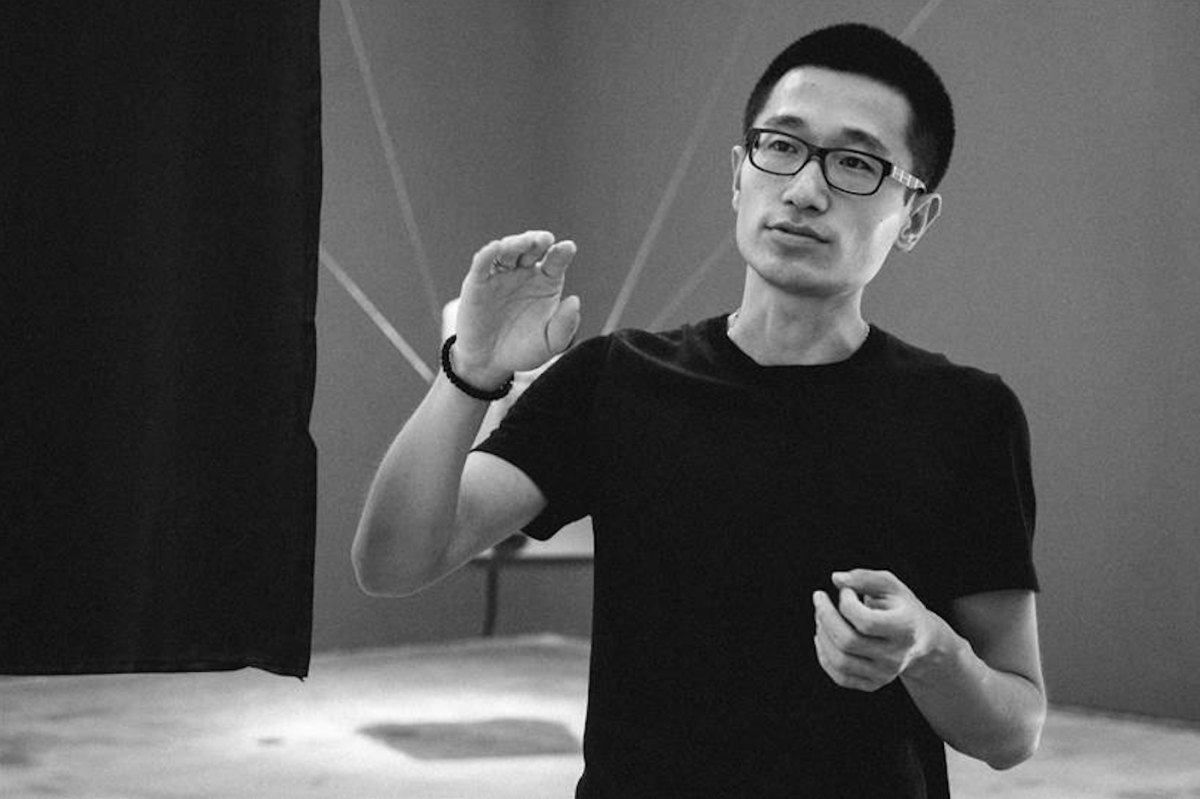
Feng Bingyi, born in Ningbo in 1991, entered the Cross Media Art School of China Academy of Fine Arts in 2009.
Entered the Experimental Imaging Studio in 2011. Graduated from the Cross Media Art School of China Academy of Fine Arts.
Graduated from Chelsea School of Art, University of the Arts London with a Master’s degree in Fine Art.I currently work and live in Shanghai.
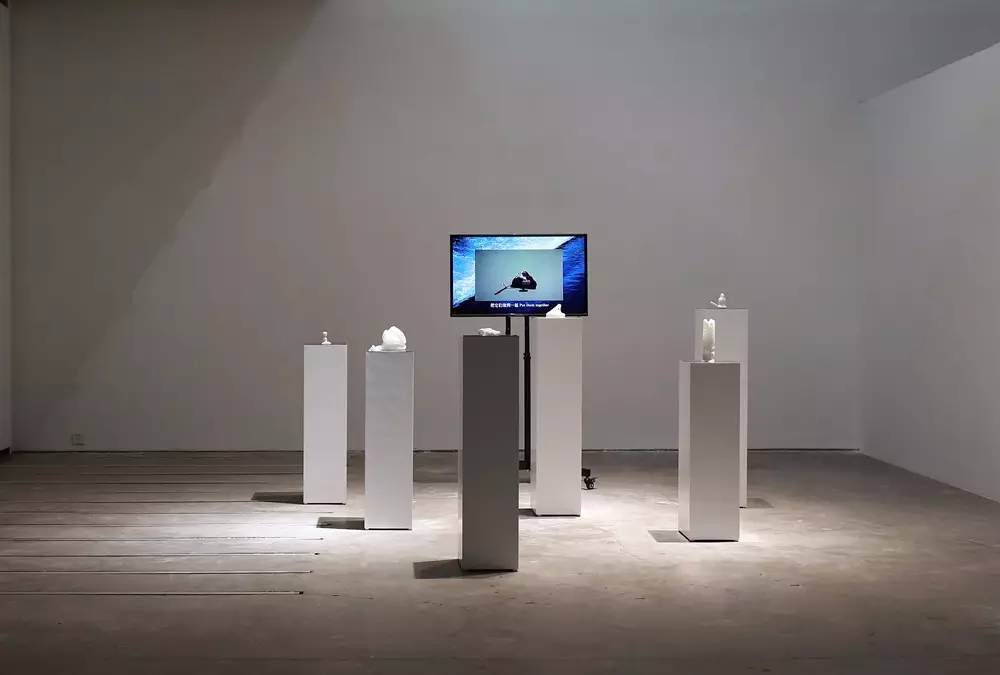
This young artist born in 1991 has emerged in the contemporary art world with his unique artistic style.
Above all,her works are not only refreshing.
In other words, also leading a new trend of artistic innovation.
Feng Bingyi’s Art Language
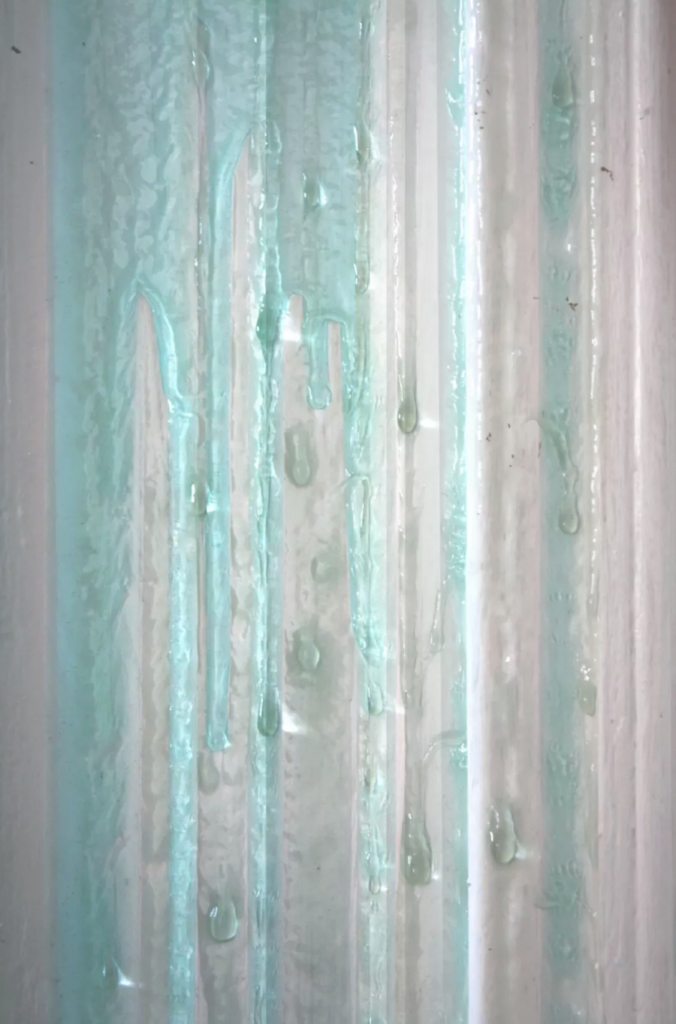
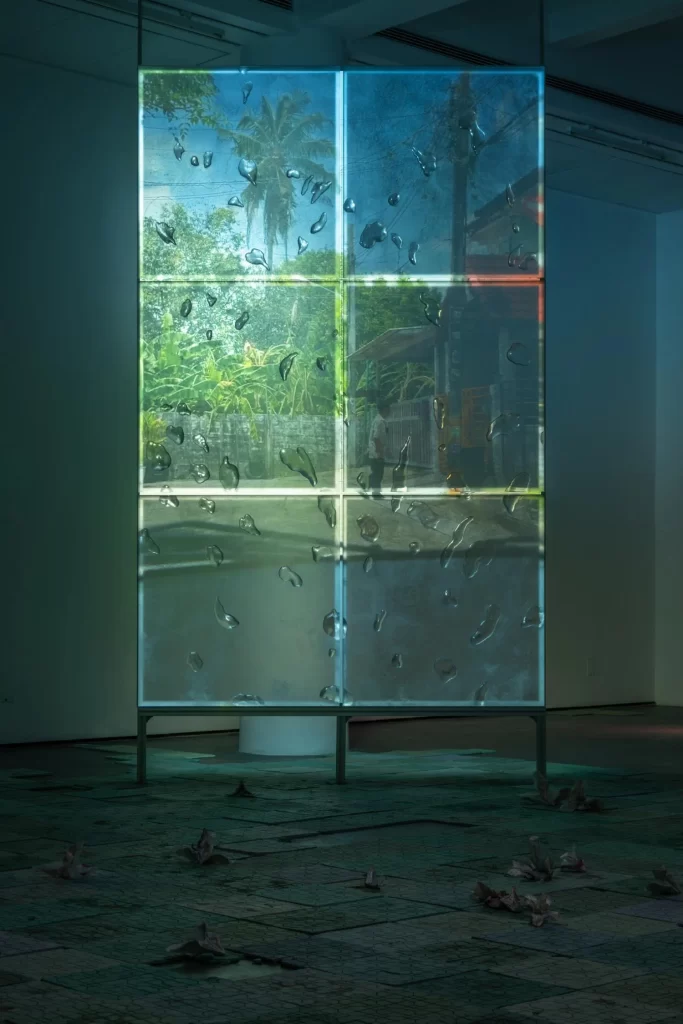
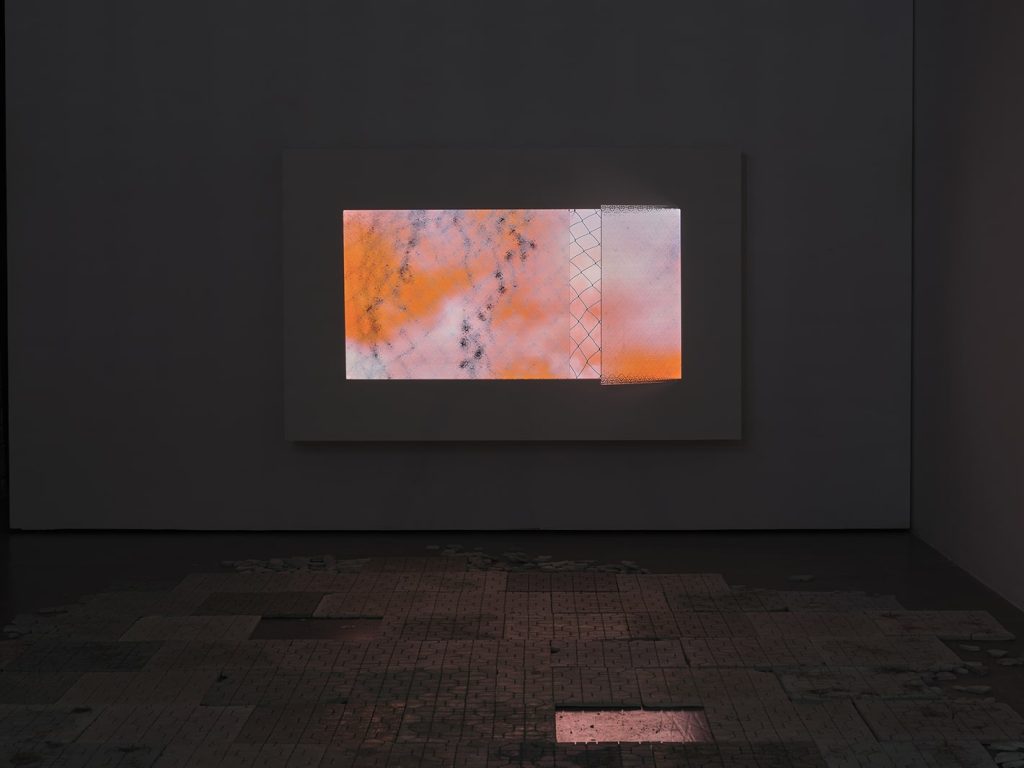
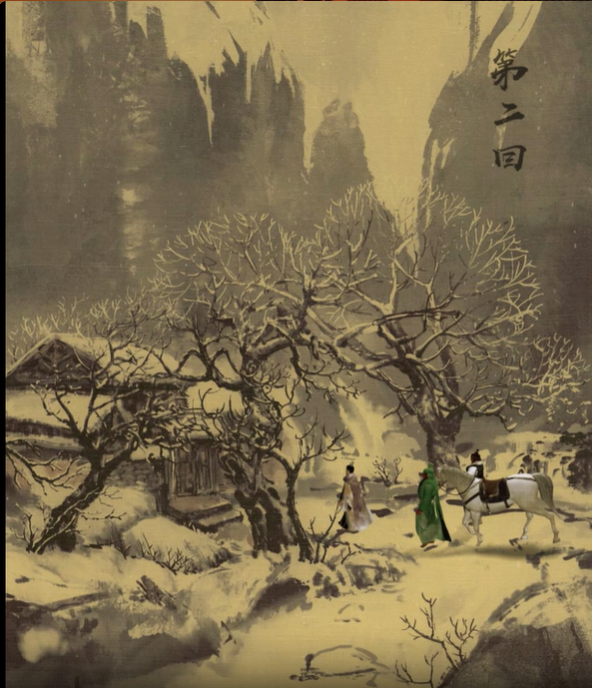
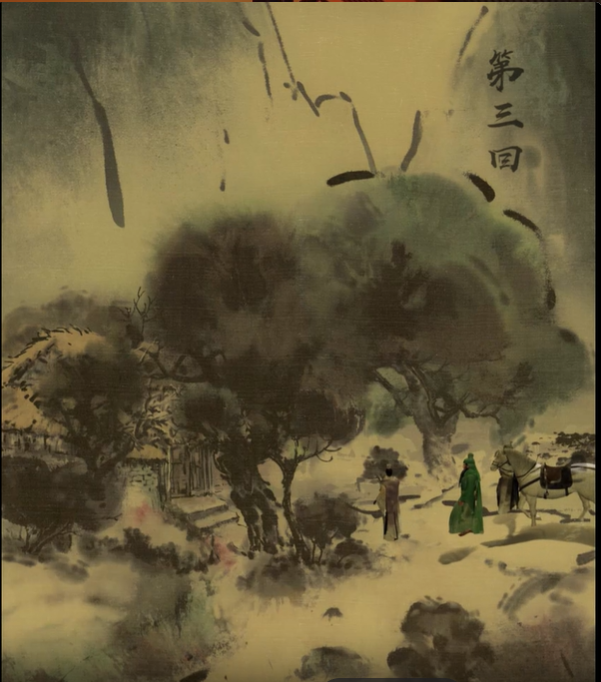
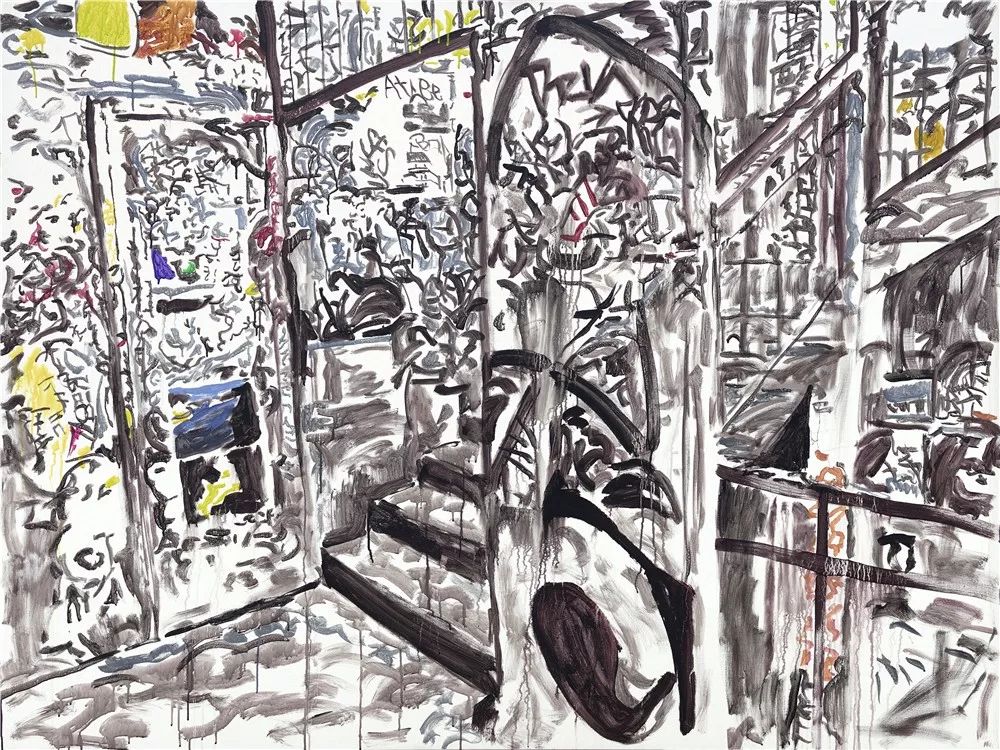
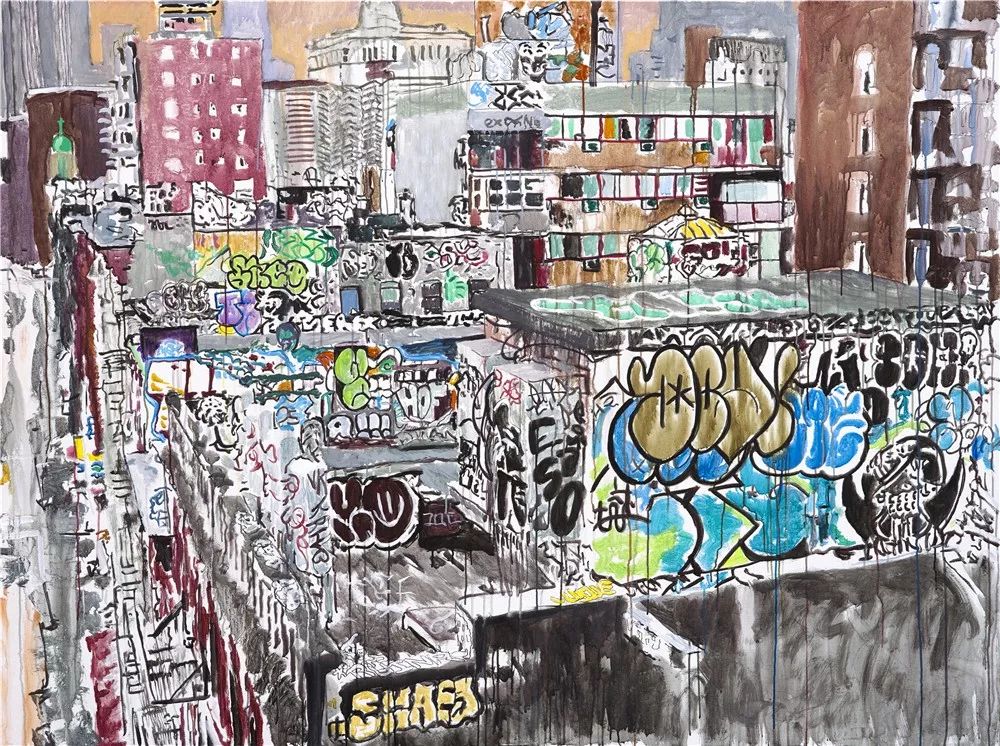
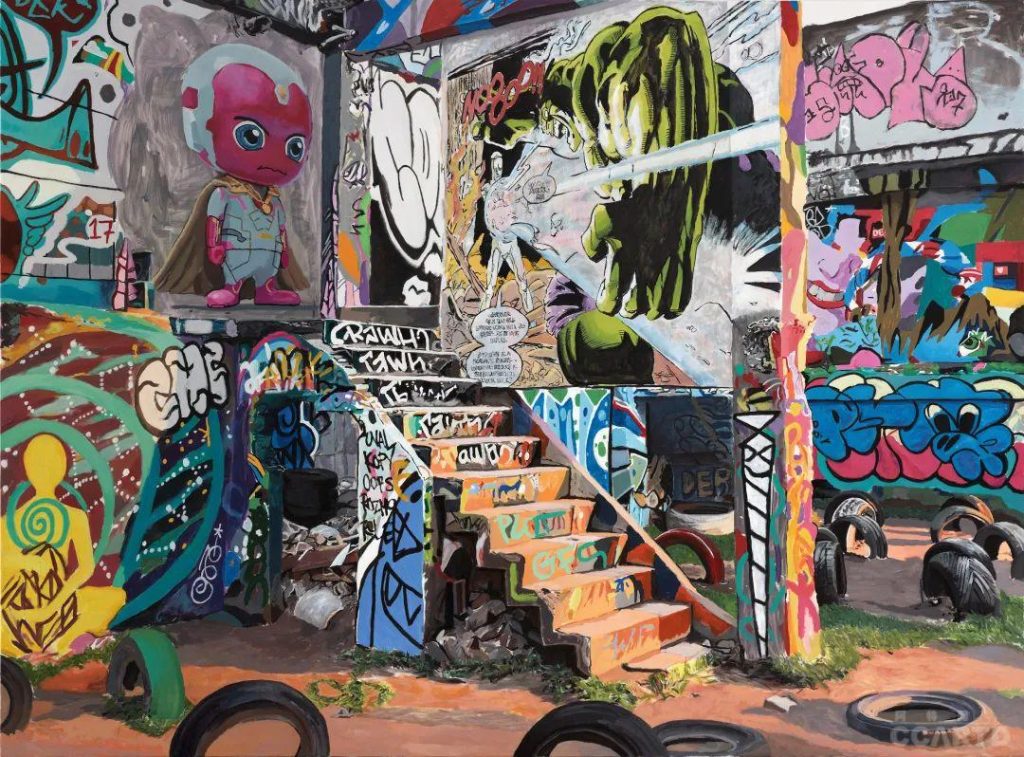
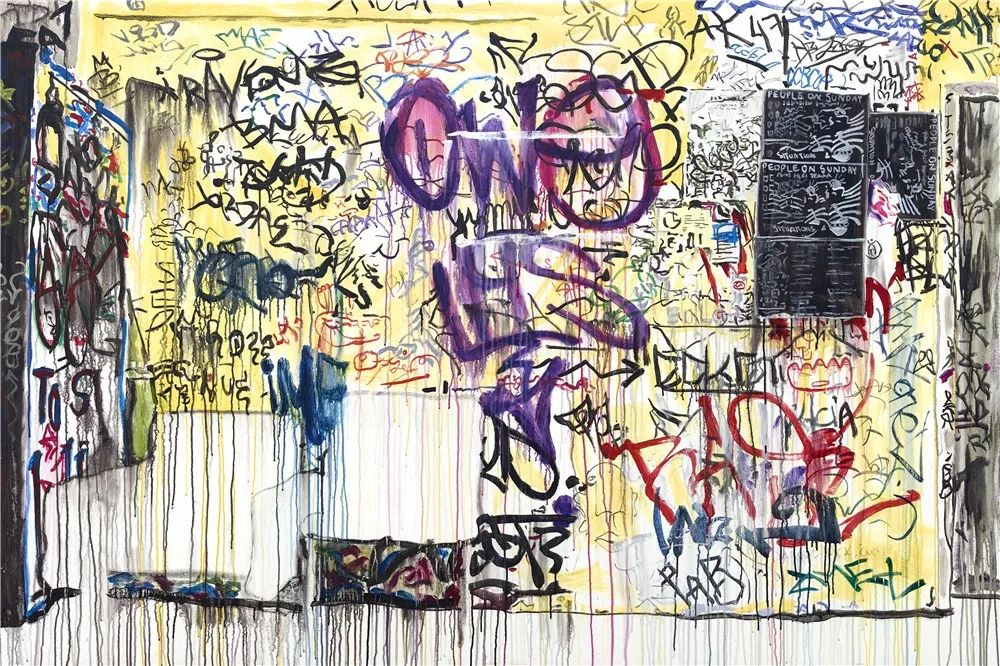
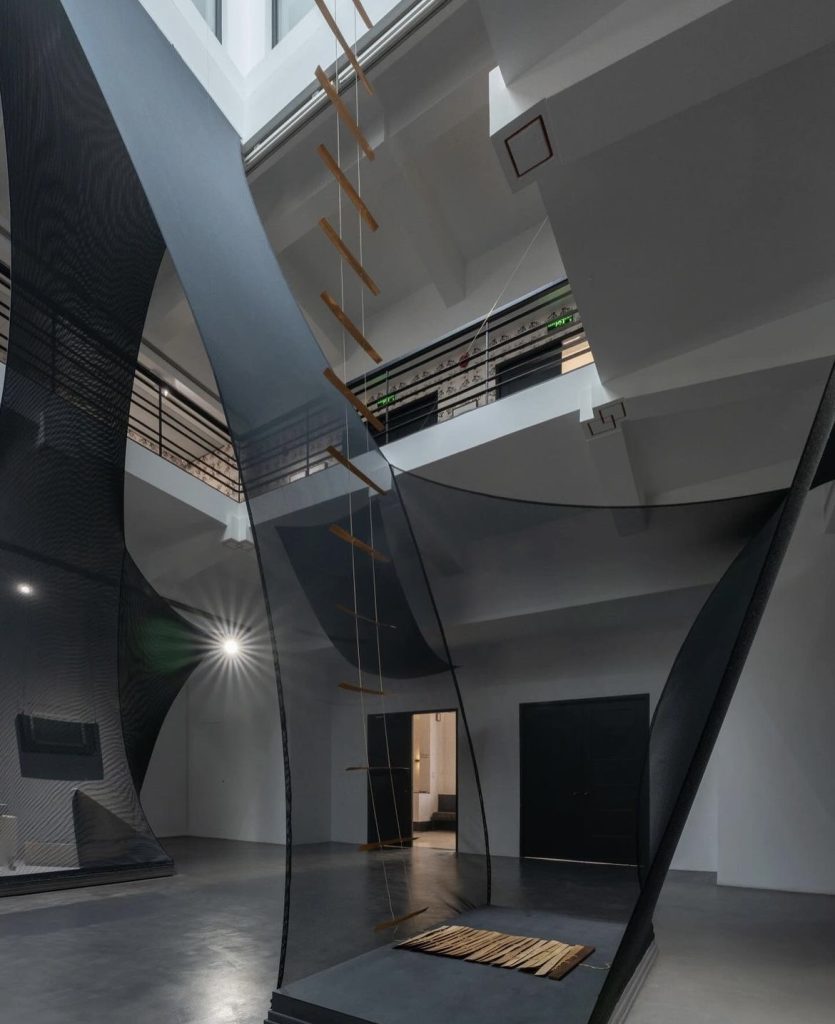
Feng Bingyi’s works have always been known for their delicate and fresh artistic language and unique spatial painting forms.
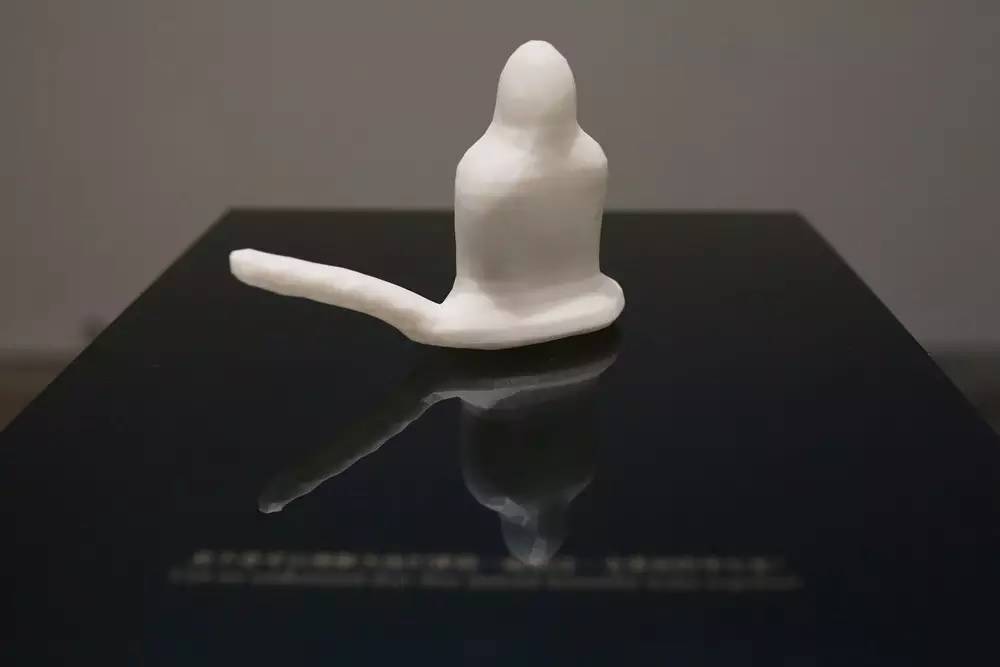
The work is a young artist who constantly explores and innovates in the field of visual art. Her artistic philosophy is deeply influenced by image art and film.
Using visual language between the two as a means of expressing thoughts and emotions.
Feng Bingyi’s works are not only simple records of reality, however the process of constructing a confident narrative space.
Firstly, starting from Romanticism, starting from the enormous connection between humans and the universe.
Secondly, similarly then returning to the natural connection between humans and the universe.
Further the artist hopes to use her curiosity and admiration for the universe.
Similarly to bring people back to the equally peaceful and hopeful starry sky.
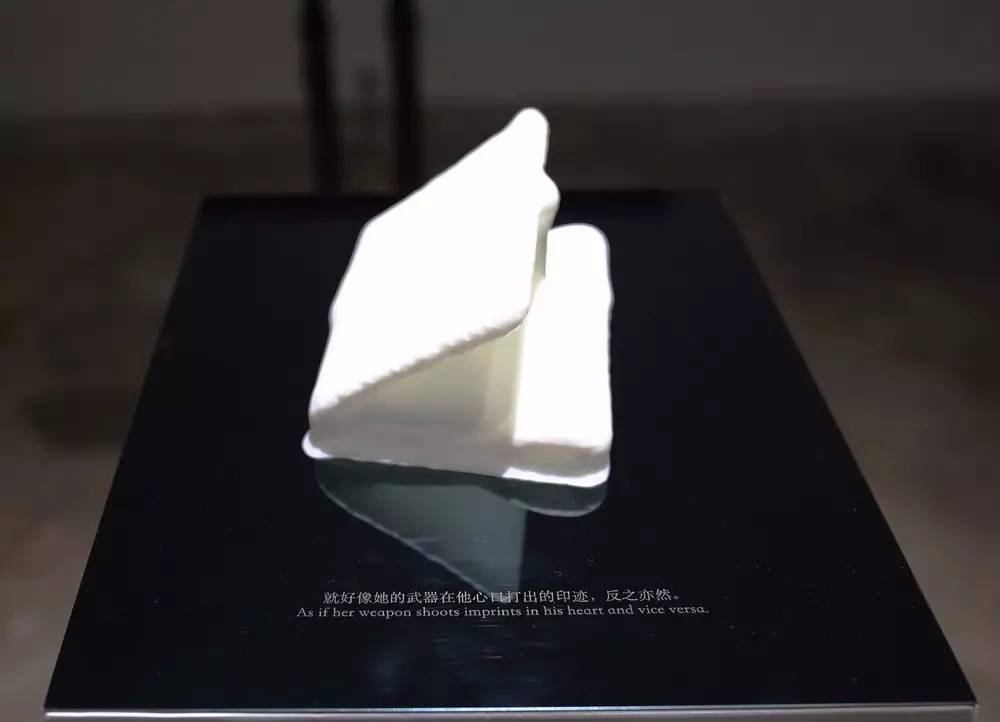
Feng Bingyi’s Style
Feng Bingyi’s characteristic is to use visual language between visual art and film as a medium of expression.
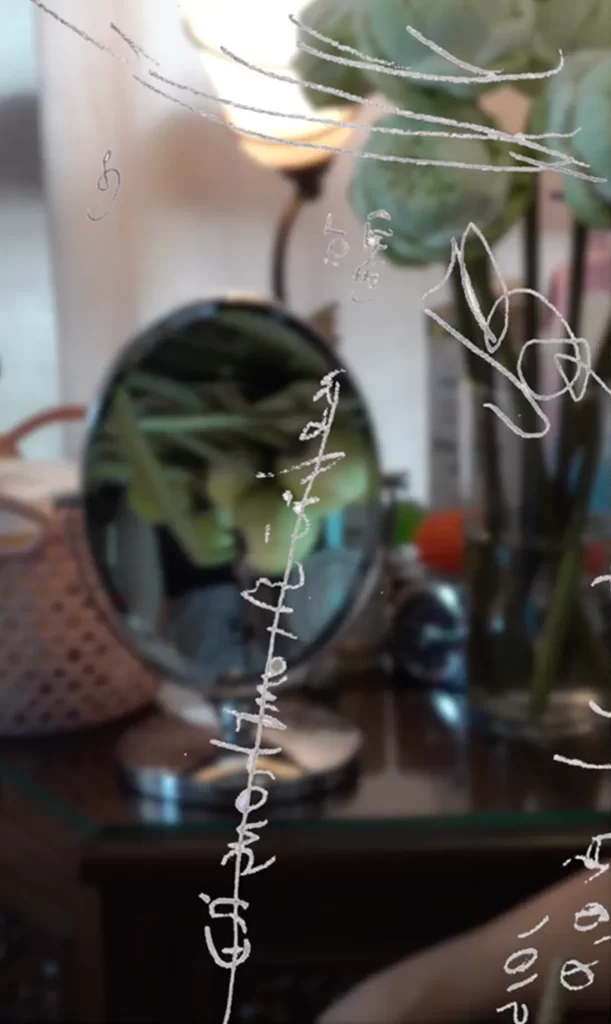
And to construct a narrative space of self perception through poetic language. Her works clearly perceive the deepening relationship between text and images.
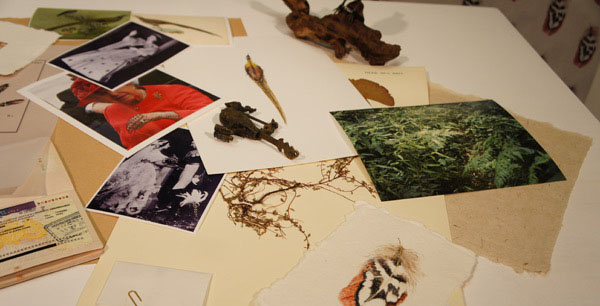
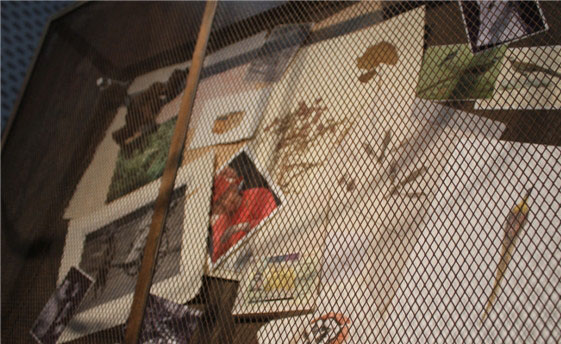
Usually, it takes text as the starting point for creation, finds logical breakthroughs through text annotations and explanations. This creative approach fills Feng Bingyi’s works with uncertainty and openness, providing audiences with rich interpretation space.
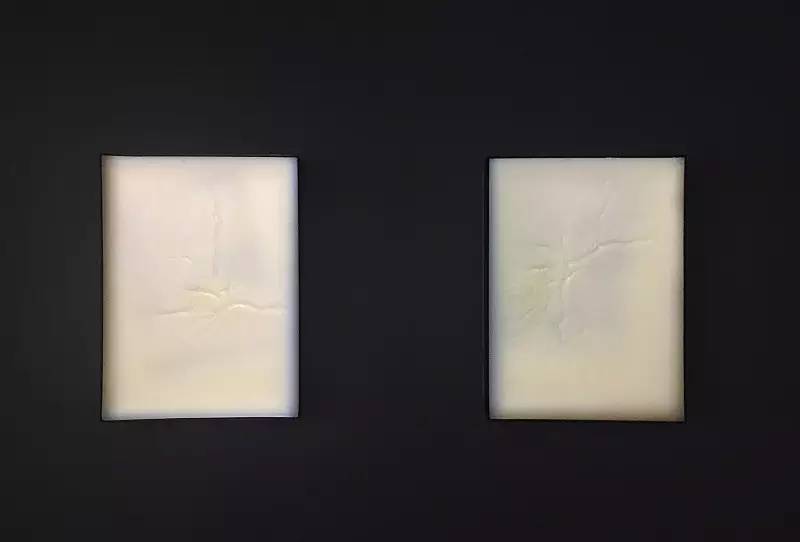
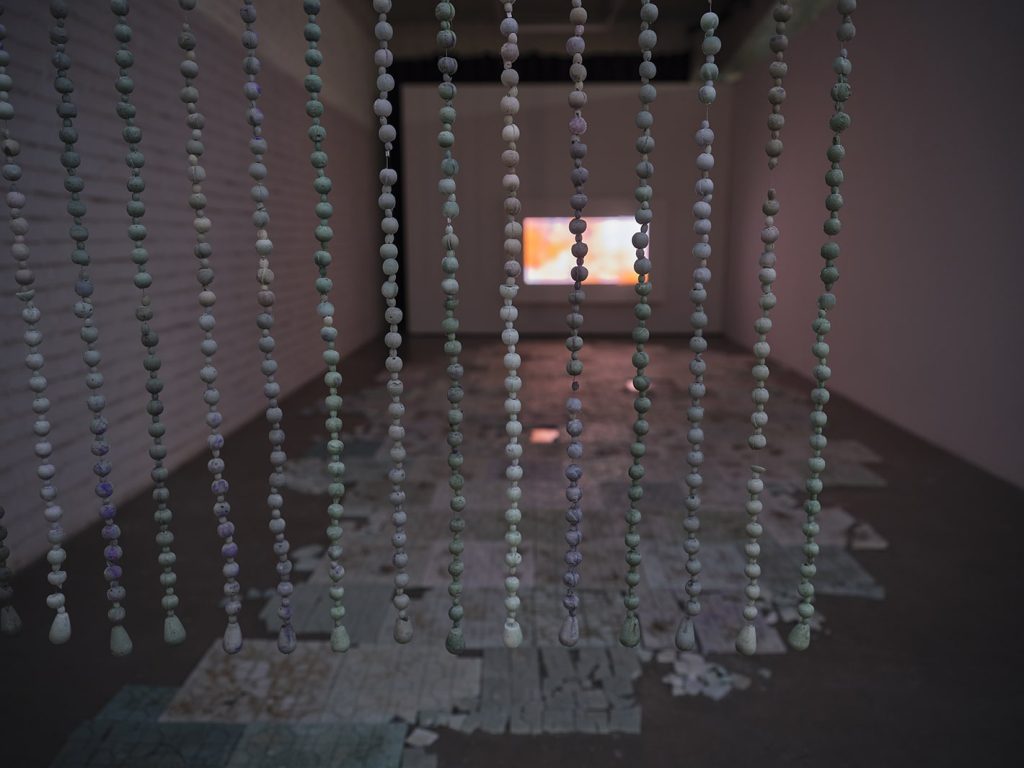
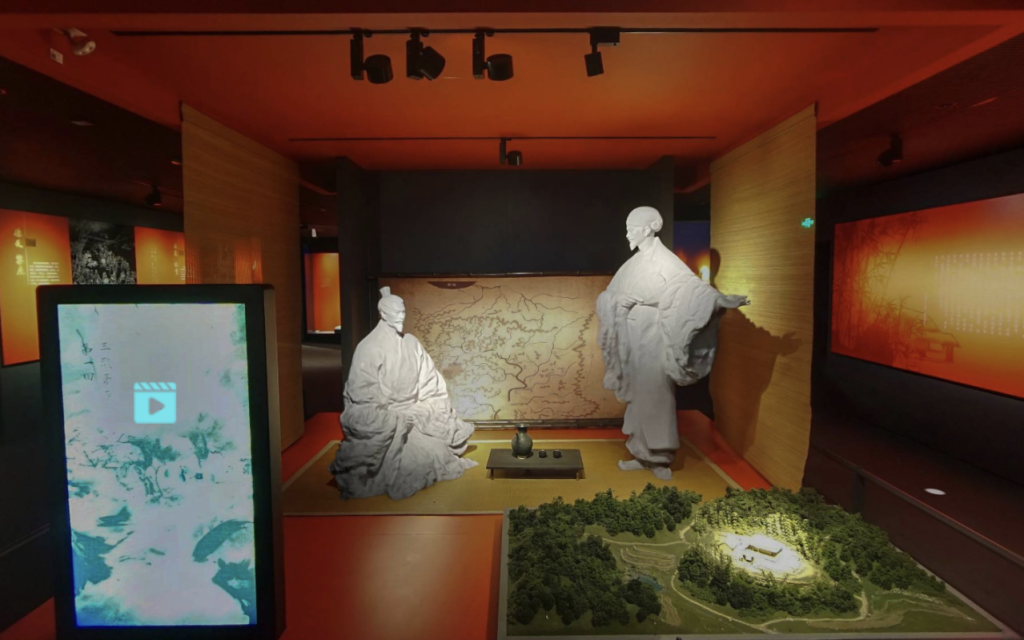
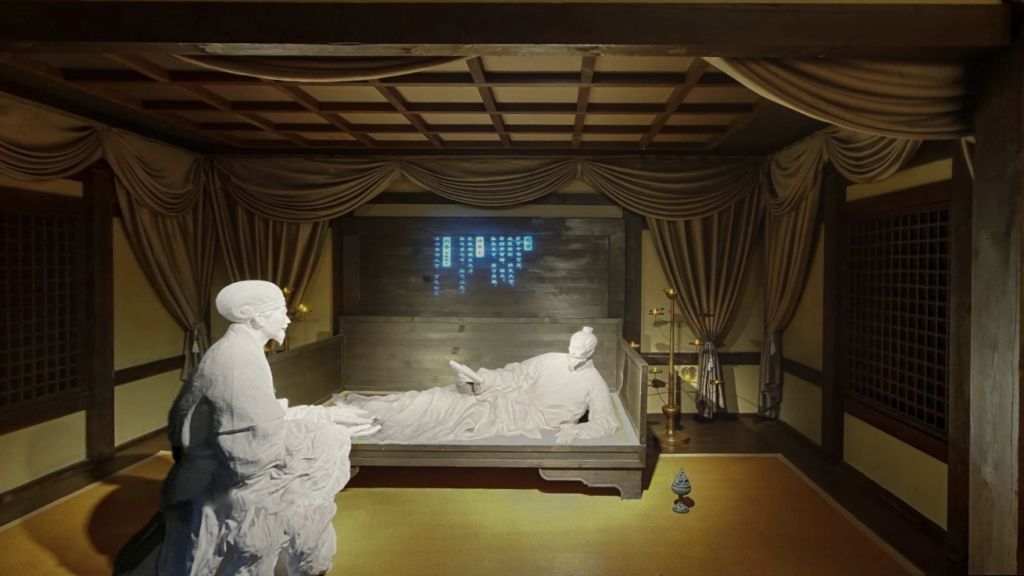
Feng Bingyi is attaches great importance to the influence of different possibilities between space, text, and narration on visual language.
Therefore,her creative forms including visual installations, photography, and animation, all of which provide a broad stage for the presentation of Feng Bingyi’s artistic concepts.
Feng Bingyi’s artistic style is unique and clear, and her works are full of poetry and philosophy.
She knows how to observe and interpret the world with a kind gaze, and conveys a gentle and firm power through her works.
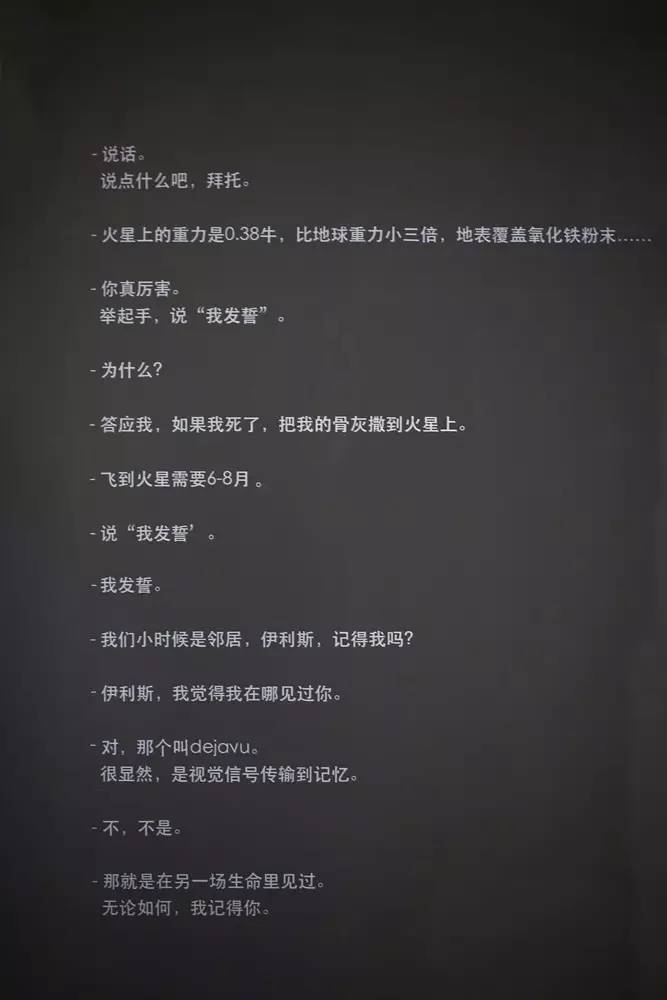
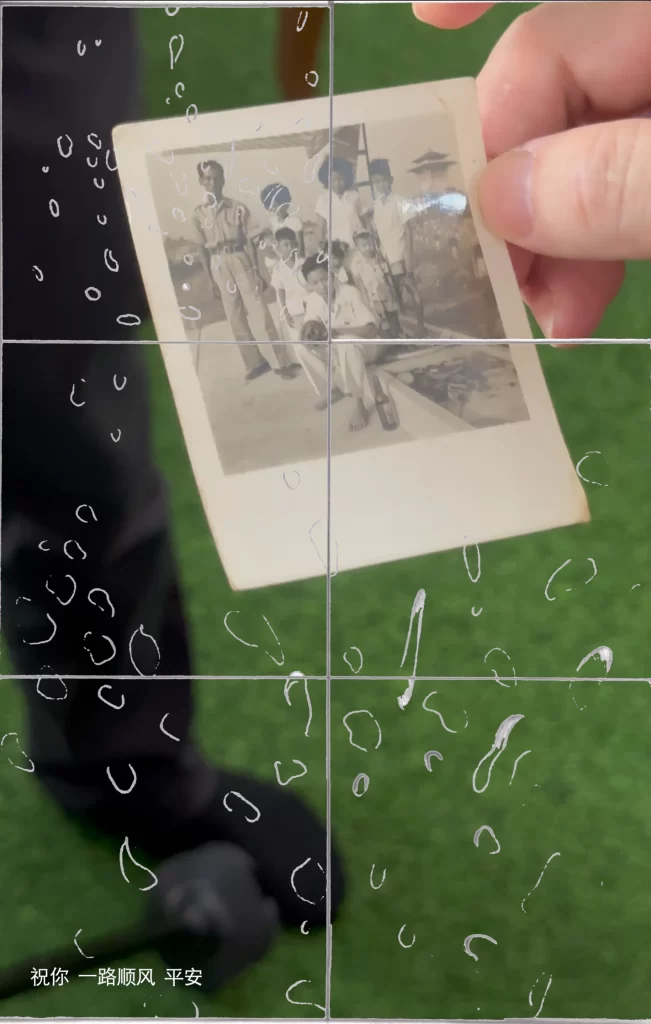
Her works no longer use abstract symbols popular after World War II, after that is also simplify storytelling through concrete images.
And this type of “reproduction” is not simply imitating, but rather presenting hidden truths in scenes.
Allowing the public to have countless possible moments in the visual perception of their works.
This sense of interweaving time and space fills his works with mysterious and fantastical colors.
Giving people a feeling of being in a fantasy world beyond reality.
Feng Bingyi’s Exhibition
In conclusion exhibitions such as “She Walk in Beauty”, “Fool’s Gold”.
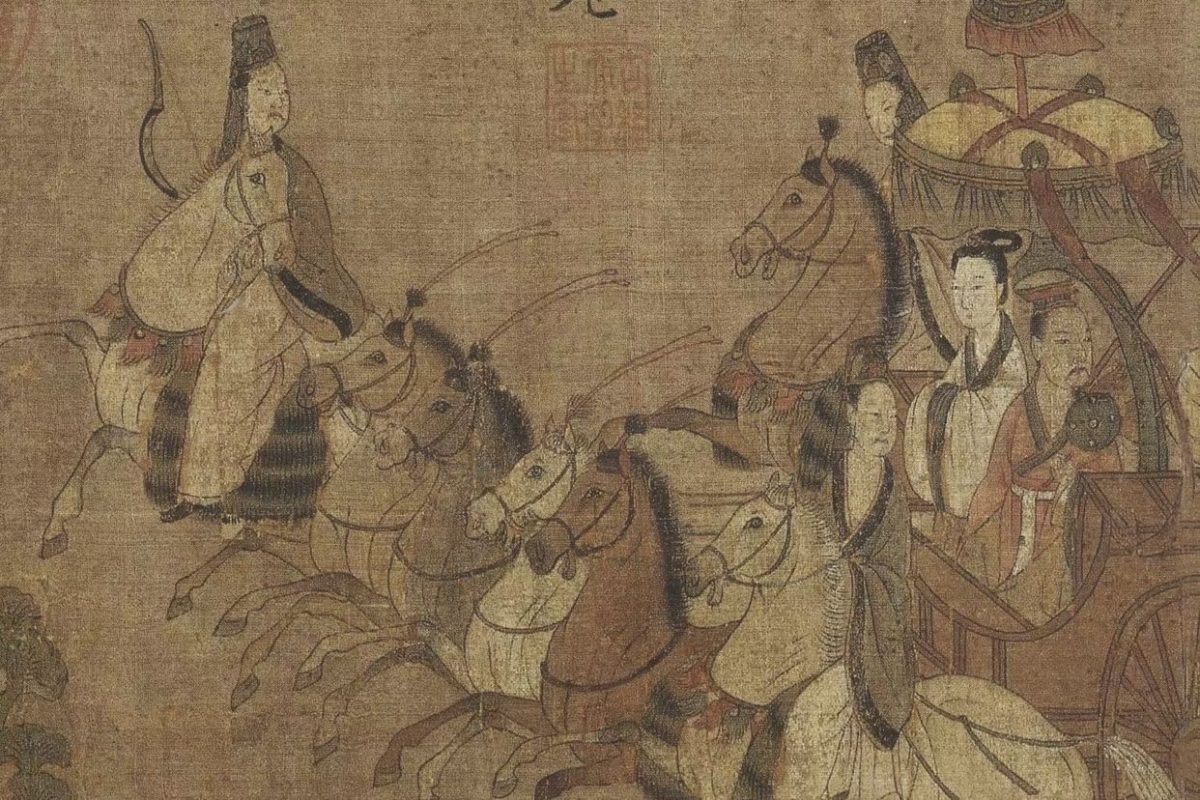
The main group exhibitions include “The Story of Your Life I” (Long March Space, Beijing), “Taiping Guangji” (Red Brick Art Museum, Beijing), “The Goodable Strange” (UnArt Center, Shanghai), “Endless Grass” (Delaware Contemporary Art Museum, USA), “Retreat the Waves” (Helsinki Image Art Festival, Finland), and Berlin PANDAMONIUM – Media Art From Shanghai.
Sources
[AAC Special Article] Feng Bingyi: My creative ideas and myself have grown together
Your Life Story II | Feng Bingyi
Character | Feng Bingyi: A World Interwoven with Time and Space
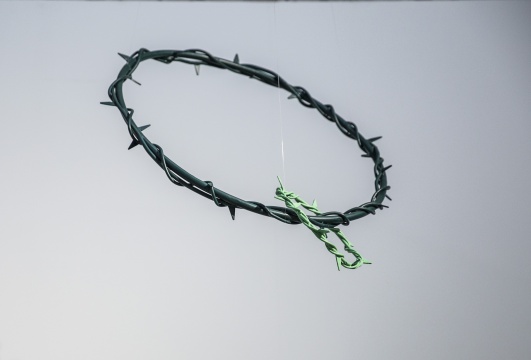
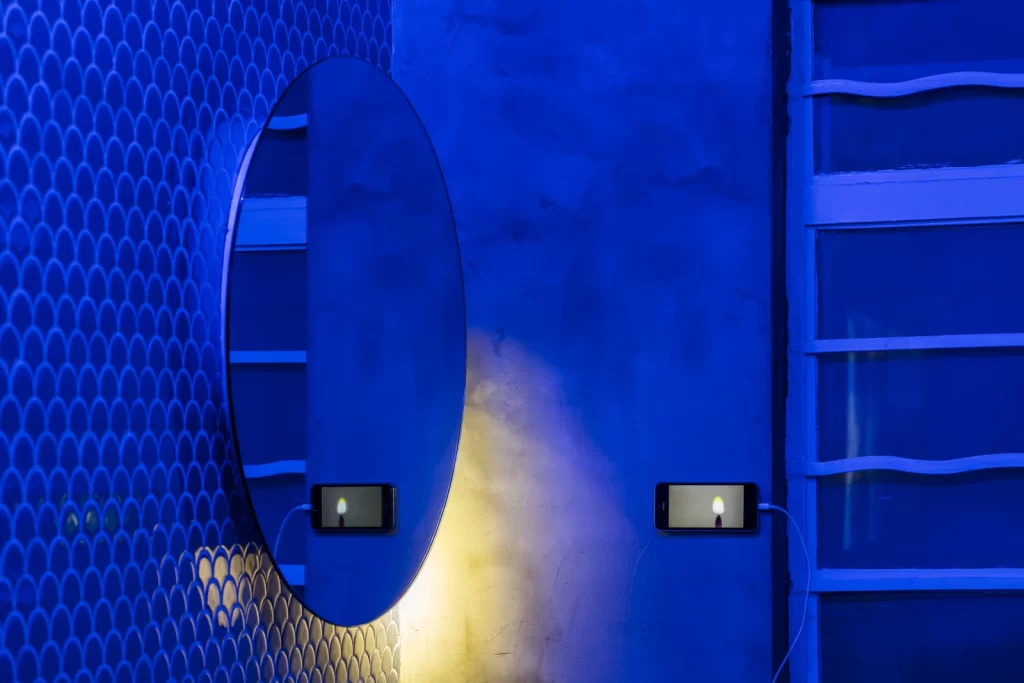

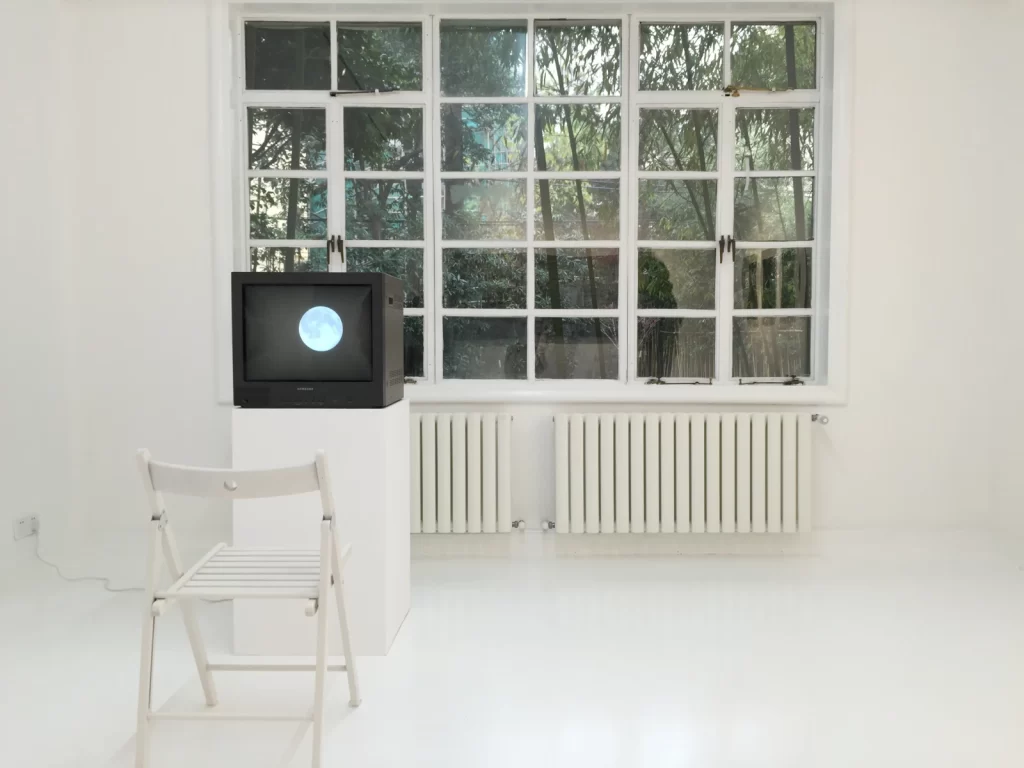
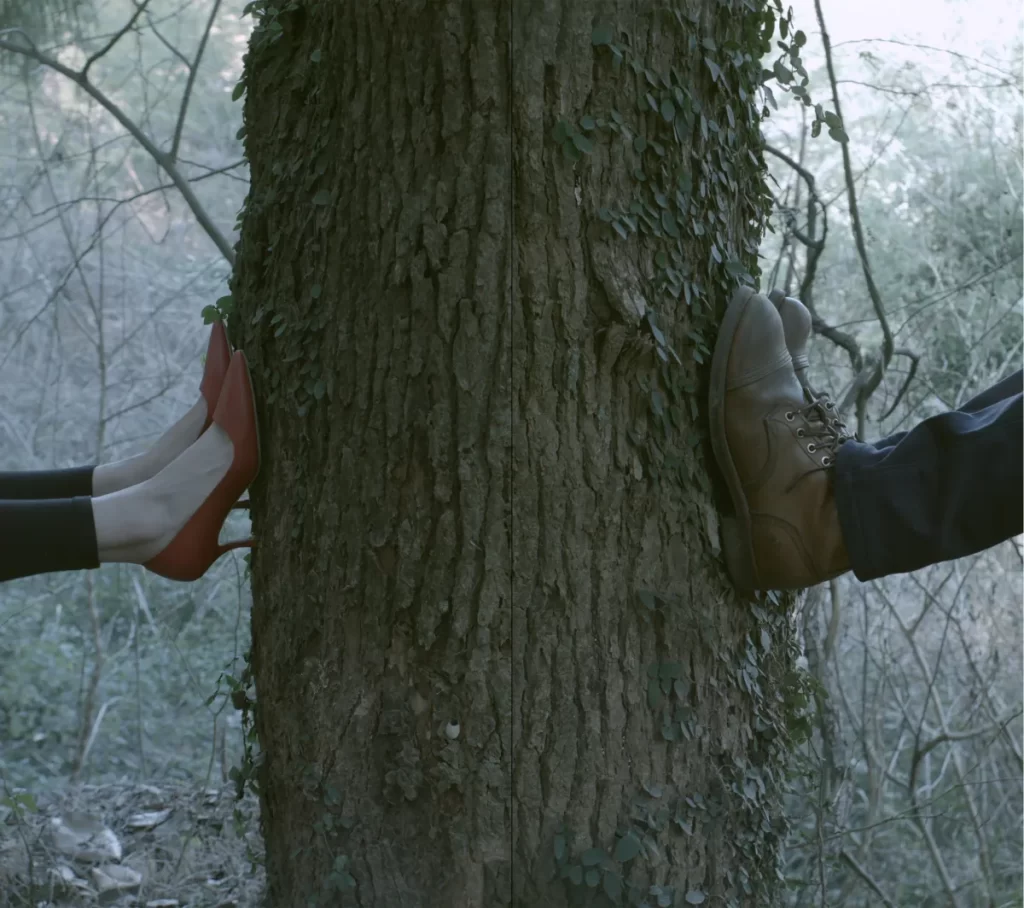
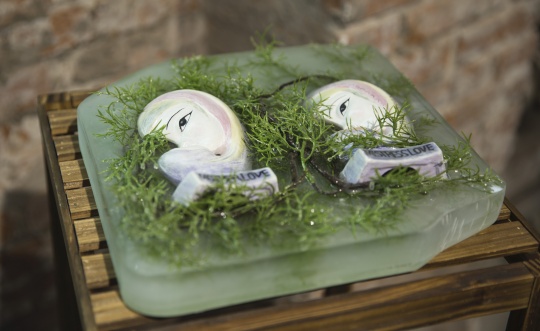
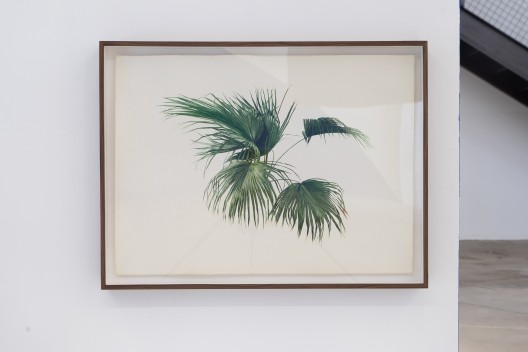
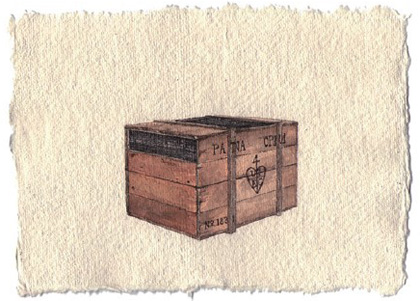
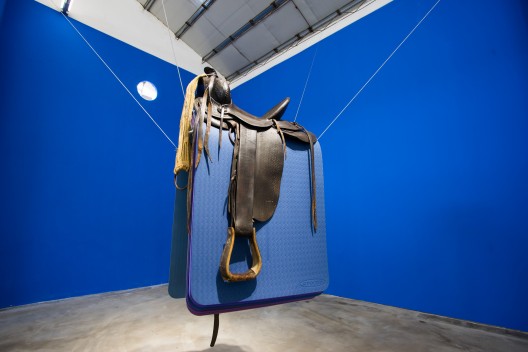
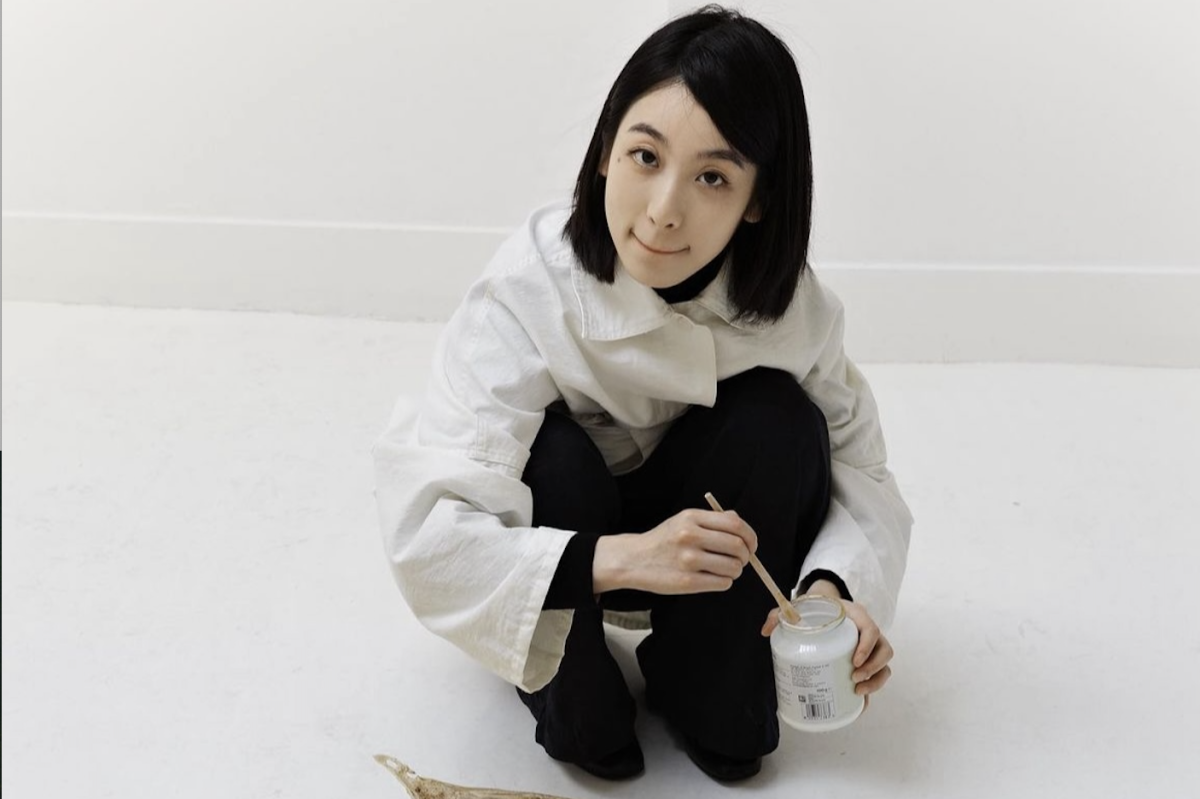
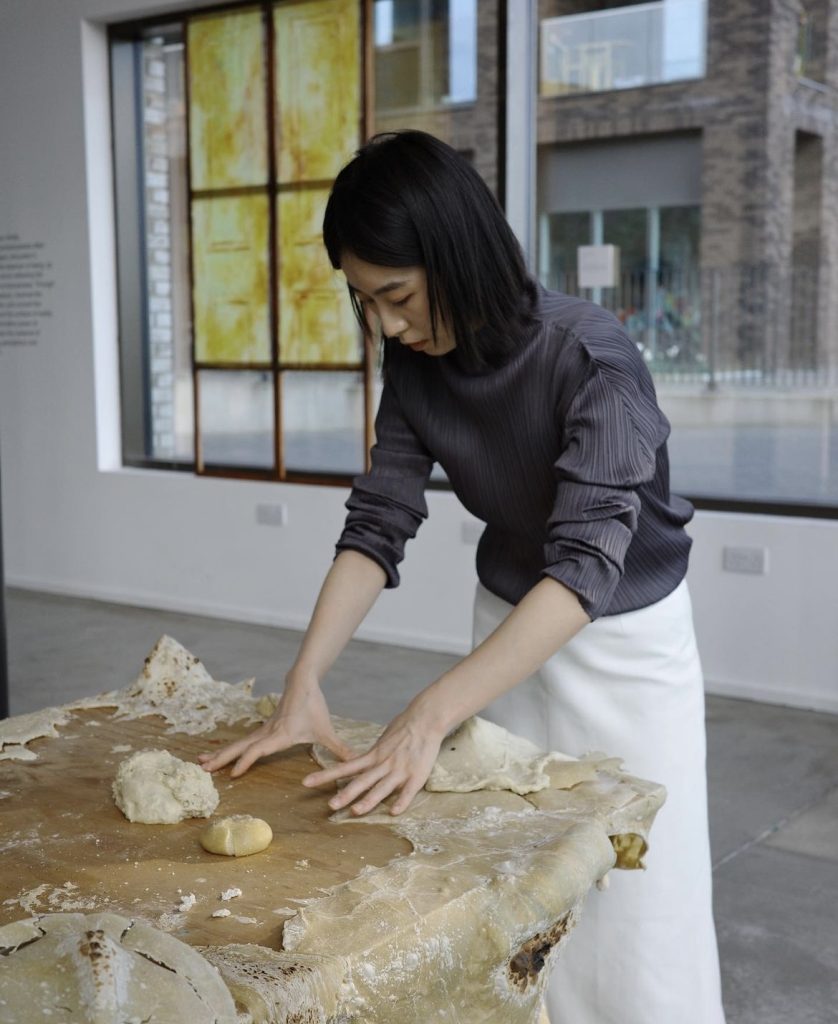
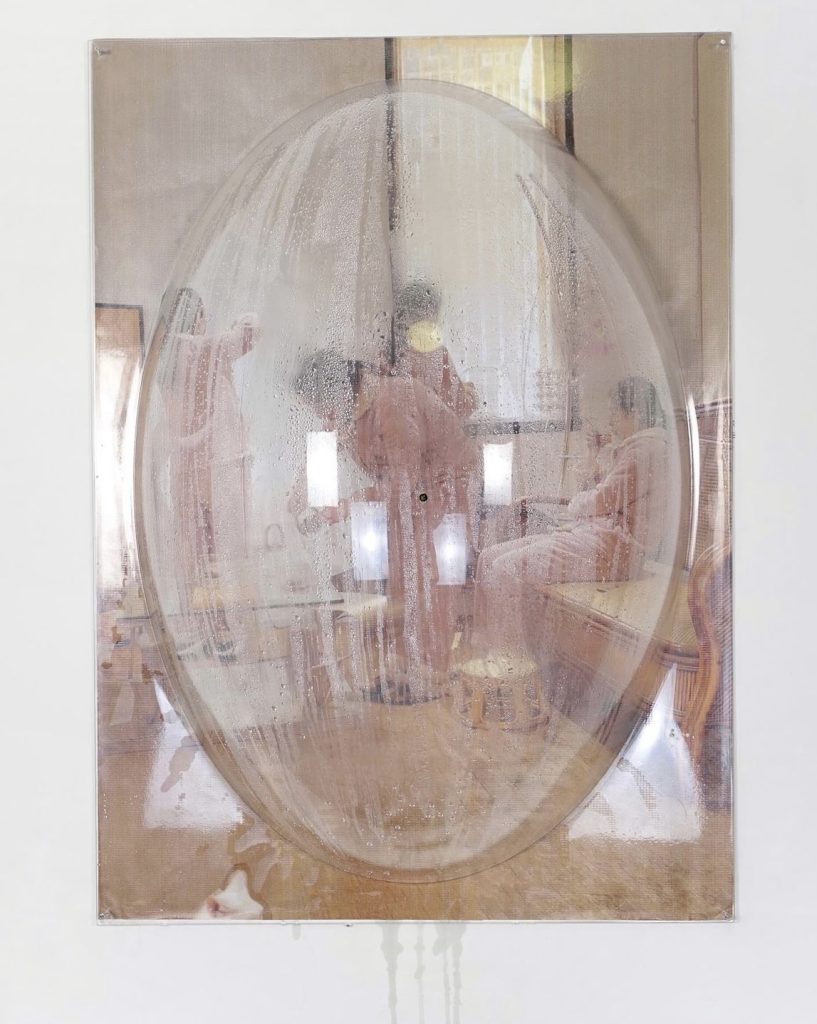
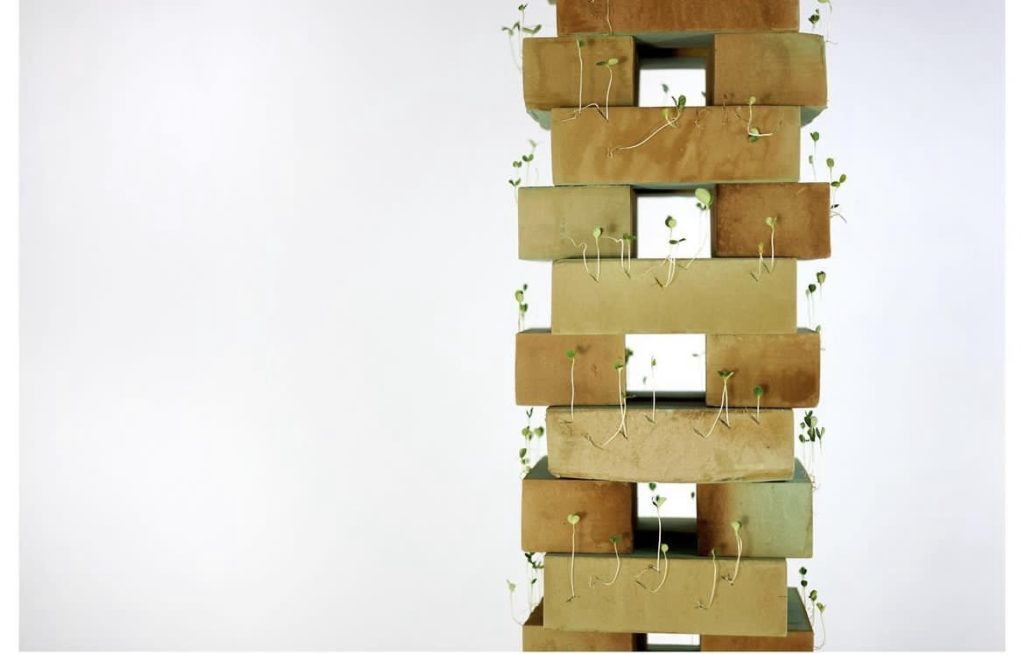
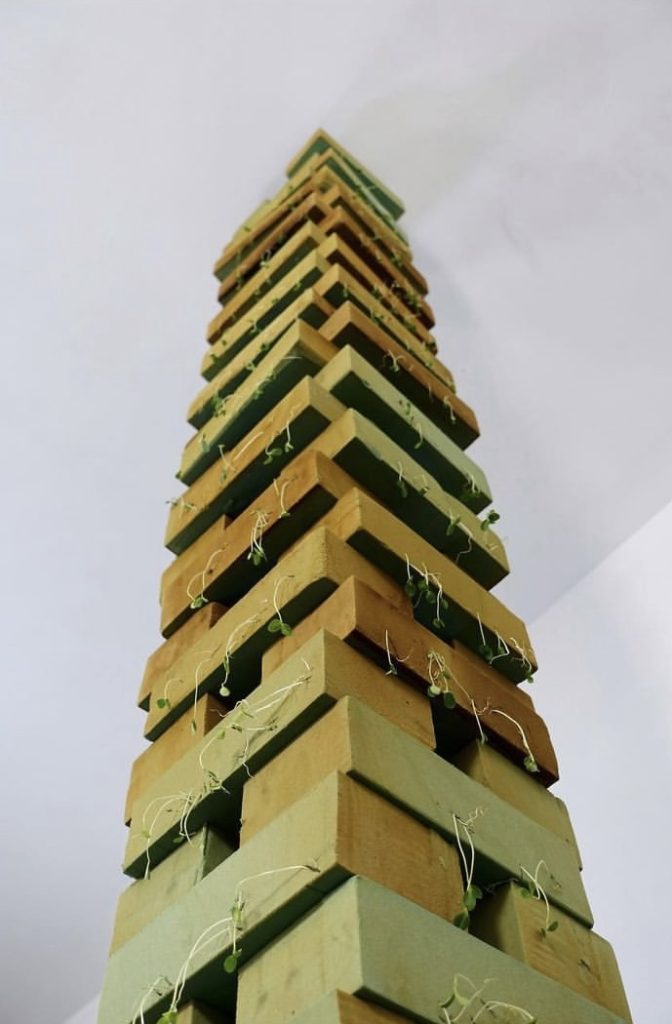 Qian Ningyue’s artwork “Pillar”, she planted plant seeds in the flower mud and constantly watered them to help them grow.
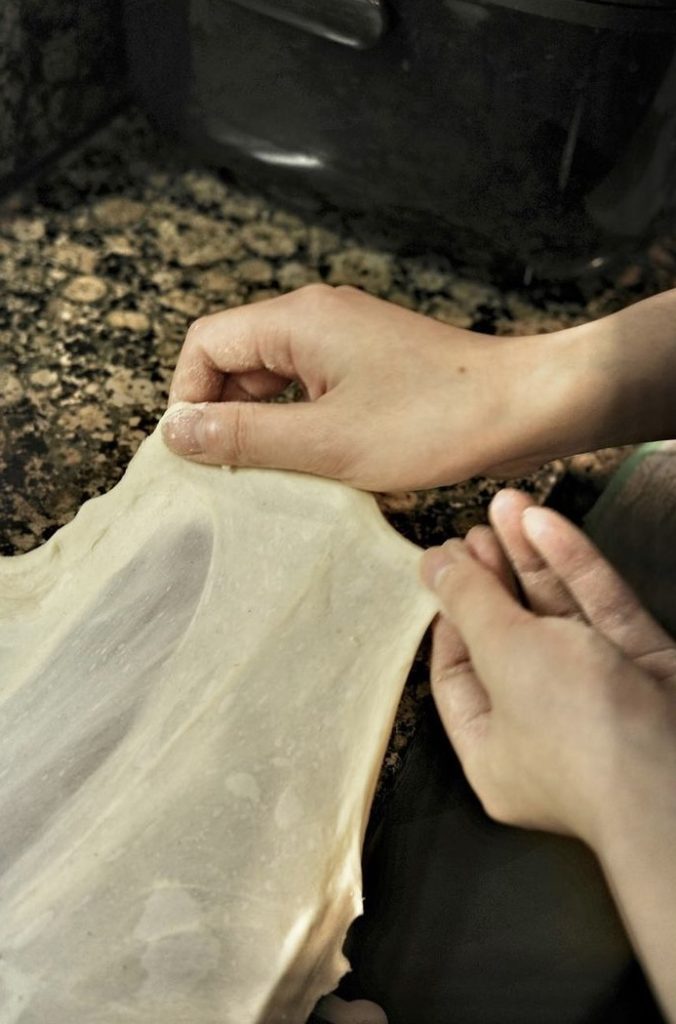 when the artist came to London to study, Qian Ningyue, as a non-native speaker, cured her unsafe emotions through cooking. She said, “Cooking always accompanies me and gives me a soothing feeling”.
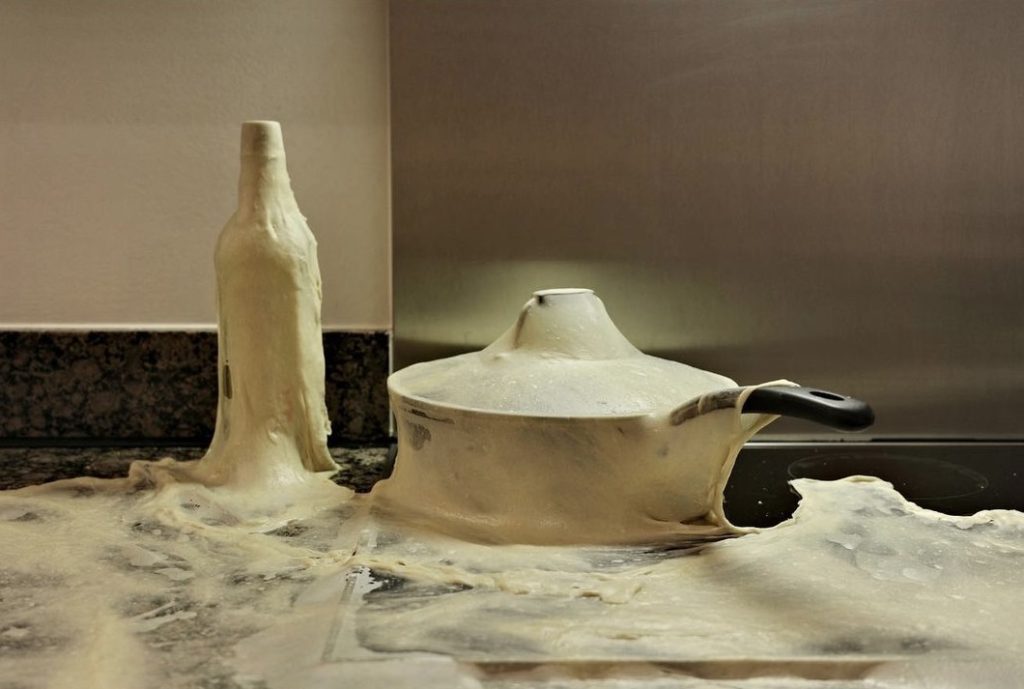
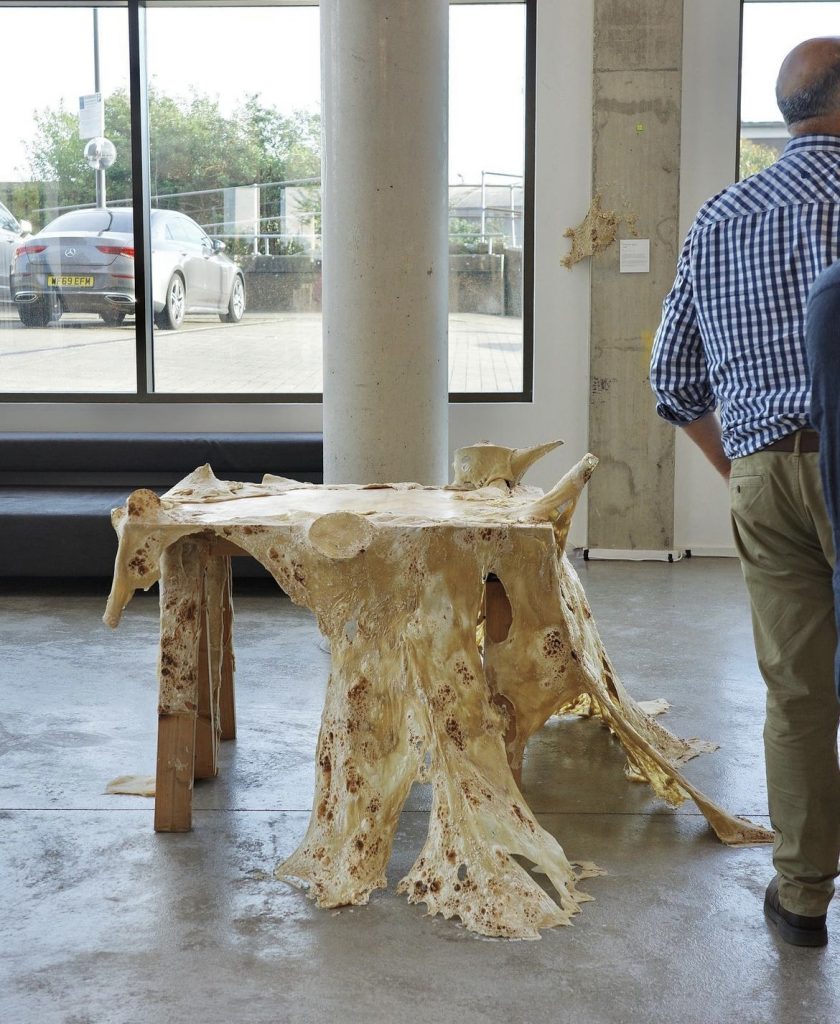 Bread fermentation is a long process that requires appropriate temperature and humidity.
 Sources