Categories
Contemporary 当代 艺术家

Contemporary | Feng Bingyi – The World Under the Interweaving of Time and Space

Feng Bingyi, born in Ningbo in 1991, entered the Cross Media Art School of China Academy of Fine Arts in 2009.

Entered the Experimental Imaging Studio in 2011. Graduated from the Cross Media Art School of China Academy of Fine Arts.

Graduated from Chelsea School of Art, University of the Arts London with a Master’s degree in Fine Art.I currently work and live in Shanghai.
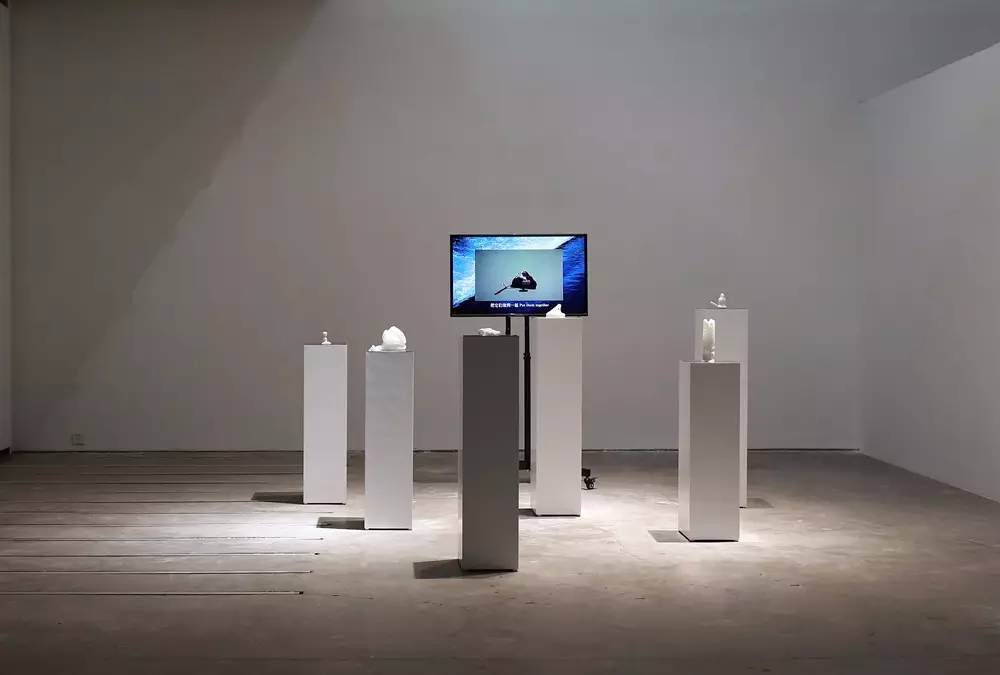
About Helga and Others

This young artist born in 1991 has emerged in the contemporary art world with his unique artistic style.

Above all,her works are not only refreshing.

In other words, also leading a new trend of artistic innovation.

Feng Bingyi’s Art Language

Feng Bingyi’s works have always been known for their delicate and fresh artistic language and unique spatial painting forms.
The work is a young artist who constantly explores and innovates in the field of visual art. Her artistic philosophy is deeply influenced by image art and film.

Using visual language between the two as a means of expressing thoughts and emotions.

Feng Bingyi’s works are not only simple records of reality, however the process of constructing a confident narrative space.

Firstly, starting from Romanticism, starting from the enormous connection between humans and the universe.

Secondly, similarly then returning to the natural connection between humans and the universe.

Further the artist hopes to use her curiosity and admiration for the universe.

Similarly to bring people back to the equally peaceful and hopeful starry sky.
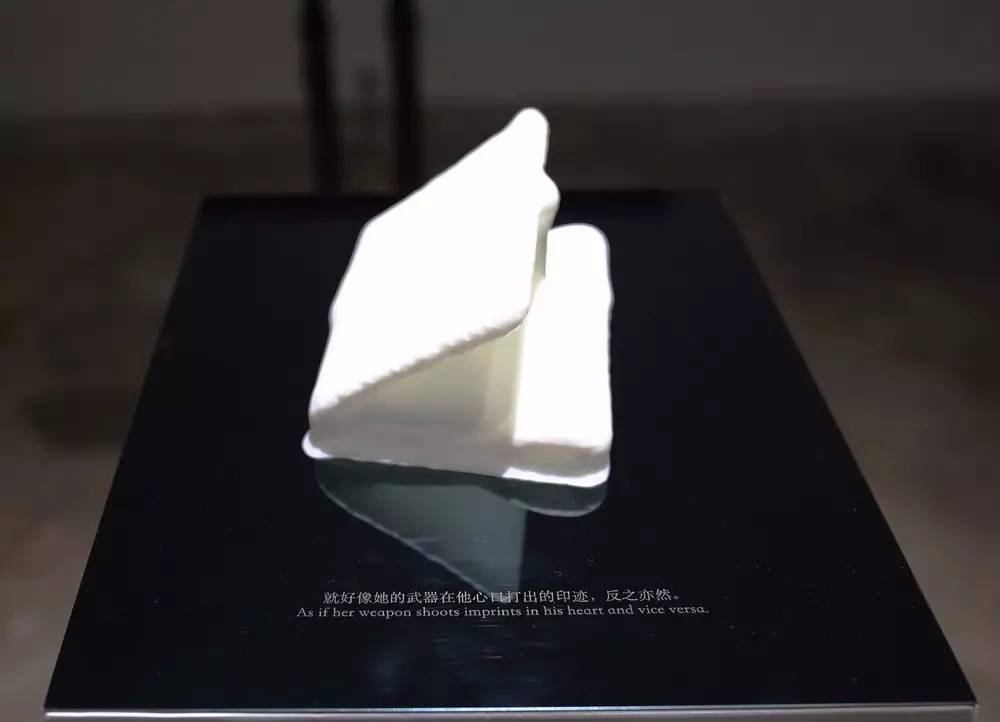
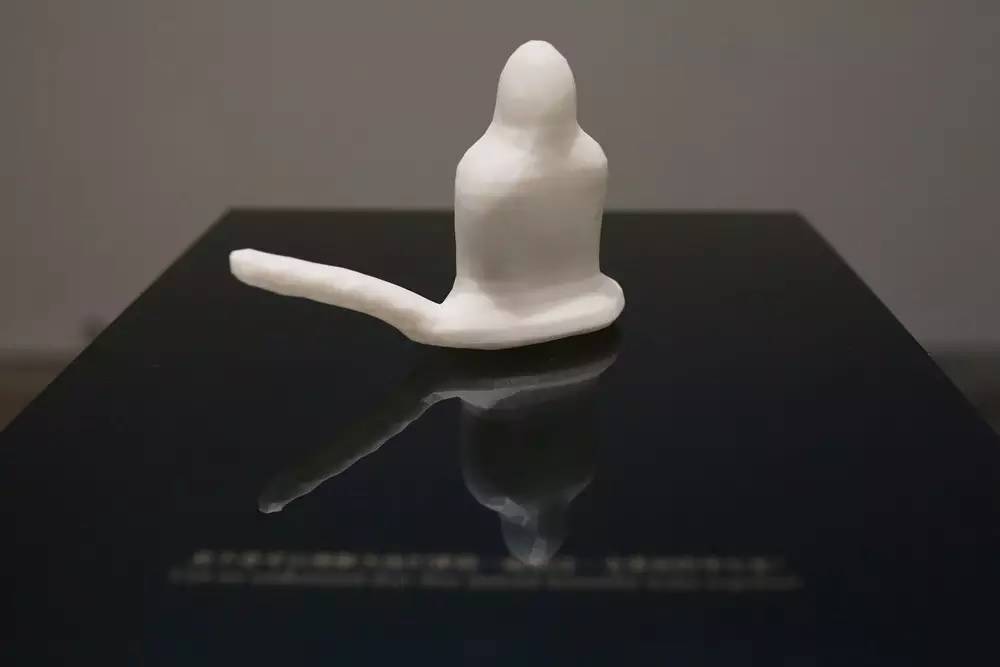
Time Slice Museum

Feng Bingyi’s Style

Feng Bingyi’s characteristic is to use visual language between visual art and film as a medium of expression.

And to construct a narrative space of self perception through poetic language. Her works clearly perceive the deepening relationship between text and images.

Usually, it takes text as the starting point for creation, finds logical breakthroughs through text annotations and explanations. This creative approach fills Feng Bingyi’s works with uncertainty and openness, providing audiences with rich interpretation space.
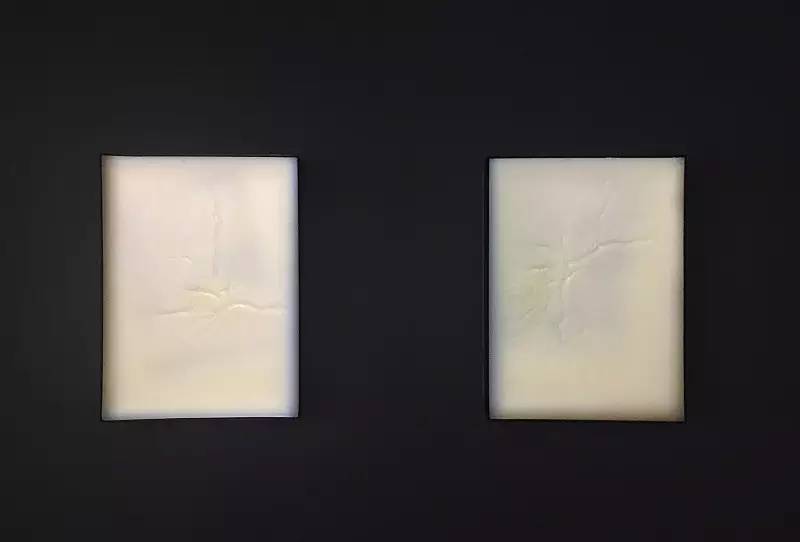
Time Slice Museum

Feng Bingyi is attaches great importance to the influence of different possibilities between space, text, and narration on visual language.

Therefore,her creative forms including visual installations, photography, and animation, all of which provide a broad stage for the presentation of Feng Bingyi’s artistic concepts.

Feng Bingyi’s artistic style is unique and clear, and her works are full of poetry and philosophy.

She knows how to observe and interpret the world with a kind gaze, and conveys a gentle and firm power through her works.
Time Slice Museum

Her works no longer use abstract symbols popular after World War II, after that is also simplify storytelling through concrete images.

And this type of “reproduction” is not simply imitating, but rather presenting hidden truths in scenes.

Allowing the public to have countless possible moments in the visual perception of their works.

This sense of interweaving time and space fills his works with mysterious and fantastical colors.

Giving people a feeling of being in a fantasy world beyond reality.

Feng Bingyi’s Exhibition

In conclusion exhibitions such as “She Walk in Beauty”, “Fool’s Gold”.

The main group exhibitions include “The Story of Your Life I” (Long March Space, Beijing), “Taiping Guangji” (Red Brick Art Museum, Beijing), “The Goodable Strange” (UnArt Center, Shanghai), “Endless Grass” (Delaware Contemporary Art Museum, USA), “Retreat the Waves” (Helsinki Image Art Festival, Finland), and Berlin PANDAMONIUM – Media Art From Shanghai.

Sources

[AAC Special Article] Feng Bingyi: My creative ideas and myself have grown together

Your Life Story II | Feng Bingyi

Feng Bingyi: Cold Facts

Character | Feng Bingyi: A World Interwoven with Time and Space
Categories
Contemporary 当代 艺术家

Contemporary | Feng Zhixuan – Symbols and Civilization

Feng Zhixuan was born in Wenzhou, Zhejiang in 1993.

He obtained a bachelor’s degree from the China Academy of Fine Arts,and a master’s degree from the Sculpture Department of the Royal Academy of Arts.

becoming a member of the Royal Sculpture Association. I currently live and work in Shanghai and Beijing.

Feng Zhixuan:

Artist Feng Zhixuan’s rich and colorful life and artistic experiences constantly inspire inspiration. His works use materials hidden in daily plots to carry out historical actions and evoke cultural resonance.

Cultural elements emerge from highly personalized material forms, transforming into historical and improvisational narratives.

Creating a nomadic archipelago civilization that transcends a single period and specific location.

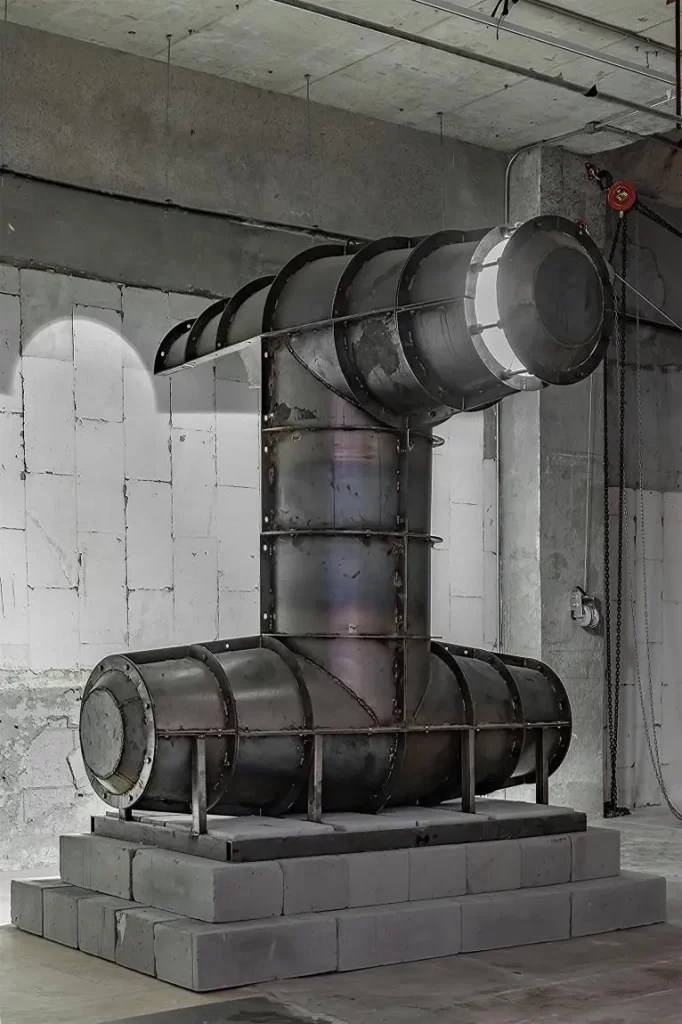
His sculpture installations always exhibit tension, dynamically blending elements of mythology, decoration, exploration, and spatial imagination.

For him, materials are the glue of culture and the result of his outdated self-examination.

Feng Zhixuan:

Each of his works is filled with traces of resistance against contemporary urban environments and inhumane production.

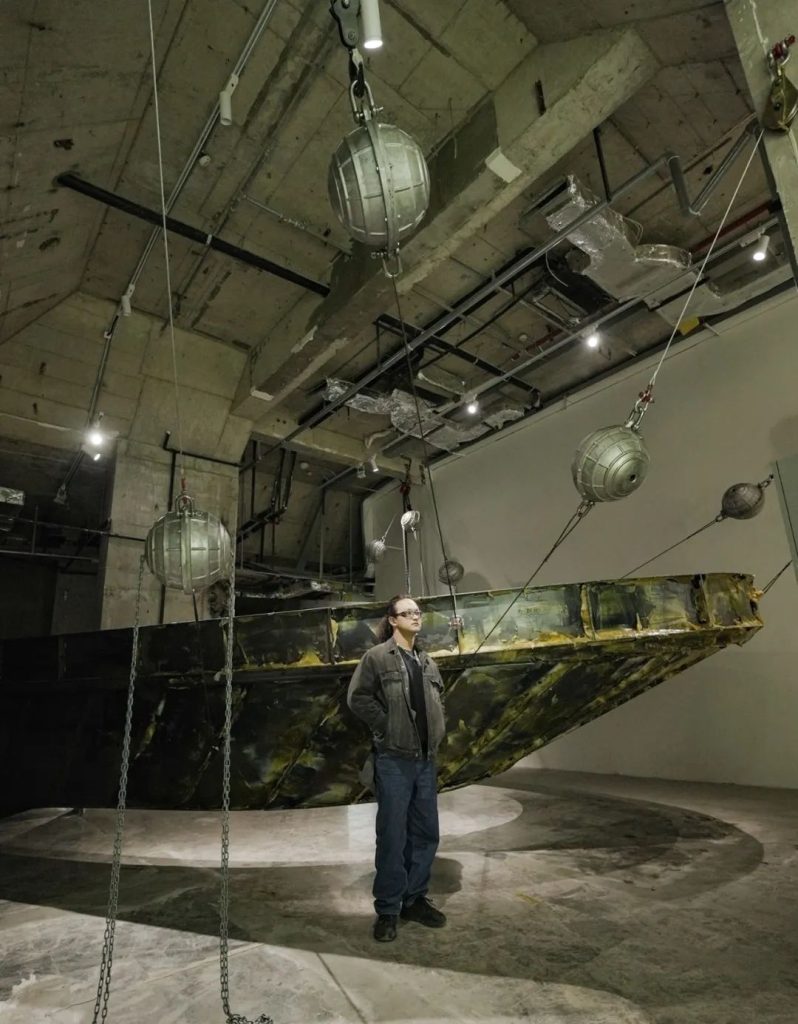
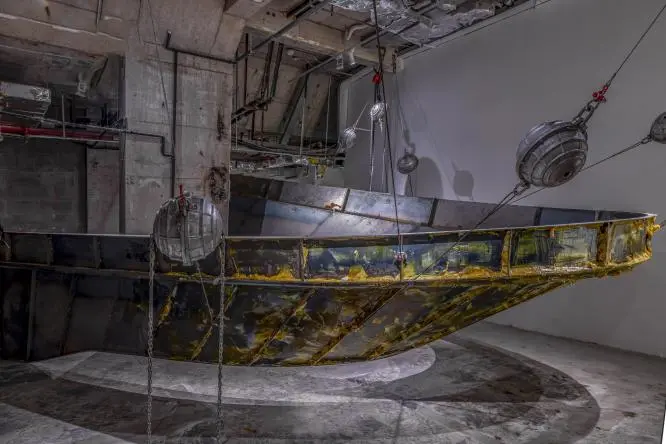
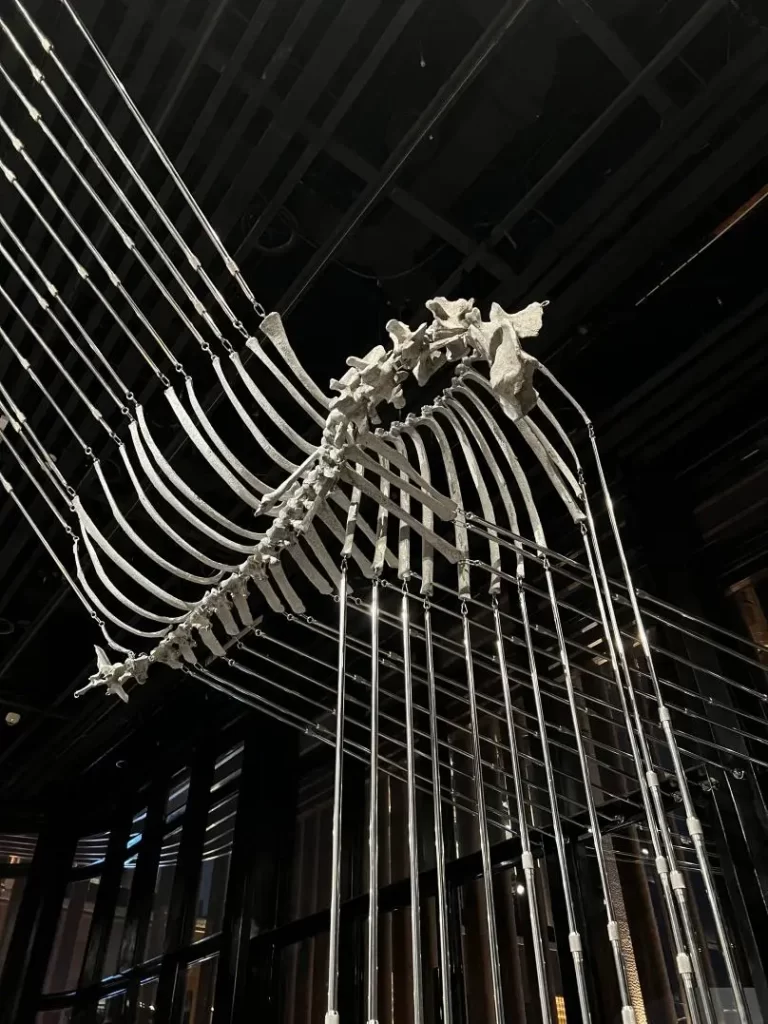
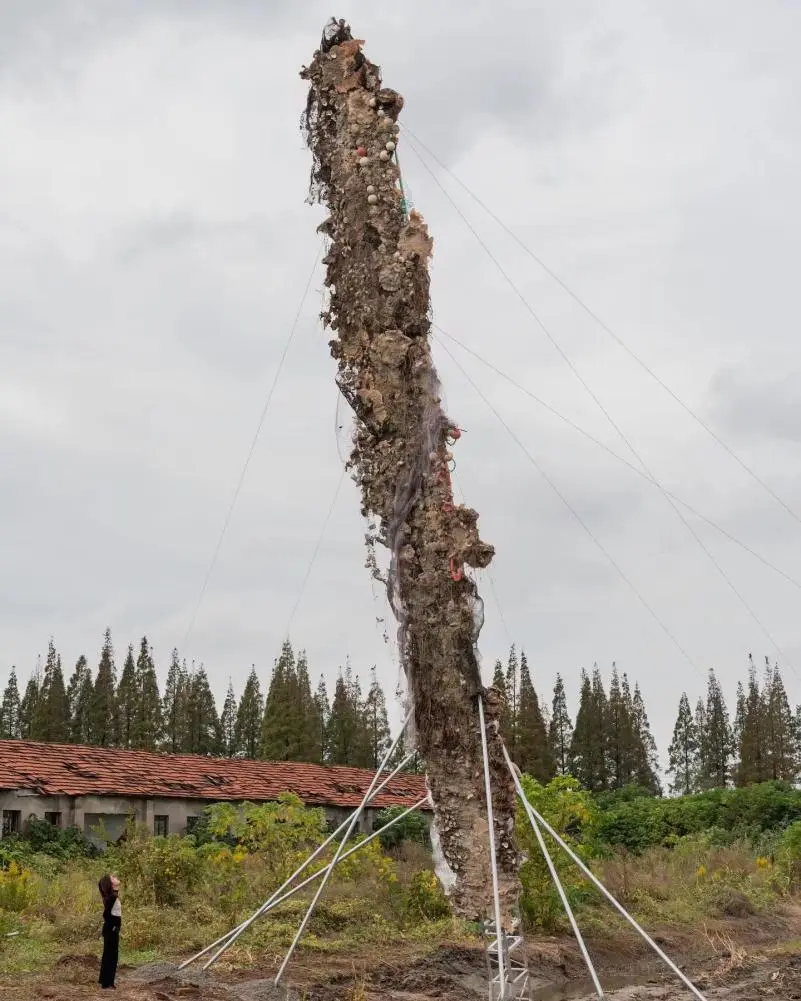
Constantly creating a vertically structured experience through creation and nomadic exhibitions. While collecting relics from the ruins of the hot spring industry, he cultivates an ecosystem of human imagination.

Feng Zhixuan and Materials

Feng Zhixuan’s artistic works are renowned for his unique exploration and creative use of materials. It proficiently uses various contemporary materials, such as aluminum frames, flame-retardant polyurethane insulators for refrigerators, etc.

To create works of art full of mythological and exotic colors.

His works not only reflect a profound understanding of materials, but also unique insights into the era of global localization.

Feng Zhixuan:

For Feng Zhixuan’s creative techniques, he is full of immediacy and arbitrariness.

He is not obsessed with the concept of uniqueness.

But constantly promotes a new craft, discovers a new material, and seeks a new creative path. In order to break free from the control of singularity, he decided to travel and create like a nomadic people.

Walking Feng Zhixuan

He started from the land in his hometown Wenzhou, where the guided wave blocks used by fishermen for fishing gave him inspiration for his creations.

He stepped onto the edge of the mainstream perspective, touching on the structure of Panamanian civilization and indigenous peoples in the Americas; He traversed the ravages of epidemics and slow social states, which brought him contemplation of the tense relationship between humans and nature.

Feng Zhixuan:

This nomadic journey of life represents the complexity and diversity of Feng Zhixuan’s works, and also lays the foundation for his continuous attention to the present, expansion of his field, and contemporary artistic concepts.

In Whitman’s poetry, poets stack different objects together and create subtle connections between them, which Feng Zhixuan also practiced in his creations.

You can hear it in the artist’s studio, where there are many small experiments. Feng Zhixuan also collected many small materials and sculptures. His way of working is to constantly advance a new process or discover a new material, a new creative method. Feng Zhixuan is doing such work every day, and these achievements will be scattered in the artist’s studio.

He said that if he had to present a work, he would put them together and mix different materials together. I hope to generate some new things in the process of change, or remove the original functions of materials, and then manually intervene in some self feelings related to the artist himself, or the artist’s feelings in his original editing line or mechanization process.

As for the selection of materials, Feng Zhixuan likes the irreplaceability of materials. He believes that there must be cultural attributes behind the materials, and also believes that this cultural attribute is the strongest.

Therefore, the tension in his sculpture installation also stems from his own strength, which constantly permeates into wealth.

Feng Zhixuan:

He likes to dynamically integrate elements such as mythology, decoration, exploration, and spatial imagination, presenting a nomadic archipelago civilization that transcends a single period and specific location. This civilization is vividly reflected in his works, and the audience also feels the fusion and collision of globalization and localization.

Feng Zhixuan’s Exhibition

Feng Zhixuan’s works have been exhibited multiple times in large-scale exhibitions both domestically and internationally, such as “Rotant Palace” and “Northern Landscape” solo exhibitions, as well as in collective exhibitions such as “Illusion” and “Otto Immortal Goes to the Sea”. His works have also participated in international art exhibitions, such as the German exhibition “A truck parked on the grass next to two trees”, further expanding his international influence.

Sources

yishubaike

Feng Zhixuan: Dominator

Feng Zhixuan | Artist nominated for the 8th Tomorrow Sculpture Award

Categories
Contemporary 当代 艺术家

Contemporary|Chen Xuanrong – Riding the Waves of Youth, Advocating Freedom

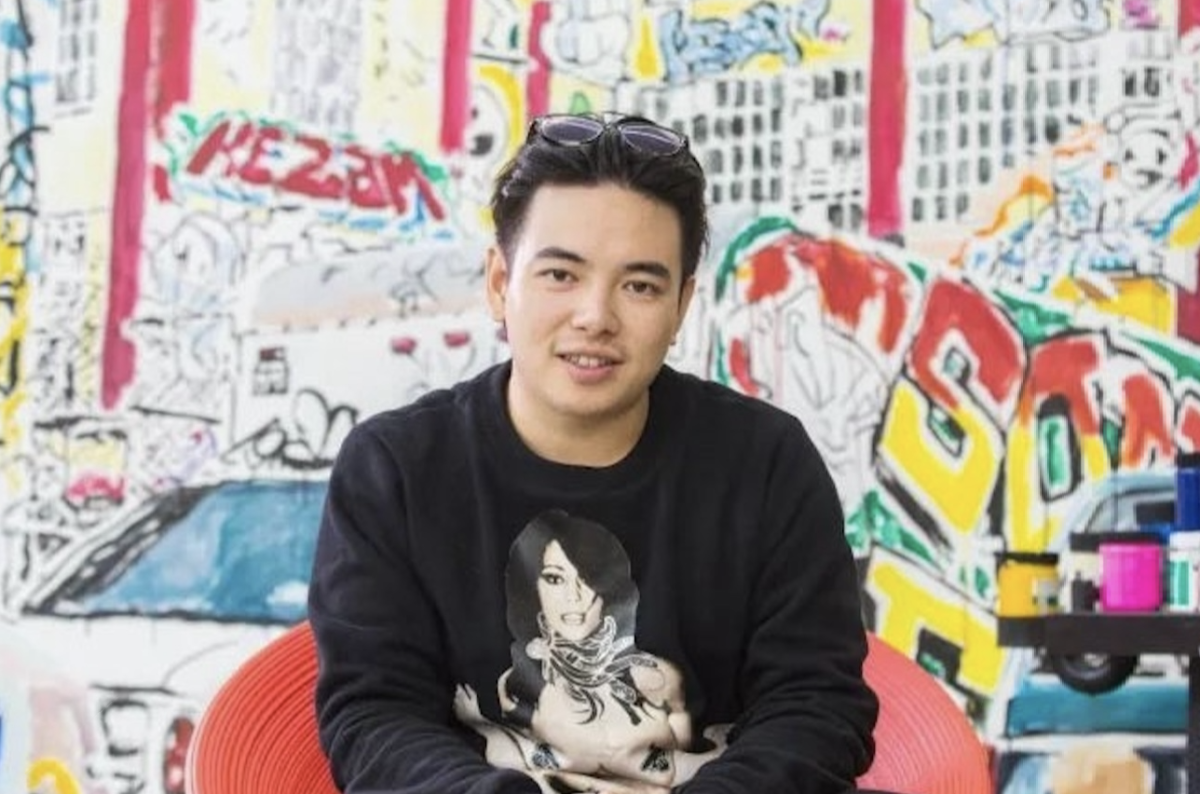
Chen Xuanrong, born in 1991 in Zhangzhou, Fujian Province, is an emerging artist in the field of contemporary art.

Chen Xuanrong was born in Zhangzhou, Fujian Province in 1991. He studied printmaking at the Central Academy of Fine Arts from 2010 to 2014, where he earned his bachelor’s degree.

From 2016 to 2019, he pursued his master’s degree at the Central Academy of Fine Arts under the guidance.

He participated in compiling the history of the Printmaking Department at the Central Academy of Fine Arts. He currently lives and works in Beijing.

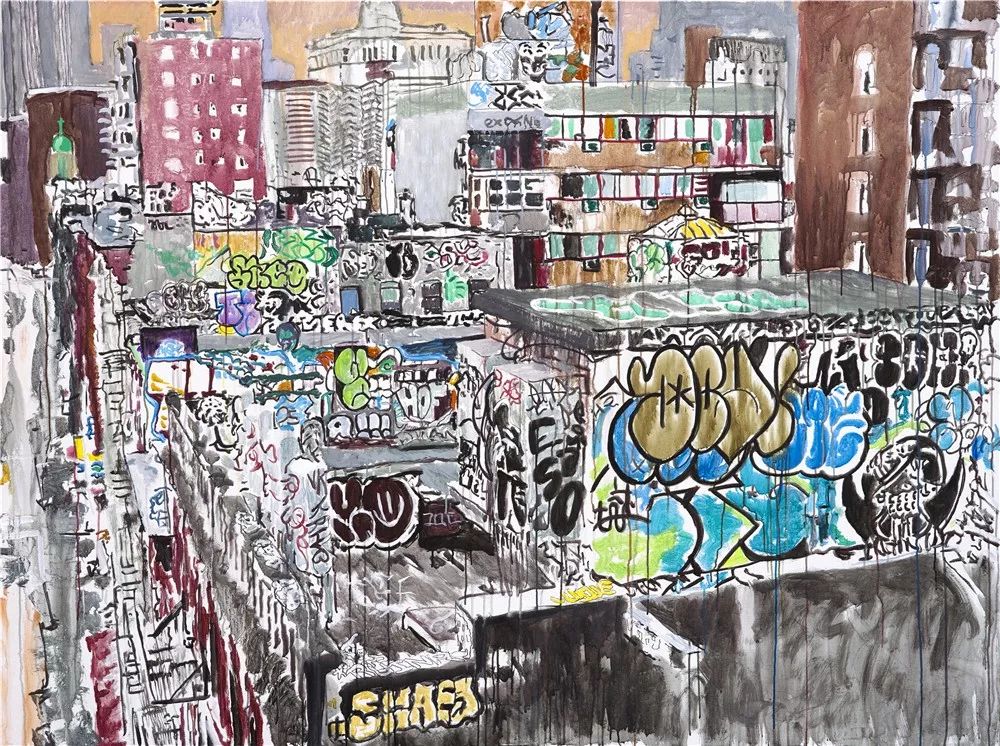
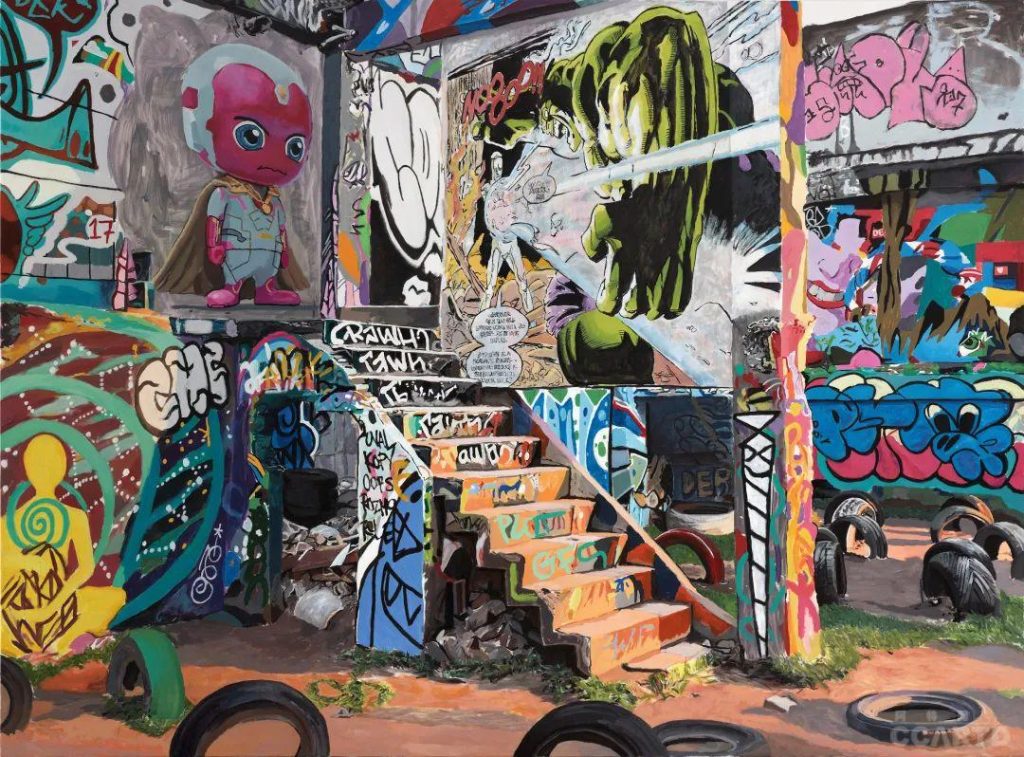
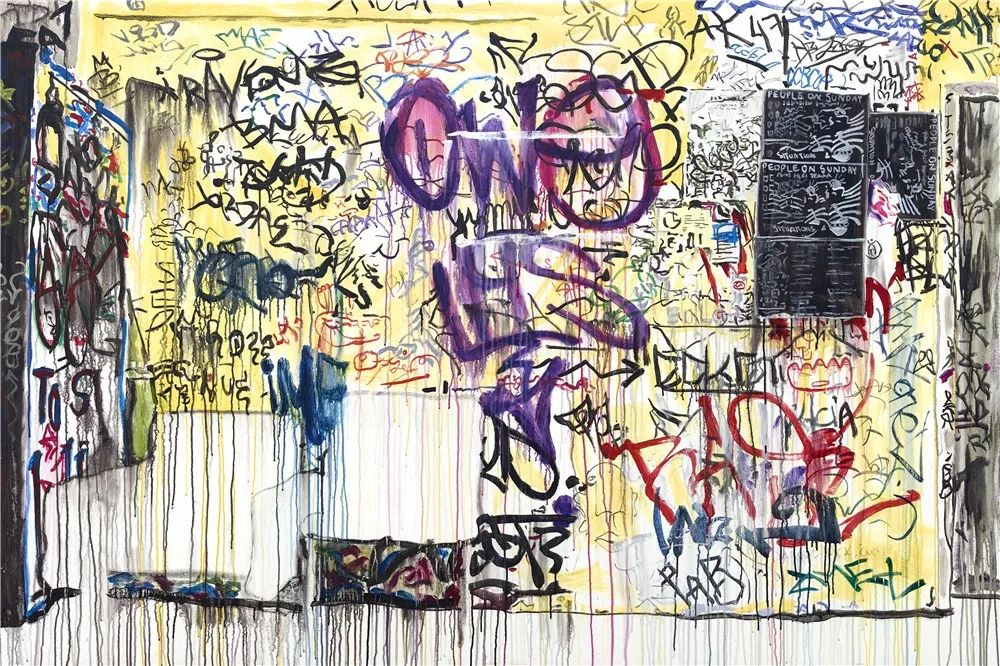
Chen Xuanrong’s artistic language typically takes the overall characteristics or specific phenomena of subcultures and popular culture as a starting point.

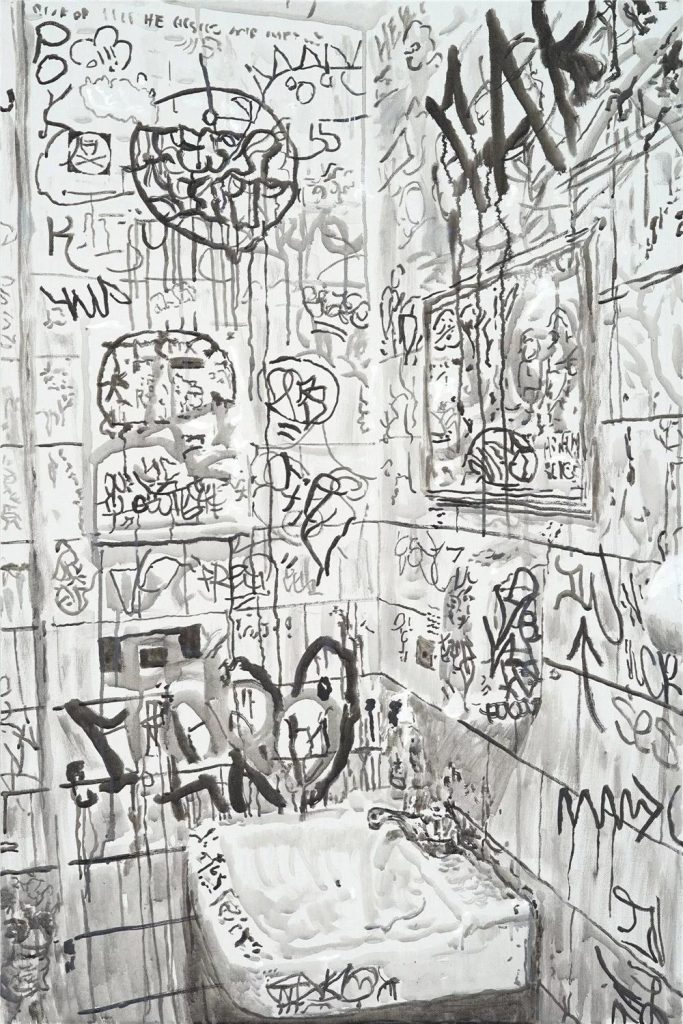
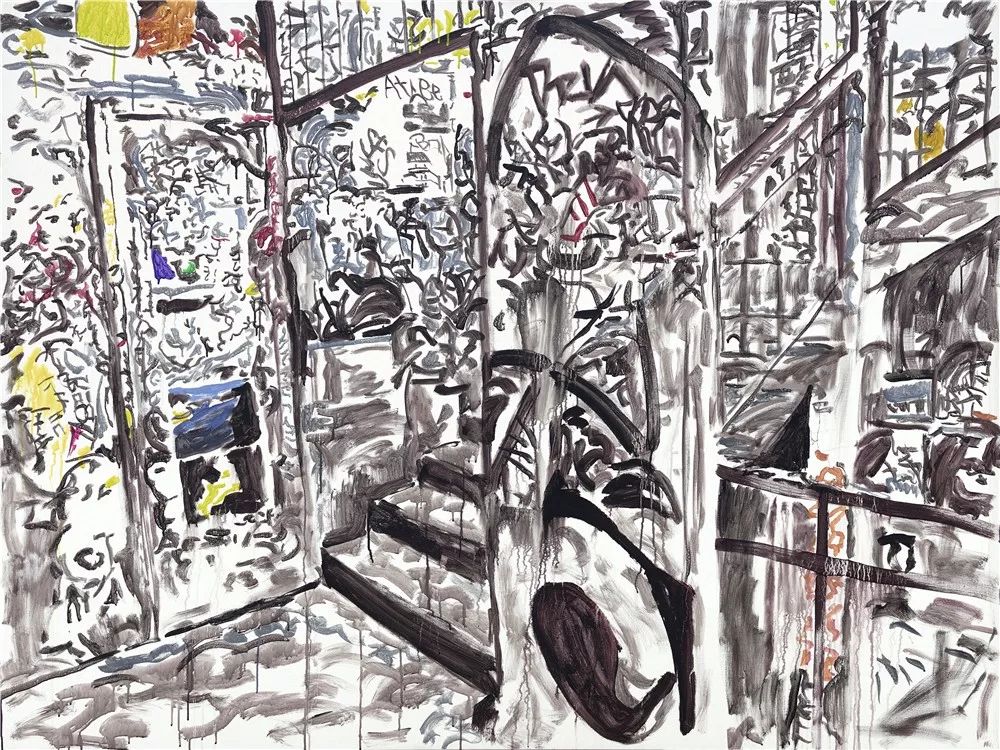
He using graffiti on canvas to express personal intentions through self-mockery and output.

The recurring visual symbols and certain ambiguous textual elements in his works imply his reflection on and satire of the social reality.

Chen Xuanrong | Roy XR.Chen

With a humorous and playful language form, mixed with peculiar symbol indications.

The overall tone of his artworks presents the artist’s refinement of the language of painting.

And his observational attitude towards reality, akin to a magical realism based on reality.

One of the most prominent aspects of Chen Xuanrong’s work is the use of a large number of visually striking color combinations to match the profound reflections contained within his pieces.

The vibrant and contradictory use of colors is like the attention he pays to the younger generation in contemporary society, with their pursuit of freedom, individuality.

And inclusivity being vivid, impactful, chaotic yet powerful.

Chen Xuanrong | Roy XR.Chen

The “street graffiti” that is not widely accepted in China symbolizes the conflicts and rebellions that accompany each generational shift, as seen through Chen Xuanrong’s perspective.

Chen Xuanrong : Artworks and Artistic Concepts

“G1.0.1.8” and “G1.0.2.7”: These two works are series-free creations by Chen Xuanrong in 2016. Through the use of rich colors and unique compositions, the artist showcases his unique understanding of popular culture and subcultures. With delicate and powerful brushstrokes, Chen Xuanrong expresses his unique feelings and profound thoughts about the world.

Chen Xuanrong | Roy XR.Chen

“Like Father, Like Son” Series: This series reflects Chen Xuanrong’s deep reflections on family, affection, and growth. By depicting the daily interactions between fathers and children, he showcases the warmth and strength of familial bonds.

Chen Xuanrong explores the changes in family relationships and the challenges of individual growth in modern society through his works.

Graffiti Series of Chen Xuanrong

Chen Xuanrong has a strong interest in graffiti art. His graffiti series not only demonstrate the diversity and creativity of street graffiti.

But also embody the artist’s profound reflections on urban culture and social phenomena. Through his works, Chen Xuanrong finds new ways to express himself and address social issues. We can hear the cries coming from abandoned neighborhoods, see the uncontainable expressions of freedom between the spray paints.

Chen Xuanrong | Roy XR.Chen

The charm of art lies in the endless subversion and reshaping of established matured inertial thinking or experiences.

In the bodily semantics and psychological structures that may obtain some relevance hints in the individual cognitive transformation process among the three time nodes of past, present, and future, and in response elements.

Chen Xuanrong’s throwing and questioning of painting concepts and concepts are also self-questioning, denial, or affirmation. Through artistic works, he provides a new sense of uncertainty and freedom for the establishment of relationships between individuals and societal domains in the process of deconstructing and constructing the self.

Artistic Achievements and HonorsChen Xuanrong has held solo exhibitions and residency projects in venues such as Shanghai Haomei Art Hotel and the Taipei Museum of Contemporary Art.

He has also participated in important exhibitions at the Beijing Today Art Museum, the Today Art Museum, and the Shanghai Mingyuan Art Museum.

In addition, Chen Xuanrong has designed a collaborative art car for Land Rover Range Rover Evoque, seamlessly integrating art with life.

His works have not only gained acclaim domestically but have also been exhibited internationally, attracting attention and recognition from the international art community.

Chen Xuanrong | Roy XR.Chen

Sources

陈轩荣 | Roy.XR.Chen

陈轩荣CHEN XUANRONG

Chopping Waves – Chen Xuanrong Solo Exhibition (Solo Exhibition)

Categories
Contemporary 当代 艺术家

Contemporary | Hu Yun – Everything is the same

Hu Yun is born in Shanghai in 1986, graduated from China Academy of Fine Arts in 2008. I currently live and work in Melbourne and Shanghai.

Hu Yun’s works include painting, watercolor painting, performance, video recording, and installation.

Hu Yun is good at mobilising the experiences of different characters and stories, and reintegrating various materials from the past into his daily work. Therefore, artists and audiences cannot view every work of artists in isolation. Each project has a predetermined and interrelated common theme.

painting

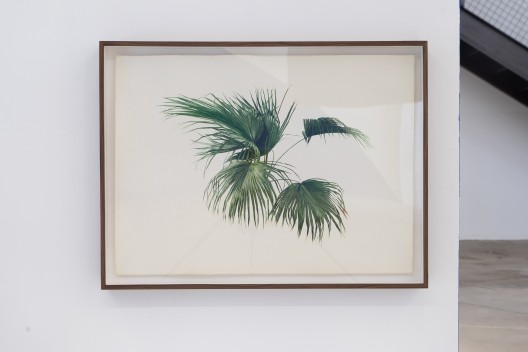
Hu Yun himself mainly engages in architectural structures. Most of his works are closely related to nature, with some focusing on elements such as plants and insects.Hu Yun, with a nostalgic heart and a warning attitude towards the audience, pays attention to nature. He incorporates simple concepts and elements into his works, transforming them into simple forms and creating rich experiences. He likes to attract public attention in interesting or engaging ways and immerse himself in his works.

Hu Yun’s works often give people a simple and rustic beauty, and after a long search.

They give people a true sense of happiness and security.

It tends to improve society with a sense of calmness and peace, rather than using the powerful creative methods of some artists.

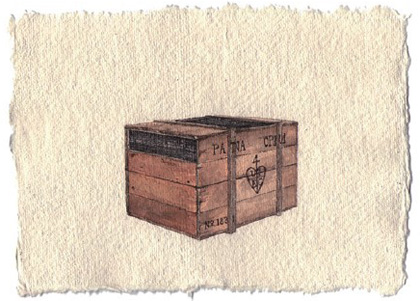
“Treasure Chest” (sketch), installation, 100x80x80cm, wooden board, screen printing, color, 2012

Everything is the same

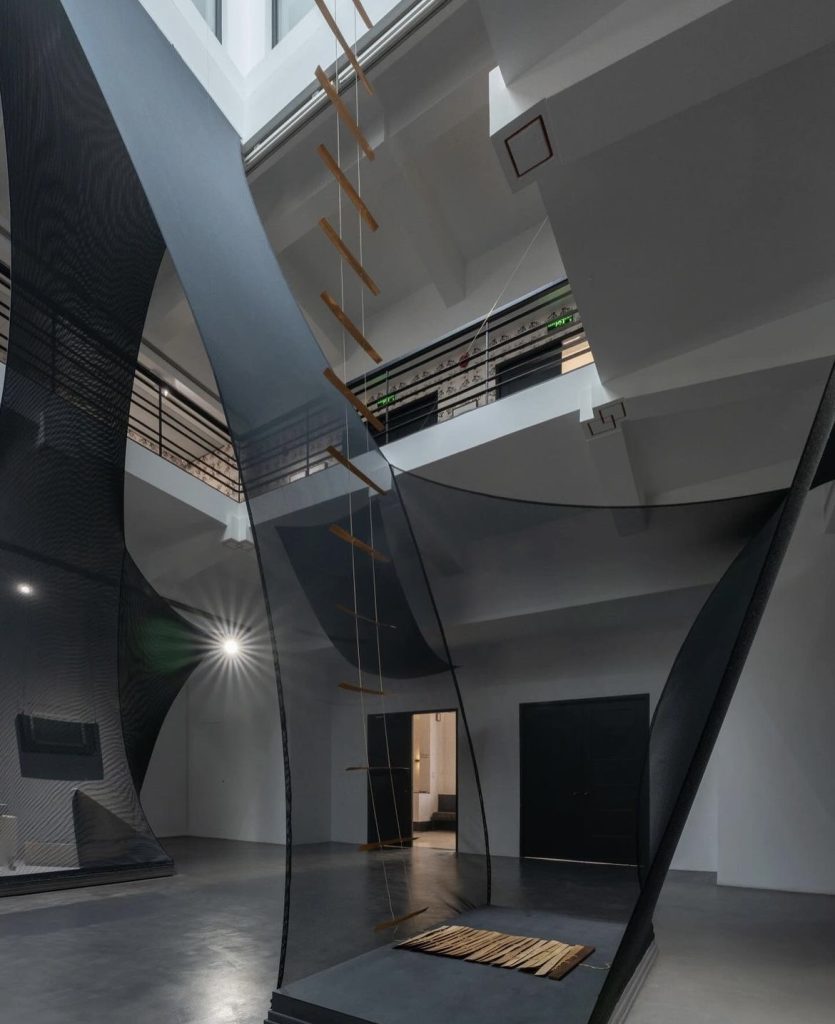
In Hu Yun’s 2008 work “Everything is the same”, the pillar in the center of the room looks no different from him.

Quietly moving back and forth in front of us at an extremely slow speed that cannot be distinguished by the naked eye.

Every millimeter of the movement of the huge cylinder became a mystery,it slowly unfolded like a poem.

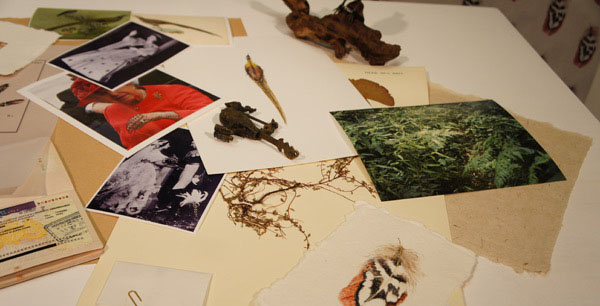
Therefore, Hu Yun’s new series focuses more on natural history research to gain new artistic reflections. The exhibition “Mysterious Garden No.1: Riverside” revolves around a unique Chinese animal.

This type of mountain chicken,is described in detail in Li Zhen’s book “The Material Media Gang” (1586).

In the 19th century, like other unique flora and fauna, it was discovered by a tea master named John.

This river (1774-1856) was the first to be introduced to the West. During his annual business trip to Guangzhou, Rivers commissioned local painters to create various animal and plant illustrations, collect animal and plant specimens and seeds. Hu Yun’s works are based on various narrative clues, attempting to reconstruct historical information, legends, and personal experiences.

 installation

When curious British people hunted this rare bird near Shanghai, they found it “always too fast to see clearly…” It was this short scene that aroused the curiosity of Westerners and created a legend, a story.

As the artist said, “History is always hidden in the intangible, and we observe, search, and speculate through different memories, experiences, and understandings.”

Mysterious Garden No.1: Riverside

Mysterious Garden No.1: Riverside

Hu Yun’s Exhibition

Hu Yun has participated in many biennials around the world. For example, the 6th Singapore Biennale (2019), the 4th and 11th Guangzhou Biennale and the 7th Shenzhen Sculpture Biennale.

His work has also been exhibited in leading contemporary museums around the world. These include: the Museum of Contemporary Art, Shanghai; Centre Georges Pompidou, Paris; Guangdong Times Museum of Art, ecc.

His solo exhibitions include:

“Micro Landscape” held at the National University Museum of Singapore in 2019;

“We have never left”, Xi’an Organizing Committee, Xi’an, 2017;

“Narrative Disease”, Aike, Shanghai, China, 2016;

“Handle with Care”, Aike, Shanghai, China, 2013;

“Our Ancestors”, Goethe Open Space, Shanghai, China, 2012;

“Water in Nature”, Museum of Natural History, London, UK, 2010.

 installation

Sources

HU YUN – AIKE

HU YUN:MOUNT ANALOGUE

Introduce of HU YUN

Evolution: Confusion in the Yuan Dynasty – The Grand Opening of Space

Categories
Contemporary 当代 艺术家

Contemporary|Qian Ningyue – Cooking always accompanies me, giving me a soothing feeling

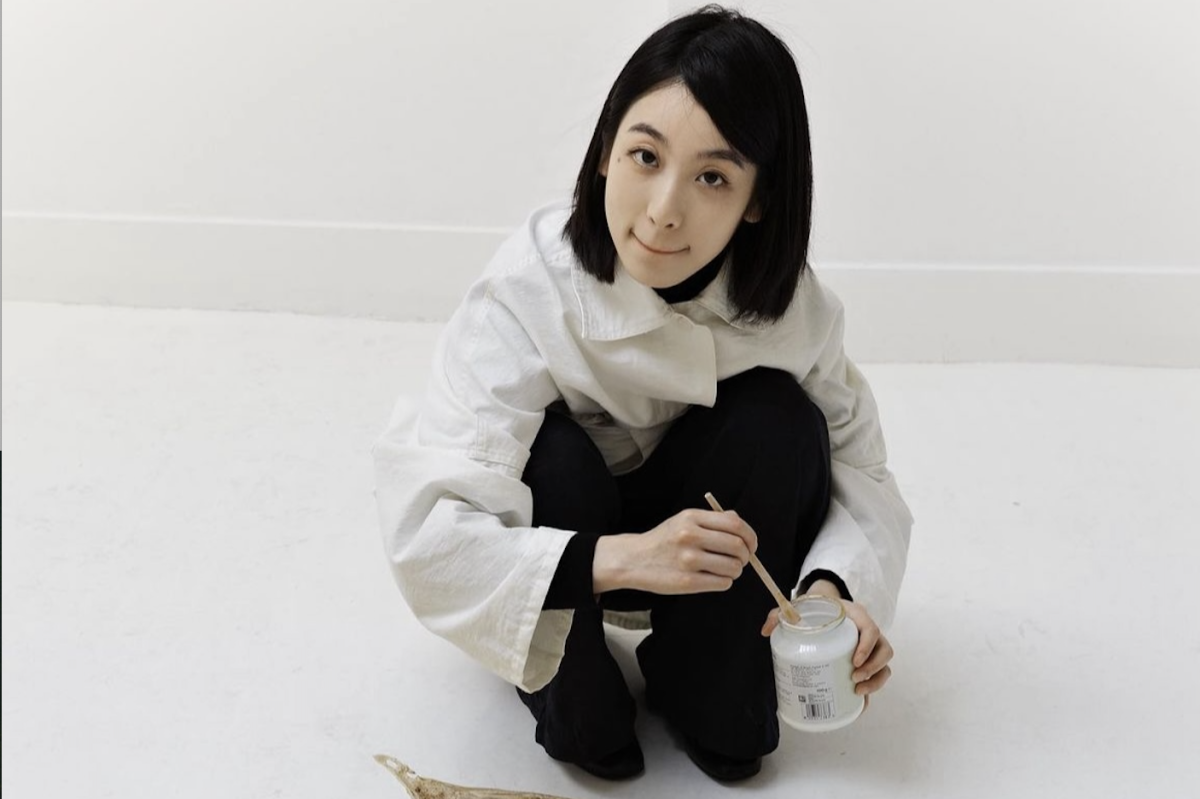
Qian Ningyue is a student at the Royal College of Arts in the UK and a Chinese sculptor currently living in London.

Qian Ningyue is working

She has her own independently created brand called Fanyuan, which is an art furniture brand derived from the Century 1080 Project.

Inspired by the unique charm of ancient gardens in the East, it combines quality and smooth yet visually appealing stainless steel materials.

Works of Qian Ningyue

Qian Ningyue, as an artist, often uses her insights as an observer of daily life to achieve artistic works.

She has established a research method using recording as a means to explore what we overlook in the process of discovery.

And what things have the potential to break through real-time memory.

Qian Ningyue magnifies individual features that are easily overlooked in daily life through his works.

In this way, Qian Ningyue creates opportunities for contradictions to overlap and carries out a corrective operation in a balanced state. This is an experiment conducted by artists on the logic rooted in the audience’s minds.

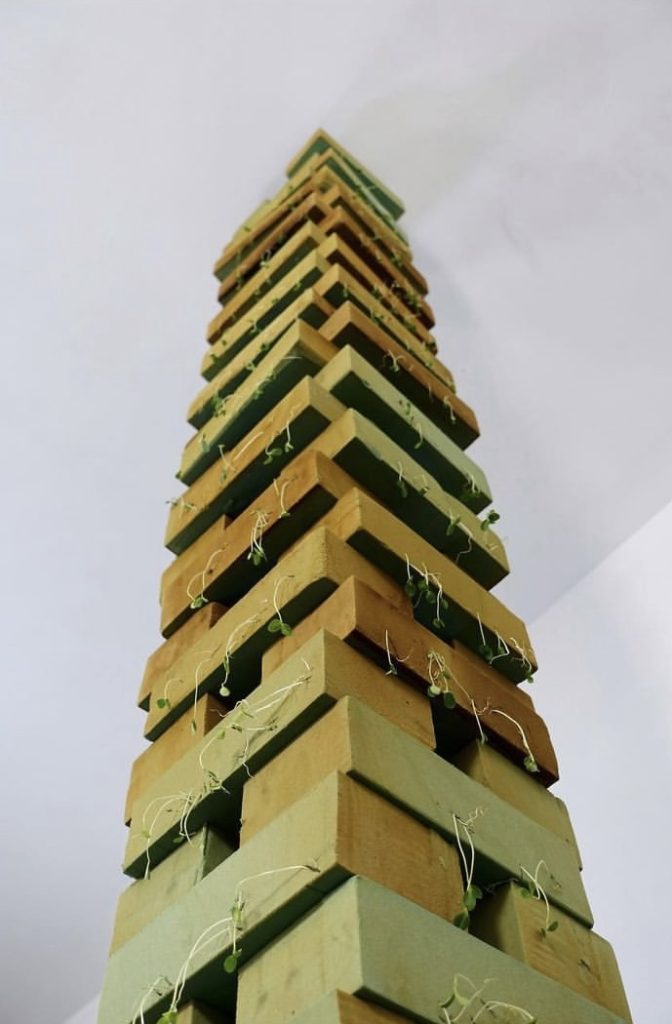
Qian Ningyue:Pillar

The installation art work <Pillar> by Qian Ningyue” class=”wp-image-1643″/></figure>


<p class=Qian Ningyue’s artwork “Pillar”, she planted plant seeds in the flower mud and constantly watered them to help them grow.
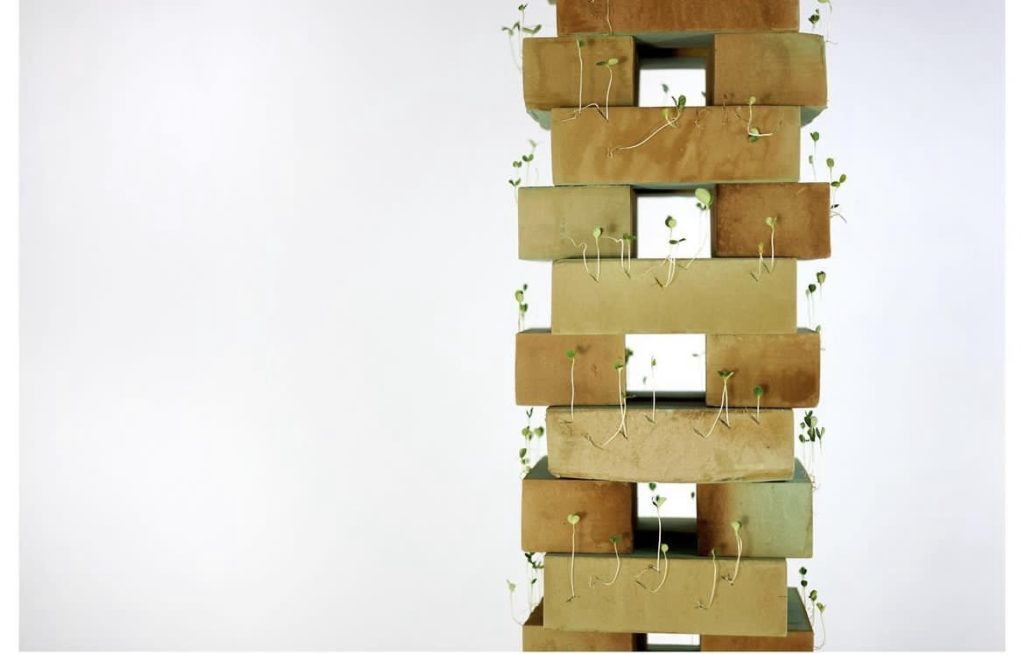
The bricks used in the building and the naturally growing plants left behind after demolition attract it. For artists, it is like a symbol, like the unity of “you have me, I have you” in the home. However, due to its strong permeability, plants can only choose to survive and cannot grow during the growth process.

They can only maintain a fixed posture to maintain life, without a complete circulatory system.

The work of artist : Pillar

Qian Ningyue:Cooking always accompanies me and gives me a soothing feeling

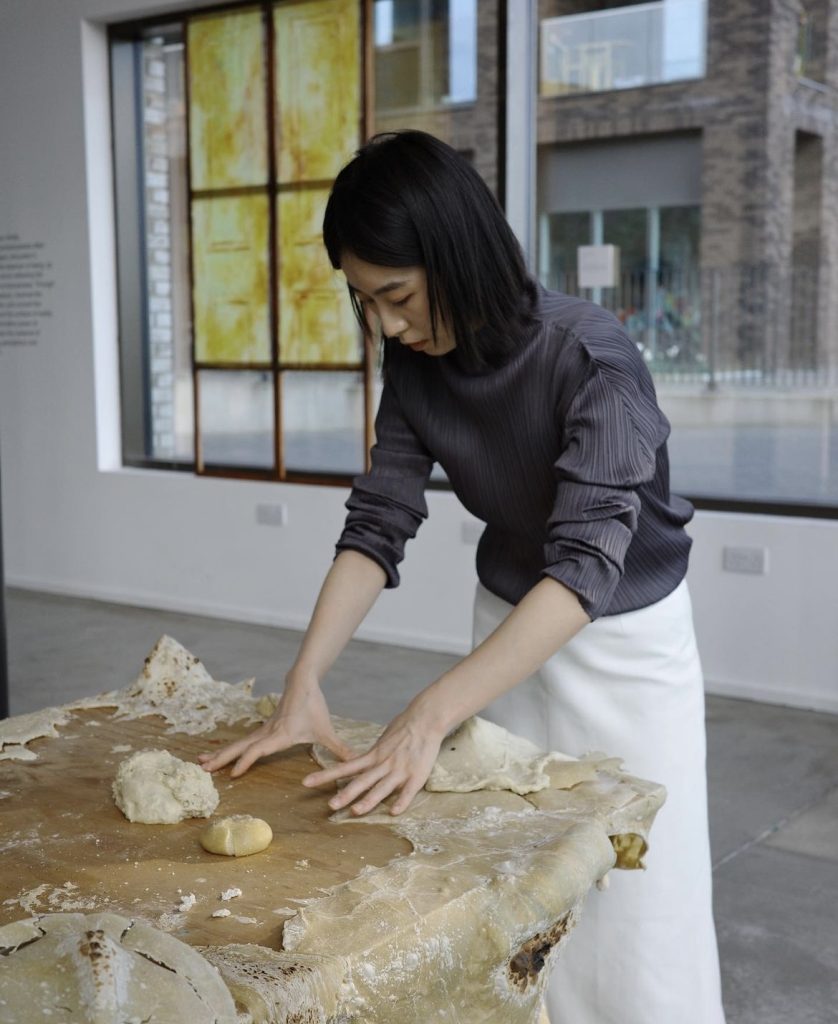
The artist is working with the art work <Cooking> ” class=”wp-image-1645″/></figure>


<p class=when the artist came to London to study, Qian Ningyue, as a non-native speaker, cured her unsafe emotions through cooking. She said, “Cooking always accompanies me and gives me a soothing feeling”.
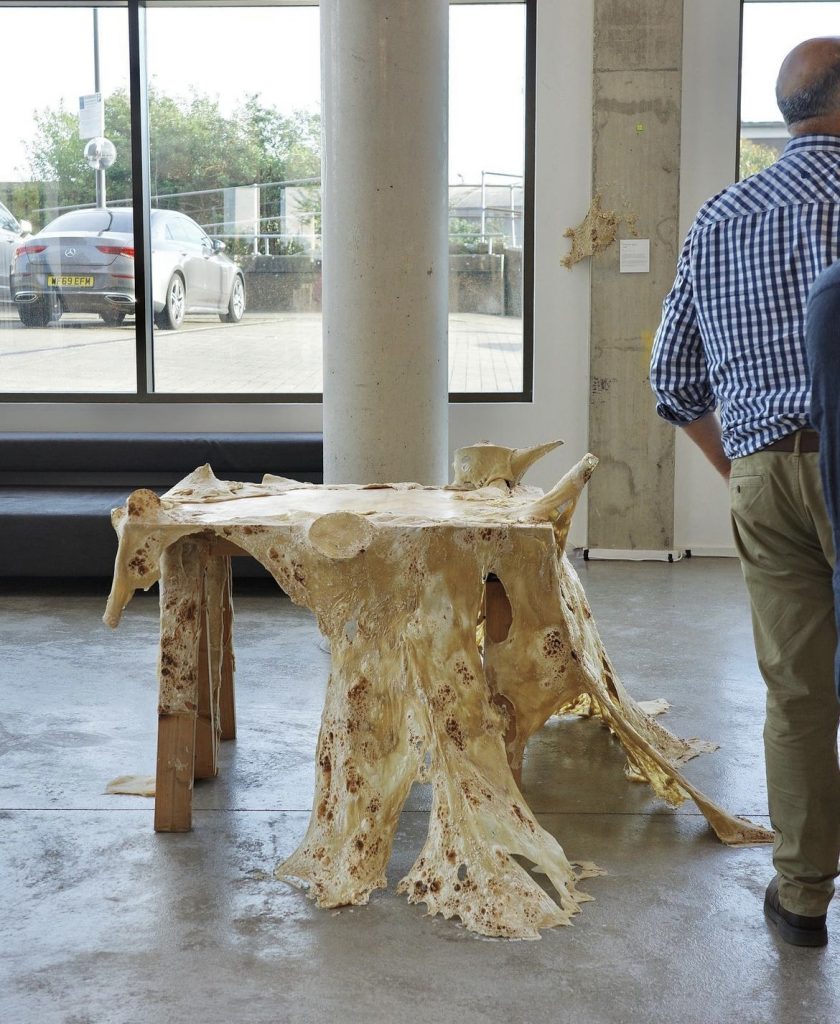
Baking expert Xiaoqu once said, “Dough has emotions. Only when you treat it gently will it repay your tenderness.”

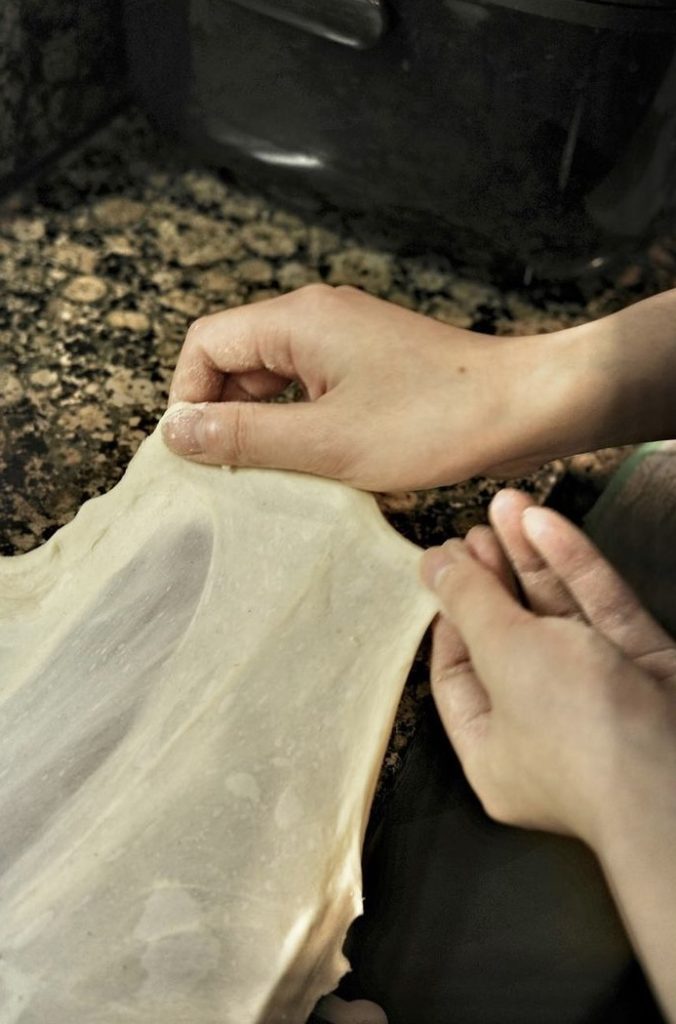
Qian Ningyue’s creative inspiration comes from cooking works. She uses materials such as dough and sugar, and uses time as a medium to change its extensibility state and on-site cooking methods. These seemingly fragile materials are combined to create structures and continuously expand unstable boundaries. By controlling the state of the dough material, Qian Ningyue divides it into two states. Firstly, after cooking, it can slowly dry and crack over time. Secondly, controlling the dryness of the dough allows it to maintain a permanent state, making it convenient to move and transport the same substance in different states.

The different contexts in which the material is in the environment are expressions.

Qian Ningyue has been using and enjoying in her creations.

installation art work <Cooking> by Qian Ningyue” class=”wp-image-1646″/></figure>


<p class=Bread fermentation is a long process that requires appropriate temperature and humidity.
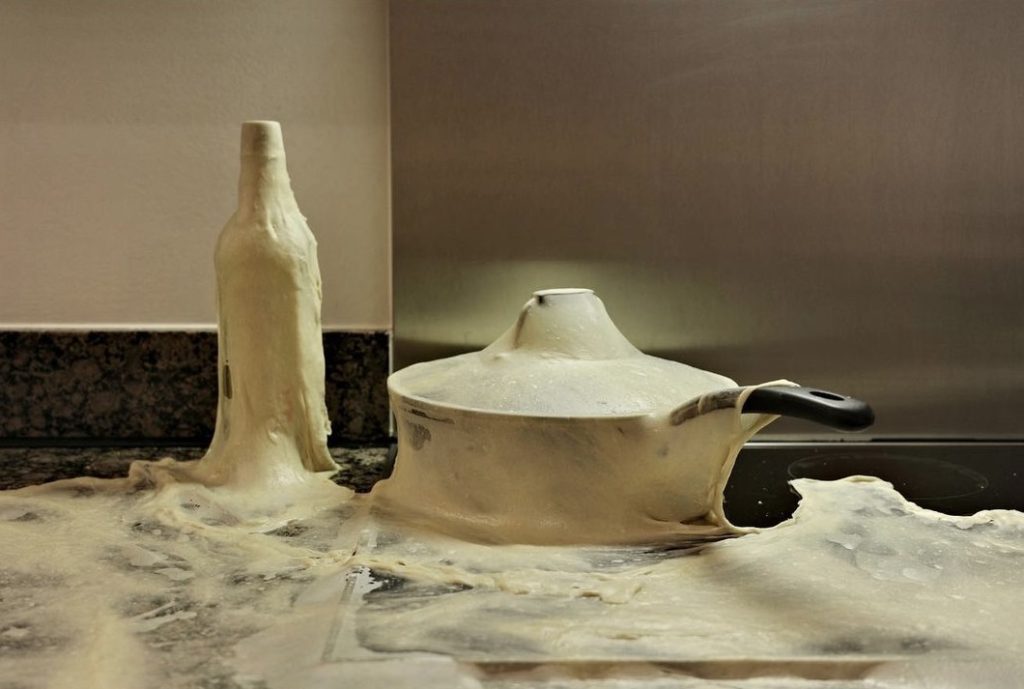
As well as the patience and gentleness of the baker. Flour, butter, eggs, milk… You combine these raw materials in a certain proportion, and watch them turn into dough in your hand.

At the temperature of your palm, it spreads from a small ball of dough to a large, soft, and white ball of dough. In this process, you can let go to a state where you forget everything.

Licking one’s own life is like a maltose

And Camus also said, “Licking one’s own life is like a maltose, shaping it, sharpening it, loving it, and searching for the final decisive word, image, or sentence that can be used as a conclusion, starting with it, and seeing everything through it from then on”.

Based on Qian Ningyue’s exploration of cooking materials in art, she integrates daily kitchen ingredients into the artistic process. Inspired by the transformative nature of cooking and the extensibility of ingredients, Qian Ningyue’s creations blur the boundary between culinary art and visual art.

She providing a unique sensory experience that challenges the limitations of traditional art.

Qian Ningyue unexpectedly manipulated dough and sugar, breaking through the limits of materiality and temporality in her artistic works. The interaction between the perishability of cooked dough as it dries and breaks over time.

And the controllable preservation of the dough in its permanent state.

In addition, her exploration of different states of the same material and the influence of environmental context on material expression have added complexity and depth to her artistic practice.

By utilizing the brevity of materials and the fluidity of explanations, the audience also contemplates the brevity of art and the constantly changing relationship between materials and the surrounding environment.

The foto of art work by Qian Ningyue <Cooking> ” class=”wp-image-1647″/></figure>


<h2 class=Sources

Baking Those Things (3)

Camus: My life is like a hot dough repeatedly kneaded

Qian Ningyue

Categories
Contemporary 当代 艺术家

Contemporary|Gai Qizheng – misunderstood and created culture

Gai Qizheng, born in Qingdao,in 2001, graduated from the School of Urban Design at the Central Academy of Fine Arts.

However as a young artist, is committed to engaging with the digital world.

His works often focus on artistic creation within the context of the internet.

Above all he is dedicated to navigating between different fields, with his work language typically involving interactive installations, graphic design.

Gai Qizheng aims to view certain global historical phenomena from a perspective that transcends national boundaries. His works primarily explore the phenomenon of future cultural integration. He considers in-depth research and practice as his primary working methods.

The imagination of others

Chess

The imagination of others

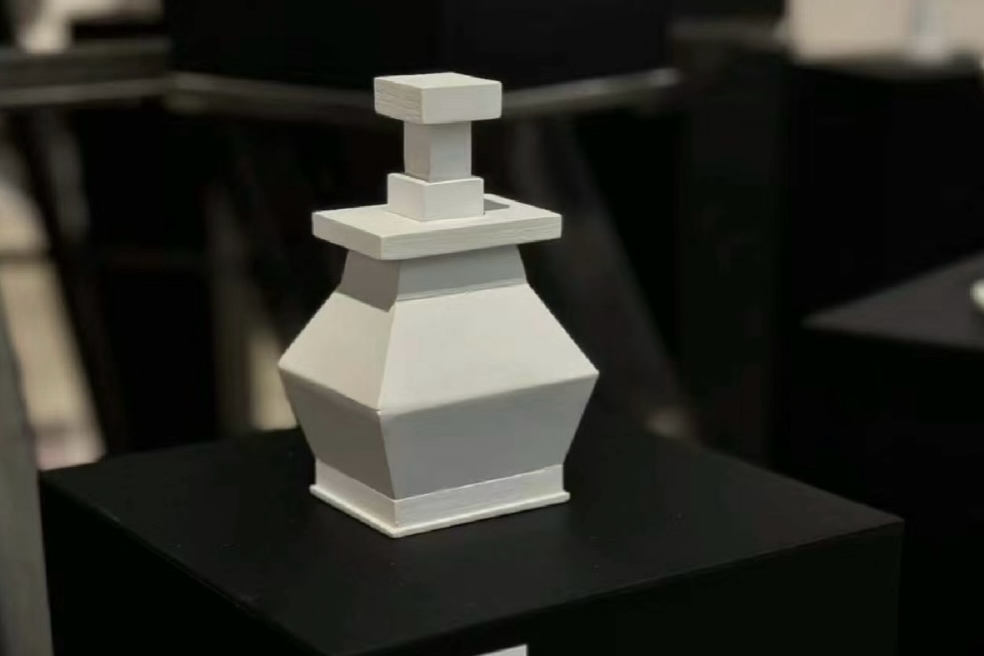
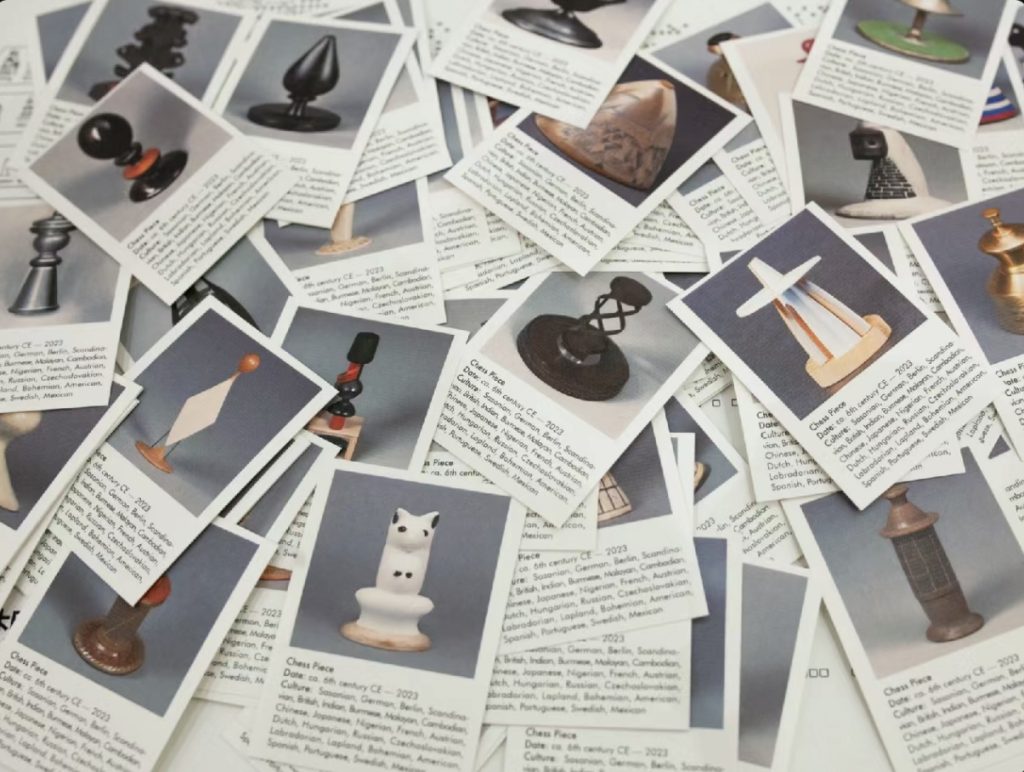
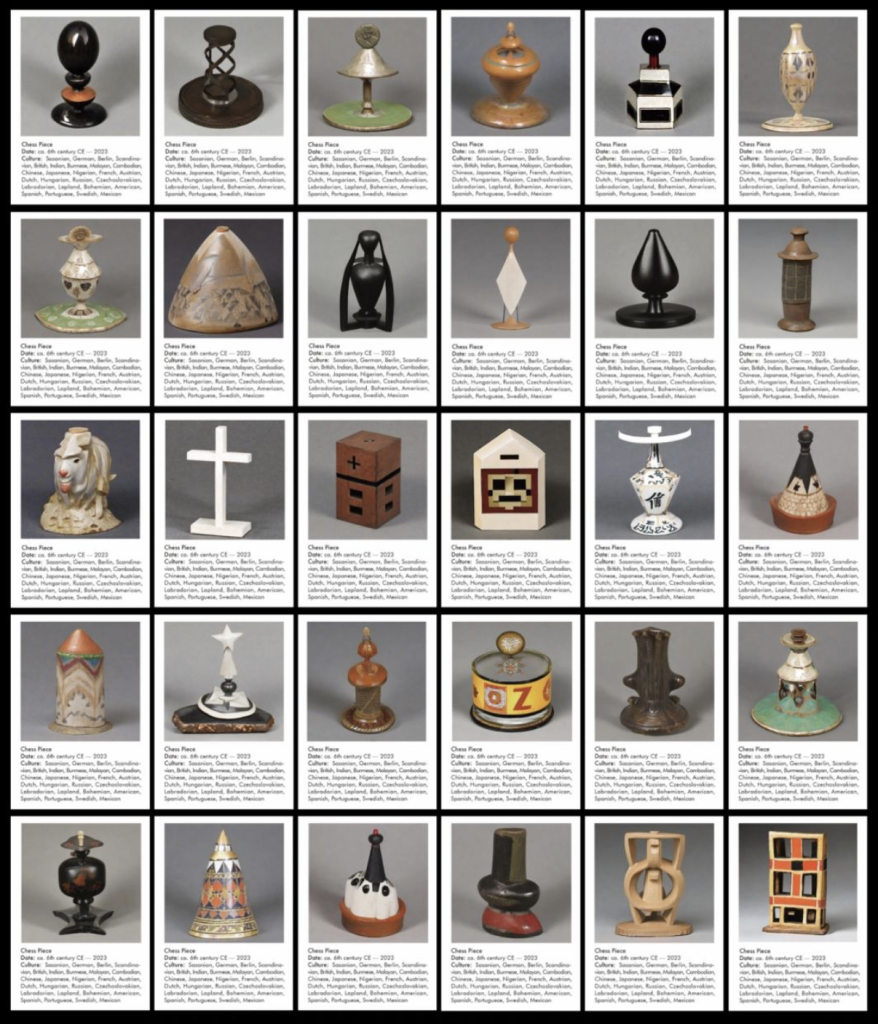
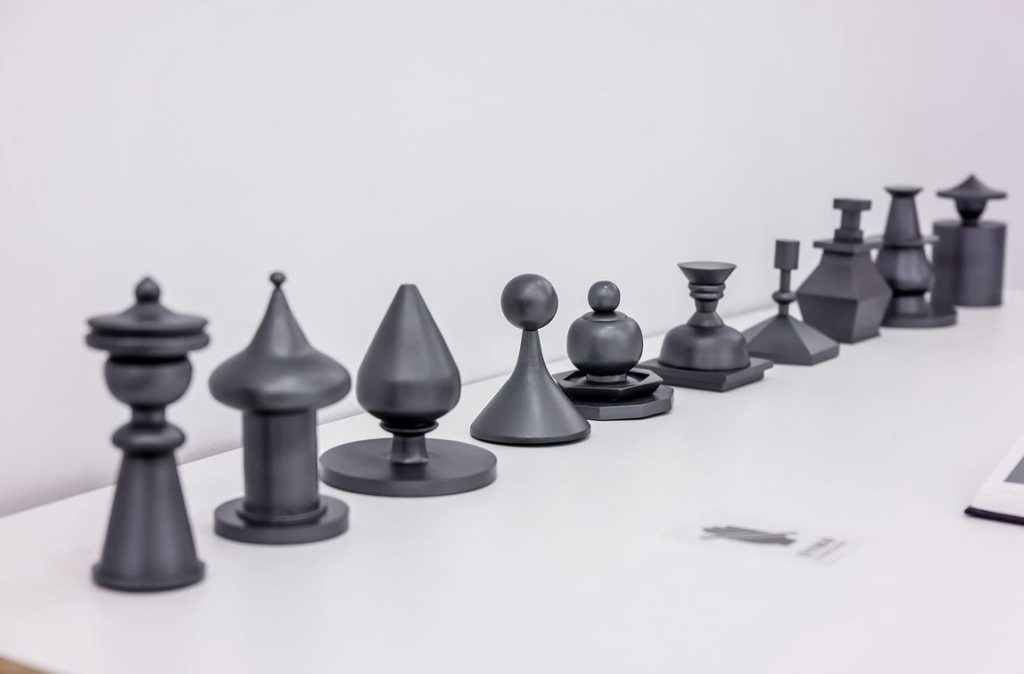
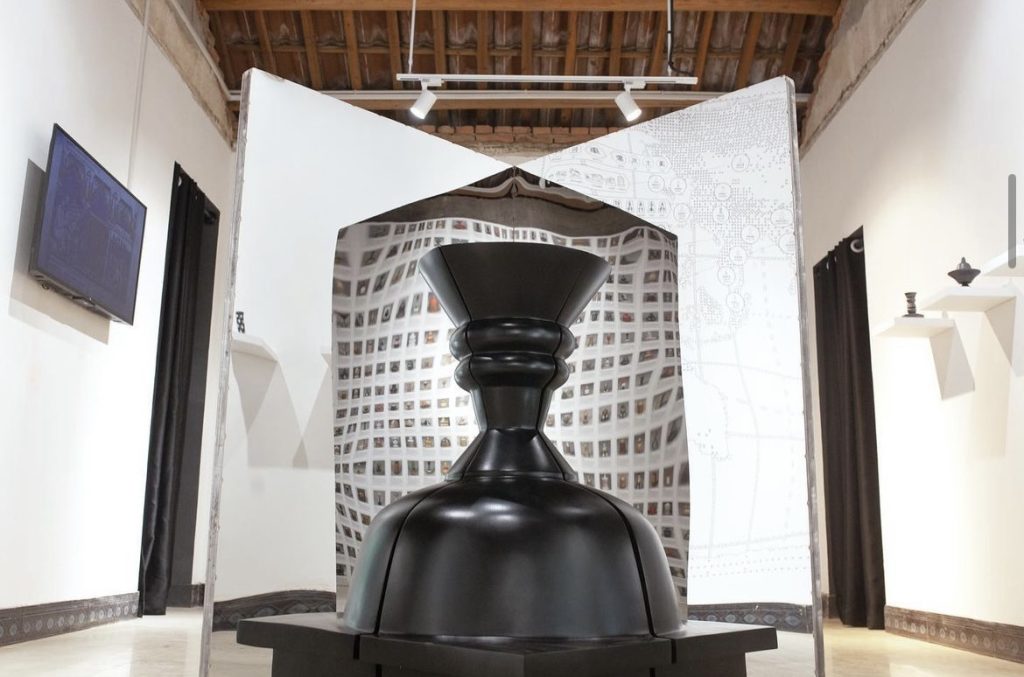
In his works, Gai Qizheng uses chess pieces as an artistic language.

while his exploration of the material itself focuses on researching and discussing the phenomenon of “cultural misreadings.”

Chess itself originated in India and was known as “chaturanga” at the time. It evolved locally in Thailand into Thai chess.

And to the east it developed into Thai chess, Khmer chess, Burmese chess, Malay chess, Japanese shogi, Chinese chess, and Korean chess, and to the west it evolved into Persian chess.

which later spread to the Arab world and then into Europe.

Due to different cultural backgrounds, individuals tend to interpret and understand the other party’s objects subconsciously based on their own culture and experiences, thus giving rise to different chess cultures. Different chess cultures are essentially different misreadings that can occur with objects like chess.

The imagination of others

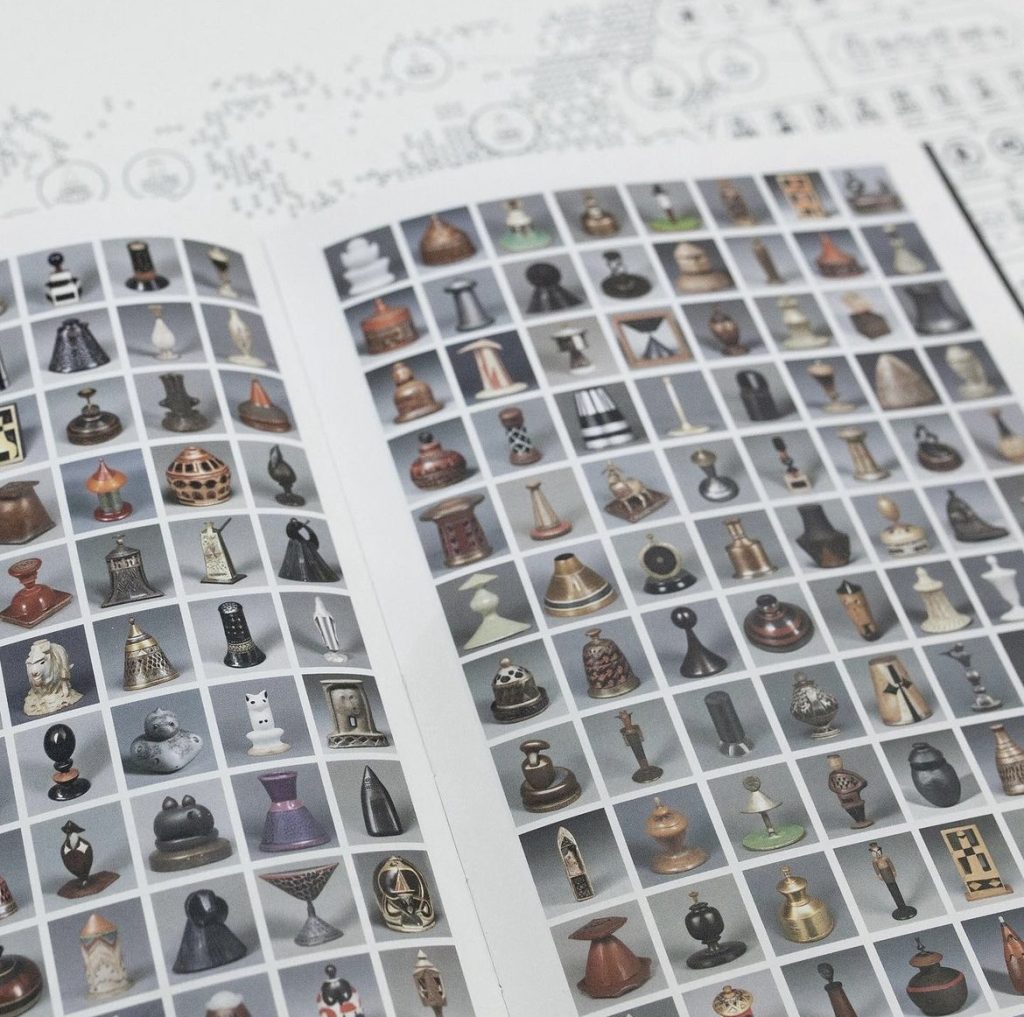
In Gai Qizheng’s work, he has collected over 3,000 chess pieces from different civilizations, periods, and materials. By building a database and utilizing machine learning, followed by the artist’s own creative input, he has created over 20,000 chess pieces that integrate 26 different cultures.

Each type, shape, and symbol of the chess pieces serves as a cultural model reflecting the characteristics of the respective cultures.

The imagination of books

In his work, Gai Qizheng sculpts 36 chess pieces and presents videos, as well as over 300 publications showcasing the generated chess pieces.

chess ,gaiqizheng,The imagination of others

The boundaries between cultures are always ambiguous, leading to such a rich cycle of interactions. Gai Qizheng hopes to address the phenomenon of cross-cultural misreadings by adopting a global perspective and understanding.

Images and language, as the most important cultural symbols and mediums, mutually influence the fusion of cultures. They will play a crucial role in cultural integration and development in the future. Therefore, for artists, chess pieces serve as excellent language models, especially in the current era where information dissemination is accelerated through internet media. Fusion is an inevitable trend.

A global perspective provides us with a broader angle for contemplation, enabling us to better understand the mutual influence and exchange between different cultures.

Images and language, as cultural symbols and mediums, play significant roles in cultural fusion and development. Through artistic creation, artists can express cross-cultural understanding and communication. Chess pieces, as a language model, help people better comprehend and interpret this cross-cultural information exchange.

gaiqizheng' work:The imagination of others

With the development of the internet and other media, the speed of information dissemination is increasing, accelerating the fusion between different cultures.

Cultural fusion is an unavoidable trend, and through art and other forms of creation, we can promote better communication and understanding between different cultures, encouraging diversity and richness in culture.

Gai qizheng'sculpture: The imagination of others

Sources

The exhibition and event “Underground and Contemporary Shelter” are currently taking place

GAI QIZHENG

PSA Shanghai Biennale x Qingce | Pichin Spectra: A Cultural Non linear Compilation Possibility

Categories
Contemporary

Contemporary | Cao Fei a new media artist

Who’s?

Cao Fei, daughter of a famous Chinese sculptor, was born in 1978 in Guangzhou, China. She currently lives and works in Beijing.
She is one of the most innovative young Chinese artists on the international scene. In his installations and videos, Cao Fei investigates the expectations and dreams of the young Chinese generations. Cao’s works are an outlet for invention, but behind her playful jokes lies an uncertain world of unfulfilled desires.

Combining popular aesthetics with a documentary vision and references to surrealism, in his works Cao Fei moves strong social criticism, reflecting on the inconsistencies and hopes of his country. He uses photography, video and digital media in innovative ways to expose the dramatic changes in his daily environment – since 1992 – and in his high economic growth, urban development and the rapid globalization of China focused on its native region of the Pearl River Delta.

Biennali and triennali

Cao Fei’s works have been exhibited in several international biennials and triennials, including the Shanghai Biennial (2004), the Moscow Biennial (2005), the Taipei Biennial (2006). And the 15th and the 17th Sydney Biennial (2006 and 2010), the Istanbul Biennial ( 2007), Yokohama Triennale (2008) and 50a, 52a and 56a Biennale di Venezia (2003, 2007 and 2015) where he presented the work “La Town”.

Cao Fei
“COSplayers”, 2004
Cao Fei

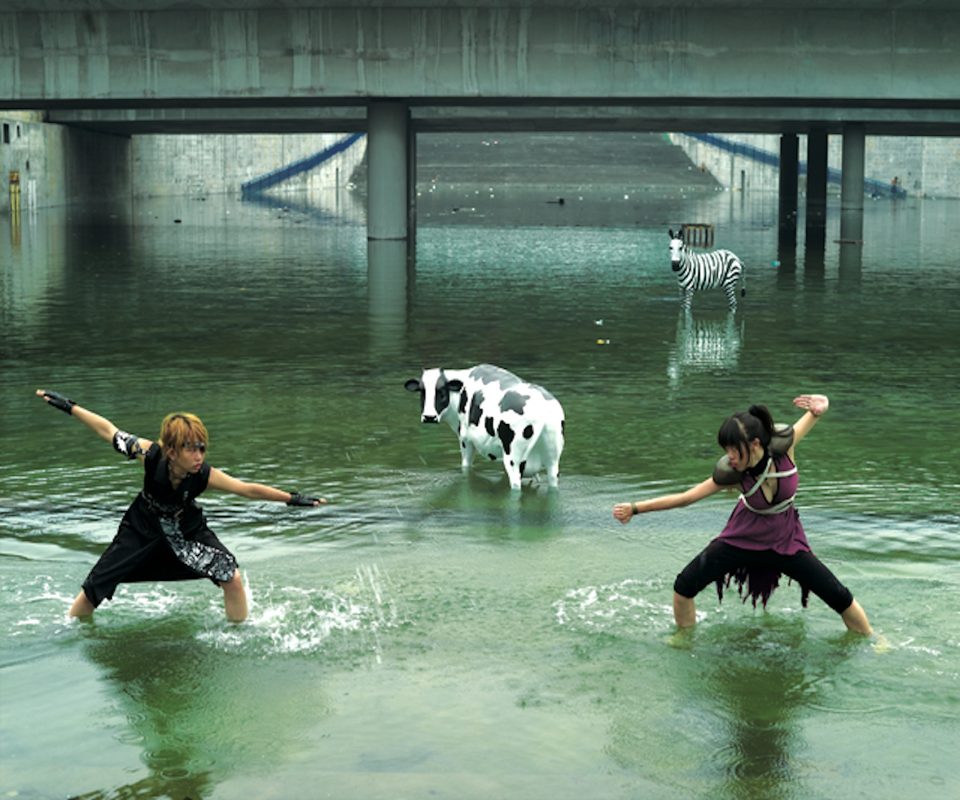
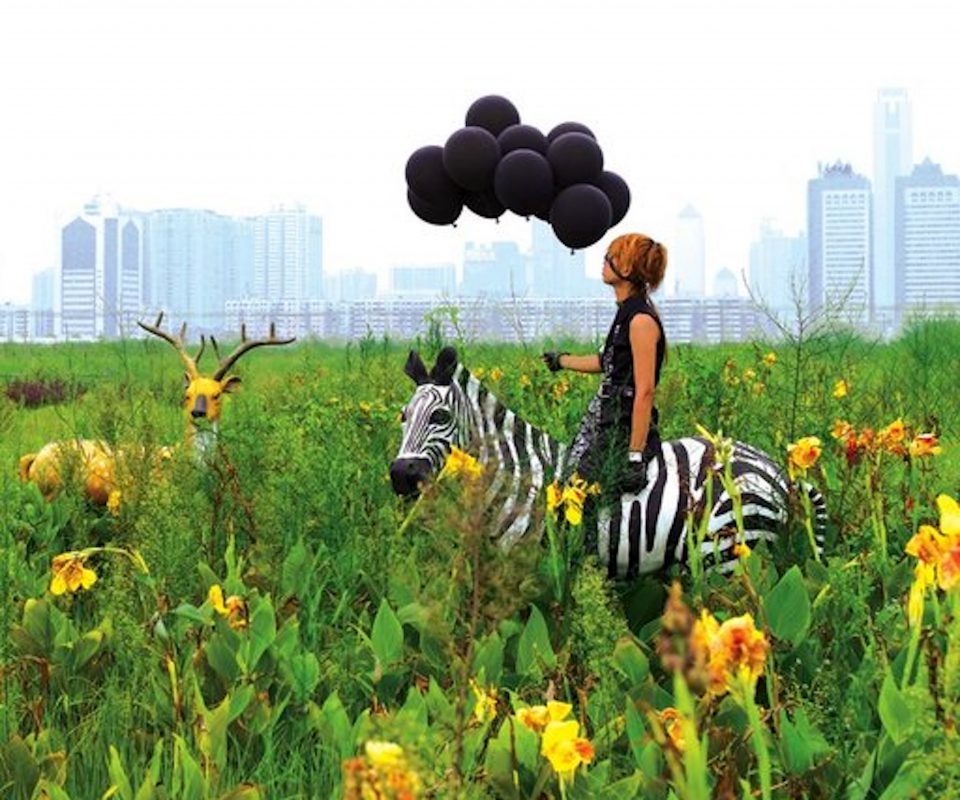
His fascination with local youth subcultures during his training period is reflected in his early photographic and video works.
In “Cosplayers” he explored the alienation and escape tried by young disaffected and displaced people. Who expressed themselves as fantastic game characters. The interaction between the virtual world and the real one, utopia and dystopia. Body and technology remained important themes for the artis

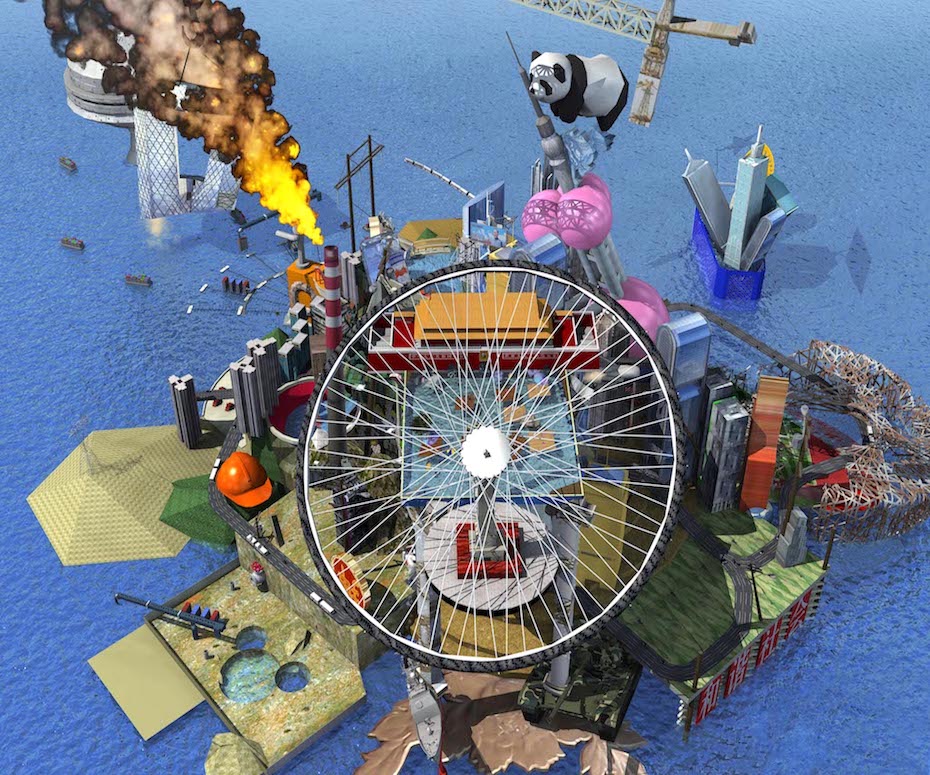
RMB City 2007

Fascinated by the potential of the virtual world, not only as a strategy of escape from reality. A virtual world that is as a real tool of online urbanization, Cao Fei founded RMB City. Using the famous computer platform Second Life Cao Fei realize her avatar China Tracy. The alter ego of the artist: Sexy, feminine, with dark hair and Sailor Moon style has given shape to a virtual art community. Lives and operates in an environment that embodies the unique characteristics of Chinese cities.

Cao Fei

RMB City states Manifesto: “New orders are born, so they are new, strange wisdom” 1-A statement appropriate to the ‘setting of the work, the virtual platform Second Life, in which users, through their chosen avatars, can buy and exchange objects, build urban structures and interact with other avatars in an artificial utopia that is also part of the apocalypse.

“Asia One”, 2018

Cao Fei says «Technology has developed beyond imagination»
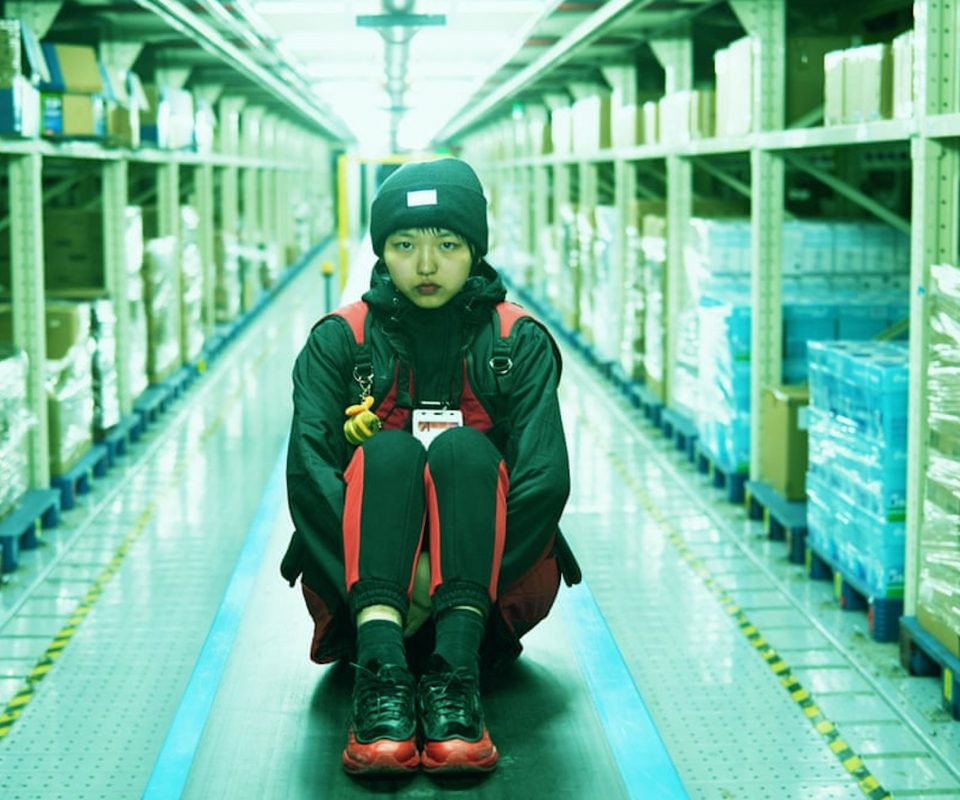
For “Asia One” commissioned by the Guggenheim Museum, Cao visited some of China’s most advanced industrial facilities. Including the world’s first fully automated sorting center in Kunshan, in Jiangsu Province. For this project, a hyperreal vision of the near future shifted its focus from the present to our collective future by examining the effect of technology on human relationships.

Cao Fei
“Nova”, 2019

On the occasion of her solo exhibition Blueprints, at the Serpentine Galleries, Chinese artist Cao Fei has produced two new limited edition artworks. 
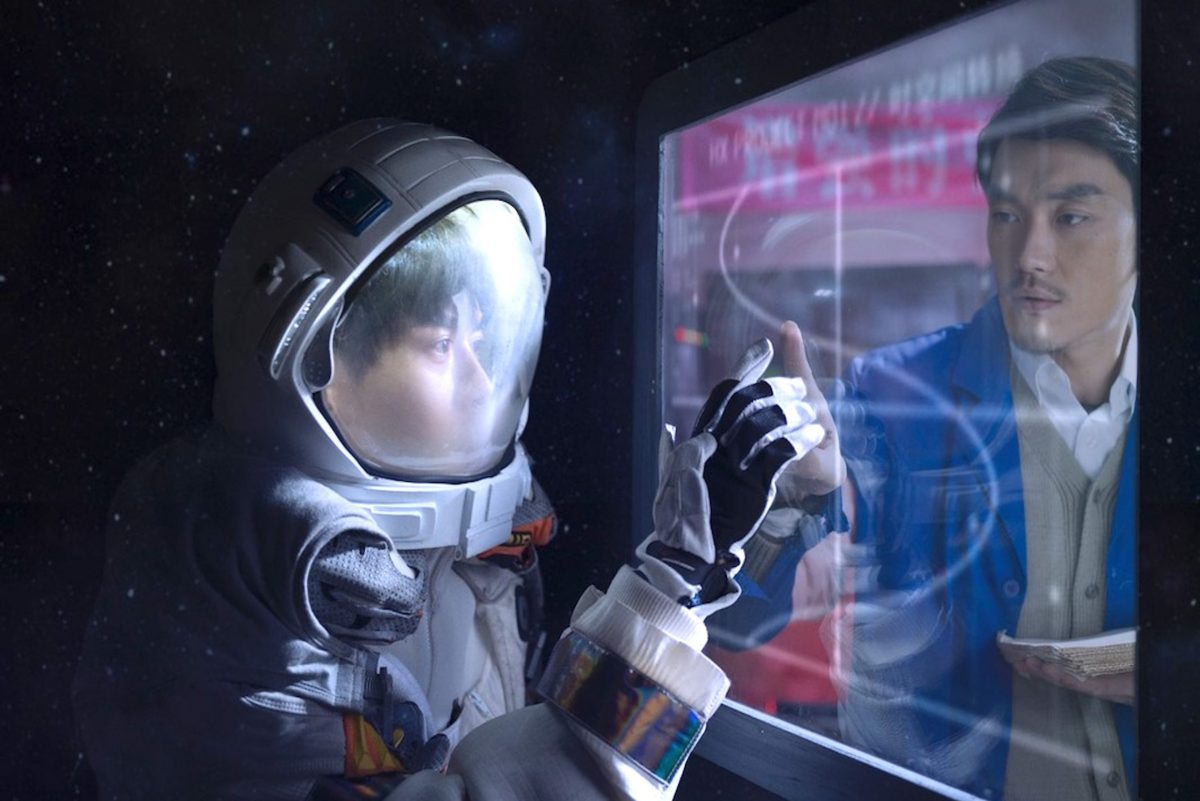
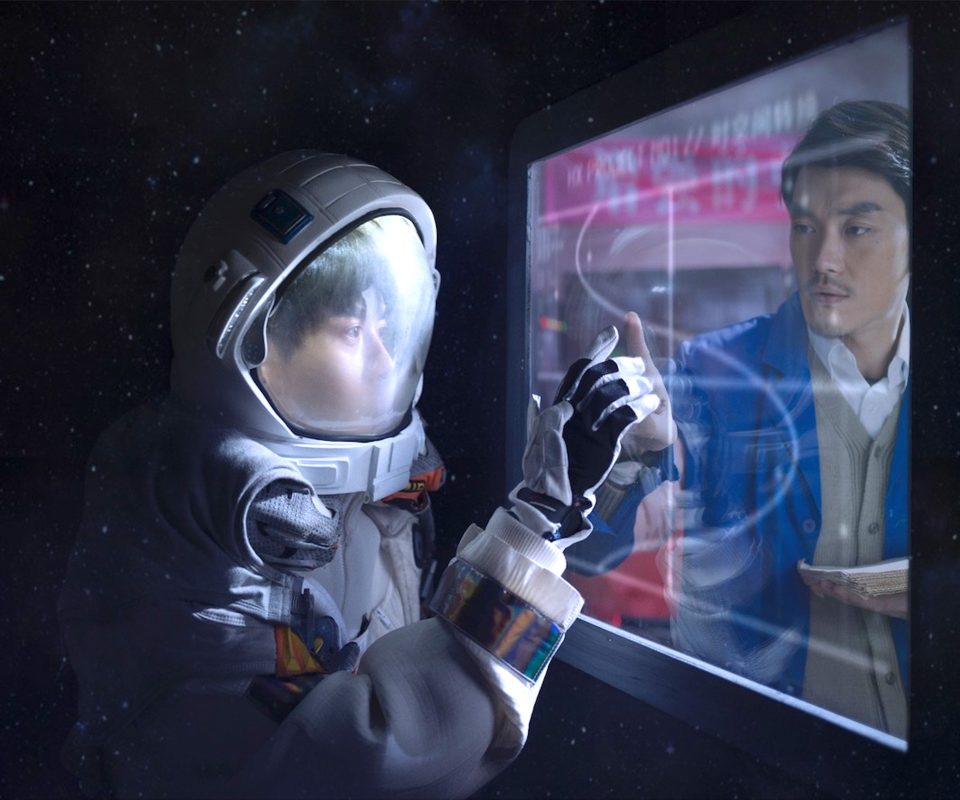
The two limited editions Nova 15a and Nova 18a are two film stills from Cao Fei’s HX’ research project. The film tells the story of a computer scientist working on a secret international project that attempts to turn humans into digital mediums.

Cao Fei

A failed attempt to use his son as a test case results in the young man becoming lost in cyberspace, a spectre haunting the past, present and future worlds that continuously interact and overlap throughout the film. By mining the history of her immediate context, Cao Fei takes us on a ‘retro-futurist’ journey that goes beyond chronological time and hovers between reality and fantasy. 

Fonti:
Palazzo Grassi
Portfolio
Guggenheim