Categories
Contemporary 当代 艺术家

Contemporary | Hu Yun – Everything is the same

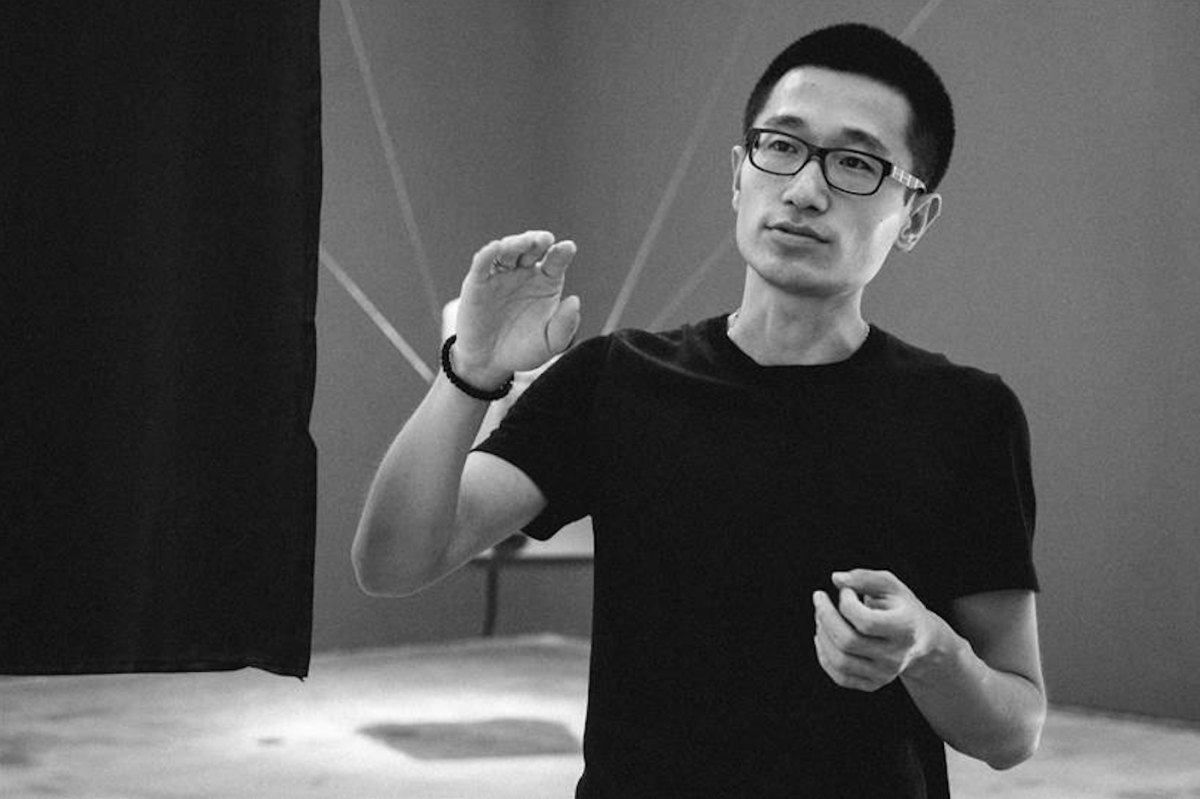
Hu Yun is born in Shanghai in 1986, graduated from China Academy of Fine Arts in 2008. I currently live and work in Melbourne and Shanghai.

Hu Yun’s works include painting, watercolor painting, performance, video recording, and installation.

Hu Yun is good at mobilising the experiences of different characters and stories, and reintegrating various materials from the past into his daily work. Therefore, artists and audiences cannot view every work of artists in isolation. Each project has a predetermined and interrelated common theme.
painting

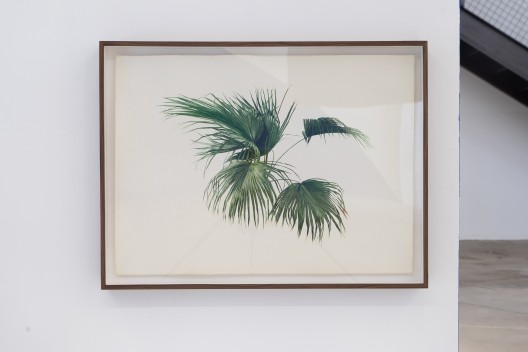
Hu Yun himself mainly engages in architectural structures. Most of his works are closely related to nature, with some focusing on elements such as plants and insects.Hu Yun, with a nostalgic heart and a warning attitude towards the audience, pays attention to nature. He incorporates simple concepts and elements into his works, transforming them into simple forms and creating rich experiences. He likes to attract public attention in interesting or engaging ways and immerse himself in his works.

Hu Yun’s works often give people a simple and rustic beauty, and after a long search.

They give people a true sense of happiness and security.

It tends to improve society with a sense of calmness and peace, rather than using the powerful creative methods of some artists.
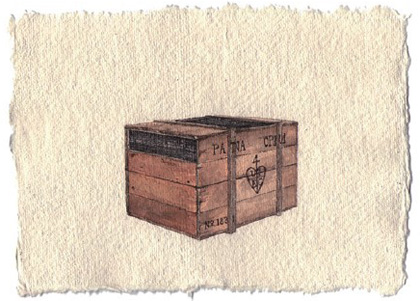
“Treasure Chest” (sketch), installation, 100x80x80cm, wooden board, screen printing, color, 2012

Everything is the same

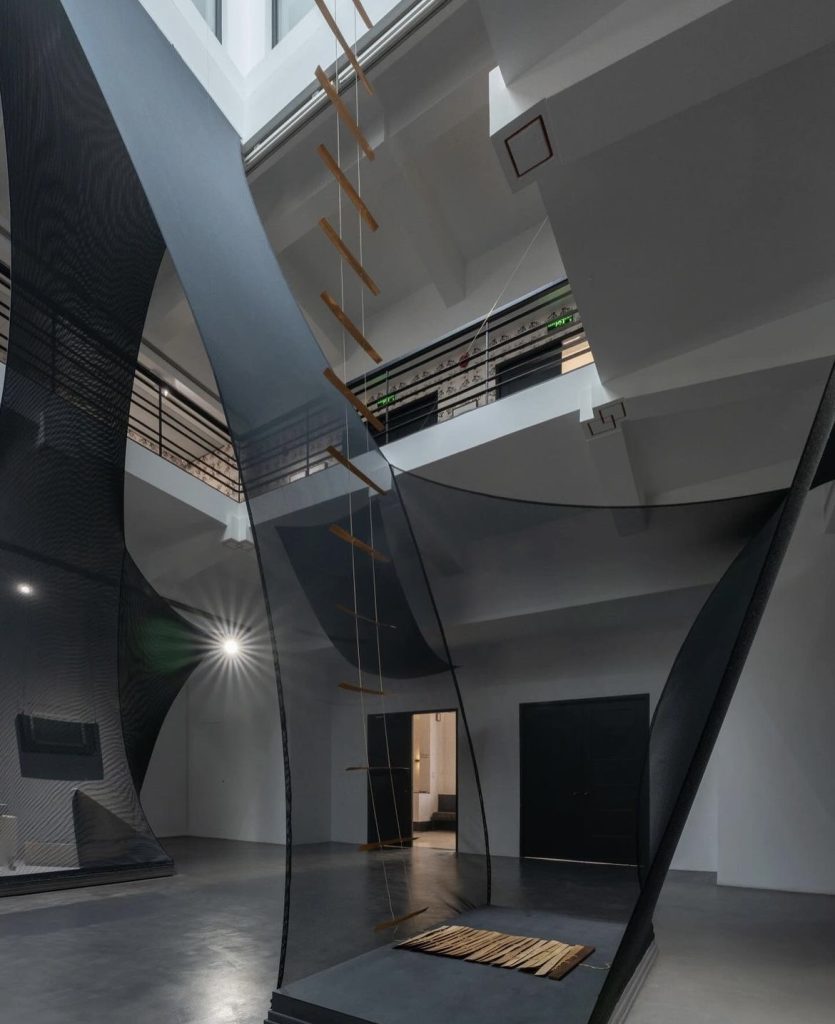
In Hu Yun’s 2008 work “Everything is the same”, the pillar in the center of the room looks no different from him.

Quietly moving back and forth in front of us at an extremely slow speed that cannot be distinguished by the naked eye.

Every millimeter of the movement of the huge cylinder became a mystery,it slowly unfolded like a poem.

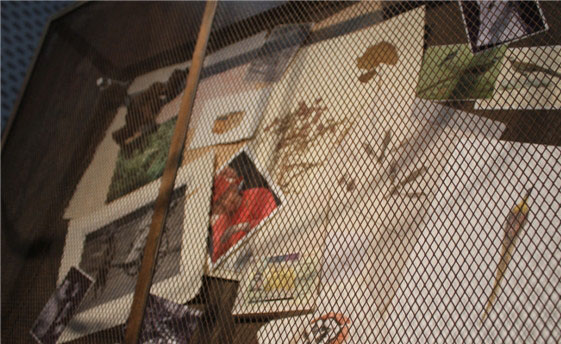
Therefore, Hu Yun’s new series focuses more on natural history research to gain new artistic reflections. The exhibition “Mysterious Garden No.1: Riverside” revolves around a unique Chinese animal.

This type of mountain chicken,is described in detail in Li Zhen’s book “The Material Media Gang” (1586).

In the 19th century, like other unique flora and fauna, it was discovered by a tea master named John.

This river (1774-1856) was the first to be introduced to the West. During his annual business trip to Guangzhou, Rivers commissioned local painters to create various animal and plant illustrations, collect animal and plant specimens and seeds. Hu Yun’s works are based on various narrative clues, attempting to reconstruct historical information, legends, and personal experiences.
 installation

When curious British people hunted this rare bird near Shanghai, they found it “always too fast to see clearly…” It was this short scene that aroused the curiosity of Westerners and created a legend, a story.

As the artist said, “History is always hidden in the intangible, and we observe, search, and speculate through different memories, experiences, and understandings.”

Mysterious Garden No.1: Riverside
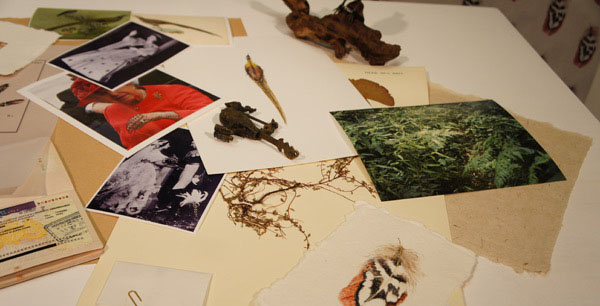
Mysterious Garden No.1: Riverside

Hu Yun’s Exhibition

Hu Yun has participated in many biennials around the world. For example, the 6th Singapore Biennale (2019), the 4th and 11th Guangzhou Biennale and the 7th Shenzhen Sculpture Biennale.

His work has also been exhibited in leading contemporary museums around the world. These include: the Museum of Contemporary Art, Shanghai; Centre Georges Pompidou, Paris; Guangdong Times Museum of Art, ecc.

His solo exhibitions include:

“Micro Landscape” held at the National University Museum of Singapore in 2019;

“We have never left”, Xi’an Organizing Committee, Xi’an, 2017;

“Narrative Disease”, Aike, Shanghai, China, 2016;

“Handle with Care”, Aike, Shanghai, China, 2013;

“Our Ancestors”, Goethe Open Space, Shanghai, China, 2012;

“Water in Nature”, Museum of Natural History, London, UK, 2010.
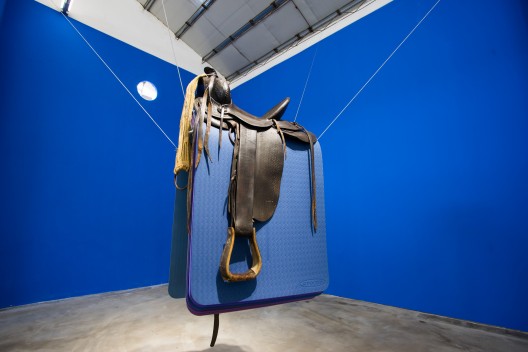
 installation

Sources

HU YUN – AIKE

HU YUN:MOUNT ANALOGUE

Introduce of HU YUN

Evolution: Confusion in the Yuan Dynasty – The Grand Opening of Space
Categories
Contemporary 当代 艺术家

Contemporary | Zhang Hui likes Beijing

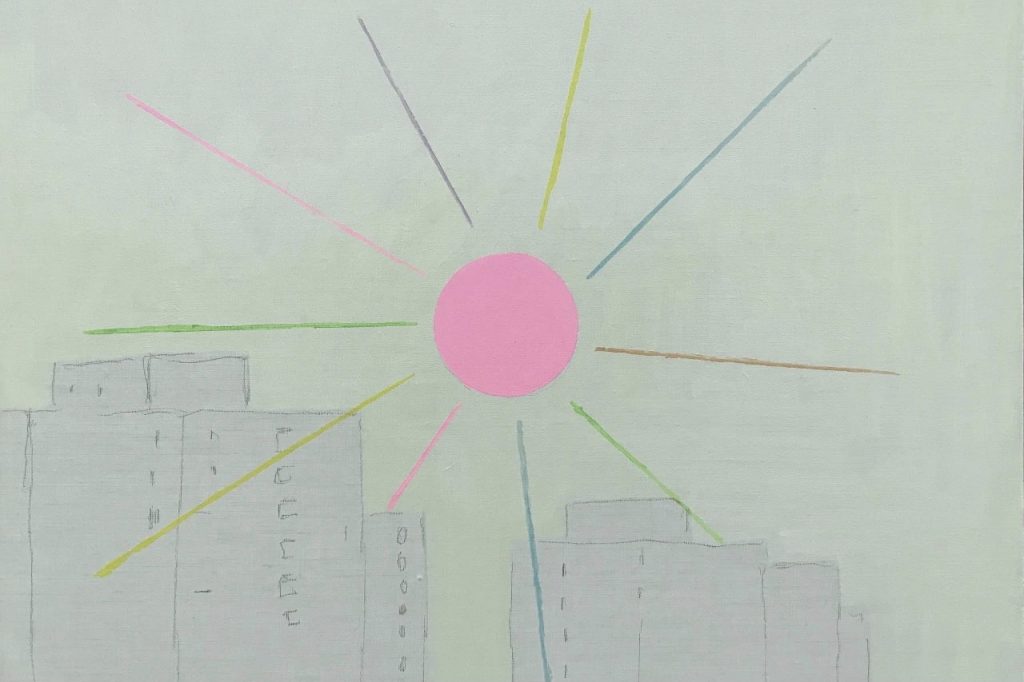
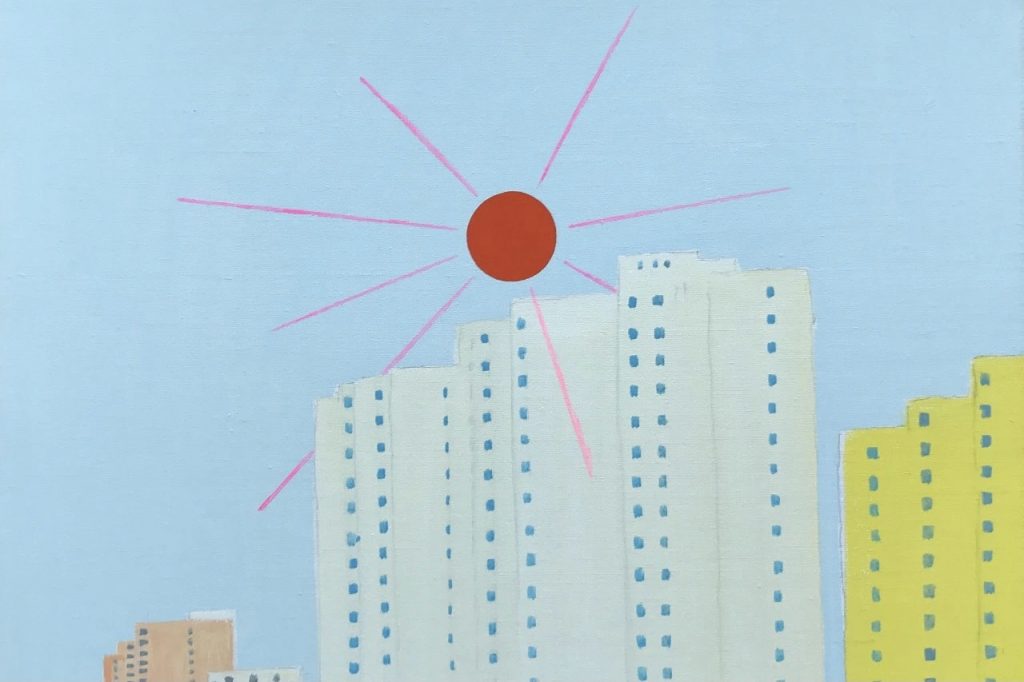
Dazzling sun

Artist: Zhang Hui

Born in Beijing in 1968

Zhang Hui Graduated from the Mural Painting Department of Central Academy of Fine Arts in 1991
2005 Master of Arts and Design, Minneapolis College of Art and Design
Currently works and lives in Beijing

walk in the surrounding

Living in Beijing, Zhang Hui like to walk in the surrounding mountains. Zhang Hui usually leave at 8 or 9 in the morning, sometimes with a couple of friends, sometimes by myself, driving for one and a half to two hours, and there are some routes around 100 kilometers away.

If it is a four- to five-hour route, Zhang Hui will bring something to eat, such as a steamed bun or a biscuits or bean buns, and sometimes a boiled egg. Generally, there is no salted duck egg, which is salty and oily, which is inconvenient. Be sure to bring something sweet, such as a few pieces of candy, two snacks, or two energy bars.

Bring a 500ml bottle of water on cold days, two bottles on hot days, and three bottles in July and August. There are many hills with an altitude of about one kilometer in Beijing, and the general parking place is about 500 meters.

There are only three mountains of two kilometers, Dongling Mountain 2,303 meters, Haituo Mountain 2,241 meters, and Wuling Mountain 2,118 meters. Outdoor hiking has sunshine, sufficient oxygen, and the atmosphere of trees, flowers, and mountains. It is a process of challenging one’s own limits and relaxing and happy.

In the book “What Do I Talk About When I Talk about Running,” Haruki Murakami describes his daily life, running in the sun, eating grilled fish, drinking beer, writing, and listening to music.

It’s a beautiful day. Zhang Hui also like the ending part of his “Norwegian Forest.” Reiko made a hot pot for Watanabe, and they sang while talking about the guitar. They held a “real” funeral for Naoko and played 51 songs in a row. The soul of Super Naoko is also redeeming himself. After that, they “hugged each other as a matter of course” and then made love.

like Bach’s music

Zhang Hui like Bach’s music, religious sense and divinity. Especially his fugue, the chase and escape of notes entangled and flowed. Zhang Hui like Indian traditional music, which is continuous and coming in a steady stream. Like jazz. Like Mahler, especially his ninth and tenth symphony, eternal, beyond death, suffocating.

Schopenhauer said that we are all slaves of our own will, trapped in the desire for food, sex, money, and control. Art is a possible way to save us from the distorted, boring and painful reality. Art can give us. Transcendence, it has such an energy to help us achieve spiritual escape.

Over the years, Zhang Hui have painted several different series: cities, trees and branches, people, colored stones, clouds, grids. There are many journeys and thoughts behind these paintings. Now it is difficult for me to state clearly the background of these thoughts.

Categories
LAVORATO 传统 艺术家

Tradition | Master of Chinese Painting “Qiao Weiming”


The master of Chinese painting Qiao Weiming

Chinese painting emphasizes him as an excellent artist, who needs to learn from the outside world and get the source from his heart, in order to have the wonderful feeling of creating the gods, mountains and rivers at the same time. Helping artists understand the true meaning and essence of art.
Canzone d’autunno
Chinese art requires saving the intention with the pen first, when the painting is finished the existence of the intention is still here. Emphasize the dissolution of things, create an artistic conception, arrive at drawing mien with form, form and spirit that must be established together.
Silenzio

And him, he did it. He is the outstanding Chinese artists – Qiao Weiming, born in 1961 in Luo yang Xiaolangdi. He is the member of China artists association. The researcher at the Chinese poem calligraphy institute of fine arts. The visiting professor of Lu Xun Academy of Fine Arts. Hebei Academy of Fine Arts and PLA Information Engineering University, the expert of cultural relics appreciation.the member of Luoyang CPPCC. The dean of Luoyang University Painting and Calligraphy Institute, and the art teacher of Luoyang Institute of Technology.

Chinese painting

Untitle

His material comes from the flowers and birds in his hometown. The composition of painting is a concrete embodiment of years of experience. For example, the basket series of paintings. All of which are mainly composed of baskets, are composed in the middle. However, the most annoying part of the composition of Chinese painting is that the main body is placed in the middle. which is precisely because the basket series is placed in the middle, which makes it very comfortable to look at. It breaks the limitation of the traditional painting composition from Song dynasty to modern times, which also forms its personal characteristics.

Fish Basket
Childhood Fun

In 1982, the work “Underestimating the wealth”, won the first prize of the Army Art Exhibition.

Red and fragrant peony

In October 1988, he held his solo exhibition in the Cultural Center in Tainan City, Taiwan.

In 1992, the work “Red and fragrant peony ” won the bronze medal in the International Chinese Painting Grand Prix.

In July 1993, he was graduated from the Fine Arts Department of Xinjiang Normal University.

From September 1993 to July 1994. he studied master’s degree in flower and bird painting at the Chinese Painting Department of Guangzhou Academy of Fine Arts. His creation “Red Kaki” was collected by the college.

In October 1994, his work “Reminiscences of Childhood” was selected for the 8th National Art Exhibition and won the first prize of Henan Art Exhibition.

In July 1997, his work “People in the Country” was selected by the China Artists Association, which held the Exhibition of  welcoming Hong Kong return to the Chinese artists .

In November 1997, the work “The Nest” won the second prize of contemporary Chinese meticulous paintings organized by the Ministry of Culture.

In August 1999, the work “Return” was selected by the China Artists Association which held the “welcome Macao to return to China’s calligraphy and painting exhibition.”

In October 1999, the work “Homeland” was awarded the Achievement Award by the China Artists Association for. “Celebrating the 50th Anniversary of the Founding of the Republic of China”.

In November 1999, the work “Bumper Harvest” was selected into the National Second Flower and Bird Painting Exhibition organized by the China Artists Association.

In February 2001, he participated in a joint exhibition of eight paintings and calligraphy organized by the Ministry of Culture of the People’s Republic of China to Egypt, Britain, France and Italy.

Hometown
Flowers

SEE FOR DETAILS:http://qiaoweiming.orgcc.com/works/v3710.html

Categories
LAVORATO 当代

Contemporary | Dai Guangyu: Transfer in Ink

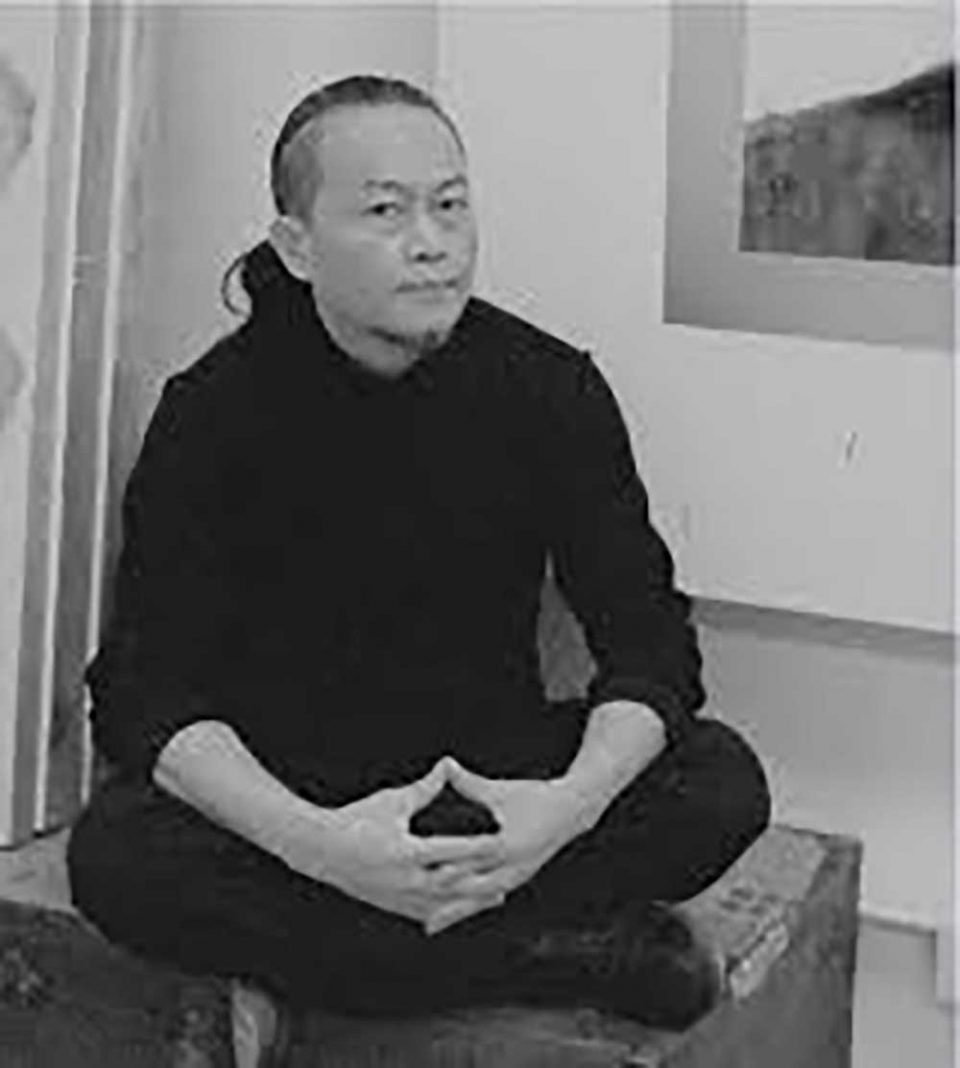
Dai Guangyu is a self-taught artist born and raised in 1955 in a family of scholars in Chengdu, Sichuan Province, China.


Since childhood Dai Guangyu has studied calligraphy, painting and literature and his career as a contemporary artist includes his long experience as a visual and performative artist, curator and cultural critic, and poet.

Dai GuanYu

His work involves the history of Chinese art, the culture of ink painting, as well as Chinese poetry and politics.


In 1985, Dai Guangyu became part of the revolutionary movement New Wave, soon becoming the leader of what develops in Southwest China, after becoming a leader of the Sichuan artistic avant-garde scene, which proves to be very stimulating and perfect for the development of its creative purpose.

Dai Guangyu – White is not necessarily good

During this period he took part in several exhibitions including, in 1986, “Red Yellow Blue – Young Artists of Sichuan”, the first modern art exhibition in the Sichuan province, at the Sichuan Art Gallery.


In 1989 he participated in the historic China Avant-Garde exhibition at the National Art Museum of China in Beijing and after the end of the 1989 student movement protests, when Chinese art entered a depressed and withdrawn state, Dai Guangyu continued his active interventionist work, curating exhibitions and public performance interventions far from the capital.

Dai Guangyu – Untitled

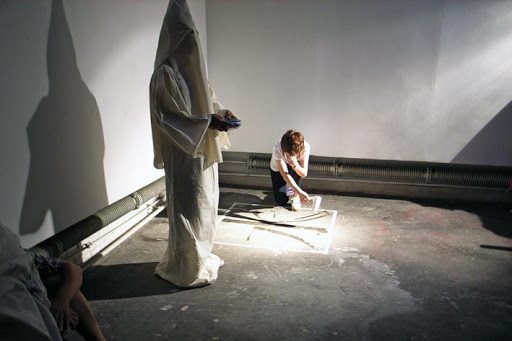
In the 1990s, Dai Guangyu discovered artistic performance, which employs the body as a key artistic medium.
The artist has found this artistic medium very interesting and very suitable for expressing himself, artistically speaking, as it allows him to be powerful in movement, incisive in meaning, radical and transitory.

Dai Guangyu – Absorbing – being absorbed

With Dai Guangyu, performance and artistic activities such as conceptual art had found their mentor.
In 2003, the artist moved permanently to Beijing where, during these years, he developed a body of art and a strong conceptual approach in cultural references, rich in poetry and symbolism, and beautiful in form, which has aroused continuous criticism.

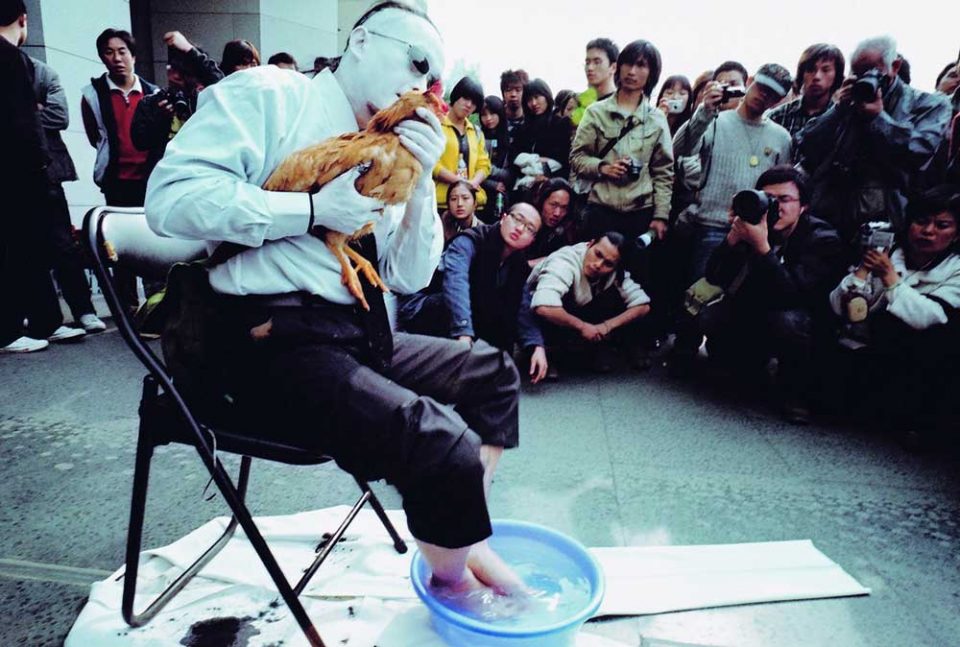
Dai Guangyu – To identify a chicken artistic image of a dead rabbit is difficult

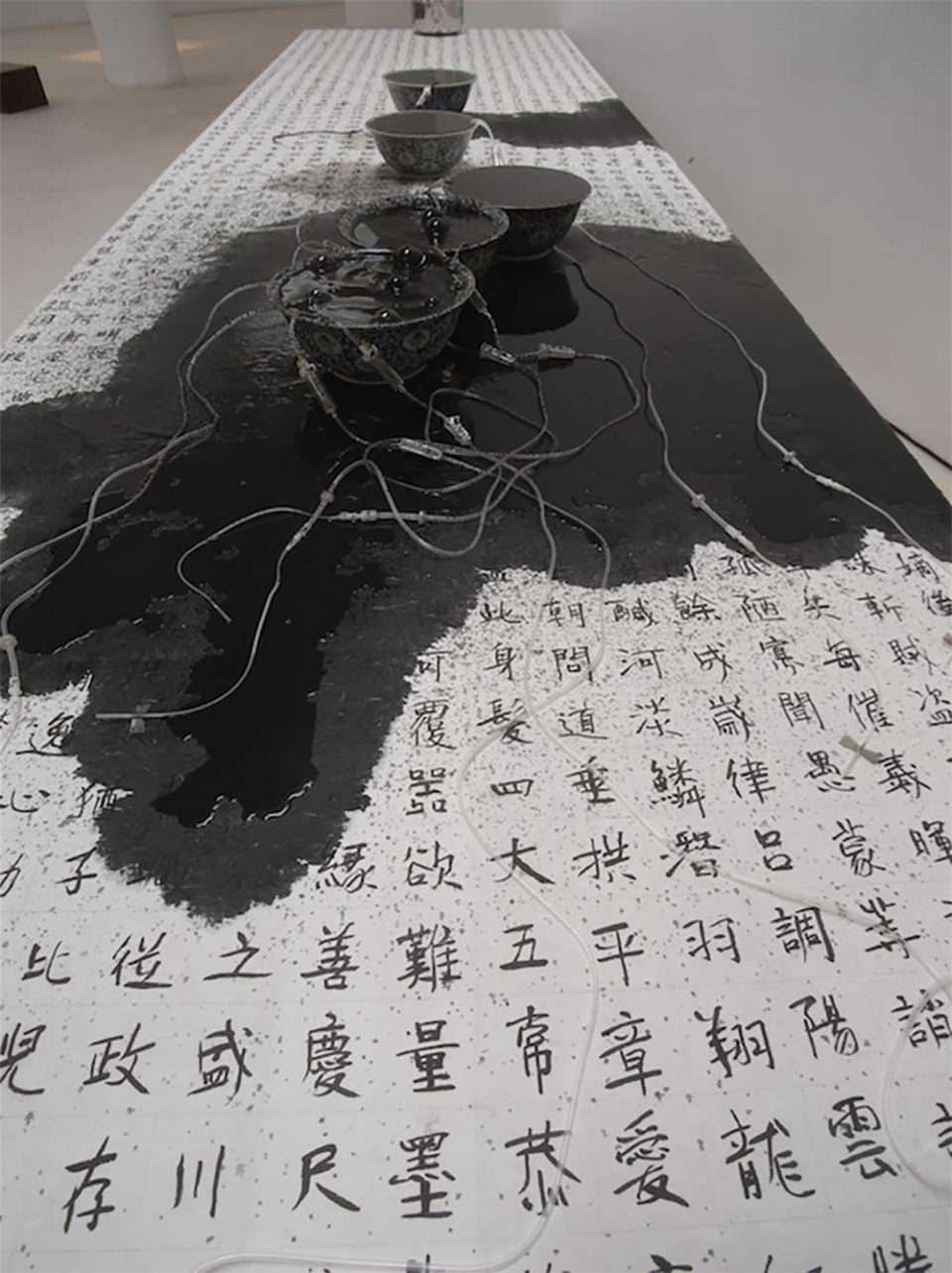
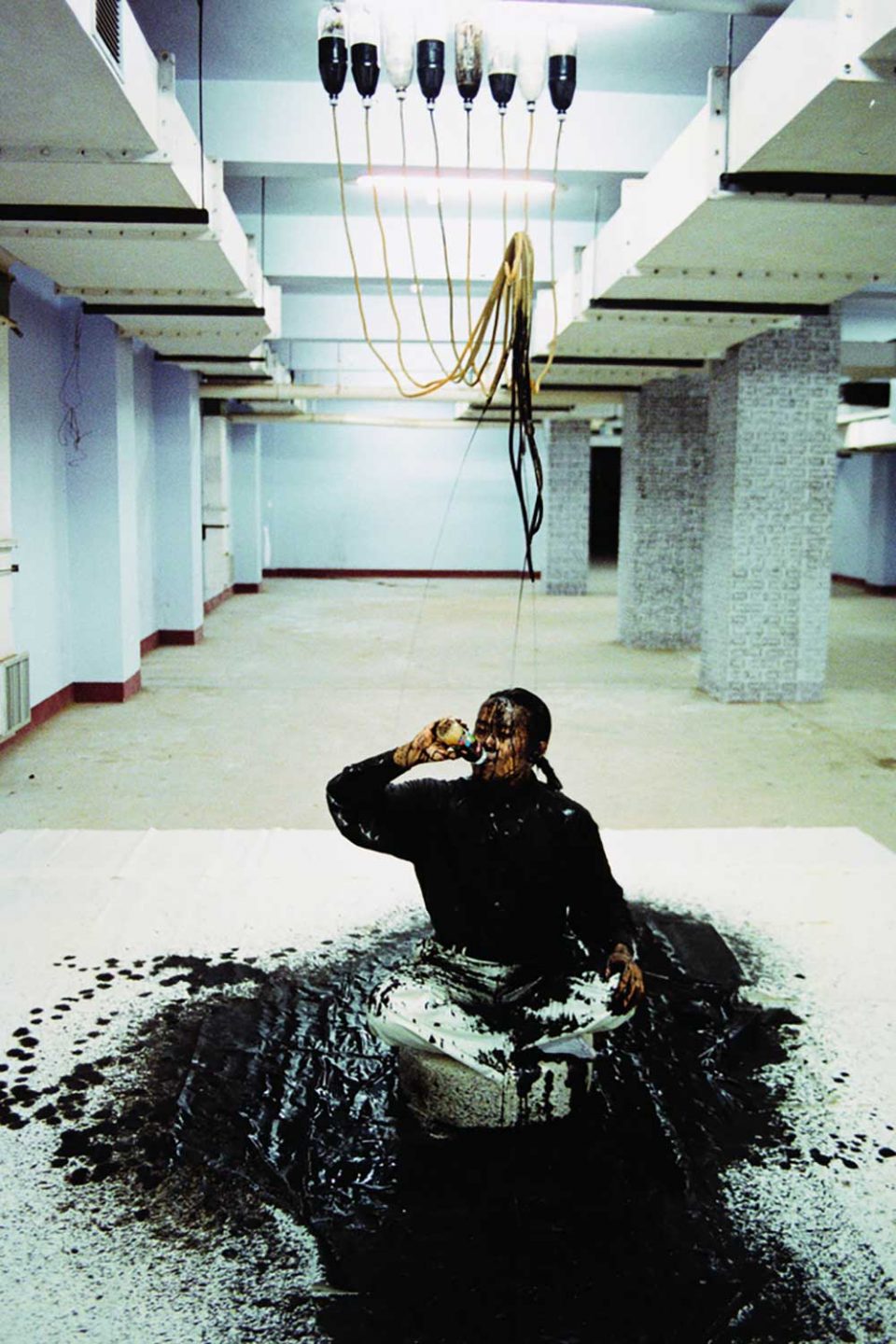
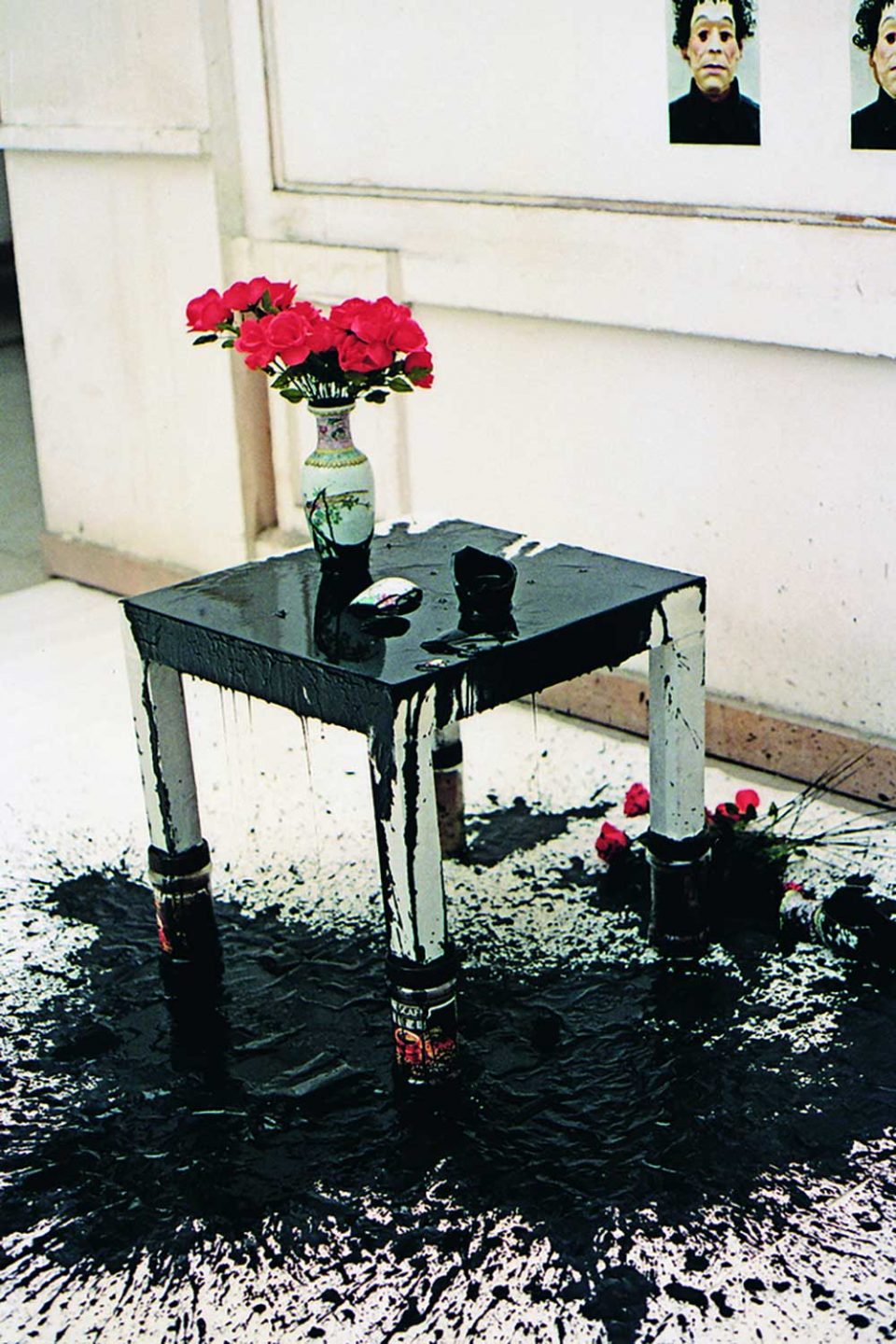
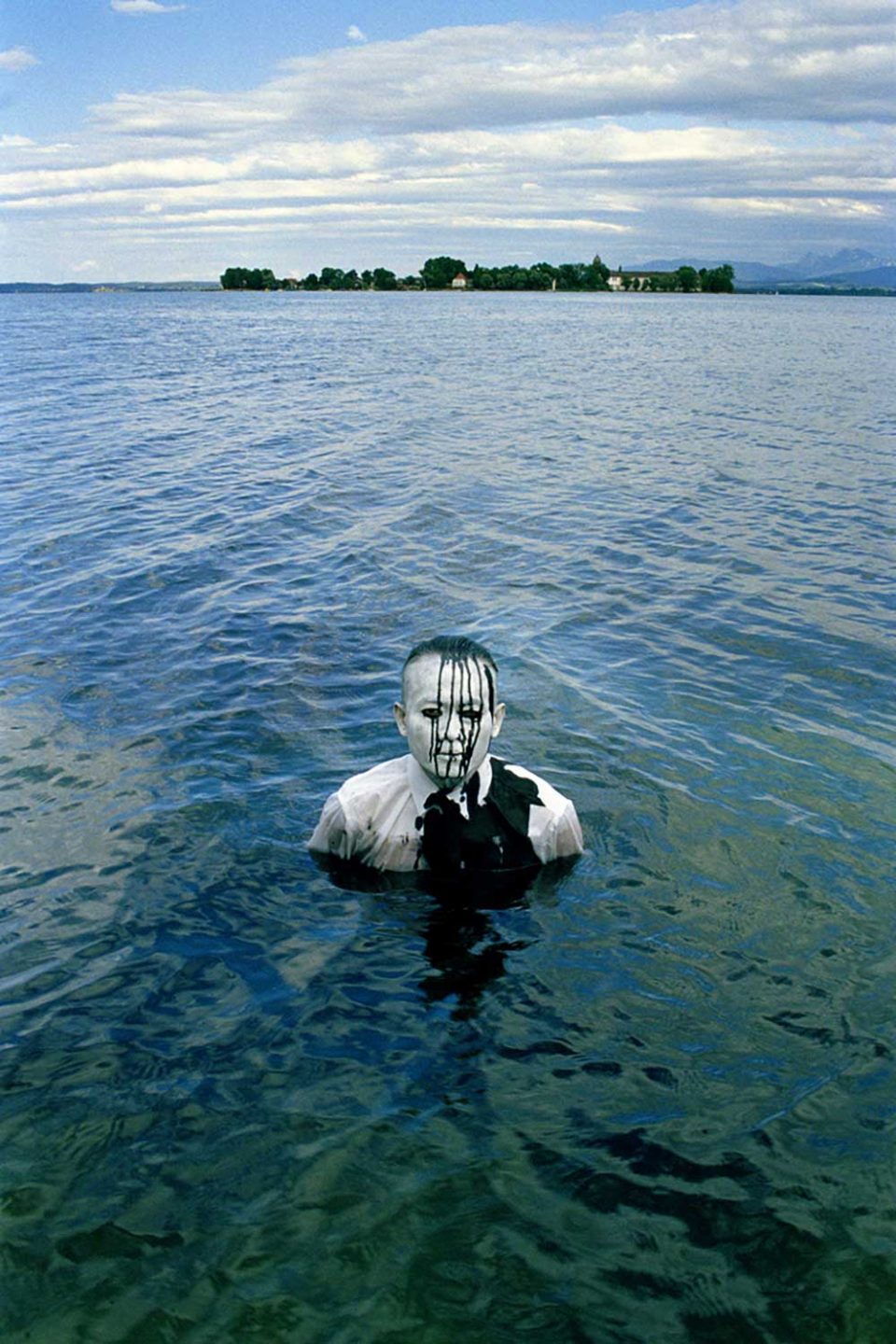
Dai Guangyu, he has created a system of codes and symbols that has intensified along with the progress of his installations and performances. For example, it uses black Chinese ink pots or porcelain, symbols of the complexity of Chinese culture, flour to evoke the basic food of the community and finally also men with faces painted in white and gold as metaphors of Westernization or the pursuit of wealth.

Dai Guangyu – Auction

He argues that through the act of performance, a temporary action that passes from one state to another, all solid forms belong to a single moment and that all circumstances are in the process of transformation.
His installations and his photographs maintain a trace of this “state of procreation” which is the essence of the performance and gives a poetic intonation to the forms.

Dai Guangyu – Shooting at myself

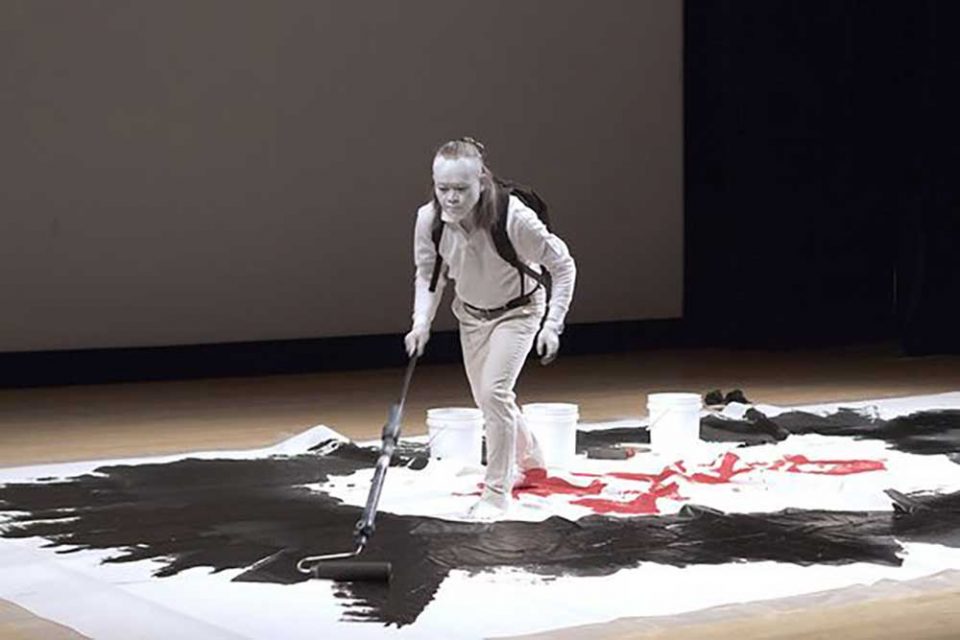
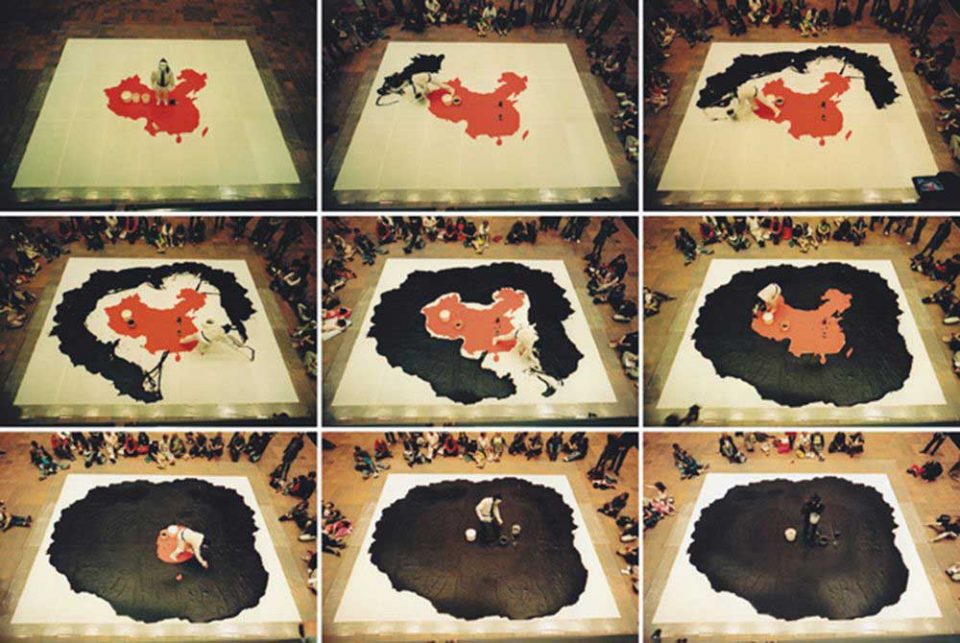
In 2017 the artist realizes the performance The Failure of Defense-America, 2017.

During the performance he expresses his personal struggles against having to live under a repressive political regime. Dai Guangyu through the performance of the performance wants to move the focus, which originally is based on the ideological and class division in China, to the forces that threaten the American nation.

Dai Guangyu – “The Failure of Defense America 2017”

By painting the seemingly empty white paper that covered the stage with black and red ink, the outlines of a series of critical and consequential relationships emerged, asking questions about where we are all in relation to the character and inclusiveness of today’s nation.

Dai Guangyu – “The Failure of Defense America 2017”

Dai Guangyu is now recognized as an important and original figure in the Chinese art scene. His interdisciplinary practice is written within a socially engaged trajectory.

Through his performances, photographs, paintings or calligraphy, he stages his body and the symbolism of Chinese society until the end of their resistance or their disappearance.

Dai Guangyu – Untitled

Exhibitions:
2005 Artists in Action – Performance Art Project, HongKong, China
2005 Inward Gazes – Performance Art in China Exhibition by Invitation, Macau Art Museum, Macau
2005 In Honour of ‘85, Duolun Modern Art Museum, Shanghai, China
2005 Transborder Language: Performance Art /Language Art, Tokyo Art Projects, 798 Factory, Beijing, China
2004 Double Happiness Festival, Tokyo Art Projects, 798 Factory, Beijing, China
2004 Matchmaking, Eastlink Gallery, Shanghai, China
2003 NIPAF: Asia Central Europe, Performance Art Meeting 2003, Slovakia, Hungary, Poland
2003 Chinese Ink in Contemporary Art, National Gallery, Kualalumpur, Malaysia
2003 China – Japan Performance Art Exchange Project / 2003, Chengdu, Xian, Chongqing, China
2002 Fruitfulness – Contemporary Art Exhibition, Beijing Agriculture Hall, Beijing, China
2002 Food and Words, Performance, Chengdu, China (solo)
2002 Shooting at Myself, Installation and Performance, Duisburg University, Germany (solo)
2001 Physical Resources and Objects, Hong Kong, China
2001 Dialogo – Other, Chinese Contemporary Art Exhibition, Chiesa Santa Teresa dei Maschi, Bari, Italy
2001 Chinese Festival – Touring Art Exhibition, Faust Museum, Hannover, Germany
2001 First Chengdu Biennale, Chengdu Museum of Modern Art, Chengdu, China
2000 Heaven Stonehenge, Hannover, Duisburg, Düsseldorf, Germany
2000 Turn of the Century – 1979-1999 – Chinese Contemporary Art, Museum of Modern Art Chengdu, China
2000 Chinese Glamours – Conceptual Images, East Link Gallery, Shanghai, China
1997 How a Frog in a Well Sees the Sky, Open Exhibit, 152B Studio, Chengdu, China (solo)
1996 Resurrection in Chengdu ‘96, Installation, Sichuan University, China (solo)
1995 Scenery Inside and Outside a Red Room, Installation, Chengdu, China (solo)
1994 Chinese Landscape, Installation, Chengdu, China (solo)
1993 Dai GuangYu – Exhibition of Paintings, Lallouzet Waterson, Montreal, Canada

References:
http://ifa-gallery.com/artists/dai-guangyu/
https://www.inkstudio.com.cn/artists/64-dai-guangyu/overview/
https://www.artsy.net/artist/dai-guangyu-dai-guang-yu?page=1&sort=-partner_updated_at
https://ocula.com/artists/dai-guangyu/
http://www.artnet.com/artists/dai-guangyu/biography
http://www.artlinkart.com/en/artist/overview/3f8iy
https://www.youtube.com/watch?v=qqznqeoCfRU