Categories
Museums 在博物馆 传统 古代

Linhai Museum | Ancient Bronzes with Inscriptions -Taizhou

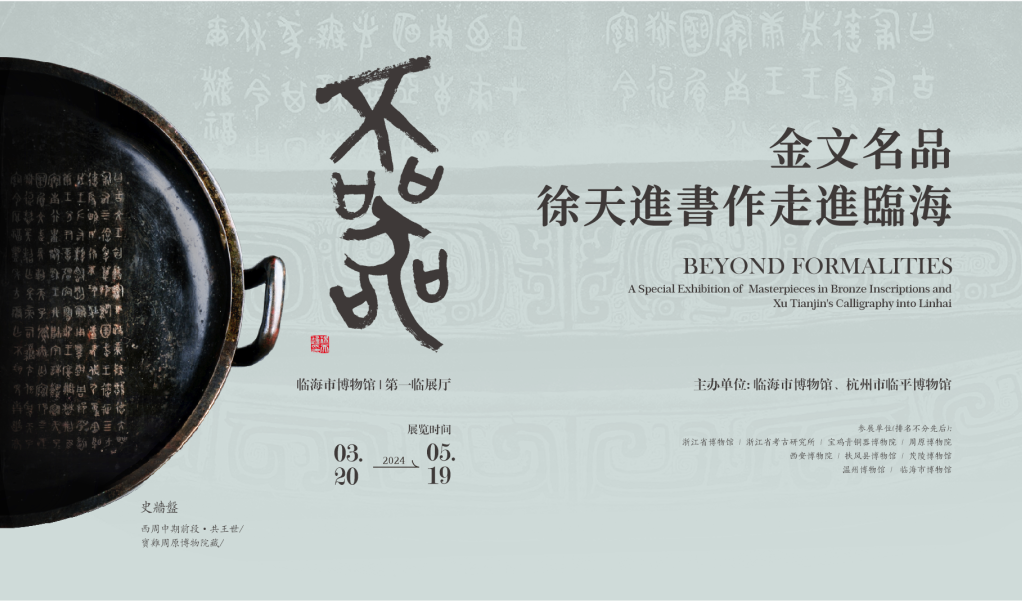
On 20 March 2024, the temporary exhibition “BU QI” opened at the Linhai Museum. Artefacts from more than 10 museums across China, including the Baoji Bronze Museum, Zhouyuan Museum, Xi’an Museum, Fufeng County Museum, Maoling Museum and others.
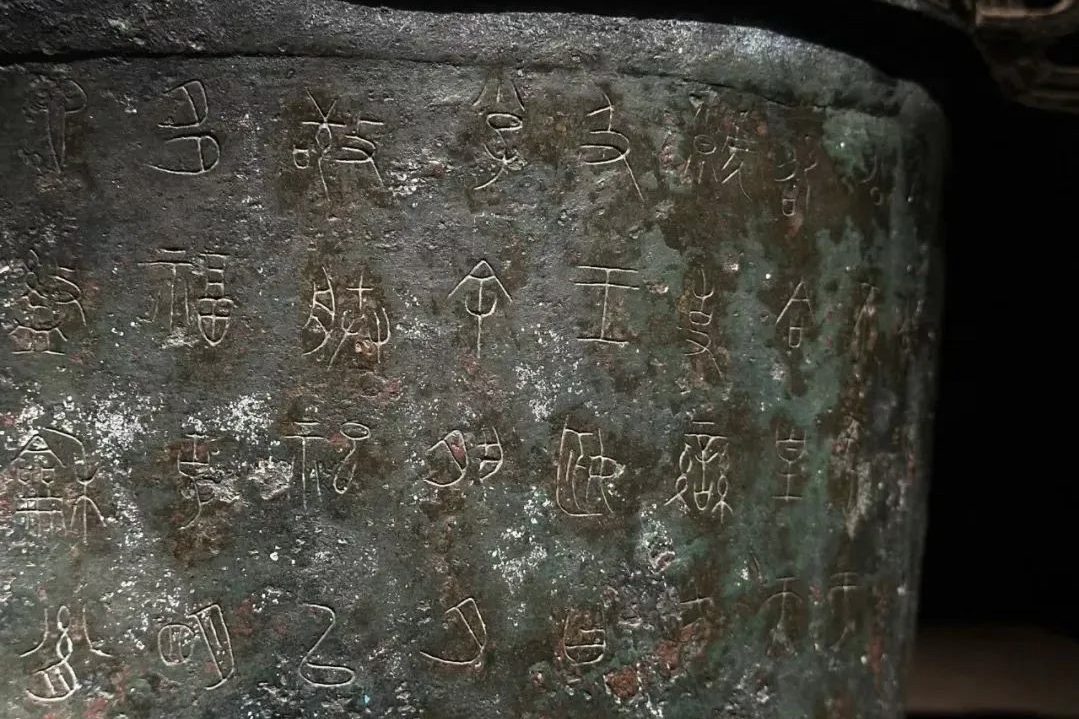
Jinwen, which includes Chinese writing from the Shang Dynasty to the Zhou Dynasty, has recently been quietly converging in Linhai. The exhibition aims to show the charm of ancient Chinese writing through inscriptions on bronzes.

JINWEN: the name of a Chinese character script that refers to inscriptions cast on bronzes from the Shang Dynasty (ca. 1600 B.C. – 1046 B.C.) and the Zhou Dynasty (ca. 1046 B.C. – 256 B.C.)
JINWEN: Bronze incscriptions

Preface

Cultural relics are not only the products of history, but also the channels of dialogue with history. In the exhibition “BU QI”, through the shape and craftsmanship of the bronzes and the inscriptions on the vessels, the world can discover the long history of China’s ancient ancestors. These artefacts have fallen from the altar of kingship over thousands of years and have demonstrated an extraordinary fascination.
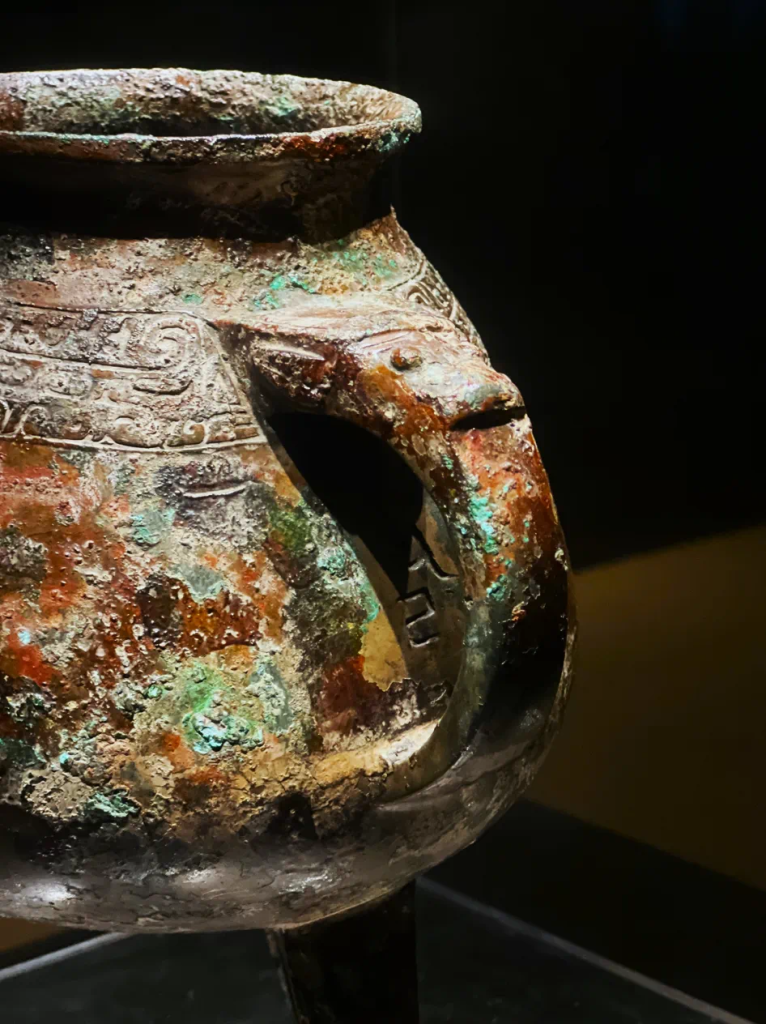
bronze vessels

In China there is a group of precious artefacts, for instance, among which the Shi Qiang Pan, the Qin Gong Bo and other bronzes are more famous. These bronzes not only show us the level of craftsmanship and political culture of the time, but they also contain an important artistic heritage: Jinwen. This exhibition tells us the story of the nearly 3,000-year history of the Chinese character through bronze vessels.

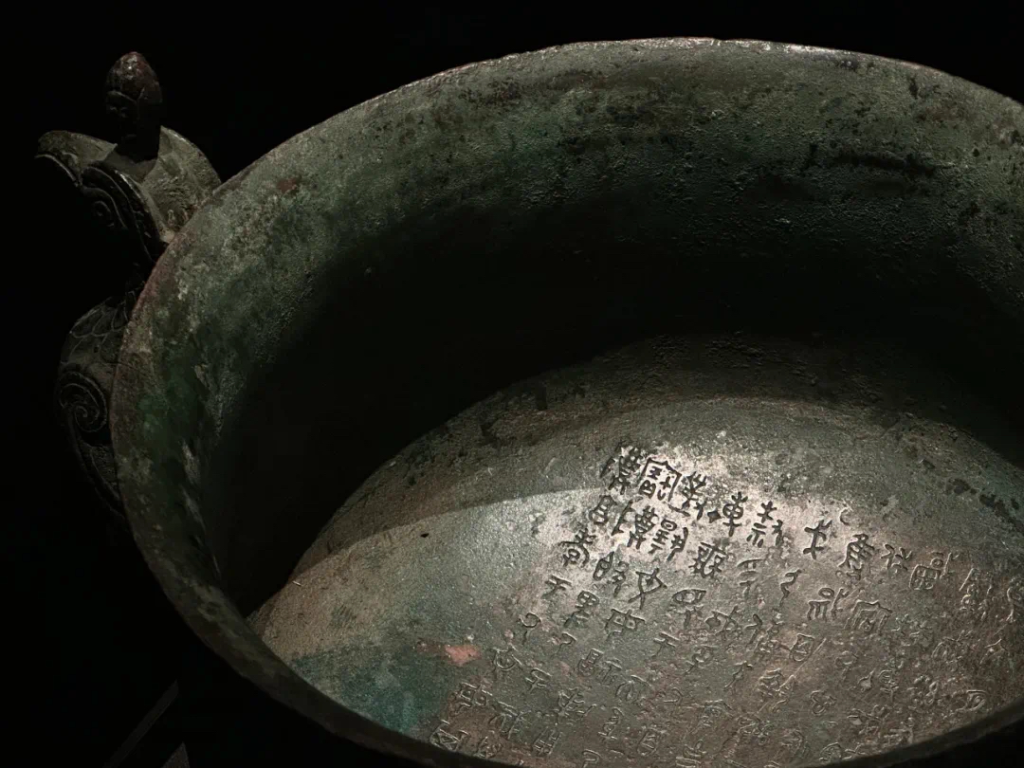
Inscription – Shi Qiang Pan (史墙盘)

Shi Qiang Pan: a historian whose name was Qiang that cast a plate. It is worth noting that this is a dish set used as a ceremonial vessel, and is also a national first-class cultural relic of China and one of the cultural relics prohibited from being exhibited abroad.
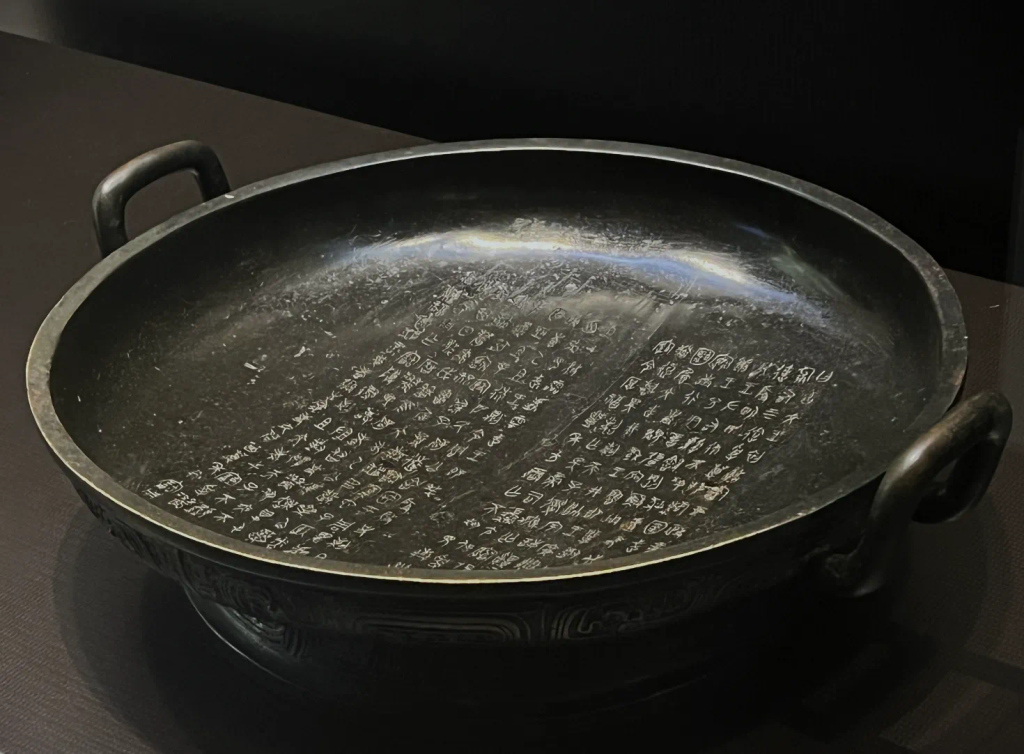
ShiQiangpan, an ancient Chinese bronze pan vessel

It was only during the Western Zhou period (c. 1046 to 771 BC) that the aristocracy was able to cast bronzes. So what was the status of Qiang?

Qiang is from the Wei family. There was a famous tyrant in China, the last king of the Shang dynasty, Zhou (c.1105BC-1046BC). And the ancestor of the Wei, Ziqi, was the elder brother of King Zhou of Shang. After the Zhou Dynasty destroyed the Shang Dynasty, Wei Ziqi joined the Zhou Dynasty as an official. The Wei family of the Zhou Dynasty became a great family after several generations. Thus came the appearance of Shi Qiang Pan.

The first half of the text of the Shi Qiang Pan mainly tells about the achievements of seven generations of emperors of the Zhou Dynasty, and the second half mainly tells about the deeds of six generations of the Wei family. It is not only a testimony of the change of Chinese characters, but also a glimpse of the social structure of the Western Zhou Dynasty.
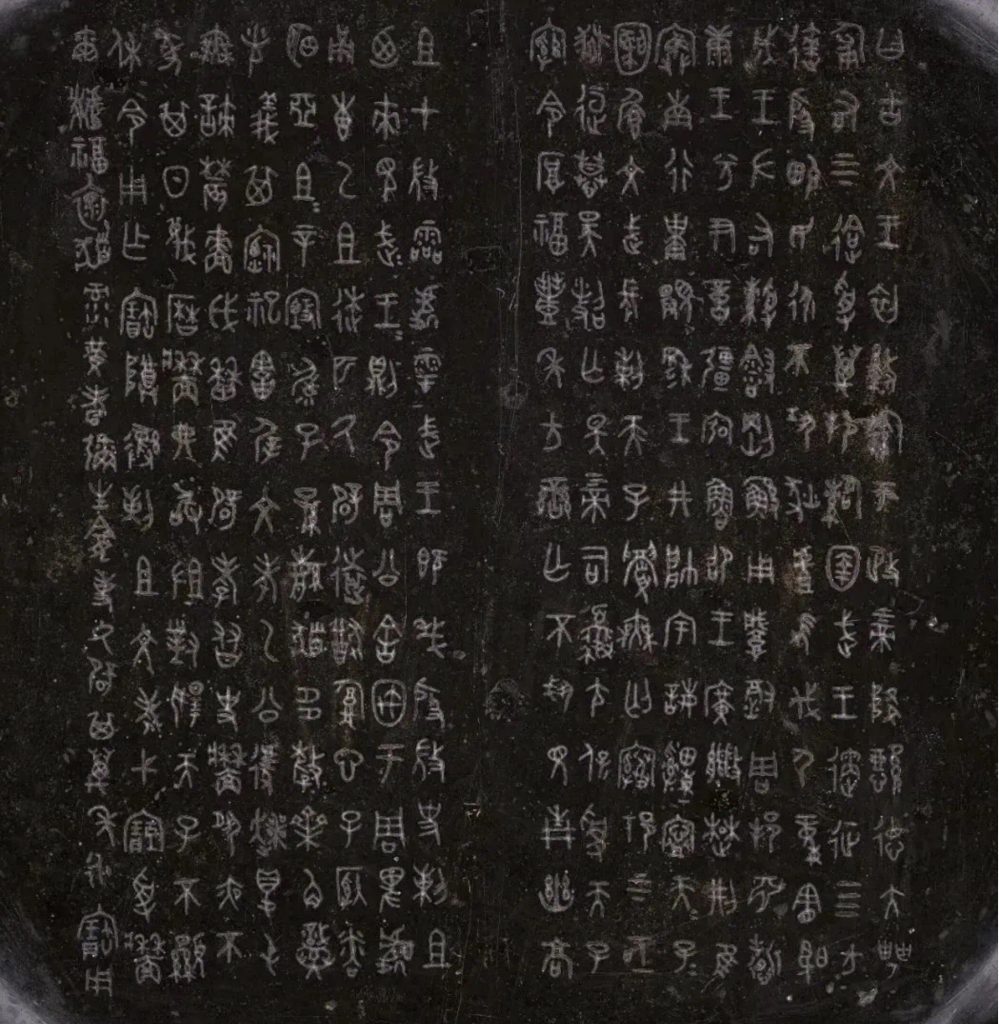
the inscriptions of the Shi Qing pan

In later times, the Zhou Dynasty fell apart. At the beginning of the Spring and Autumn period, the kingship gradually collapsed. Instead of focusing on the royal nobility, the gold texts of this period began to reflect local features such as the social activities of the vassals and other nobles.

Bronze – Qin Gong Bo (秦公镈)

Qin Gong Bo (秦公镈) is an early Spring and Autumn bronze (770 B.C – 695 B.C) from the Baoji Bronze Museum in Shanxi province, and is an ancient Chinese musical instrument that was struck with the body of a hoe.
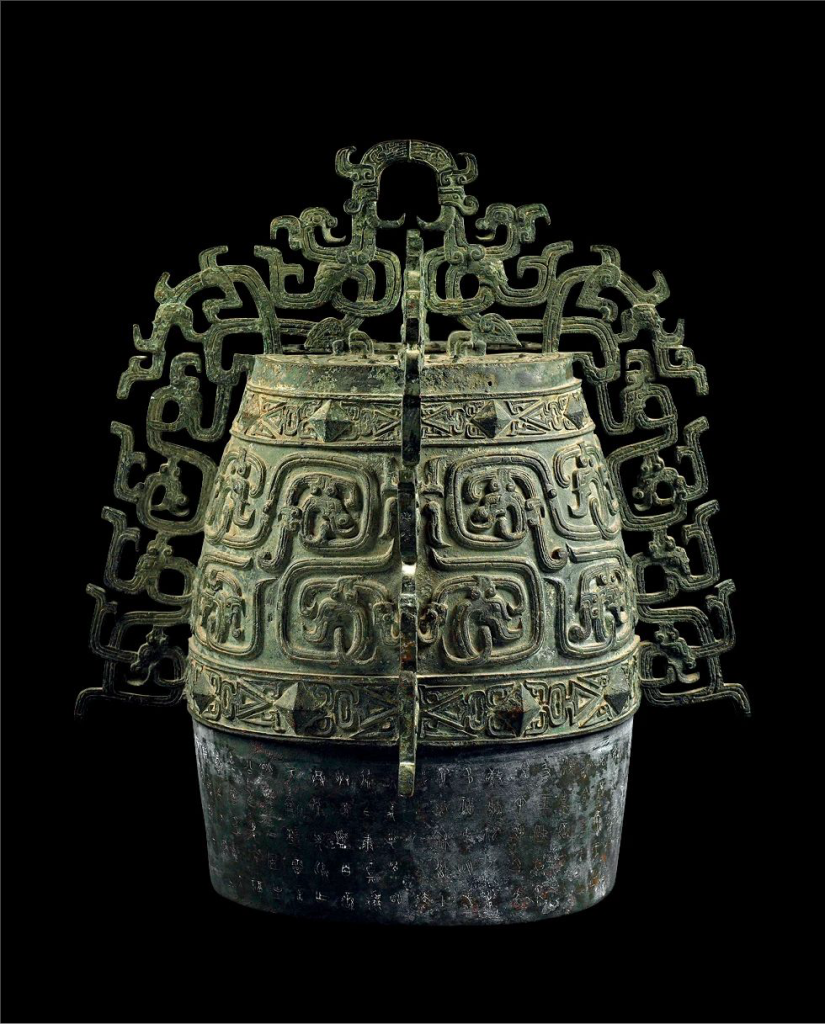
QingGongBo

Qin Gong Bo is a new archaeological discovery made in Baoji in 1978, when villagers accidentally discovered eight bronze pieces in a cellar, of which Qin Gong Bo is the largest found, with a height of 75.1 cm, a weight of 62.5 kg and a very majestic shape.
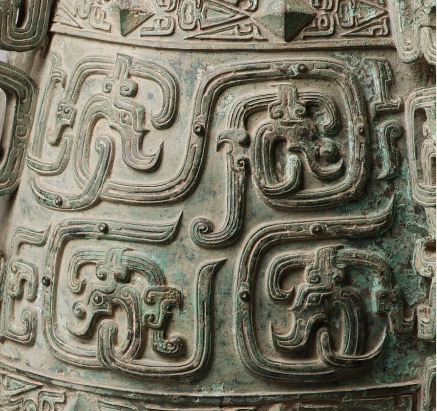
detail

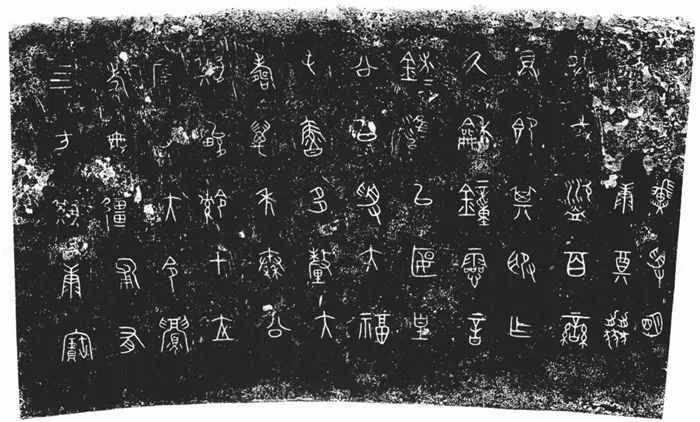
The Inscription of Qin Gong bo

Historical research suggests that the Bo was used as a musical instrument to Hegemony of Qin state temple rituals. Often used together with the ancient Chinese musical instruments Carillon (Bian Zhong). The instrument’s sound was very loud, so historians have speculated that it was usually used to conduct the orchestra and control the overall rhythm.
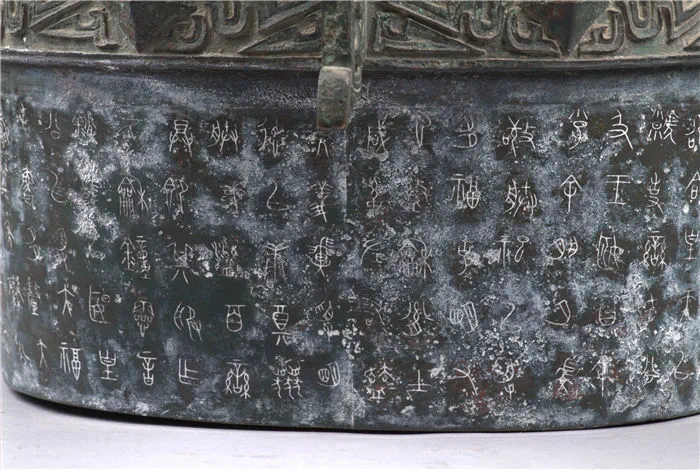
letter/ inscription

In addition to its exquisite modelling and musical function, the Qin Gongbo bears an inscription of 135 characters. It’s an important historical reference for the study of the Qin dynasty and its predecessor, Hegemony of Qin.

The storia of the inscription

The inscription records the Hegemony of Qin as a vassal state of the Zhou dynasty at the time. And the first-person view of the descendant, Duke Wu of Qin, records that his ancestor, Duke Xiang of Qin, was rewarded with a house and a kingdom for saving the king of the Zhou, receiving land, subjects and prestige. Above all, the descendants of Duke Xiang of Qin were not afraid to work hard. Meanwhile he carefully managed relations with vassal states and surrounding tribes.

In Chinese history, the Qin Hegemony lasted for almost 700 years until the fall of the Qin dynasty. The Qin Hegemony had many capitals and, since Duke Xiang of Qin granted the title of hegemony to Duke Wu of Qin, the owner of Qin Kung Bo, the Qin Hegemony moved its capitals four times in the short space of 140 years.

In the long history of Qin, Duke Wu of Qin learnt from the experience of his ancestors. He strengthened his territorial control, and he eventually unified the Guanzhong region of China, which is today the central part of Shaanxi Province in China.
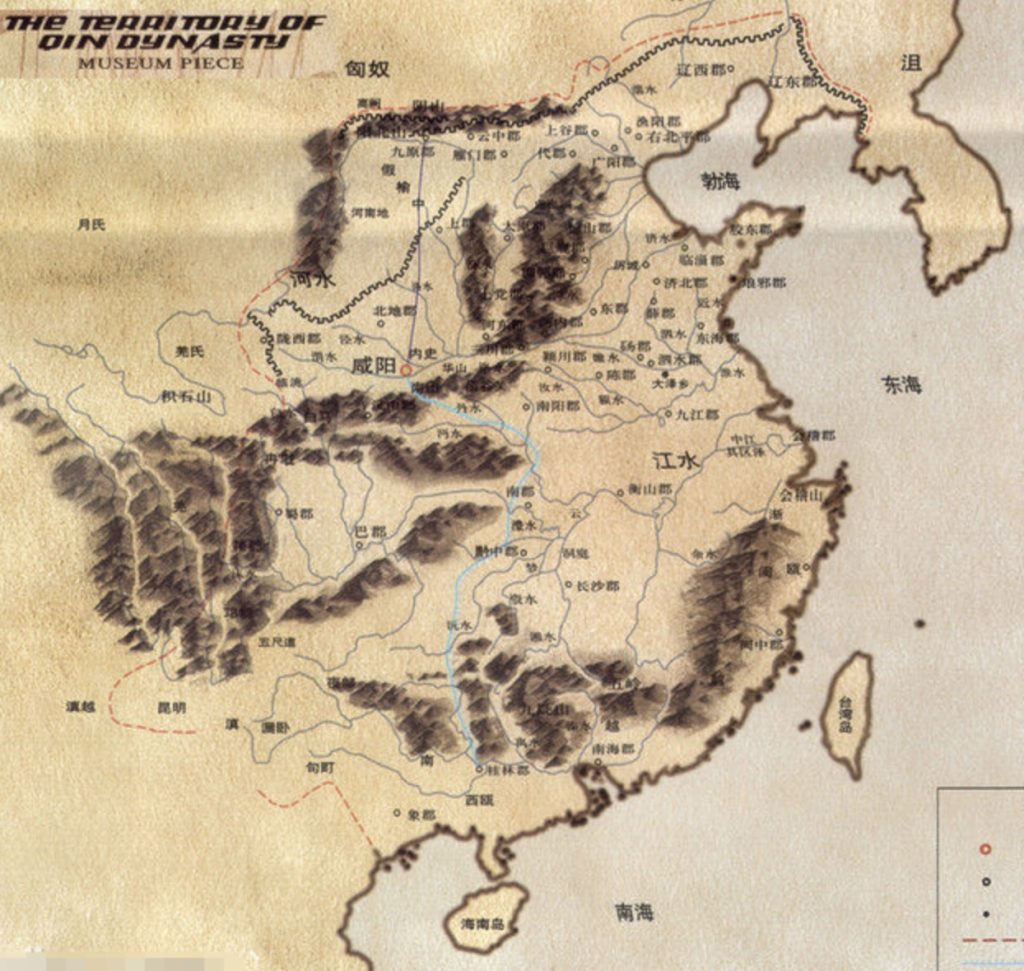
the map of Qin Dynasty

And the Guanzhong region was surrounded by the Qinling Mountains to the south and the Wei River running through it, and was surrounded by mountains on all sides, which made it a natural land barrier. The possession of this entire region also laid the foundation for the Qin Shi Huang (the first Chinese emperor).

Therefore, this inscription embodies the spirit of the Qin people and the determination of the Qin state to become strong. Eventually, in 221 B.C., under the reign of Qin Shi Huang, China was unified.
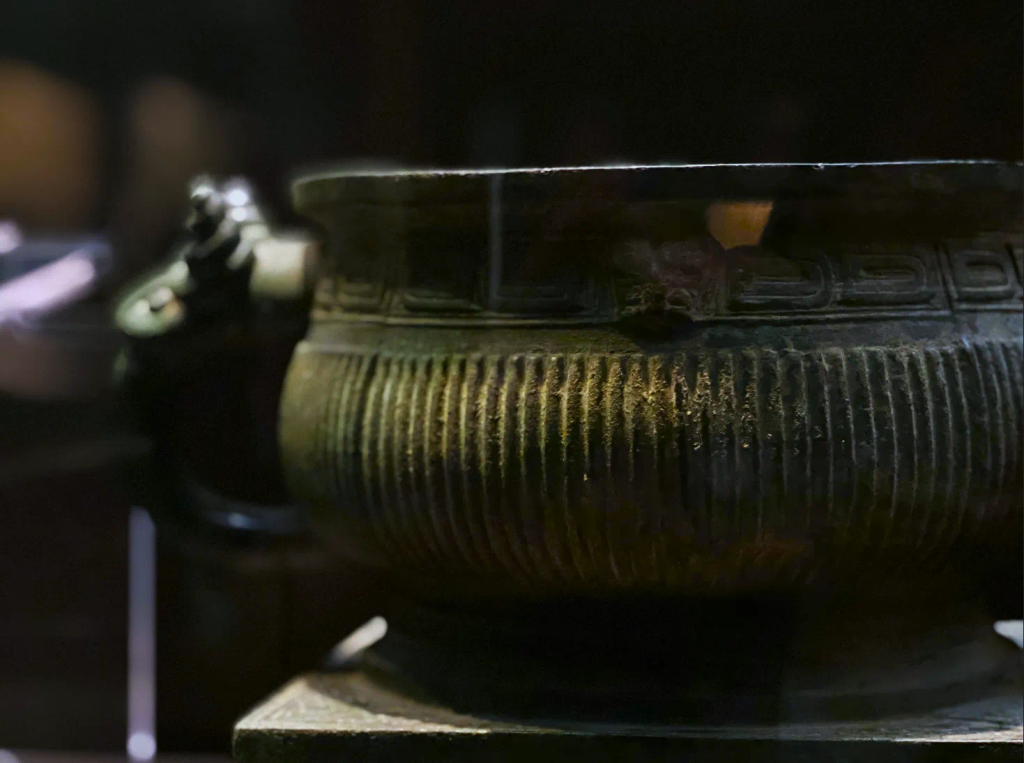
Bronze in Linhai Museum

The “BU QI” temporary exhibition

This exhibition features bronzes from the Shang Dynasty to the Western Han Dynasty (1675 BC – 8). It includes eight national treasures with inscriptions of more than 110 characters and a complete presentation of bronze inscriptions with more than 3,000 characters. You will be able to see the details of the inscriptions up close in high definition.
information

Information

Date: 20 March to 19 May 2024

Location: Linhai Museum, 1st floor, 1st temporary exhibition hall

Address: Linhai Museum, No.288 Linhai Avenue, Linhai City, Taizhou, Zhejiang, China

Free admission with compulsory booking on the Linhai Museum’s WeChat app.

The exhibition is open according to the following schedule

Tuesday to Sunday:09:00 am to 4:30 pm

Closed:every Monday (except public holidays)

Telefono:0576-89366066

Source

Website of Linhai Museum

Foto

The Territory of Qin Dynasty

Linhai Museum

Shi Qiang pan (French-language version)/ WIKI INFO

Qin Gong Bo (French-language version)/ WIKI INFO
Categories
Contemporary 当代

Contemporary | Ni Youyu – Multifaceted artist

Ni Youyu is not just an artist; he is an observer, a researcher and a collector. In his spacious, industrial Shanghai studio, one encounters antique shards of ceramics, curious objects found in flea markets, stacks of notebooks and works in progress. Commonly overlooked found objects, many of which the artist discovered while traveling, are scattered around the room.

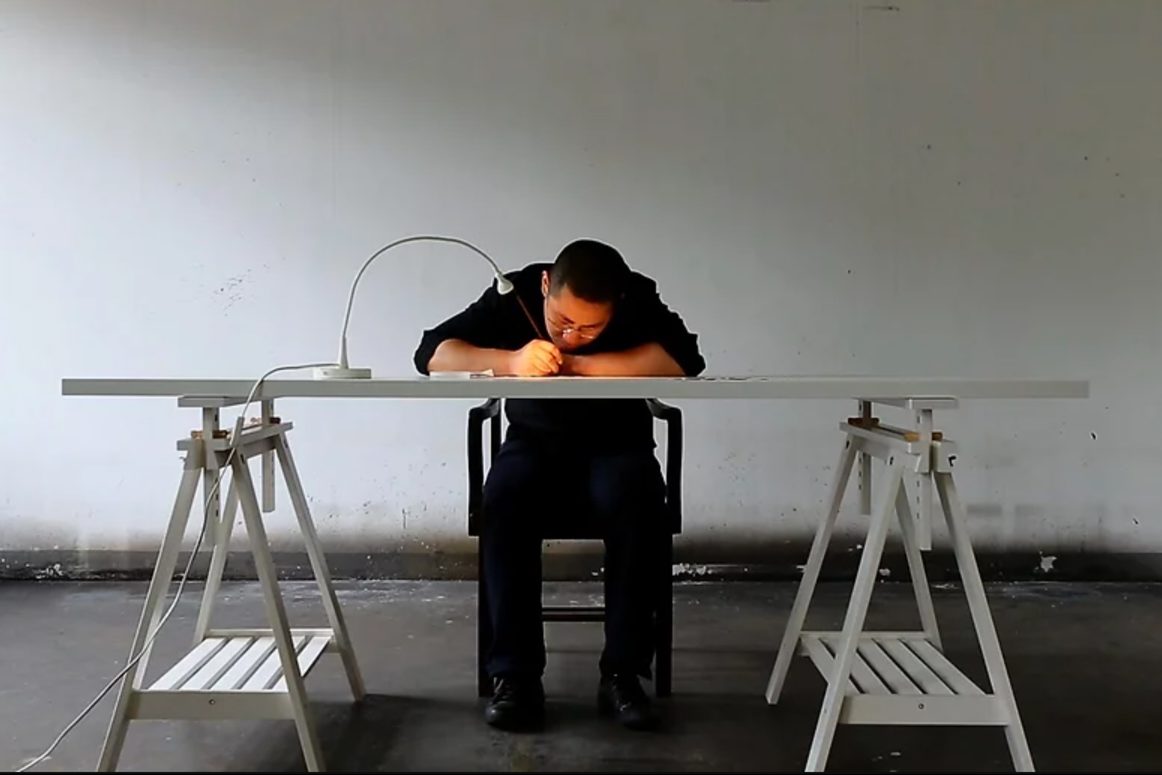
Ni Youyu working in his studio in Shanghai, 2013     Photo: Shasha Liu

Ni strives to create a space where ideas historical and contemporary can intersect. Educated in traditional Chinese ink-wash painting, he draws from the rich and deep traditions of Song and Yuan Dynasty ink paintings, when the ancient artists pursued the unity between man and nature within the limited space of paintings. The Song and Yuan pieces emphasized the sense of historical grandeur and rationality, making a strong impression esthetically with their precise of brush strokes. Following Chinese radition, Ni studies and emulates the work of old Chinese masters as a daily ritual. However, he does not simply mimic these ancient artworks in his own work. Rather, he immerses himself in them to extract their essence and purposely does not include ink paintings on paper in his own work. Ni’s practice is equally informed by post-1960s conceptual art, such as the Italian modern art movement Arte Povera (1967-1972).

Installation view of Ni Youyu's personal exhibition
Installation view of Ni Youyu’s personal exhibition “Brief history” Shanghai Art Museum Ni Youyu solo exhibition “Site of short history exhibitions”

Ich the damaged relics Ni You yu

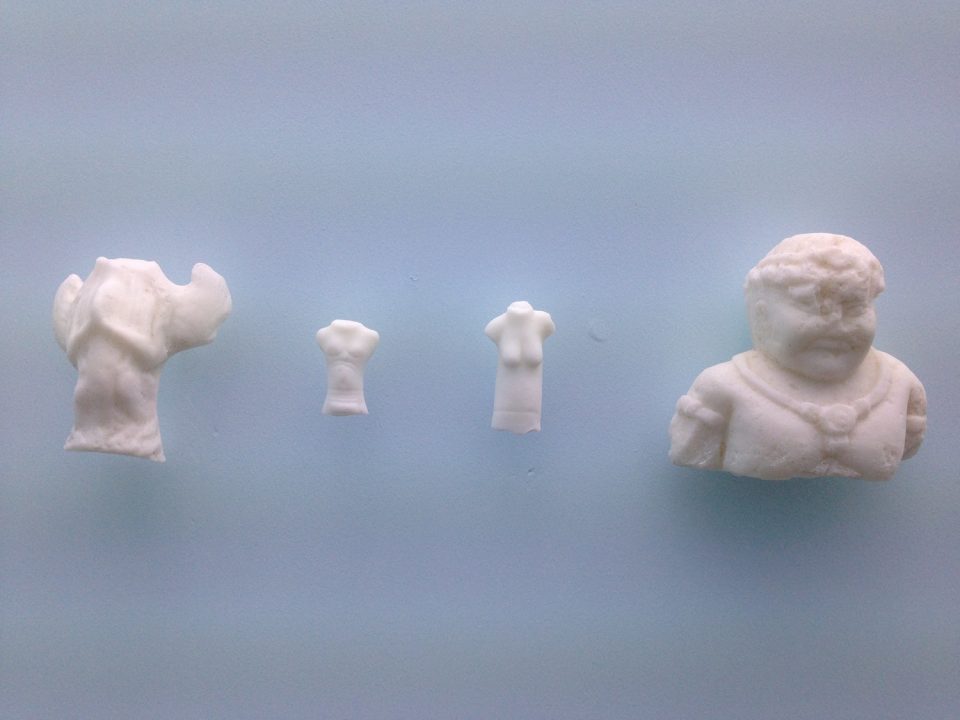
lch (2013), made from found objects, involves 100 small pieces of damaged and eroded relics of Chinese figurative sculptures of people, Buddha and animals, dating from the North Song (960-1127AD) to the Qing Dynasty (1644-1912AD) that Ni collected on research trips over several years. After making molds from these ancient pieces, the artist cast soap sculptures from them. Exhibited as though they are artifacts, the sculptures juxtapose the temporality of soap with the lifespan of hard stone antiquities. In doing so, they raise questions about change and permanency, exposing both materials’ essential fragility.

 Ni Youyu, Zilch, 2013, 100 soap sculptures
Ni Youyu, Zilch, 2013, 100 soap sculptures

As part of the work, viewers are invited to become participants and “adopt” one piece of the soap, which they are free to use however they like. In exchange, they are asked to submit a photo of the object in their home. Their treatment of the soap becomes a reflection of their understanding of the sculpture’s function and its status as both a utilitarian and an aesthetic object.

Ni Youyu , Zilch Bubble, 2013, detail

The Song dynasty

Since 2011, Ni has been working on a series of paintings that exclusively use black matte and gold paint. Inspired by paintings from the Song dynasty and historical Japanese screen paintings. Sense of history, their color combinations and the precision of the brush strokes. Ni chose these colors in order to create a concrete yet illusionary visual effect. The contract of the gold semi-gloss against the black matte yields a contradictory quality. lending each scene a realistic yet dream-like aura.

  Ni Youyu ,Song Dynasty inkwash painting in detail
Ni Youyu ,Song Dynasty inkwash painting in detail

Hoping to avoid solid lines, Ni developed a special method that uses pressurized water to wash away layers of paint. For each painting, he repeats this process several times; the result is a surface that appears worn, as though eroded by time. This effect is a similar to the visual device used in Song and Yuan Dynasty ink paintings. Ni creates scenes of waterfalls, landslides and flood-damaged landscapes by applying water to the painting’s surface. This interaction – between water both represented and actual – imbues the work with a sense of ingenuity and contradiction.

Ni Youyu, Big Waterfall II detail

Galaxy the experience of childhood of Ni Youyu

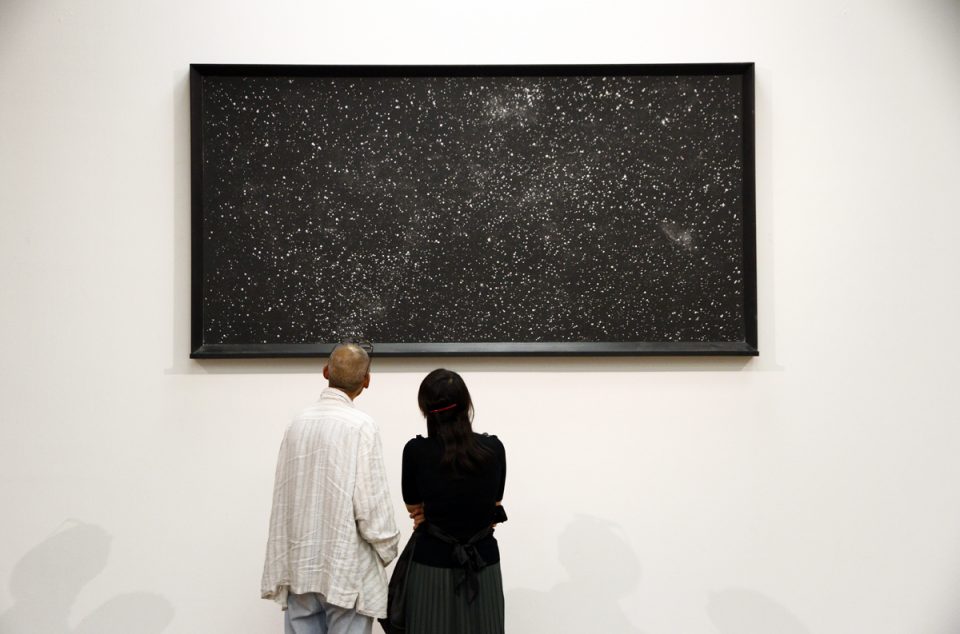
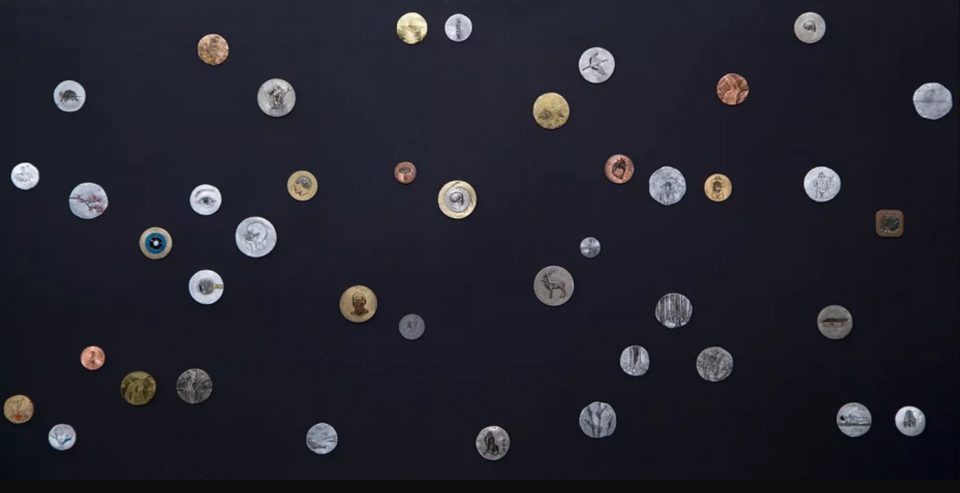
Ni’s work Galaxy (2008-) re-examines and critiques the trend of costly large-scale art productions .that may be impressive but possess little meaning or content. In Chinese, the phrase “to pound the money” refers to spending a large amount of money without giving it much thought. Ni physically enacts this saying. repeatedly hammering coins he has collected from around the world until their surfaces are flat enough to paint on.

Ni Youyu, Galaxy, 2008 – 2012, Installation view

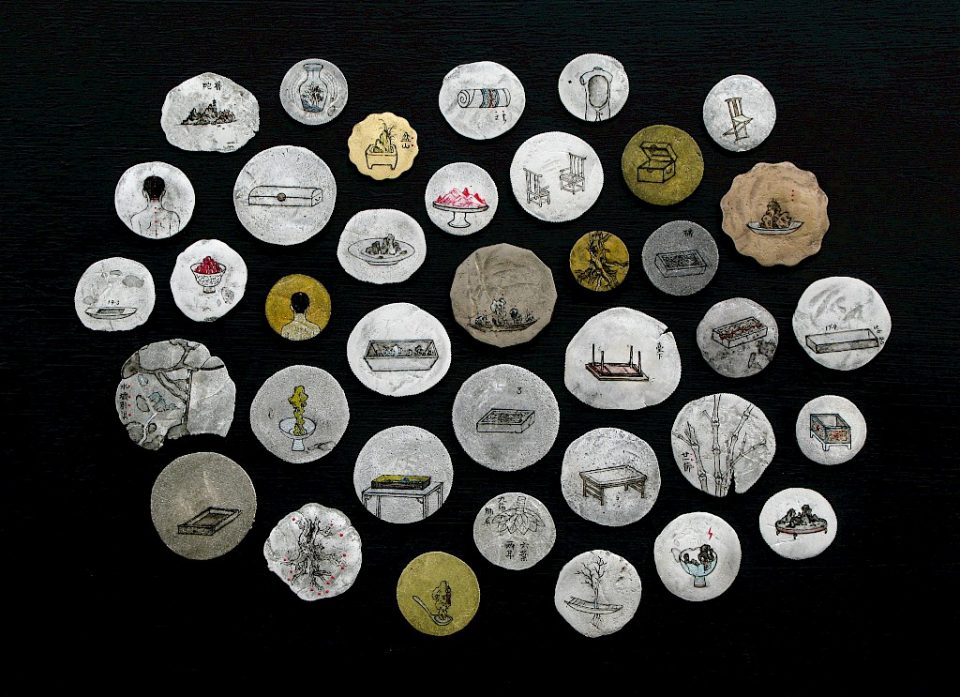
Building upon his preexisting interest in miniature painting, Ni trained himself to draw ink paintings on the coins.which he flattens to approximately one inch in diameter. As though representing “a galaxy of human knowledge,” these paintings depict a range of subjects, from landscapes to anatomy. This project furthers Ni’s exploration of the relationship between deduction and addition. In destroying the coins’ surfaces, he removes their monetary value. However, this process of destruction is also generative: it transforms .the coins into art objects, endowing them with a new value within the art market.

The inherent labor-intensive quality of his artworks requires the artist’s full attention and repetitive action. Ni often gets into a deep meditative state while in the process of creation. lending these works a sense of ease and grace. making his artistic practice an effortless endeavor.

From:

https://theartling.com/en/artists/ni-youyu/

https://www.niyouyu.com/

http://www.guan-dian.org/ni-youyu

https://www.brooklynmuseum.org/opencollection/objects/216753

For more Chinese art: Abgstage01. 

Categories
Contemporary 当代

Contemporary | Yuan Yuan – Architectural paintings

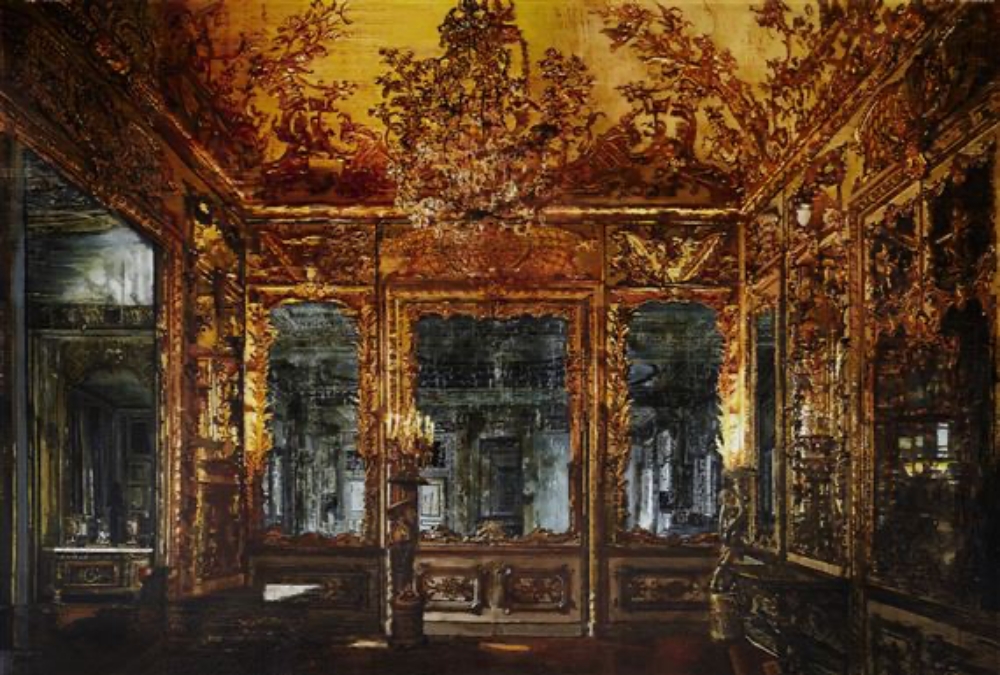
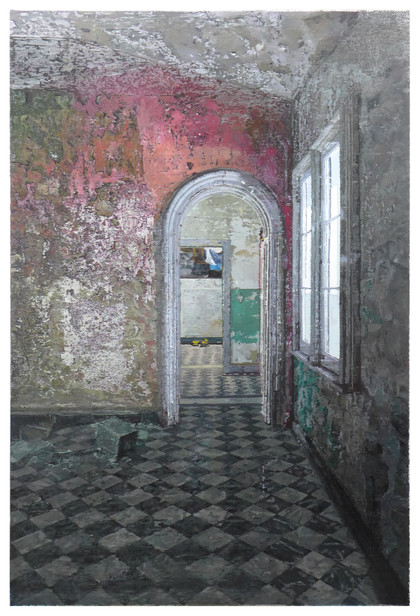
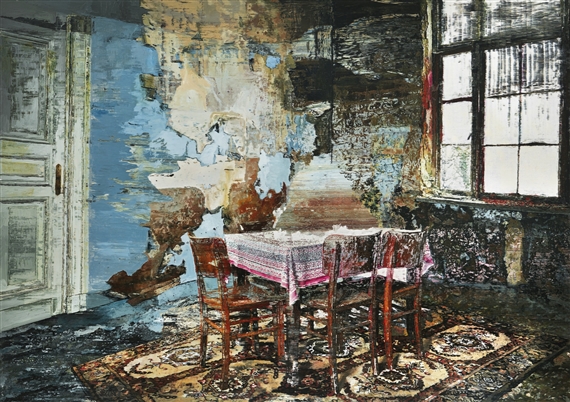
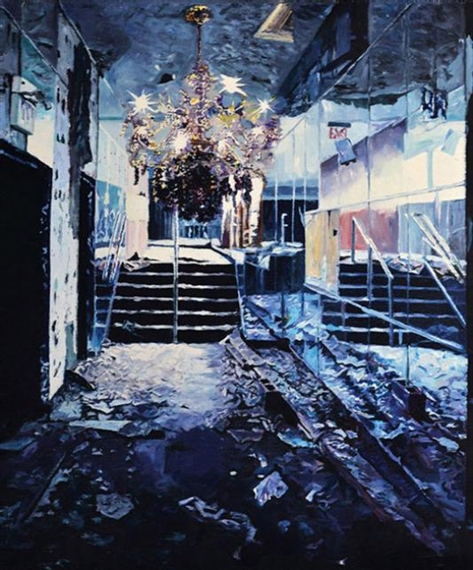
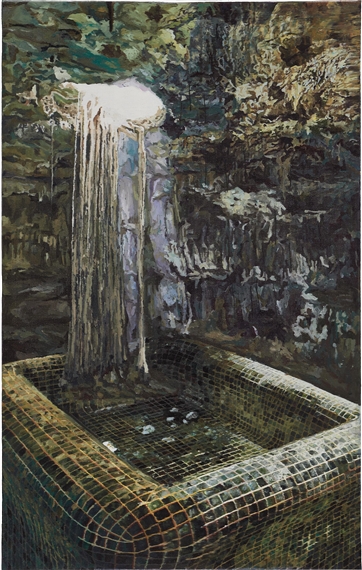
Chinese artist Yuan Yuan is known on the international art scene thanks to his distinctive paintings, focused on architectural subjects and executed with impeccable technique. They convey a unique atmosphere, that is materialized in the poetic of memory. 

Yuan Yuan, Confessionary II, 2013, oil on linen
Confessionary II, 2013, oil on linen

Zheijang hometown

Yuan Yuan born in 1973 in Zhejiang province and studied in the Oil Painting Department of the China Academy of Art in Hangzhou. Where he gained a graduation in Fine Arts in 1996 and a Master in Fine Arts in 2008. When YuanYuan was studying there, while Chinese society was still very conservative. The Academy was “like a sunroof, always open for us” . And he benefited from a library well stocked with foreign periodicals. Currently lives and works in Hangzhou and Berlin.

His work is heavily influenced by traditional Chinese painting, which she studied when he was a secondary school student. Also, the painter was inspirited by Western artist such as Richard Long (Land Art) and Felix Gonzalez-Torres (Conceptual Art).  

Yuan Yuan, Breakfast, 2013, oil on canvas.
Breakfast, 2013, oil on canvas.

YuanYuan subjects are mainly interiors and these are based on real places, with some imaginary elements added. Sometimes he also manipulates architectural details and as a result the scenes . He depicts seem to lie somewhere between reality and illusion. 

All Yuan Yuan’s paintings share a sense of abandonment, offering just a glimpse of their former glory.

The artist said

“Ruins give us a sense of security, they are living spaces without .A sense of pressure so you can do whatever you want. Abandoned places are also public, meaning that you may enter and visit. This is similar to the process of a viewer who is looking at an artwork. I am trying my best to identify the residual traces left behind – not so much what the place has now.But rather what this place used to be for a long time, which no one can take away and cannot be seen. “

Yuan Yuan, A Home for Home, 2012, oil on canvas
YuanYuan, A Home for Home, 2012, oil on canvas
Yuan Yuan, Fairy Dream Liner 3, 2008, oil on canvas
YuanYuan, Fairy Dream Liner 3, 2008, oil on canvas

Paintings composition are highly structured and orderly, dictated by the geometric details of the   architecture depicted.  what sets Yuan Yuan’s paintings is the incredible detail with which he describes every individual surface within the composition. In particular, She is fascinated by mosaics and patterns of tiles, whether on floors, walls, or lining pools and showers.

He is able to play with an infinite variety of hues within the same color scheme to produce a stunning effect. The atmosphere often feels humid in his paintings, with water in pools or dripping from .the ceiling or decaying walls, and the mood is melancholy. In order to achieve the effect of wet surfaces, he applies several layers of diluted pigment. A classical Chinese painting technique.  

Yuan Yuan, Meteoric Water, 2011, acrylic on canvas
Yuan Yuan, Swimming Pool II, 2010, oil on canvas

At first glance, Yuan Yuan’s paintings seem devoid of any human presence. This is not quite true. She wants to represent people by depicting traces of human activity, which heighten our curiosity. 

Thus, She also conveys a sense of passing time, of transition and history. 

Yuan Yuan, Mirror, 2011, oil on canvas
Mirror, 2011, oil on canvas

For more Chinese art: Abgstage01. 

***

Categories
Contemporary

Contemporary | Lin Yilin through performance

Biography

Born in Guangzhou in 1964, Guangdong Province, China, Lin Yilin studied sculpture at the Guangzhou Academy of Fine Arts, graduating in 1987. Lin Yilin through performance found his way to think about present.

His poetics are expressed through urban interventions and site specific performances. It draws on China’s socio-economic conditions, political landscape and cultural experiences; reinvents the relationships between communities and environments in a globalized context.

Lin Yilin through performance uses his experiences as an immigrant to the United States as a starting point for many of his works.

Lin Yilin during a performance

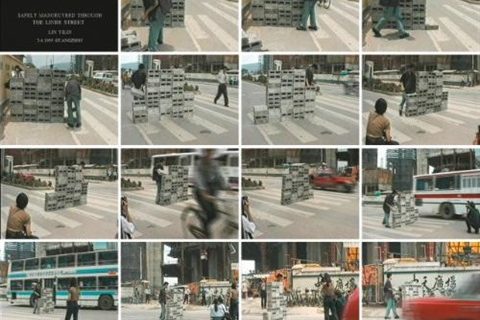
Safely Manuevering across Linhe Road

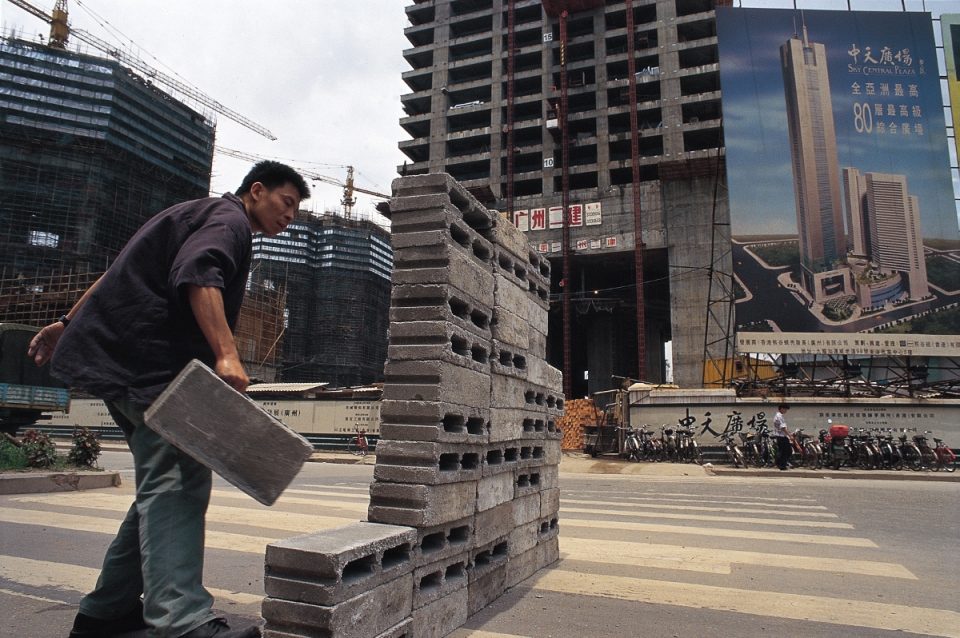
Lin became known for his installations made with stackable bricks inserted in an urban context, thanks also to his involvement in the Big Tail Elephant Working Group, which founded in 1990 was fundamental for a reflection on the state of China’s urban development. Lin’s best-known work is in fact “Safely Manuevering across Linhe Road” (1995), where the artist moved a pile of bricks across a main road in Guangzhou for ninety minutes. He built a brick wall on the side of the road and then removed it row by row and reassembled it in the middle of the street. Repeating the same gesture, he brought the wall across the street. This performance turned a stable wall into a moving wall and also stopped heavy traffic.

safely manuering
Lin Yilin performing “Safely Maneuvering across Line Road”

Symbolically, the brick for Lin is linked to architectural construction and destruction, it also indicates urbanization and social transformation. The artist intervened on a public site with his body and represented the rapid urbanization which we easily forget despite being very evident.


For other contemporary artists: Contemporary

From:

Apersonaldiary

Guggenheim

Artsy

Categories
Contemporary

Contemporary | Sun Xun’s paintings and woodcuts

Biography

Sun Xun was born in 1980 in Fuxin and studied at the China Academy of Fine Arts. Sun Xun’s interest in traditional art forms such as paintings and woodcuts prints is reflected in the craftsmanship. That characterizes his animated films.

Born in an industrial mining town in the north-east and raised in the period following the Chinese Cultural Revolution. The artist is influenced by the side effects that this movement continues to have on topics such as history. Culture and memory. He is interested in how historical events are perceived and recalls the representation of citizens by public bodies and the media.

His work

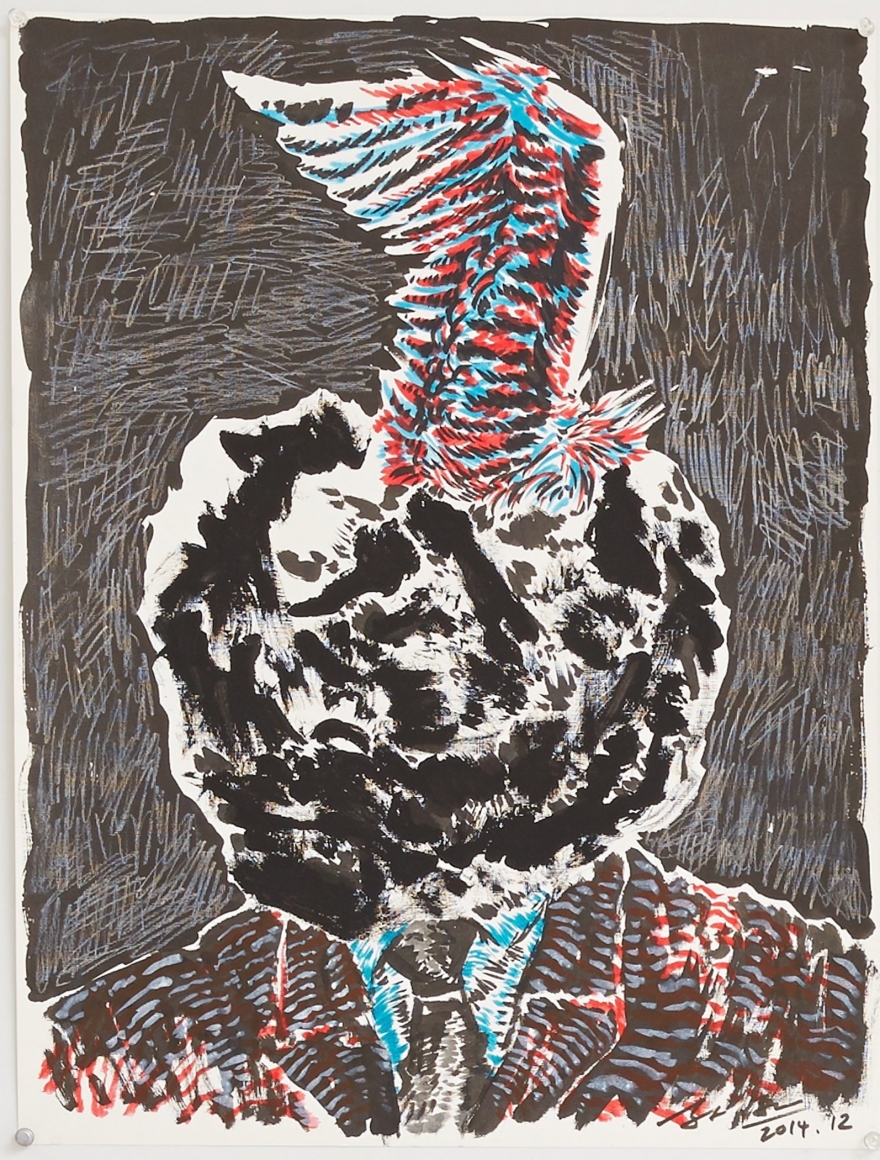
Sun Xun’s paintings and woodcuts explores concepts of past versus present. personal versus political in symbolic and surrealist ways, often choosing to use animals and insects as the main characters of the story rather than people.

He is considered one of the most talented emerging artists in China, his practice combines craftsmanship with stylistic experimentation not limited to any of the media. Blurring the lines between drawing, painting, animation and installation, his work incorporates a wide range of materials. Usually his films are then presented in engaging settings, creating a memory theater for the visitor, full of realistic and fantastic iconography.

Sun Xun xilography
The Time Vivarium – 71, 2014
acrylic and ink on paper
paper: 24 x 18 inches (61 x 45.7 cm)

To produce Time Spy, the artist and his team sculpted more than 10,000 wooden blocks.then inked and digitally digitized them to create the animation cells.

Sun Xun’s painting and woodcuts are in constant dialogue with art history. In fact he talks about his work in close relation to Albrecht Dürer and his engravings. The works were compared by Sun Xun in recognition of the influence of this German Renaissance artist on his own practice.

Sun Xun the time vivarium
The Time Vivarium – 20, 2014
acrylic and ink on paper mounted to aluminum
paper: 59 x 98 1/2 inches (150 x 250 cm) 
framed: 59 7/8 x 99 1/4 x 1 5/8 inches (152.1 x 252.1 x 4.1 cm)

For other emerging artists: Contemporary

From:

skny

Guggenheim

Slam

Categories
Contemporary 对话

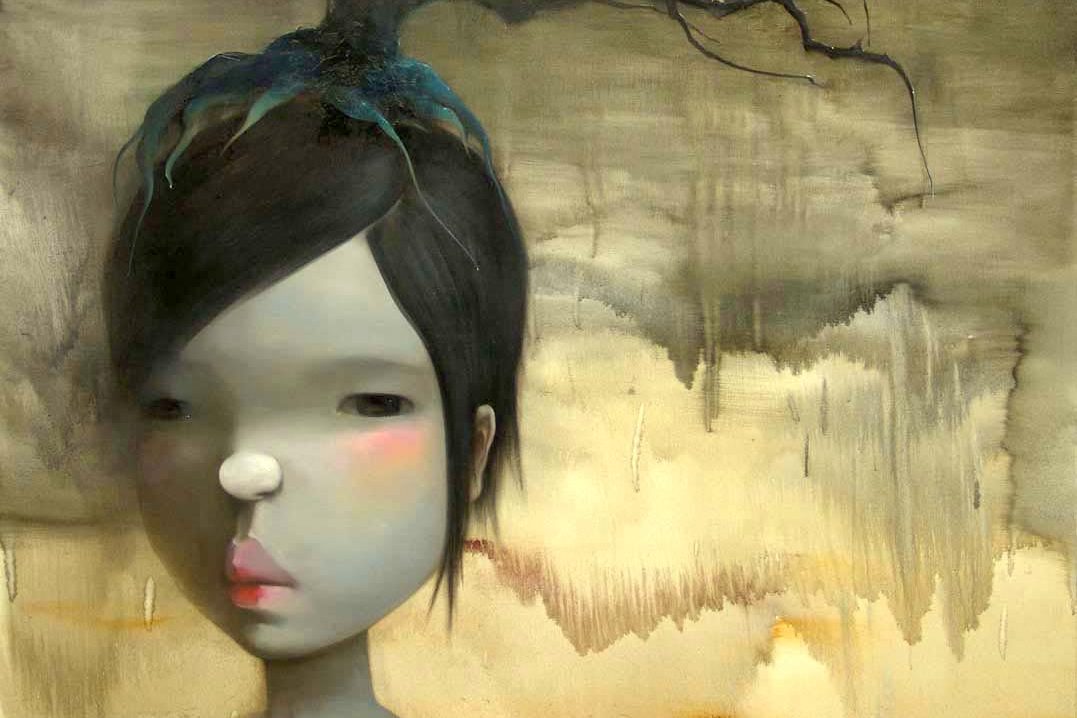
Contemporary | Chen Ke sad girl

Chen Ke is born in 1978 in Tonjiang, China’s Sichuan province. She’s graduated from the Sichuan Academy of Fine Arts, where artists had many opportunities to explore their emotions and instincts. 
This free environment, alongside cartoons, fairy tales and comics, helped her to build her identity as an artist.
After participating in numerous national and international exhibitions, she worked on a variety of media, including painting, sculpture and fashion design.
Chen Ke is recognized as the most representative artist of the New Generation of Cartoon of China.

Background

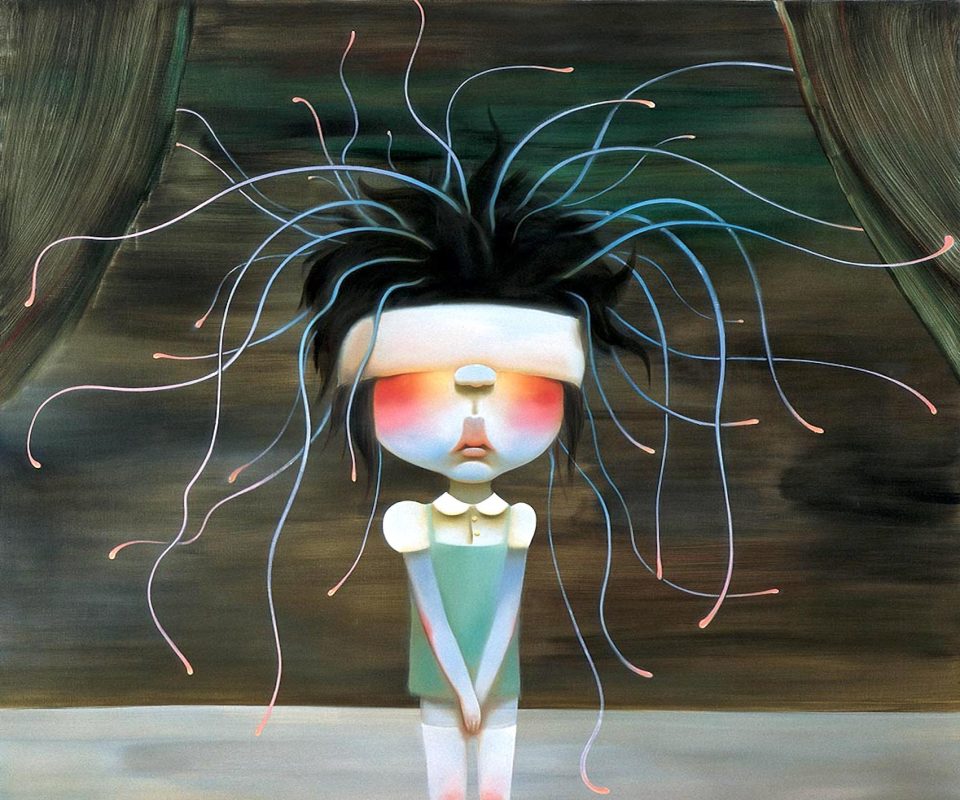
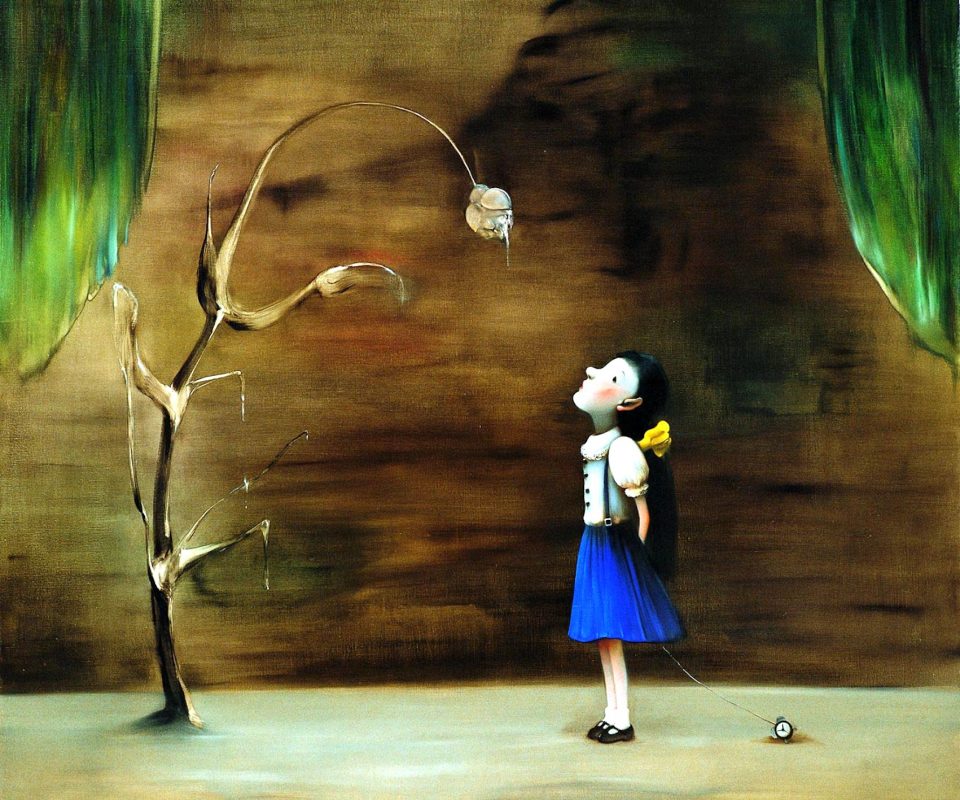
Various images of little girls, representing the core of human nature, flow like a thread through the works of Chen Ke.
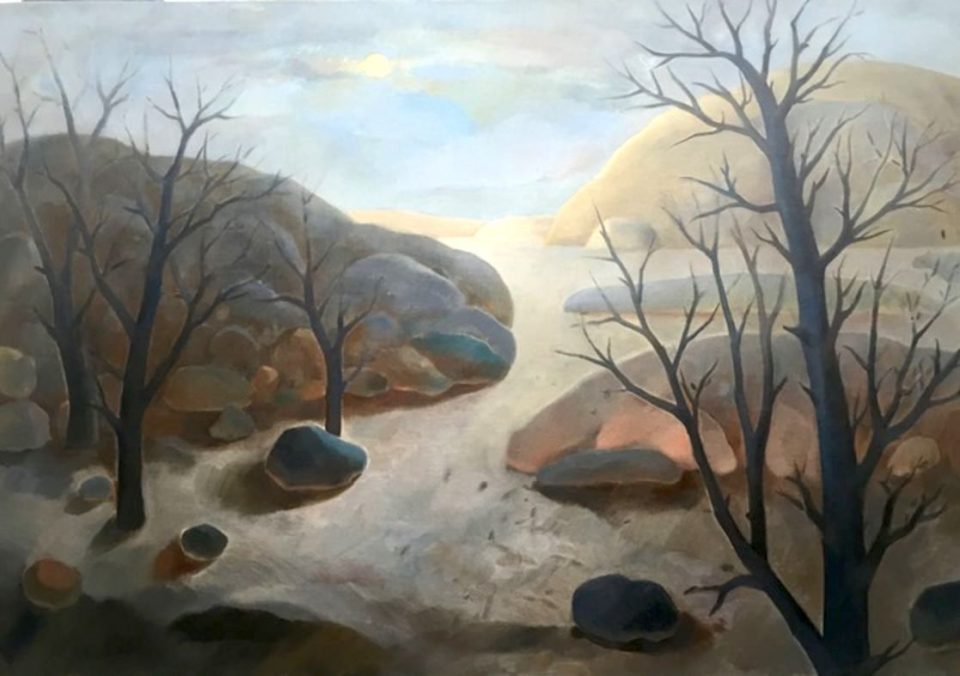
Although references to the art of comics are evident, when one analyzes her works in more detail, they become visible elements of style of Western masters such as Caspar David Friedrich, as well as the influence of traditional Chinese paintings, creating an exciting tension. 
Being eager to experience Chen Ke often surprises her viewers. Not only does she produce her own paper, she embroiders canvases with beads, but she also applies oil paint to stretch cotton fabrics that are popular in her childhood days.

Chen Ke sad girl

Chen Ke is considered the most representative artist of the new generation of Chinese artists. Her melancholic paintings, which express the loneliness of growing up as an only child, show digital images made of bright and colorful light from her kaleidoscopic and dazzling imagination.
That’s why the artist says: “My characters are somewhat sad, isolated and powerless and this is exactly how I feel sometimes. My art is as real as my spirit.”As classical artworks of Chen Ke, almost every piece of work shows a little girl with a round nose, who is lost in depression, limited to herself, living in an unreal space, and seems to keep a distance from the human world.

Chen Ke
Like porcelain paintings

Usually, the sad girl takes up the center of the whole artwork. With the full expression of the blank as well as the grain like porcelain paintings, the artist fully shows the opposition of the reality. A reality that buries the audience in the waves of the sense of unknown sadness. The sad girl seems to be jumping between the virtual world and the reality, which makes the audience lost in the endless loneliness and long distraction.

Chen Ke
Chen Ke and Beijing

In her first two years in Beijing, she felt lonely and what she could do was to paint and put her moods into the painting. She believed this is the reason why many people think that the girl in her painting was actually her self. And the girl in her painting grew up with the growth of the artist. She believed her art appeared from her daily life, so she hoped art could enter the daily lives of people. 

Chen Ke and Fashion

She thought fashion and art have no differences at the top point. She has cooperated with many fashion brands. In 2008, Fendi invited Chen Ke to join the Fendi special handbags Baguette Anniversary commemorative edition series; she designed a handbag for the series. In 2014, Chen Ke designed for the Vogue FNO series to celebrate the ninth anniversary of Vogue magazine.

Chen Ke

Fonti:
Artsy
Wikipedia
Perrotin

Categories
Contemporary

Contemporary | Cao Fei a new media artist

Who’s?

Cao Fei, daughter of a famous Chinese sculptor, was born in 1978 in Guangzhou, China. She currently lives and works in Beijing.
She is one of the most innovative young Chinese artists on the international scene. In his installations and videos, Cao Fei investigates the expectations and dreams of the young Chinese generations. Cao’s works are an outlet for invention, but behind her playful jokes lies an uncertain world of unfulfilled desires.

Combining popular aesthetics with a documentary vision and references to surrealism, in his works Cao Fei moves strong social criticism, reflecting on the inconsistencies and hopes of his country. He uses photography, video and digital media in innovative ways to expose the dramatic changes in his daily environment – since 1992 – and in his high economic growth, urban development and the rapid globalization of China focused on its native region of the Pearl River Delta.

Biennali and triennali

Cao Fei’s works have been exhibited in several international biennials and triennials, including the Shanghai Biennial (2004), the Moscow Biennial (2005), the Taipei Biennial (2006). And the 15th and the 17th Sydney Biennial (2006 and 2010), the Istanbul Biennial ( 2007), Yokohama Triennale (2008) and 50a, 52a and 56a Biennale di Venezia (2003, 2007 and 2015) where he presented the work “La Town”.

Cao Fei
“COSplayers”, 2004
Cao Fei

His fascination with local youth subcultures during his training period is reflected in his early photographic and video works.
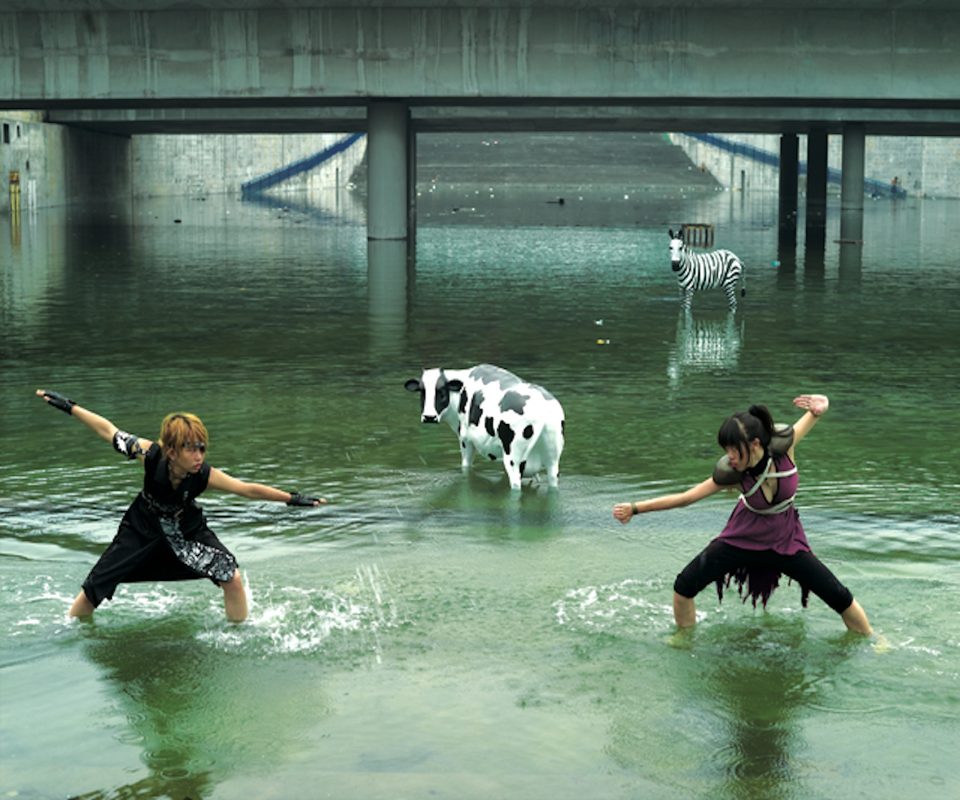
In “Cosplayers” he explored the alienation and escape tried by young disaffected and displaced people. Who expressed themselves as fantastic game characters. The interaction between the virtual world and the real one, utopia and dystopia. Body and technology remained important themes for the artis

RMB City 2007

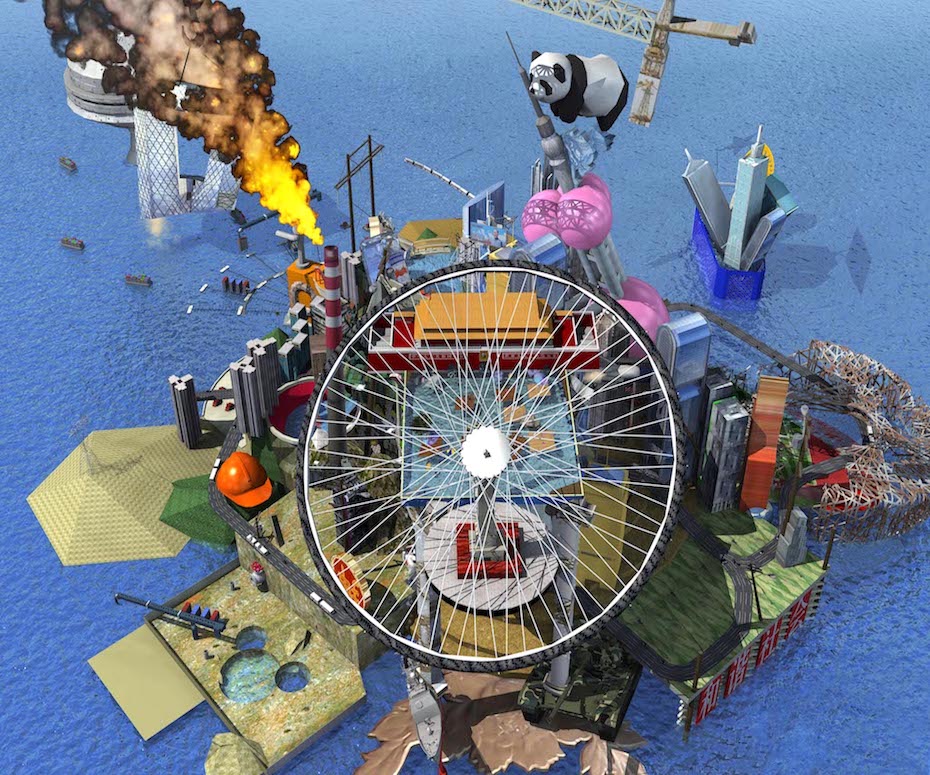
Fascinated by the potential of the virtual world, not only as a strategy of escape from reality. A virtual world that is as a real tool of online urbanization, Cao Fei founded RMB City. Using the famous computer platform Second Life Cao Fei realize her avatar China Tracy. The alter ego of the artist: Sexy, feminine, with dark hair and Sailor Moon style has given shape to a virtual art community. Lives and operates in an environment that embodies the unique characteristics of Chinese cities.

Cao Fei

RMB City states Manifesto: “New orders are born, so they are new, strange wisdom” 1-A statement appropriate to the ‘setting of the work, the virtual platform Second Life, in which users, through their chosen avatars, can buy and exchange objects, build urban structures and interact with other avatars in an artificial utopia that is also part of the apocalypse.

“Asia One”, 2018

Cao Fei says «Technology has developed beyond imagination»
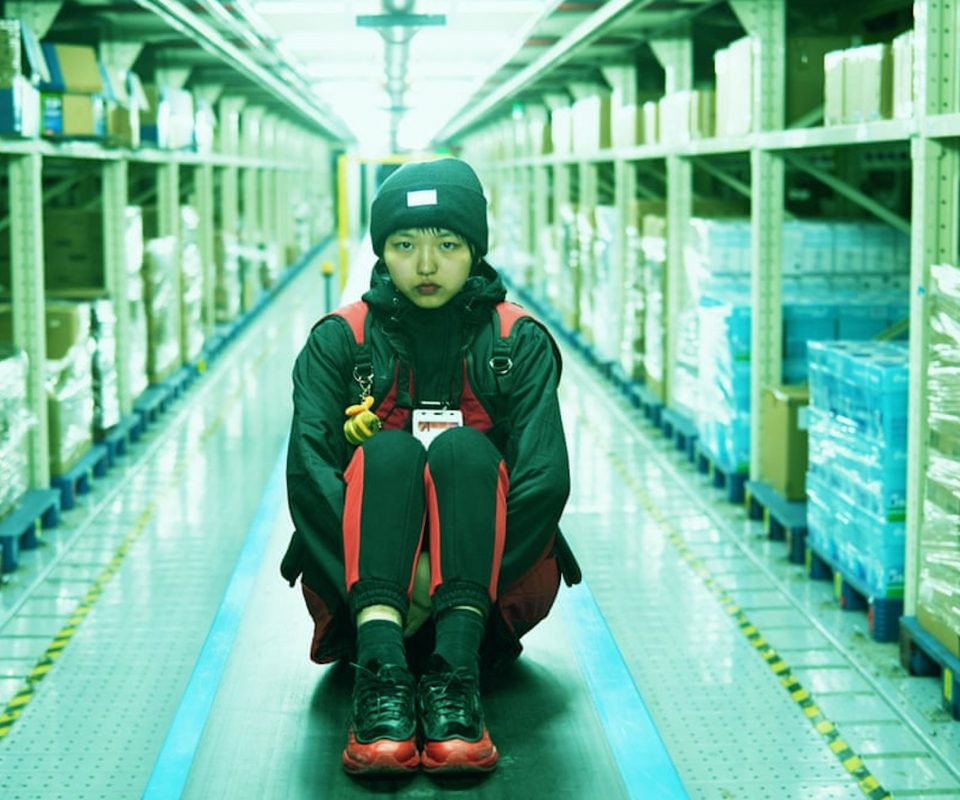
For “Asia One” commissioned by the Guggenheim Museum, Cao visited some of China’s most advanced industrial facilities. Including the world’s first fully automated sorting center in Kunshan, in Jiangsu Province. For this project, a hyperreal vision of the near future shifted its focus from the present to our collective future by examining the effect of technology on human relationships.

Cao Fei
“Nova”, 2019

On the occasion of her solo exhibition Blueprints, at the Serpentine Galleries, Chinese artist Cao Fei has produced two new limited edition artworks. 
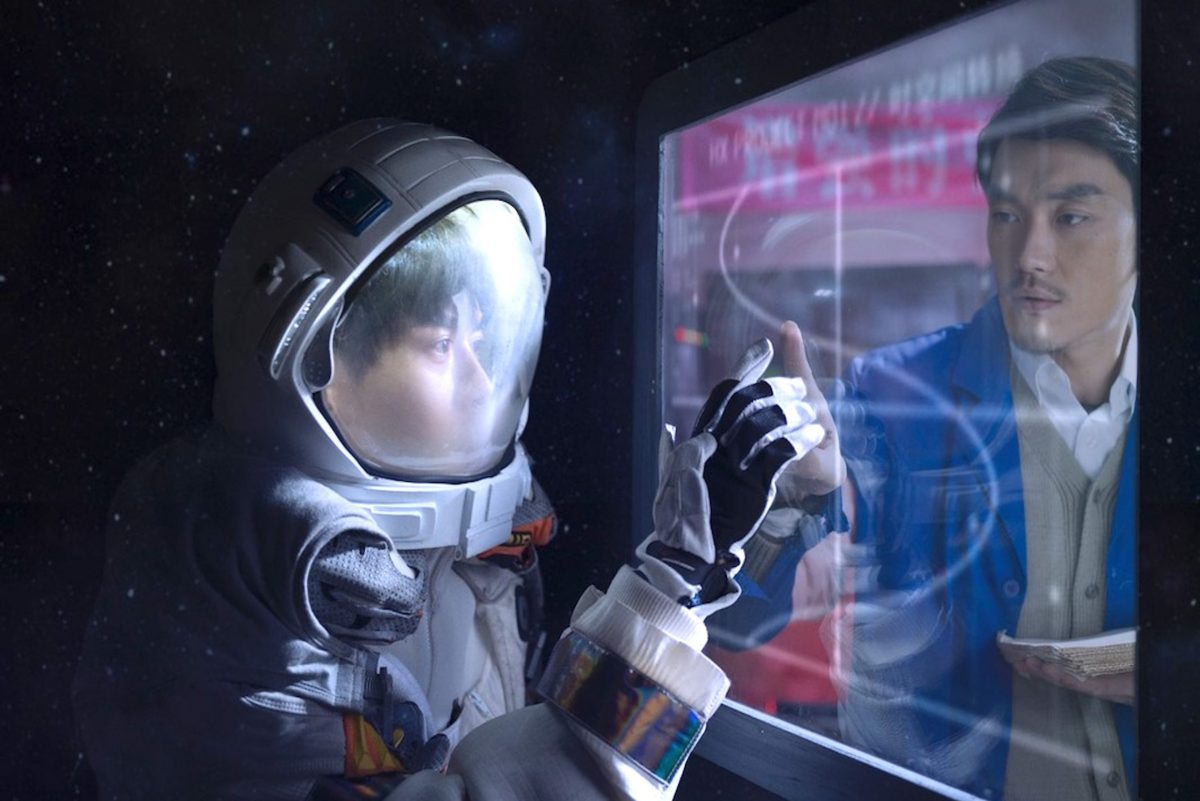
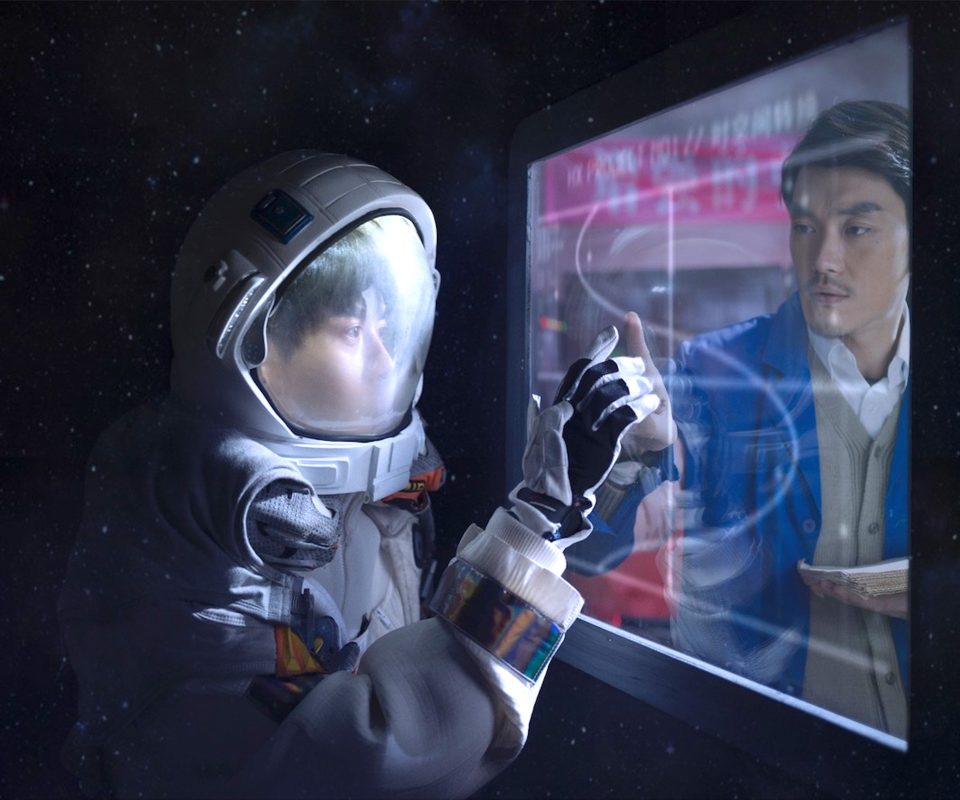
The two limited editions Nova 15a and Nova 18a are two film stills from Cao Fei’s HX’ research project. The film tells the story of a computer scientist working on a secret international project that attempts to turn humans into digital mediums.

Cao Fei

A failed attempt to use his son as a test case results in the young man becoming lost in cyberspace, a spectre haunting the past, present and future worlds that continuously interact and overlap throughout the film. By mining the history of her immediate context, Cao Fei takes us on a ‘retro-futurist’ journey that goes beyond chronological time and hovers between reality and fantasy. 

Fonti:
Palazzo Grassi
Portfolio
Guggenheim

Categories
Contemporary 当代

Contemporary | Wang Ruilin – “Dreams”

Surreal animal sculptures by Wang Ruilin 

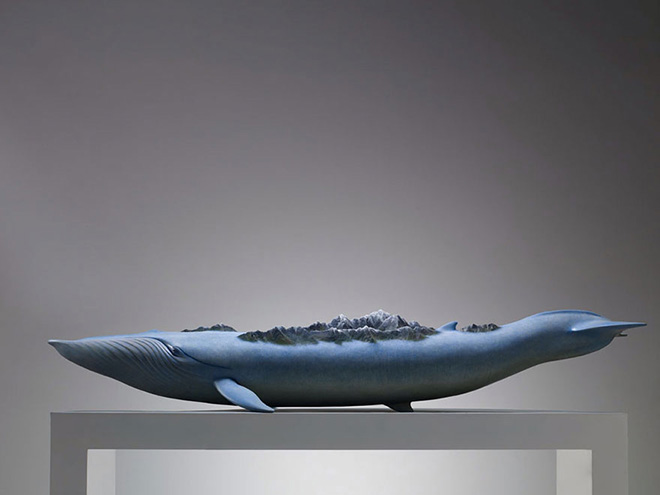
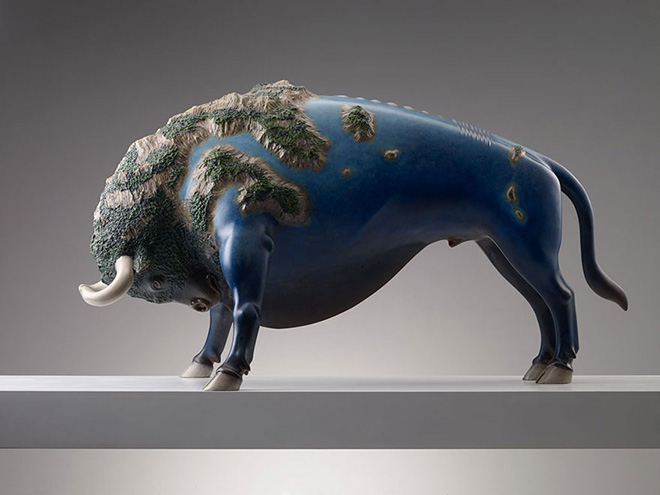
In the serie titled “Dreams”, Chinese sculptor Wang Ruilin creates surreal animals with a particular  features: on their backs – and sometimes on their antlers – these creatures carry monumental elements of nature like lakes and mountain cliffs. It’s like a modern animal-version of Noah’s Arc without people.  

“Dreams Ark1”, Wang Ruilin
“Dreams Floating1”, Wang Ruilin

Wang Ruilin is a talented Chinese sculptor, born in 1985 in Anshan, in province of Liaoning. He graduated at the Central Academy of Fine Arts in Beijing in 2005 and  actually lives and works in the same city. 

Rui Sculpture Life

His sculptures are heavily influenced by traditional Chinese art and mythology. Indeed, his life changed at the age of four or five, when he encountered . a painting of a horse by the artist Xu Beihong (1895-1953). A traditional Chinese painter, primarily known for his ink paintings of horses and birds. Ruilin became obsessed with these vigorous animal and has ever since identified with it.

Horses became one of the main characters of Ruilin’s works, resulting in the series “Horse. Play”, where pours the lively power of the animal in different static postures, creating significant tensions in the sculptures. 

“Horse. Play”, Wang Ruilin
“Dreams Horse”, Wang Ruilin

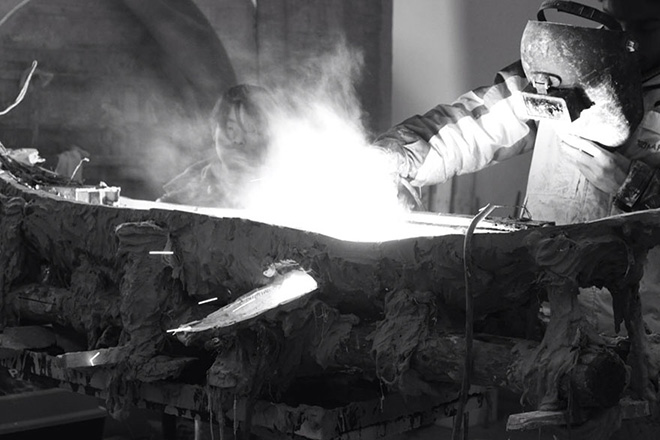
“Dreams” series are almost life-sized copped sculptures .And the artist describes their creative process as digging deep into his heart and excavating works that originally exist from various experiences.

About his works, Ruilin says:

“Pursuit of Dreamscomes from my imagination, which is the balance between nature and abnormal state. Animals in Pursuit of Dreams may not be lifelike for I wish to inject different spiritualities and. spirits of the east and remind people to focus and admire on . other individuals who are the same or even more beautiful besides themselves only. Pursuit of Dreams-ark is the work I was inspired in the moment of 2012 . when people were concerning on how to be saved and I make ark to save not only rivers and mountains of human. In the space of impermanent compounds, what we pursue may not exist really and we can only feel the value and force. of life when the doom is set. Just as the big fish that I compare to ark, it carries mountains and rivers with life and . observes the world with the soul”

“Dreams Ark2”, Wang Ruilin
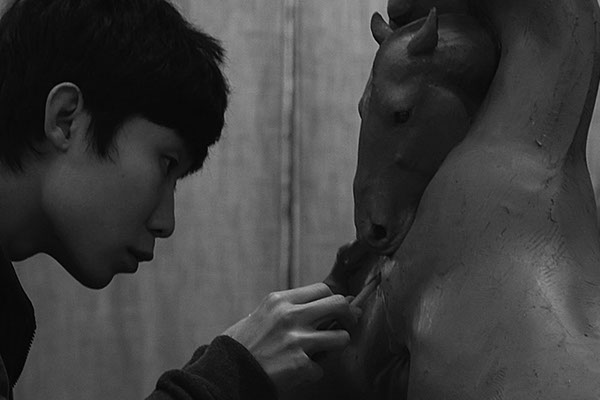
Wang Ruilin working on “Horse. Play
Ruilin working on “Horse. Play”

Eastern-classical art also influenced Ruilin use of color.In particular he loves Chinese flower paintings . for their rich, bright and cool colors. For the artist eyes they seem deep, pure and full of profoundness and uniqueness. 

The series “Dreams” was protagonist of ART Beijing in 2014.  

“Dreams Yak”, Wang Ruilin
“Dreams Floating2”, Wang Ruilin
Wang Ruiling creating a sculpture
Ruilin creating a sculpture

For more Chinese art: Abgstage01

***

Categories
Contemporary 当代 纵观艺术 艺术家

Contemporary| Zhou Jun – The Thick Red Line

Zhou Jun is a contemporary conceptual chinese photographer. He was born in Nanjing Province in 1965 and graduated from Nanjing Normal University in 1990.

His work revolves around construction sites and the relationship between urbanization and the preservation of ancient cultural inheritance.

Zhou Jun
Zhou Jun

Zhou Jun’s technique

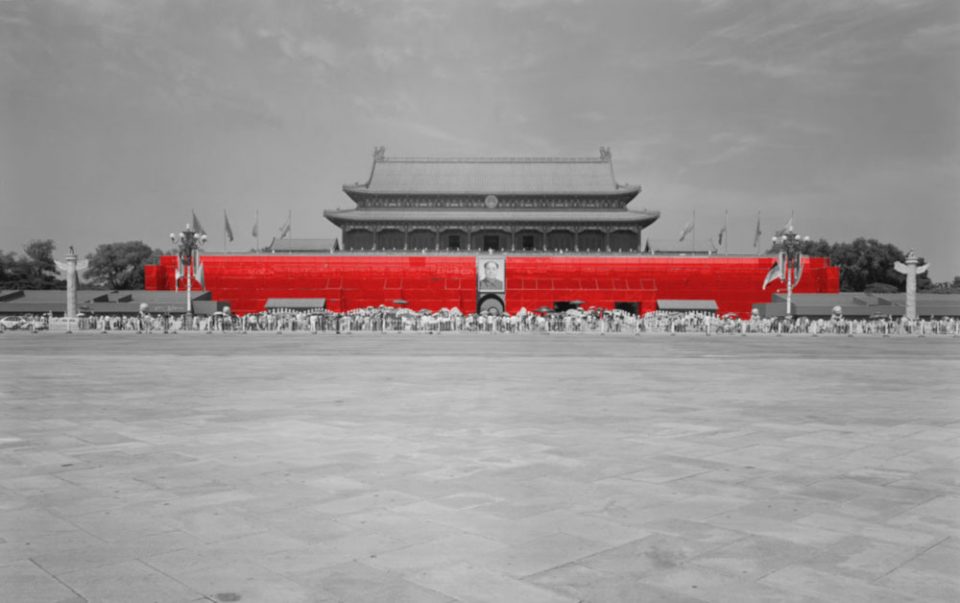
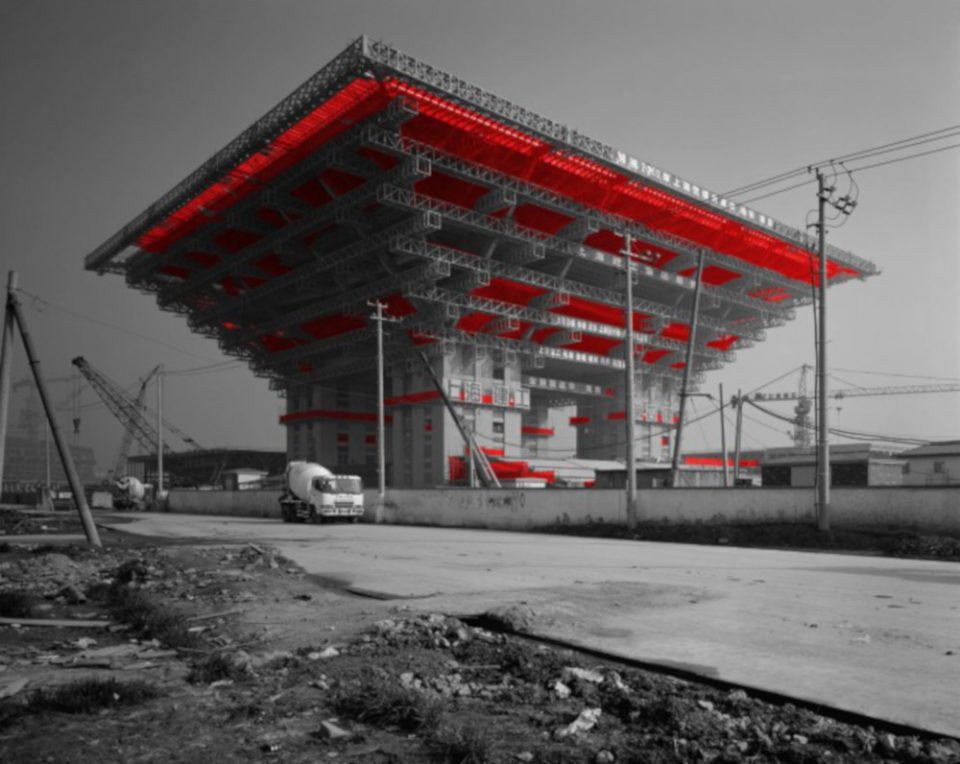
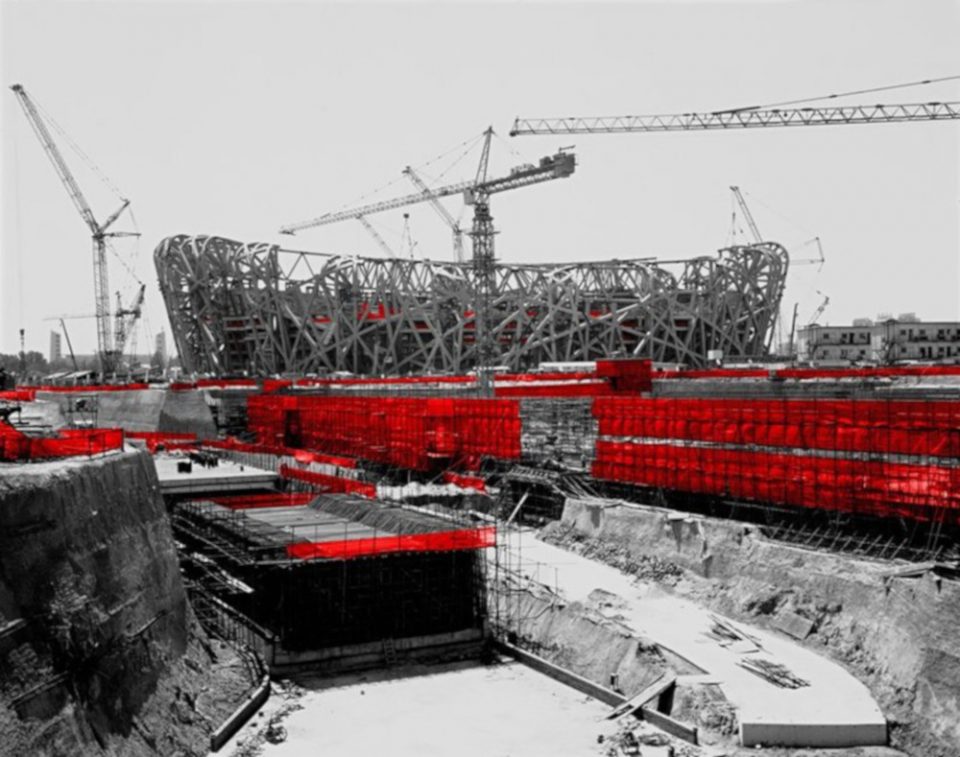
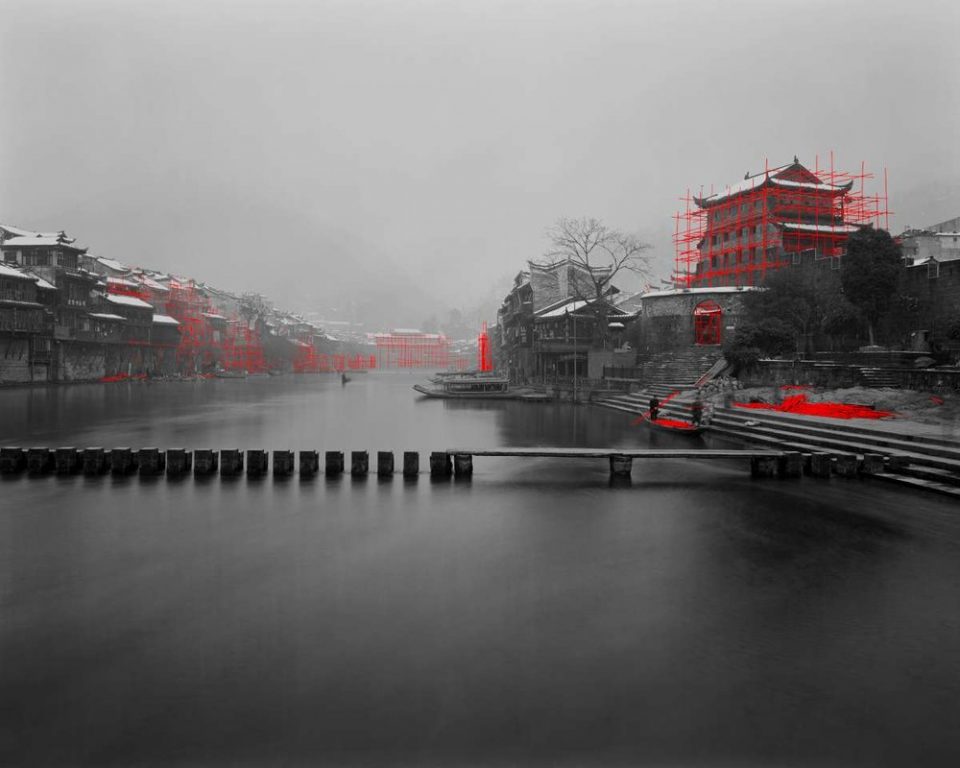
The artist is best known for his series – Scaffoldings; Bird’s Nest project; The Red and the Black – featuring Chinese cities in black and white with overlays of red streamers wrapped around under-construction buildings. Zhou Jun uses large format film cameras to produce negatives, which are scanned, digitally manipulated and printed to produce large unframed photographic works. Built environment is the subject of Zhou’s work in an analysis of China’s rapid and sometimes brutal redevelopment. Created since 1992, his photographs mainly treat the conflicting relationships between Chinese traditional architecture and contemporary buildings while continuously challenging the symbolic nature of the red color.

9th 2007, 2007, Digital C - print, 120 x 190 cm/180 x 286 cm
9th 2007, 2007, Digital C – print, 120 x 190 cm/180 x 286 cm
Expo 2010 Shanghai - China Pavillion, 2009, Digital C - print, 120 x 150 cm/220 x 180 cm
Expo 2010 Shanghai – China Pavillion, 2009, Digital C – print, 120 x 150 cm/220 x 180 cm

Building progress

The contradictions that are presented when trying to preserve the past in a time of China’s unprecedented economic growth underpin the work of Zhou Jun. During the last thirty years the most striking feature of China’s re-development has been its city construction. Demolition of whole villages to make way for high-rise development is a regular occurrence. The lead up to the 2008 Beijing Olympics saw massive building works and although it transformed Beijing into a modern city entire neighborhoods were ‘moved on’ in the name of progress.

Bird's Nest No. 2, 2006, Digital C - print, 50 x 60 cm/120 x 150 cm
Bird’s Nest No. 2, 2006, Digital C – print, 50 x 60 cm/120 x 150 cm

Zhou Jun’s work embodies a quality of yearning for the past to some extent and this is seen in his photographs of historic buildings from Beijing. He is acutely aware of the expansion of Chinese cities and the loss of traditional architecture. It is the loss of Chinese culture in the pursuit of globalisation.

Phoenix Ancient City, 2011, Digital C - print, 120 x 150 cm/180 x 220 cm
Phoenix Ancient City, 2011, Digital C – print, 120 x 150 cm/180 x 220 cm

Seeing red

The color red has significance in Chinese cultural memory as it is used for ceremonial occasions such as weddings but it also represents revolutionary communist ideology. It is a reminder of the turmoil of the recent past. Because of this, the wide variety of perspectives of each person means completely different feelings and reactions are aroused by the color red. The partnership between the black and white photographs and the red sections of scaffolding allows the audience to produce their own meanings.

“Hanging Red”, 2009, 120 x 150 cm, Archival Inkjet Print on Fine Art Paper

A word from the author

“The three decades of development China is experiencing – building to a crescendo with the Olympics – are unparalleled in history. The colour red, which I use to highlight specific parts of the photograph, can elicit different responses in people from different countries or cultures – at times, it can even have opposite meanings for people. I want my work to be interpreted differently by people depending on their response to the symbolic meaning of red. In this sense, the work has the potential to reveal international perspectives to common subject matter.”

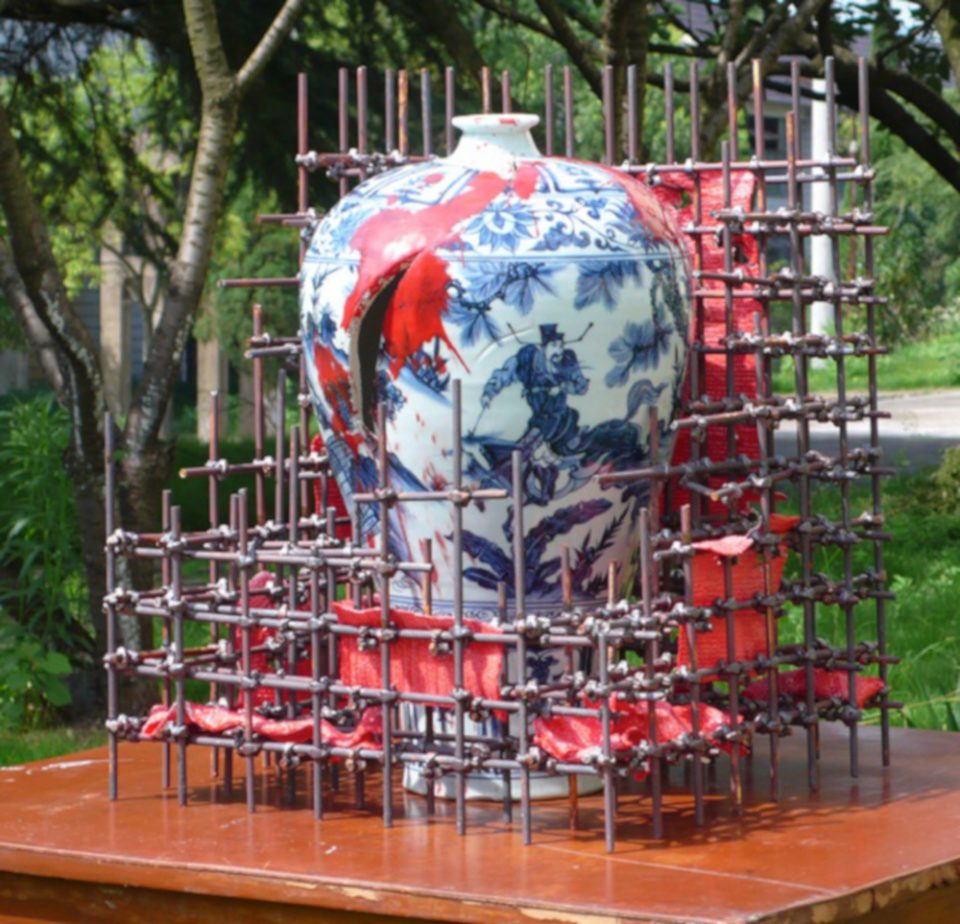
Zhou Jun also creates sculptural works using porcelain and other materials, always mantaining his distinctive style and his conceptual structure.

A
A “wounded” porcelain vase, surrounded by scaffoldings

For more informations about Zhou Jun’s work: https://www.redgategallery.com/Artists/Zhou_Jun-photography/index.html

or: http://www.artlinkart.com/en/artist/wrk_yr/dbabrws/1eccAtt/2006